swiss medicaXXI century S.A.
Pro rodiny, které musejí čelit Duchennově svalové dystrofii (DMD), se péče často zaměřuje na pomoc dětem se zvládáním symptomů, jako je progresivní svalová slabost, snížená pohyblivost a ztráta nezávislosti, a zároveň na podporu celkové kvality jejich života.
Standardní péče zůstává základem léčby DMD. Neustálý pokrok v regenerativní medicíně zároveň vyvolává důležité otázky o tom, jak mohou podpůrné terapie, včetně přístupů založených na kmenových buňkách, doplňovat stávající péči. V tomto článku se zabýváme tím, co může léčba DMD pomocí kmenových buněk nabídnout, kde jsou její potenciální limity a kdo může být považován za vhodného kandidáta na léčbu.
Pochopení Duchennovy svalové dystrofie a dalších forem svalové dystrofie
Duchennova svalová dystrofie patří do širší skupiny geneticky podmíněných svalových poruch známých jako svalové dystrofie. Abychom lépe pochopili, jak se tyto poruchy vyvíjejí a proč se liší léčebné přístupy, podívejme se blíže na jejich základní mechanismy a klíčové charakteristiky.
Svalová dystrofie je skupina genetických svalových poruch
Svalová dystrofie označuje několik genetických poruch, které ovlivňují svalovou sílu a funkci. DMD patří do spektra dystrofinopatií, které zahrnuje také Beckerovu svalovou dystrofii a související formy s různou závažností a věkem nástupu.
Každý typ má své vlastní charakteristiky a může se lišit v:
- zapojené geny
- věk, kdy se objeví první příznaky
- nejvíce postižené svaly
- rychlost progrese
- riziko komplikací
Vzhledem k těmto rozdílům by jakákoli diskuse o léčbě svalové dystrofie kmenovými buňkami měla být založena na potvrzené diagnóze a podrobném lékařském vyšetření.
Proč svaly časem slábnou
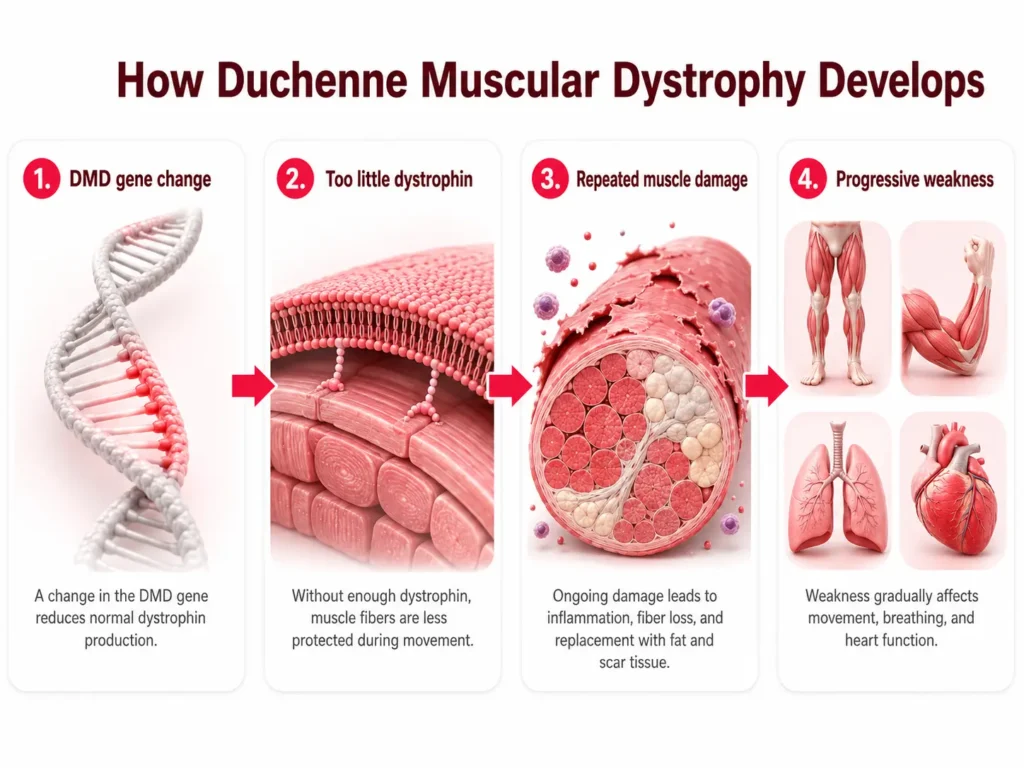
U Duchennovy svalové dystrofie a souvisejících dystrofinopatií tělo neprodukuje dostatek funkčního dystrofinu, což je protein, který pomáhá chránit svalová vlákna během pohybu. Bez dostatečného množství dystrofinu se svalová vlákna snáze poškozují.
V raných stádiích tělo často reaguje aktivní regenerací svalů. S pokračujícím poškozením se však rozvíjí chronický zánět a regenerační kapacita svalů se postupně vyčerpává. Postupem času tato opravná reakce již nestačí k tomu, aby kompenzovala probíhající poškození.
V důsledku toho se zdravá svalová vlákna postupně ztrácejí a nahrazují tukovou a vazivovou tkání a progresivní svalová slabost se časem zhoršuje. V této souvislosti lze kmenové buňky při svalové dystrofii použít jako podpůrný přístup ke snížení zánětu.
Proč je přesná diagnóza důležitá před zvážením léčby
Potvrzená diagnóza je výchozím bodem jakéhokoliv léčebného plánu. Genetické testování pomáhá ověřit výskyt DMD, identifikovat základní mutaci a určit, které možnosti léčby mohou být pro pacienta vhodné.
Před posouzením, zda jsou vhodné kmenové buňky při svalové dystrofii nebo jiné možnosti léčby, lékaři obvykle zhodnotí:
- genetické potvrzení diagnózy
- zprávy o neurologickém stavu
- výsledky kardiologického vyšetření
- výsledky testů respiračních funkcí
- zprávy o funkčním stavu, včetně schopnosti chůze, hodnocení chůze pomocí North Star Ambulatory Assessment (NSAA), 6minutového testu chůze (6MWT) nebo fyzioterapeutických vyšetření
- aktuální seznam užívaných léků
- záznamy o předchozích operacích nebo hospitalizacích
- výsledky nedávných laboratorních testů, pokud jsou k dispozici
Tyto informace pomáhají lékařům posoudit stav pacienta, definovat vhodné cíle léčby, upravit léčebný plán a vyhodnotit potenciální rizika.
Proč vyžaduje Duchennova svalová dystrofie zvláštní pozornost
Přestože je DMD jednou z nejznámějších svalových dystrofií, nese s sebou specifické problémy, které zdůrazňují důležitost včasné diagnózy, pozorování a včasné podpůrné léčby.
DMD je jednou z nejzávažnějších forem svalové dystrofie
DMD je považována za nejzávažnější typ svalové dystrofie související s dystrofinem, protože obvykle začíná v raném dětství a postupuje rychleji než mírnější formy, jako například Beckerova svalová dystrofie. Postupem času se každodenní pohyb může stát obtížnějším, od běhu a chůze do schodů až po samostatnou chůzi, takže péče obvykle vyžaduje mnohem více než jen podporu mobility.
Jak nedostatek dystrofinu překračuje hranice slabosti kosterního svalstva
Nedostatek dystrofinu ovlivňuje kosterní svalstvo, ale také srdce. Postupem času může srdeční sval oslabit a ztrácet schopnost efektivně pumpovat krev. K tomu může dojít ještě před objevením zjevných příznaků, a proto by sledování srdeční činnosti u pacientů s DMD mělo začít již při diagnóze a poté pravidelně pokračovat.
Může terapie kmenovými buňkami pomoci s Duchennovou svalovou dystrofií?
Většina současných diskusí o terapii kmenovými buňkami pro Duchennovu svalovou dystrofii se zaměřuje na mezenchymální kmenové buňky při svalové dystrofii. Tyto buňky jsou považovány za jeden z klinicky více studovaných a obecně dobře tolerovaných typů buněk s potenciálními protizánětlivými, imunomodulačními a tkáňově podpůrnými účinky.
Co naznačuje současný výzkum
Zde jsou dosavadní zjištění studií a klinického výzkumu v oblasti terapie kmenovými buňkami:
- Studie z roku 2025 zjistila, že mezenchymální kmenové buňky při svalové dystrofii mohou pomoci snížit zánět a podpořit poškozené svaly, ale pro potvrzení dlouhodobých výsledků je zapotřebí dalších studií.
- Systematická studie z roku 2024 analyzovala 12 klinických zpráv o terapii kmenovými buňkami pro DMD. Výsledky naznačují potenciální bezpečnost a přínos, ale k potvrzení nejlepšího přístupu a dlouhodobých účinků je zapotřebí dalších studií.
- Metaanalýza bezpečnosti MSC z roku 2021, která zahrnovala 62 klinických studií provedených během 15 let, nezjistila žádné zvýšené riziko závažných nežádoucích účinků ve srovnání s kontrolní skupinou. Většina hlášených reakcí byla dočasná, jako horečka, únava nebo lokální diskomfort.
Společně tyto studie naznačují, že používat kmenové buňky při svalové dystrofii může mít potenciál, ale stále probíhají studie. Rodiny, které tuto možnost zvažují, by ji měly pečlivě probrat s lékaři, stanovit si realistická očekávání a pokračovat v pravidelném pozorování.
Proč jsou cíle léčby důležitější než jednoduchá odpověď ano nebo ne
Spíše než se ptát, zda terapie kmenovými buňkami může vyléčit svalovou dystrofii, může být užitečnější zamyslet se nad tím, jak by mohla podpořit každodenní život pacienta a péči o něj. To pomáhá stanovit realistická očekávání a společně s lékařským týmem zvolit další kroky.
Možné cíle léčby kmenovými buňkami u pacientů se svalovou dystrofií mohou zahrnovat:
- udržení pohyblivosti déle tak, kde je to možné
- snížení zátěže související se zánětem
- zlepšení tolerance cvičení
- podpora každodenního fungování
- zlepšení komfortu a kvality života
- podpora programů respirační rehabilitace
- pomoc pacientům zůstat ve fyzioterapii
Léčba kmenovými buňkami, která je součástí širšího léčebného plánu pro Duchennovu svalovou dystrofii, může potenciálně zlepšit výsledky související s těmito cíli.
Co terapie kmenovými buňkami nemůže slíbit
Současné poznatky neprokazují, že by léčba DMD pomocí kmenových buněk mohla toto onemocnění vyléčit nebo zvrátit stávající poškození svalů. Může pomoci podpořit funkci a zpomalit určité aspekty progrese, ale výsledky se liší a vyžadují dlouhodobé sledování.
Proč terapie kmenovými buňkami není náhradou za dystrofin
Kmenové buňky neopravují mutaci DMD ani nenahrazují dystrofin. Na rozdíl od léčby založené na genech nebo specifických mutacích je léčba svalové dystrofie kmenovými buňkami lépe popsána jako podpůrný přístup, který by mohl být součástí komplexní péče spolu se standardním sledováním vývoje DMD.
Jak může terapie kmenovými buňkami podpořit pacienty se svalovou dystrofií
Na základě současného výzkumu MSC a klinických zkušeností společnosti Swiss Medica jsou hlavní potenciální přínosy terapie kmenovými buňkami pro svalovou dystrofii spojeny s kontrolou zánětu, buněčnou signalizací a každodenním fungováním.
Protizánětlivá a regenerační signalizace je předmětem výzkumu
MSC jsou studovány pro jejich schopnost vysílat biologické signály a pomáhat vytvářet podpůrné prostředí pro obnovu tkání. Pro DMD je to relevantní, protože opakované poškození svalů vede k zánětu, fibróze a postupné ztrátě svalových vláken.
Proces může probíhat v několika krocích:
-
1
MSC reagují na signály poškození. Poškozené a zanícené tkáně uvolňují signály, které mohou přitahovat MSC do oblastí vystavených námaze.
-
2
Uvolňují aktivní molekuly. MSC vylučují růstové faktory, cytokiny, chemokiny a další signální molekuly, které ovlivňují blízké buňky.
-
3
Zánět se může stát lépe regulovaným. Tyto signály mohou pomoci snížit nadměrnou zánětlivou aktivitu kolem poškozených svalových vláken.
-
4
Tkáňové prostředí se stává podpůrnějším. Nižší zánět a lepší buněčná komunikace mohou vytvořit lepší podmínky pro procesy související s obnovou.
Podpora svalové funkce, vytrvalosti a každodenních aktivit
MSC neobnovují normální svaly pozitivní na dystrofin. Jejich potenciální role je nepřímá: zlepšením prostředí kolem poškozené svalové tkáně mohou pomoci tělu efektivněji fungovat vlastní regenerační procesy.
V praxi si rodiny mohou všimnout možných změn v průběhu každodenního života, jako například:
- lepší snášení fyzioterapie
- menší únava po aktivitě
- snadnější přesuny
- zlepšené pohodlí během pohybu
- lepší zapojení do denních rutin
- zlepšený dýchací komfort během aktivity nebo spánku
Proč by terapie kmenovými buňkami měla zůstat součástí komplexního plánu péče
Léčba DMD pomocí kmenových buněk neodstraňuje potřebu standardní péče o pacienty s touto nemocí. Kromě regenerační léčby pacienti stále potřebují pravidelné sledování, které sleduje jejich svalové funkce, dýchání, zdraví srdce, výživu, držení těla a každodenní mobilitu.
To obvykle zahrnuje:
- neuromuskulárního specialistu
- fyzioterapii a ergoterapii
- respirační péči
- monitorování srdeční činnosti
- výživu a podporu zdraví kostí
- ortopedickou péči v případě potřeby
Zkušenosti rodiny s terapií kmenovými buňkami pro svalovou dystrofii
Klinika Swiss Medica působí v oboru regenerativní medicíny. V Srbsku pracujeme s komplexními chronickými onemocněními od roku 2011. Během této doby jsme pomohli více než 3 000 dětem s autismem a více než 10 000 pacientům s různými komplexními onemocněními, včetně roztroušené sklerózy a svalových dystrofií.
Příběh pacienta: cesta rodiny k léčbě
Zde sdílíme jeden příklad od našich pacientů, abychom ukázali, jak lze léčbu zažít z pohledu rodiny.
„Před léčbou můj syn slábl. Sotva zvedal ruce, měl problém napít se ze sklenice nebo jíst vidličkou a potřeboval pomoc téměř se vším. Zhoršil se mu dech, měl špatnou náladu a už nechtěl chodit ven ani se stýkat s lidmi.“
„Po prvním ošetření ve Swiss Medica jsme si všimli, že se mu během prvního dne zlepšilo dýchání. Během následujících několika týdnů měl více energie, chtěl zase chodit ven a byl mnohem šťastnější. Doma si změny všimly i jeho sestry: smál se, zpíval si, méně žádal o pomoc, zvedal dálkové ovladače a samostatněji se posouval dozadu na křesle.“
— Matka z Irska

Proč je zkušenost každého dítěte jiná
Každé dítě s DMD má svůj vlastní příběh. Úroveň mobility, dýchací funkce, postižení srdce, kontraktury, zdraví kostí, předchozí léčba a přístup k rehabilitaci mohou ovlivnit každodenní fungování a reakci na léčbu.
Více příběhů pacientů najdete na YouTube. Sledováním těchto příběhů mohou rodiny lépe pochopit, jak mohou vypadat výsledky léčby v reálném životě. Každý příběh však odráží jeden individuální případ, takže stejný výsledek nelze zaručit pro jiné dítě.
Pro koho může být zvažována léčba kmenovými buňkami
Ve Swiss Medica bereme výběr pacientů vážně. Terapie kmenovými buňkami není univerzální řešení a neakceptujeme každý případ. Někteří pacienti mohou mít prospěch z podpůrné léčby, zatímco u jiných může být očekávaný účinek příliš omezený nebo rizika mohou převážit potenciální přínosy. Proto je každý případ před vydáním jakéhokoliv doporučení individuálně posuzován.
Pacienti s potvrzenou diagnózou svalové dystrofie
U pacientů s Duchennovou svalovou dystrofií lze zvážit léčbu kmenovými buňkami, pokud splňují několik důležitých kritérií:
| Skupina pacientů | Co to obvykle znamená |
| Pacienti s potvrzenou diagnózou | Jednoznačná diagnóza svalové dystrofie, ideálně podpořená genetickým testováním, nám pomáhá pochopit typ onemocnění a to, zda jsou cíle podpůrné léčby realistické. |
| Pacienti s měřitelnými funkčními obtížemi | Léčba se obvykle zvažuje, pokud existují specifické obavy, jako je snížená výdrž, slabost, ztráta mobility, problémy s každodenními činnostmi nebo potíže s účastí na rehabilitaci. Pacienti, kteří již nechodí samostatně, mohou být zvažováni v závislosti na jejich celkovém stavu a potřebách péče. |
| Pacienti v dostatečně stabilním stavu pro léčbu | Celkový stav dítěte nebo dospělého by měl umožnit bezpečné provedení léčby s ohledem na respirační, srdeční a celkový zdravotní stav. |
| Pacienti s realistickými cíli podpory | Kmenové buňky při svalové dystrofii jsou zvažovány, pokud je cílem podpora funkčnosti, pohodlí, rehabilitace nebo kvality života, spíše než očekávání vyléčení. |
Lékařské záznamy a posouzení ve Swiss Medica
Vždy začínáme individuálním lékařským vyšetřením jako součástí procesu žádosti. To obvykle začíná online konzultací, kde naši lékaři hovoří s rodinou, seznámí se s příběhem pacienta a jeho individuálními potřebami a projdou dostupné diagnostické testy.
Náš lékařský tým podrobně vyhodnocuje každý případ s přihlédnutím k několika klíčovým faktorům:
- Zdravotní historie
- Genetická diagnóza
- Aktuální úroveň pohyblivosti
- Dechová a srdeční funkce
- Předchozí komplikace
- Výsledky rehabilitace, pokud jsou dostupné
Teprve po tomto vyhodnocení rozhodneme, zda je léčba vhodná, který postup lze zvážit a jaké podpůrné výsledky mohou být v daném konkrétním případě realistické.
Kdy nemusí být léčba nedoporučena
Existují také případy, kdy se terapie kmenovými buňkami nedoporučuje. Mezi běžné důvody patří:
- přetrvávající nebo akutní infekce
- těžká anémie nebo určité krevní poruchy
- onkologické stavy
- patologické procesy v plánovaném místě podání
- nestabilní celkový zdravotní stav
- chybějící jasná diagnóza nebo nedostatečná lékařská dokumentace
V některých případech může být léčba odložena, nikoli zcela odmítnuta.
Získejte bezplatnou online konzultaci
Chcete zjistit, jestli je léčba vhodná pro vaše dítě? Swiss Medica nabízí bezplatnou konzultaci k posouzení diagnózy, lékařské dokumentace a aktuálního stavu. Nepřijímáme každého pacienta. Naši lékaři poctivě posuzují každý případ a doporučují léčbu pouze tehdy, jsou-li očekávané cíle lékařsky přiměřené.

Lékařská poradkyně, lékařka Swiss Medica
Co by rodiny měly očekávat během léčebného procesu
Postup léčby kmenovými buňkami ve Swiss Medica se řídí několika základními kroky.
1. Soukromé lékařské vyšetření před jakýmkoliv doporučením
U DMD by léčba nikdy neměla být doporučována pouze na základě názvu diagnózy. Pro dosažení lepších výsledků léčby provádějí lékaři soukromá lékařská vyšetření dvakrát:
- Během online konzultace – za účelem posouzení případu a přípravy individuálního léčebného plánu.
- Po příjezdu do nemocnice – osobní posouzení aktuálního stavu pacienta, v případě potřeby úprava plánu s cílem potvrdit, že terapie může být vhodná.
2. Personalizované plánování založené na diagnóze, funkčním stavu a cílech
Pokud je léčba vhodná, dodržujeme zavedené dávkovací postupy a celkový plán je přizpůsoben stádiu svalové dystrofie dítěte a jeho aktuálním potřebám. Plán obvykle zahrnuje fyzioterapii se specifickými prioritami v závislosti na tom, zda je dítě pohyblivé nebo má omezenou pohyblivost:
- U ambulantních pacientů (pokud dítě chodí) se plán může zaměřit na podporu vytrvalosti, rovnováhy, tolerance chůze, chůze do schodů, zvládání únavy a aktivní účast na fyzioterapii.
- U nechodících pacientů (pokud dítě používá invalidní vozík nebo má omezenou pohyblivost) se může pozornost přesunout na rovnováhu vsedě, funkci paží a rukou, pohodlí při dýchání, spánek, každodenní péči a celkovou kvalitu života.
3. Léčebná sezení a lékařský dohled
Během programu bude dítěti podána jedna nebo několik bezbolestných intravenózních injekcí kmenových buněk dle schváleného protokolu. Léčba probíhá pod nepřetržitým lékařským dohledem, přičemž klinický personál je k dispozici 24 hodin denně, 7 dní v týdnu po celou dobu pobytu.
4. Jak je sledován pokrok po léčbě
Po léčbě je pokrok sledován po dobu 3 až 6 měsíců prostřednictvím praktických změn, které mohou rodiny i lékaři realisticky pozorovat:
- únava
- pohyblivost
- možnost přesunů
- účast na rehabilitaci
- respirační komfort
- tolerance denní aktivity
- nežádoucí účinky
- funkční změny hlášené pečovatelem
Bezpečnost, vedlejší účinky a otázky, které by si měly rodiny klást
Léčba MSC byla studována po mnoho let a obecně prokázala příznivý bezpečnostní profil. Přesto je třeba před léčbou prodiskutovat možné vedlejší účinky.
Možné nežádoucí účinky a bezpečnostní aspekty
V publikovaných studiích a v naší klinické praxi jsou krátkodobé reakce obvykle dočasné a rychle odezní. Mohou zahrnovat bolest hlavy, únavu, bolesti svalů, nevolnost nebo lokální diskomfort pod lékařským dohledem.
Otázky, které je třeba si položit před výběrem kliniky nabízející léčbu kmenovými buňkami
Zodpovědná klinika by měla být transparentní již před zahájením léčby. Tyto otázky mohou rodinám pomoci pochopit, zda klinika pracuje pečlivě a zda je její přístup bezpečný a řádně monitorovaný:
- Prověřuje klinika před přijetím pacienta jeho lékařskou dokumentaci?
- Vysvětluje jasně, jaký typ buněk se používá?
- Testuje buňky na sterilitu, bezpečnost a životaschopnost?
- Diskutuje o možných nežádoucích účincích a omezeních?
- Vyhýbá se slibům vyléčení nebo zaručeného zlepšení stavu?
- Poskytuje následné sledování po léčbě?
Pokud máte jakékoliv pochybnosti, přečtěte si reference a pokud možno kontaktujte skutečné pacienty.
Cena terapie kmenovými buňkami pro svalovou dystrofii
Cena se liší, protože každý program je plánován s ohledem na diagnózu, stav a léčebné potřeby pacienta.
Proč náklady na léčbu závisí na každém individuálním případu
Konečná cena závisí nejen na samotném podání buněk. Může záviset na typu a stádiu svalové dystrofie, způsobu podání, obsahu programu a nákladech specifických pro danou zemi, jako jsou předpisy, laboratorní standardy, personál, ubytování a podpora pacientů.
| Země / region | Přibližné cenové rozpětí |
| Německo | 11 000 – 30 000 EUR |
| Spojené státy | 17 000 – 45 000+ EUR |
| Srbsko (Swiss Medica) | 7 700 – 45 000* EUR |
*Ceny jsou orientační a vycházejí z odhadů pro rok 2026; mohou se lišit v závislosti na závažnosti onemocnění a počtu potřebných buněk.
Co je zahrnuto v léčebném programu ve Swiss Medica
V závislosti na případu náš léčebný program obvykle zahrnuje následující položky:
- diagnostika a lékařské vyšetření
- zpracování kmenových buněk
- podpůrné terapie – rehabilitace, terapie pomocí přístrojů atd.
- ubytování a strava
- pobyt doprovodu
- transfer z/na letiště
- v případě potřeby podpora překladatele
- vzdálené sledování po dobu 3 až 6 měsíců
- bezplatná opakovaná návštěva kliniky, přičemž rodiny hradí pouze cestovní lístky
Po lékařském vyšetření poskytneme konečnou cenu terapie kmenovými buňkami pro schválený program a tato cena se po zahájení léčby nemění.
Co by měly rodiny porovnat před výběrem kliniky
Cena by neměla být při výběru kliniky jediným faktorem. Rodiny by měly porovnat, co je v programu zahrnuto, jak je sledována bezpečnost, zda je zajištěna následná péče a zda je klinika transparentní ohledně očekávaných přínosů, omezení a možných rizik.
Proč si rodiny pro léčbu DMD vybírají Swiss Medica
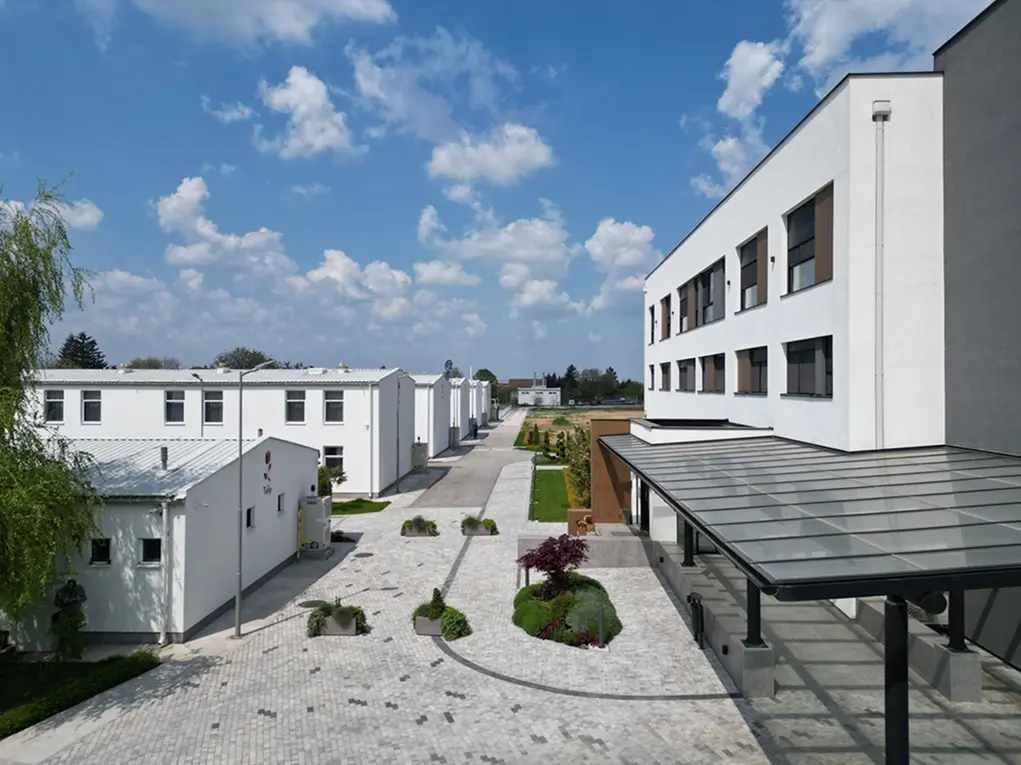
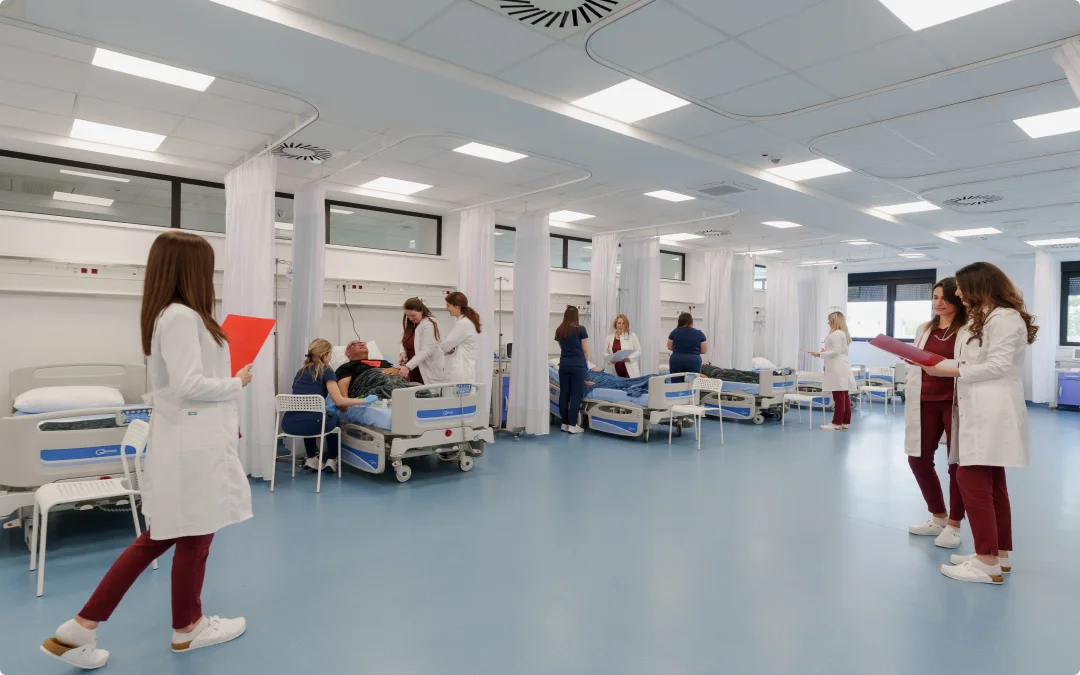
Pro rodiny pacientů se svalovou dystrofií není pohodlí malým detailem, ale součástí pocitu bezpečí při léčbě. Swiss Medica provozuje v Bělehradě v Srbsku plnohodnotnou nemocnici, kde je léčba, rehabilitace, každodenní pohodlí a podpora rodin organizována na jednom místě.
Individuální lékařská prohlídka před léčbou
Před schválením léčby naši lékaři vyhodnotí diagnózu pacienta, symptomy, mobilitu, dýchací funkce, srdeční stav, předchozí léčbu, rehabilitační anamnézu a celkový zdravotní stav.
Tato komplexní prohlídka pomáhá týmu pochopit, zda by léčba DMD pomocí kmenových buněk mohla být vhodná a jaké cíle lze v daném konkrétním případě prodiskutovat. Rozhodnutí se vždy činí individuálně. Léčba se doporučuje pouze tehdy, pokud lékaři vidí jasný zdravotní důvod k jejímu provedení a domnívají se, že by mohla být pro pacienta vhodná.
Interní zpracování buněk a standardy kvality
MSC připravujeme v naší vlastní GMP laboratoři, kde každá šarže obvykle dosahuje 95–98 % životaschopnosti buněk a před použitím je kontrolována z hlediska sterility, bezpečnosti a celkové kvality.
Ve většině případů používáme dárcovské MSC z pupeční šňůry a placentární tkáně. Ve vybraných případech lze po lékařském vyšetření zvážit použití vlastních buněk pacientky.
Zapojení rehabilitace a podpůrné péče
Ve Swiss Medica se léčba DMD pomocí kmenových buněk obvykle kombinuje s fyzioterapií a ergoterapií, aby se pacienti mohli pohodlněji pohybovat, budovat si vytrvalost a snáze zvládat každodenní činnosti.
Níže uvedené video ukazuje, jak náš fyzioterapeut pracuje s 18letým pacientem na procvičování svalové kontroly, koordinace a funkčního pohybu.

Také poskytujeme lékařské sledování po dobu 3 až 6 měsíců po léčbě. Po uplynutí této doby je zajištěno bezplatné následné vyšetření na klinice k vyhodnocení pokroku dítěte. Rodiny si hradí pouze cestovní náklady.
Mezinárodní podpora pacientů v Srbsku
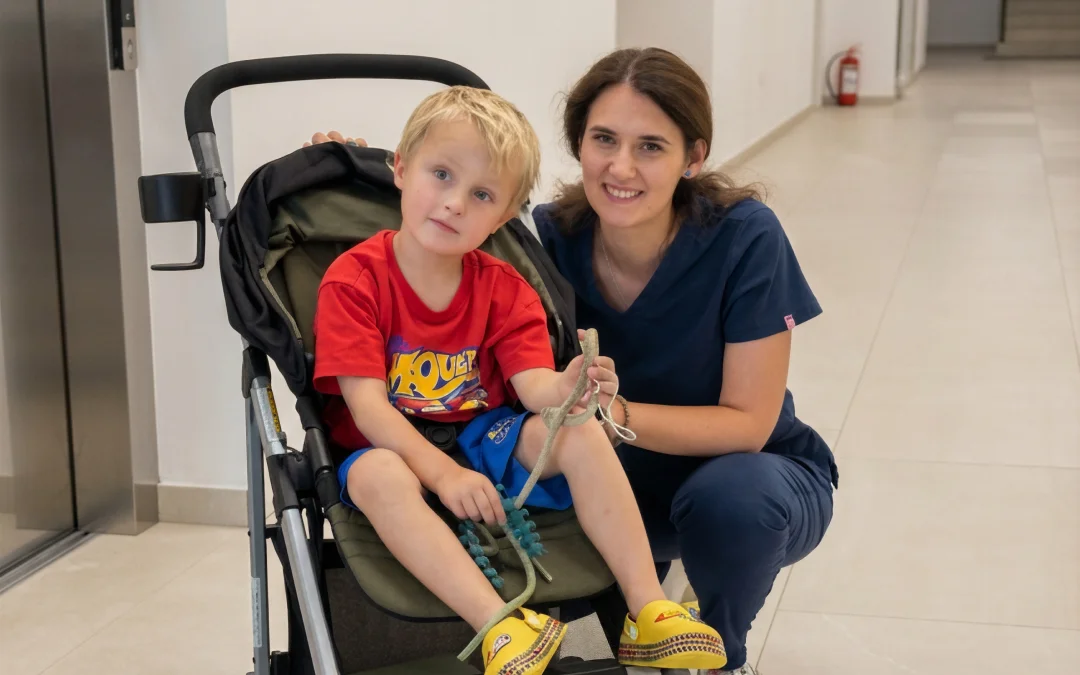
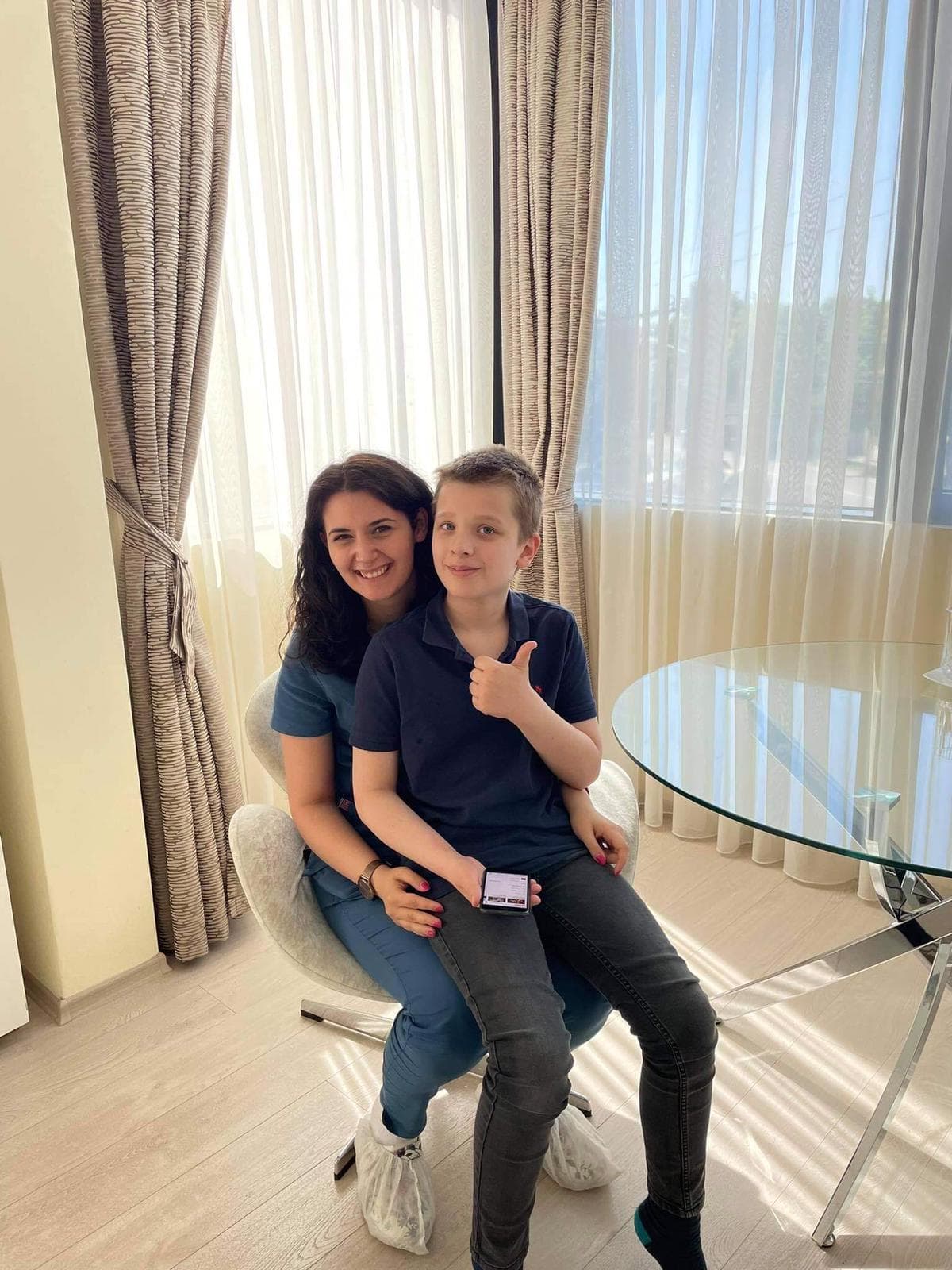
Cestovat za léčbou do zahraničí není snadné, zvláště když má dítě omezenou pohyblivost, je závislé na známém režimu nebo potřebuje pomoc s každodenními záležitostmi. Ve Swiss Medica se snažíme, aby pobyt nebyl jen cesta do nemocnice, ale spíše místo, kde si rodina může vydechnout, odpočinout si a cítit se podpořená. Poskytujeme:
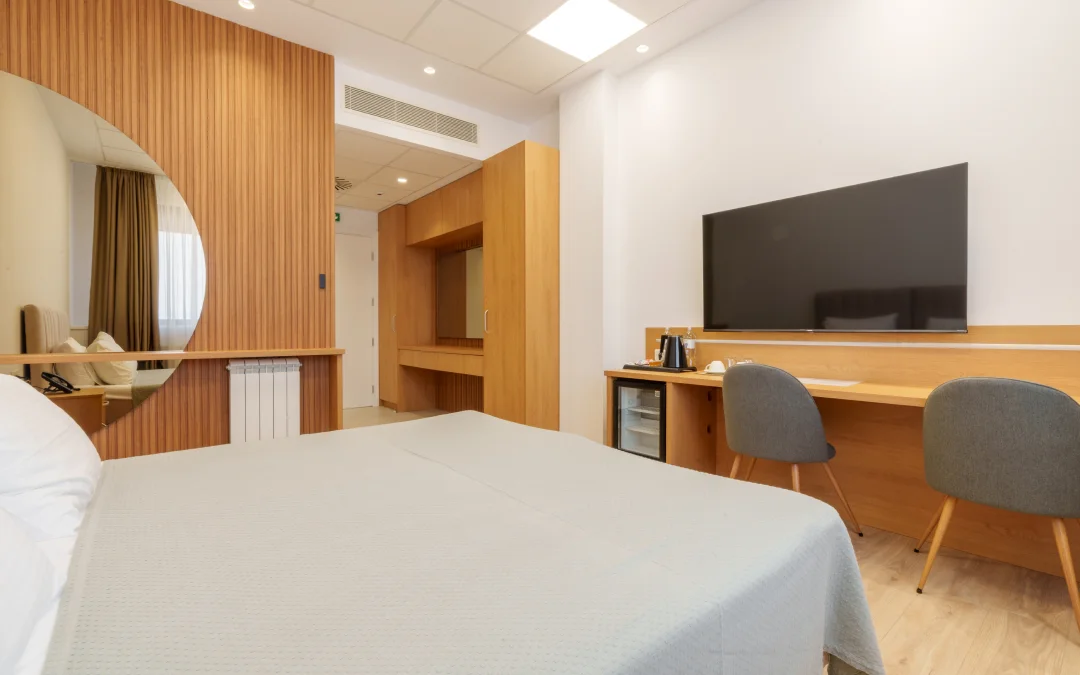
- soukromé apartmány v nemocnici, aby si dítě mohlo odpočinout mezi procedurami bez nutnosti dalšího cestování
- bezplatné ubytování pro 2 rodiče nebo doprovod po celou dobu léčby
- stravování přizpůsobené potřebám, preferencím a obvyklým stravovacím návykům dítěte
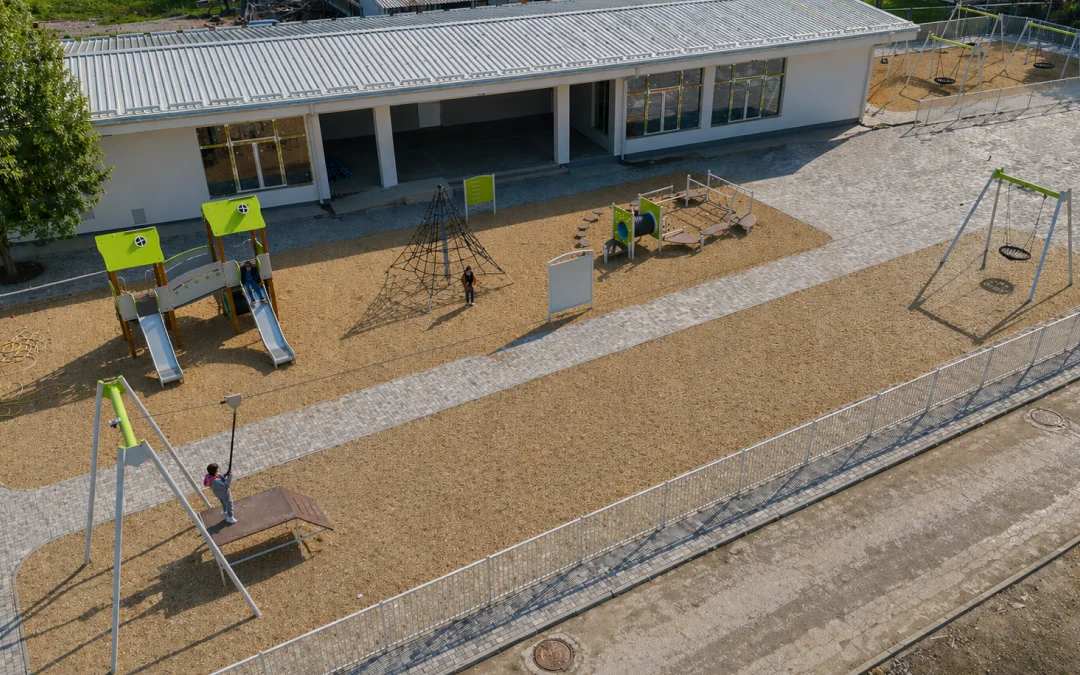
- hřiště, kde si mladší pacienti mohou odpočinout a cítit se pohodlněji
- pomoc s transfery z/na letiště, překladem, ubytováním a každodenními dotazy během návštěvy
Promluvte si s lékařem o možnostech léčby Duchennovy svalové dystrofie
Chápeme, že rozhodnutí o léčbě se mohou zdát náročná, zvláště když je třeba zvážit množství složitých informací. Nejjednodušší způsob, jak zjistit, zda je léčba DMD pomocí kmenových buněk vhodná pro vaše dítě, je začít s bezplatnou online konzultací se specialistou na regenerativní medicínu. Na rozhodnutí není vyvíjen žádný tlak. Konzultace má jednoduše pomoci získat jasné lékařské doporučení a cítit se sebejistěji ohledně dalších kroků.
Kontaktujte nás
Objednejte si ještě dnes bezplatnou online konzultaci a proberte případ vašeho dítěte.
Lékařská poradkyně, lékařka Swiss Medica
Často kladené otázky
1. Funguje terapie kmenovými buňkami u svalové dystrofie?
U svalové dystrofie vykazují regenerační terapie slibné podpůrné výsledky. Mohou pomoci zlepšit svalové funkce, usnadnit snášení rehabilitace a zpomalit některé aspekty progrese onemocnění. Studie však stále probíhají, takže výsledky zůstávají individuální a závisí na diagnóze, stádiu onemocnění, celkovém zdravotním stavu a léčebném plánu.
2. Mohou kmenové buňky vyléčit svalovou dystrofii?
Ne. Kmenové buňky nekorigují genetickou příčinu DMD ani neobnovují normální produkci dystrofinu v těle. Jakékoli tvrzení, že léčba DMD pomocí kmenových buněk může toto onemocnění nadobro eliminovat, by mělo být bráno s opatrností.
3. Jak může terapie kmenovými buňkami pomoci s Duchennovou svalovou dystrofií?
Terapie kmenovými buňkami může u pacientů s DMD podpořit regenerační prostředí těla, pomoci regulovat zánět a u vybraných pacientů zlepšit toleranci rehabilitace, výdrž, pohodlí nebo každodenní fungování. Cílem je podpůrné zlepšení, nikoli zvrácení onemocnění.
4. Které typy svalové dystrofie lze zvážit k léčbě?
Různé typy svalové dystrofie mohou být posuzovány individuálně. Než je zvážena léčba kmenovými buňkami, lékaři musí pochopit přesnou diagnózu, funkční stádium, respirační stav, srdeční stav a celkový zdravotní stav.
5. Je terapie kmenovými buňkami pro svalovou dystrofii bezpečná pro děti?
Mezenchymální kmenové buňky při svalové dystrofii prokázaly ve výzkumu i klinické praxi obecně příznivý bezpečnostní profil, ale vždy je nezbytné řádné lékařské vyšetření. U dětí s DMD musí lékaři před rozhodnutím o vhodné terapii posoudit dýchání, srdeční funkce, celkovou stabilitu a cíle léčby.
6. Jaké výsledky mohou rodiny realisticky očekávat?
Rodiny si mohou všimnout praktických změn, jako je lepší tolerance únavy, účast na terapii, pohodlí, přesuny nebo denní aktivita. Výsledky se liší a terapie kmenovými buňkami nemůže zaručit obnovení chůze, zastavení progrese onemocnění ani obnovení síly.
7. Nahrazuje terapie kmenovými buňkami standardní léčbu svalové dystrofie?
Ne. Standardní péče je i nadále nezbytná, včetně neurologického sledování, fyzioterapie, respirační péče, monitorování srdeční činnosti, výživy, podpory zdraví kostí a schválených léčebných postupů, pokud je to relevantní. Terapie kmenovými buňkami by měla být zvažována pouze jako doplňková podpůrná možnost.
8. Jaké lékařské záznamy jsou potřeba před konzultací?
Před konzultací by si rodiny měly připravit záznamy, které ukazují jak diagnózu, tak i aktuální stav pacienta. Mohou zahrnovat výsledky genetických testů, neurologické zprávy, seznamy léků, vyšetření srdce a dýchacích cest, zobrazovací vyšetření, nedávné krevní testy a záznamy z rehabilitace. To pomáhá lékařům řádně posoudit případ a rozhodnout, zda je možné zvážit léčbu.
9. Kolik stojí terapie kmenovými buňkami pro svalovou dystrofii?
Cena závisí na diagnóze, věku, hmotnosti, závažnosti onemocnění, počtu ošetření a zahrnutých službách. Ve Swiss Medica se programy terapie kmenovými buňkami obvykle pohybují od 7 700 do 45 000 EUR* v závislosti na individuálním případu a léčebném plánu. Konečná cena terapie kmenovými buňkami je stanovena po lékařském vyšetření a zůstává pro schválený program pevně stanovená.
* Ceny jsou orientační a vycházejí z odhadů pro rok 2026; mohou se lišit v závislosti na závažnosti onemocnění a počtu potřebných buněk.
10. Jaké jsou cenové relace mimo Swiss Medica?
Ceny mimo Swiss Medica se značně liší v závislosti na zemi, standardech kliniky, typu buněk, postupu a zahrnuté péči. V Evropě a Spojených státech jsou programy terapie kmenovými buňkami často inzerovány v širokém cenovém rozmezí od přibližně 7 000 do 50 000 EUR nebo více. Rodiny by měly porovnat lékařské vyšetření, bezpečnostní testy, následnou péči, rehabilitační podporu a transparentnost, nejen inzerovanou cenu.
Seznam použitých zdrojů:
Morales A, Mahajan K. Dystrophinopathies. [Updated 2023 Aug 8]. In: StatPearls [Internet]. Treasure Island (FL): StatPearls Publishing; 2026 Jan-. Available from: https://www.ncbi.nlm.nih.gov/books/NBK534245/
Tominari T, Sathyaprakash C and Aoki Y (2025) Stem/progenitor cell-based therapy for Duchenne muscular dystrophy. Front. Cell Dev. Biol. 13:1640275. doi.org/10.3389/fcell.2025.1640275
Akat, A., Karaöz, E. Cell Therapy Strategies on Duchenne Muscular Dystrophy: A Systematic Review of Clinical Applications. Stem Cell Rev and Rep 20, 138–158 (2024). https://doi.org/10.1007/s12015-023-10653-8
Wang, Y., Yi, H. & Song, Y. The safety of MSC therapy over the past 15 years: a meta-analysis. Stem Cell Res Ther 12, 545 (2021). https://doi.org/10.1186/s13287-021-02609-x


MD, Pediatrician, Regenerative Medicine Specialist