swiss medicaXXI century S.A.
Neuropathy is a complex neurological condition that can develop gradually and may be difficult to recognize in its early stages. The term refers to peripheral nerve damage or dysfunction, and symptoms can vary depending on which nerves are affected and what is causing the problem—aside from numbness or tingling, they may also include burning pain, altered sensation, sleep disruption, walking difficulties, or chronic discomfort.
Standard treatments remain important for managing symptoms and reducing complications, but they do not always provide sufficient relief. This has increased interest in regenerative medicine for neuropathy, including stem cell therapy. Researchers are studying whether stem cells may help support nerve repair, reduce inflammation, and improve nerve function. In this article, we review the current evidence, potential benefits, limitations, and when stem cell treatment for neuropathy may be considered.
When Neuropathy Becomes More Than Numbness
Neuropathy symptoms can have a variety of causes and severity levels, and they should first be evaluated by a doctor rather than interpreted independently. Below, we look at some of the more common symptoms patients may experience.
Burning Pain, Tingling, Sleep Disruption, and Nerve Sensitivity
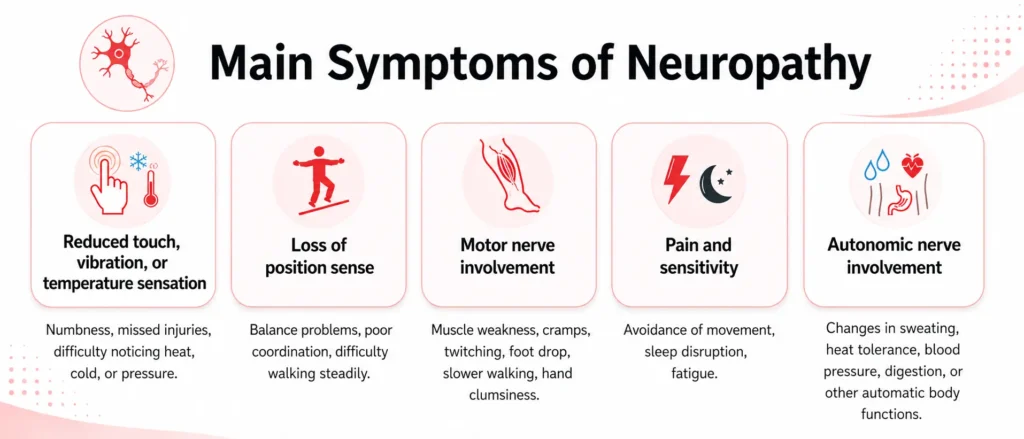
Sensory nerve involvement may appear in different ways, from unpleasant sensations to reduced ability to feel touch, pressure, or temperature. Common manifestations include:
- burning pain in the feet or hands;
- tingling, pins and needles, or electric-like sensations;
- numbness or reduced ability to feel touch, vibration, pain, or temperature;
- increased sensitivity to socks, shoes, bedsheets, or light touch;
- difficulty sensing foot position, which may affect balance;
- symptoms that become worse at night;
- poor sleep caused by pain or discomfort.
Reduced sensation can be just as serious as pain. When a person cannot properly feel their feet, they may miss small injuries, pressure points, or wounds.
Why Walking, Balance, and Daily Activities Can Become Difficult
Sensory signals from the feet help the brain understand pressure, surface, movement, and body position. When these signals become less accurate, balance may feel less stable, especially on stairs, uneven ground, or in the dark.
Motor nerve involvement can add another layer of difficulty. Weakness, cramps, twitching, foot drop, or hand clumsiness may make movement slower, less coordinated, and more tiring during everyday activities.
Why Identifying the Cause Matters Before Treatment
The symptoms described above do not point to a single, specific cause of neuropathy. Identifying what is causing the nerve damage is an important part of treatment planning.
Evaluation usually looks at two things: which nerves are affected—sensory, motor, autonomic, or a combination of them—and why the damage is occurring. Understanding both factors helps doctors select the most appropriate treatment approach and improve the chances of symptom relief and functional recovery.
The Most Effective Neuropathy Treatment Starts With the Cause
Once the nerve pattern and likely cause are clearer, treatment can be planned more precisely. The goal is not only to reduce pain or discomfort, but also to address the factors that continue to affect the nerves, protect remaining nerve function, and support mobility in daily life.
Types of Neuropathy and Different Treatment Options
Neuropathy can be classified in several ways. By location, it may affect the central or peripheral nervous system. In this article, we focus on peripheral neuropathy, which refers to damage affecting nerves outside the brain and spinal cord, most often in the feet, legs, hands, or arms. Within this broad category, doctors may further describe neuropathy by the nerve functions affected and by the underlying cause.
Functional Types of Peripheral Neuropathy
The main functional types depend on which nerves are affected:
- Sensory neuropathy affects nerves responsible for feeling touch, temperature, pain, and vibration. Symptoms may include numbness, tingling, burning pain, or increased sensitivity.
- Motor neuropathy affects nerves that control muscle movement. Patients may experience weakness, muscle cramps, twitching, or difficulty walking.
- Autonomic neuropathy affects nerves that regulate automatic body functions such as blood pressure, heart rate, sweating, digestion, and bladder function.
- Combination neuropathies involve more than one type of nerve. Many patients experience a mix of sensory, motor, and autonomic symptoms.
Peripheral Neuropathy Linked to Other Conditions, Causes, and Treatment Priorities
Neuropathy treatment often depends on what is contributing to nerve damage. Similar symptoms, such as pain, numbness, weakness, or walking difficulty, may require different care priorities depending on the underlying condition.
| Type of neuropathy | What conventional treatment still does best |
| Diabetic neuropathy | Glucose management, weight, blood pressure and lipid control, pain management, screening for loss of protective sensation, foot examination, foot care education, and prevention of ulcers and falls |
| Chemotherapy-induced peripheral neuropathy | Symptom management, oncology coordination, review of cancer treatment history, functional support, exercise or rehabilitation when appropriate, and safety measures |
| Inflammatory neuropathy | Evaluation for immune-directed treatment and symptom management; therapies may include immunoglobulins, corticosteroids, or plasma exchange when indicated |
| Deficiency-related neuropathy | Identification and correction of the underlying deficiency; for B12-related neuropathy, early treatment is important, especially when neurological symptoms are present |
These measures may not always feel dramatic, especially for patients with long-standing symptoms. Still, they often form the foundation of care. In many cases, they help prevent further decline and reduce the risk of complications.
Where Regenerative Therapy May Be Considered
Alternatives for neuropathy treatments, such as regeneraitve medicine, may be discussed when the diagnosis is reasonably clear, the underlying condition is being managed, and symptoms still affect quality of life despite standard care.
In this context, stem cell therapy for peripheral neuropathy should be viewed as a possible supportive option, not a replacement for medical treatment, rehabilitation, or ongoing monitoring.
Where Stem Cell Therapy May Fit in Neuropathy Care: Scientific Look
Current research provides a growing but still evolving picture of how stem cell treatments for neuropathy can help support nerve function, reduce inflammation, and improve the local repair environment. Let’s take a look at what to expect from stem cell therapy.
A Regenerative Support Approach, Not a Replacement for Medical Care
A 2024 systematic review and meta-analysis of human studies in diabetic peripheral neuropathy reported improvements in nerve conduction, vibration perception, and Toronto Clinical Scoring System scores, which assess neuropathy severity through symptoms, reflexes, and sensory function.
These findings are encouraging, but they do not make stem cell therapy for peripheral neuropathy a universal cure. Rather than serving as a standalone solution, it may be considered as a supportive approach alongside treatment of the underlying cause, rehabilitation, symptom management, and ongoing monitoring.
Anti-Inflammatory and Neuroprotective Effects Being Studied
Most research on stem cells for chronic conditions focuses on mesenchymal stem cells, or MSCs. These adult cells act through indirect but important mechanisms that support the body’s natural repair processes.
After administration, MSCs respond to signals from inflamed or injured tissues and release biologically active molecules, including growth factors and other signaling proteins. These molecules may help:
- support blood flow around affected nerves;
- regulate inflammation;
- protect nerve tissue;
- improve the local environment for recovery.
These findings help explain how stem cell therapy for neuropathy works and why it is attracting interest as a potential supportive treatment option. While early results are encouraging, more stem cell therapy studies and clinical research are needed to better understand what outcomes can realistically be expected.
Why Results Depend on the Type and Severity of Nerve Damage
The potential response to stem cell treatments for peripheral neuropathy depends on how advanced the nerve damage is and whether the underlying condition is controlled. Earlier or moderate nerve dysfunction may leave more room for symptom or functional improvement, while long-standing severe damage, muscle wasting, chronic denervation, uncontrolled inflammation, or diabetic complications may limit recovery.
Some patients may notice less pain, better sleep, improved sensation, or steadier walking. Others may experience little or no meaningful change.
Get a free online consultation
To understand whether regenerative treatment may be suitable in your case, start with a free consultation with our regenerative medicine doctors. This conversation is not a commitment to treatment: we carefully review each case and do not accept every patient if the expected benefit or safety profile is unclear.

Medical Advisor, Swiss Medica doctor
Can Damaged Nerves Recover? What Stem Cells Can and Cannot Promise
Many patients come across claims that stem cell therapy for peripheral neuropathy can “repair nerves” or even “reverse neuropathy.” These statements can create unrealistic expectations, so it is important to understand what such claims may actually mean.
Why “Nerve Repair” Is Not the Same as a Guaranteed Cure
In practice, improvement may mean reducing symptoms and daily limitations as much as possible, based on the patient’s diagnosis, severity of nerve damage, general health, and underlying condition. It does not always mean complete recovery or disappearance of all symptoms.
Only a full medical evaluation can show what may be achievable in an individual case. Promises of guaranteed nerve regeneration, complete symptom resolution, or universal recovery would be misleading.
What Patients May Notice If Symptoms Improve
The influence of stem cells on nerve damage may be expressed through support of repair-related processes and improvement of the environment around injured nerves. In certain patients, they may help to gradually improve functional abilities. Patients may notice:
- less burning pain;
- better sleep;
- reduced numbness;
- improved sensation;
- more stable walking;
- better hand or foot control;
- more confidence in daily movement.
In the context of stem cell therapy for neuropathy, patient stories are important because they show what meaningful changes may look like in everyday life. For some people, progress may mean sleeping better, moving more safely, or managing daily tasks with less discomfort. This is just one example; more can be found on our YouTube channel.
“Every morning I woke up with severe cramps. I had to get out of bed, stretch, and wait for them to pass—but they always came back. I had tried everything, and the medicines only treated the symptoms. After treatment at Swiss Medica, I can already feel that I’m doing better.”
— 77-year-old patient from Netherlands

When Nerve Damage May Have Limited Recovery Potential
In some cases, nerve damage may be too advanced for major improvement. This may be more likely when symptoms have lasted for many years or when there is severe weakness, muscle wasting, chronic foot drop, recurrent ulcers, major balance problems, or progressive untreated disease.
In these situations, stem cells for nerve damage recovery should be discussed with realistic expectations. Care may focus more on comfort, safety, walking support, fall prevention, wound prevention, and slowing further decline.
What Swiss Medica Evaluates Before Recommending Treatment
Swiss Medica clinic is a regenerative medicine center in Belgrade, Serbia, providing stem cell-based programs for patients with complex neurological, autoimmune, and degenerative conditions, including neuropathy. Since 2011, over 10,000 patients have received treatment from us.
A Full Evaluation: Medical History, Symptoms, Tests, and Previous Treatments
One of the most important steps before stem cell therapy at Swiss Medica is the medical review.
At this stage, we might request information such as:
- symptom onset and progression, including pain, numbness, weakness, cramps, balance problems, and the areas of the body affected;
- a history of conditions that may contribute to neuropathy, such as diabetes, cancer, autoimmune diseases, metabolic disorders, or vitamin deficiencies;
- nerve conduction study or EMG results, if available;
- previous treatments and rehabilitation;
- current mobility, limb function, and daily limitations.
A detailed medical history and review of the patient’s records allows our doctors to understand how the condition affects the patient’s daily life, evaluate previous treatments and test results, and determine whether regenerative medicine for neuropathy may be appropriate for the individual case.
Medical Red Flags That May Affect Eligibility
At Swiss Medica, we do not recommend stem cell injections for neuropathy to every patient who applies. Our medical team always evaluates each case individually, focusing on two key factors: patient safety and the likelihood of meaningful benefit from treatment.
Possible red flags include:
- acute infection;
- active or suspected malignancy;
- severe uncontrolled chronic illness;
- significant cardiac, hepatic, renal, or respiratory dysfunction;
- recent major cardiovascular or neurological events;
- conditions associated with a high risk of bleeding;
- unstable psychiatric or mental health conditions.
These issues should be discussed before travel or treatment planning.
Cell Preparation, Arrival, and Treatment Sessions
If the patient is approved for treatment, our team arranges the program before arrival. In our GMP-certified in-house stem cell laboratory, donor MSCs are isolated, cultivated, and checked for sterility, safety, quality, potency, and correct dose before use.
On the first day of arrival, we may perform basic diagnostics and finalize the treatment plan based on the patient’s condition and goals.
Treatment sessions may include injections of MSCs and supportive therapies, depending on the individual program. For patients with neuropathy, supportive care may include physiotherapy, intracellular metabolism recovery procedures (IMR), exosome therapy, and other cell-derived products aimed at supporting the local repair environment and overall recovery processes.
What Progress Should Be Monitored After Treatment
After the main program in the clinic, our doctors stay in touch with patients for 3–6 months to monitor changes and answer questions. Follow-up focuses not only on symptom relief, but also on daily function and safety, including pain, sleep, sensation, walking stability, hand or foot control, and management of the underlying condition.
If needed, the patient may later return to the clinic for a follow-up check-up. This repeat visit is provided free of charge, with the patient covering only travel tickets.
Safety and Side Effects of Stem Cell Injections for Neuropathy
MSCs have demonstrated a favorable safety profile in numerous clinical studies. However, before treatment begins, patients should understand how stem cells are prepared and what side effects might occur.
Why Cell Quality and Laboratory Standards Matter
The safety and success of stem cell therapy depend largely on the quality of the cell product and the way it is prepared in the laboratory. Because stem cells are living biological material, they must be checked before use to confirm they are clean, viable, active, and suitable for the patient.
At Swiss Medica, stem cells are prepared in our own GMP laboratory. GMP, or Good Manufacturing Practice, refers to strict international standards for producing, processing, testing, and storing biological products under controlled conditions. Each cell batch undergoes quality control, including donor screening when applicable, controlled handling, microbiological checks, storage control, and final review before administration.
Particular attention is paid to cell viability—the percentage of living, functional cells in the prepared product. MSCs prepared in our GMP laboratory typically show viability rates of 95–98%.
These laboratory standards are a key safety point in the Swiss Medica protocol. They help ensure that the cell product is traceable, properly handled, and suitable for the planned clinical application.
What Side Effects Can Occur?
Side effects reported in studies and in our clinical practice are typically mild and temporary. They may include fever, fatigue, headache, sleep changes, constipation, local pain or swelling, or short-term discomfort after procedures.
Cost of Stem Cell Therapy for Neuropathy
The cost of stem cell therapy for neuropathy can vary because a full program may include more than the cell procedure itself.
Why Treatment Cost Depends on More Than the Injection
Several factors can affect the final cost:
- type of neuropathy;
- severity and duration of symptoms;
- diagnostic testing required;
- cell type and preparation process;
- number of procedures;
- supportive therapies;
- rehabilitation needs;
- length of stay;
- accommodation and travel-related support;
- follow-up.
At Swiss Medica, the final cost is based on medical evaluation and an individual treatment plan. After reviewing the patient’s condition, goals, and previous results, doctors define the program, stem cell dosage, and supportive therapies, such as physiotherapy, IMR procedures, exosome therapy, and medical device-based rehabilitation when clinically needed.
The price covers more than injections: airport pickup, accommodation, meals, procedures, and planned supportive therapies are included, helping patients avoid unexpected treatment-related expenses.
What to Clarify Before Comparing Clinics
Before comparing clinics, patients should clarify what is included in the quoted price: medical review, diagnostics, cell preparation, treatment procedures, rehabilitation, accommodation, transfers, translation support, and follow-up. A lower price may exclude important parts of care, while a higher price should be explained clearly and transparently.
Questions to Ask Before Comparing Prices and Choosing a Stem Cell Clinic
It is also worth asking whether regenerative therapy may be appropriate in your case, what cells will be used, how they are tested, what results are realistic, and what the price includes beyond the stem cell injections themselves. A reliable clinic should answer these questions clearly, without pressure, guarantees, or vague claims.
The table below shows approximate stem cell therapy cost ranges by region, along with the main advantages and limitations patients should consider.
| Country | Typical cost range | Key points |
| United States | €17,000–€42,700+ | Strong oversight and easier follow-up for U.S. patients, but treatment is often expensive and protocols may be limited. |
| Germany | €11,000–€25,000 | High safety standards and strong medical expertise, but treatment is often limited to expert centers or clinical trials and may not be cost-saving. |
| Serbia / Swiss Medica | €7,700–€45,000* for main treatments | Swiss Medica offers a balanced option, combining more accessible pricing with high treatment standards. |
*Prices are indicative and based on 2026 estimates; they may vary depending on condition severity and required cell quantity.
Why Patients Choose Swiss Medica for Neuropathy Treatment
Swiss Medica provides treatment programs for international patients in Serbia, combining medical assessment, individualized planning, supportive therapies, and patient coordination. We offer:
- Individual medical assessment before treatment. Our doctors review the patient’s history, symptoms, test results, previous treatments, and current limitations before recommending a program. This is important because neuropathy symptoms may have different causes and may require additional diagnostics or medical stabilization first.
- In-house cell preparation and quality standards. Stem cell preparation and quality control are part of our treatment model. Each batch is tested for sterility, safety, viability, and quality before use. Having an in-house lab allows us to control the preparation process closely from start to finish.
- Support for mobility and daily function. Our physiotherapists work with movement, targeted exercises, and specialized devices to help strengthen muscles, improve coordination, and support healthier movement patterns. For patients with neuropathy, this can be important for walking, balance, endurance, and confidence in daily activities.
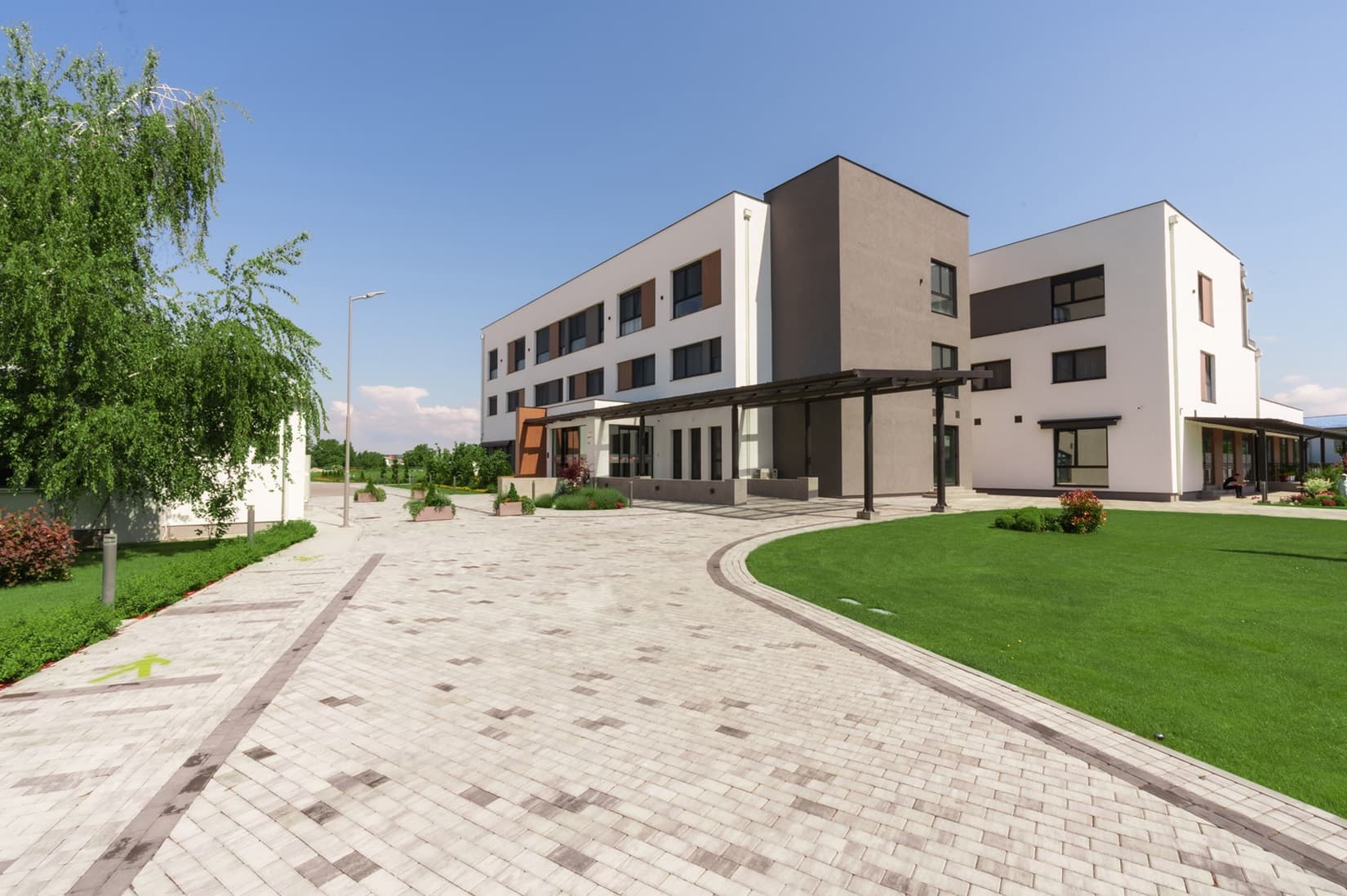
- International patient support in Serbia. We help make treatment abroad more comfortable and less stressful. The program may include airport pickup, accommodation close to hotel-level comfort, meals, interpreter support, and coordination throughout the stay. Patients have 24/7 access to medical staff, and the clinic environment is designed to feel more welcoming than a typical hospital, with accessibility support for patients with limited mobility.



Talk to Swiss Medica About Your Neuropathy Symptoms
If neuropathy affects your sleep, walking, sensation, or independence, start with a medical review. Swiss Medica doctors can assess your symptoms, previous treatments, and overall health to understand whether stem cell therapy for neuropathy may be appropriate as part of a broader care plan.
Send a request
Book a free consultation to learn what options may be suitable in your case.
Medical Advisor, Swiss Medica doctor
Frequently Asked Questions
1. Can stem cells “repair” neuropathy?
Stem cells may support repair-related processes in selected patients, but “repair” should be understood cautiously. In neuropathy care, potential benefits may include reduced inflammation, better local support around damaged nerves, and gradual functional improvements such as less pain, better sleep, improved sensation, or steadier walking. Results depend on the cause, severity, and duration of nerve damage.
2. Is stem cell therapy for neuropathy a cure?
Stem cell therapy should not be presented as a cure for neuropathy. Some patients may notice less pain, better sleep, improved sensation, or more stable walking, while others may have limited change. Outcomes vary.
3. Can stem cell therapy help diabetic neuropathy?
Diabetic neuropathy is one of the neuropathy types most often studied in cell therapy research. Some studies report improvements in symptoms and nerve function measures. Blood sugar control, foot care, and standard medical management remain essential.
4. Can stem cell therapy help peripheral neuropathy?
Peripheral neuropathy is a broad term. The potential benefit depends on the cause of nerve damage, how advanced it is, and whether there is still recoverable nerve function.
5. How effective is stem cell therapy for neuropathy?
Research and clinical practice have shown encouraging improvements in some patients, including symptom relief and better daily function. However, the response is highly individual. Results depend on the type of neuropathy, the cause and severity of nerve damage, the patient’s overall health, and how well the underlying condition is managed.
6. How long does it take to notice changes after treatment?
There is no single timeline. Some patients notice early changes within 1–3 months, such as better sleep, mood, energy, or reduced fatigue. The main response is usually assessed within 3–6 months, when improvements in pain, mobility, speech, focus, behavior, or rehabilitation tolerance may become more noticeable.
Nerve recovery is usually gradual and depends on diagnosis, baseline damage, overall health, and rehabilitation.
7. What is the most effective treatment for neuropathy?
The most effective treatment depends on the cause of neuropathy. In many cases, care combines several approaches agreed with a doctor, such as glucose control, vitamin correction, autoimmune treatment, pain medication, physical therapy, balance training, or foot care. The goal is not only to reduce symptoms, but also to manage the condition driving nerve damage and support daily function.
8. What are the side effects of stem cell therapy?
Possible stem cell therapy side effects may include temporary fever, fatigue, headache, constipation, sleep changes, or local pain and swelling. In most cases, these reactions are mild and pass within a few hours, but patients should still be monitored by the medical team after treatment.
9. Who may not be a good candidate for stem cell treatment?
Patients with acute infection, active or suspected cancer, serious uncontrolled illness, recent major vascular or neurologic events, or other contraindications may not be suitable. Very advanced nerve damage may also limit expected benefit. However, the final decision can only be made after an individual medical consultation and a detailed review of the patient’s condition and medical records.
10. How much does stem cell therapy cost?
There is usually no single fixed price. Cost depends on diagnosis, severity, diagnostics, cell preparation, procedures, rehabilitation, length of stay, and follow-up. Patients should compare full treatment programs, not only injection prices.
List of References:
Alizadeh, S.D., Jahani, S., Rukerd, M.R.Z. et al. Human studies of the efficacy and safety of stem cells in the treatment of diabetic peripheral neuropathy: a systematic review and meta-analysis. Stem Cell Res Ther 15, 442 (2024). https://doi.org/10.1186/s13287-024-04033-3
American Diabetes Association Professional Practice Committee for Diabetes*. 12. Retinopathy, Neuropathy, and Foot Care: Standards of Care in Diabetes-2026. Diabetes Care. 2026 Jan 1;49(Supplement_1):S261-S276. doi.org/10.2337/dc26-S012
Wang C, Chen S and Jiang W (2022) Treatment for chemotherapy-induced peripheral neuropathy: A systematic review of randomized control trials. Front. Pharmacol. 13:1080888. doi.org/10.3389/fphar.2022.1080888
Rajabally YA. Chronic Inflammatory Demyelinating Polyradiculoneuropathy: Current Therapeutic Approaches and Future Outlooks. Immunotargets Ther. 2024 Feb 26;13:99-110. doi.org/10.2147/ITT.S388151
Obeid R, Andrès E, Češka R, Hooshmand B, Guéant-Rodriguez RM, Prada GI, Sławek J, Traykov L, Ta Van B, Várkonyi T, Reiners K, The Vitamin B Consensus Panelists Group. Diagnosis, Treatment and Long-Term Management of Vitamin B12 Deficiency in Adults: A Delphi Expert Consensus. J Clin Med. 2024 Apr 10;13(8):2176. doi.org/10.3390/jcm13082176
Wang, Y., Yi, H. & Song, Y. The safety of MSC therapy over the past 15 years: a meta-analysis. Stem Cell Res Ther 12, 545 (2021). https://doi.org/10.1186/s13287-021-02609-x


MD, Pediatrician, Regenerative Medicine Specialist