 swiss medicaXXI century S.A.
Cómo las terapias modernas con células madre pueden apoyar el desarrollo de su hijo con autismo
Nuestros programas de terapia celular han sido desarrollados para ayudar a aliviar los síntomas del autismo, reducir los retrasos en el desarrollo y mejorar la calidad de vida de los niños y de sus padres.
Hasta el 80% de los niños muestran mejoras en el comportamiento social
Ya hemos acompañado a más de 3.000 niños con TEA y hemos ayudado a muchas familias a observar cambios positivos — algunos notables, otros más pequeños, pero cada uno de ellos puede marcar una diferencia importante en la vida diaria del niño.
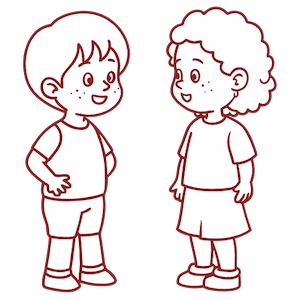
Comunicación mejorada
Los niños suelen desarrollar mejores habilidades de comunicación verbal y no verbal.

Interacción social mejorada
Muchos niños muestran un mayor interés por comunicarse y relacionarse con sus compañeros y familiares.
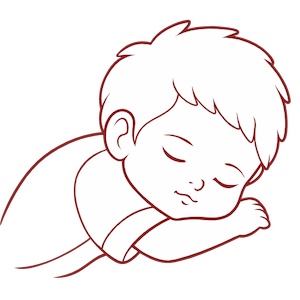
Mejores patrones de sueño
Con frecuencia se observan mejoras significativas en la calidad y la duración del sueño.
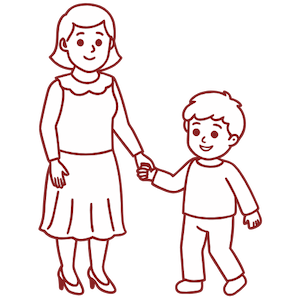
Menos dificultades de comportamiento
Los comportamientos agresivos o autolesivos suelen reportarse con menor frecuencia.
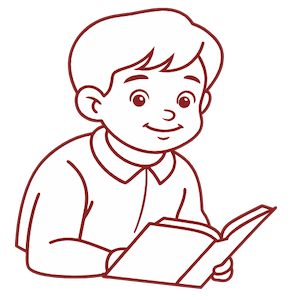
Mejor concentración y atención
En muchos casos se observa una mejor capacidad de concentración y una reducción de la hiperactividad.

Mejor salud digestiva
Mejora de la digestión y reducción de trastornos gastrointestinales, como hinchazón e intolerancias alimentarias.
Lo que cuentan nuestros pacientes
Una mirada a las experiencias de padres que comparten su camino con nosotros.
Cómo la terapia con células madre puede apoyar a los niños con autismo
Los trastornos del espectro autista (TEA) no tienen una única causa, y cada niño tiene necesidades individuales. En algunos niños, los síntomas del TEA pueden estar asociados con procesos inflamatorios, desequilibrios del sistema inmunitario, problemas metabólicos u otros factores biológicos que pueden influir en el sueño, la atención, el comportamiento, la digestión, el aprendizaje y la comunicación.
En Swiss Medica utilizamos células estromales mesenquimales (MSC) cuidadosamente analizadas, obtenidas de forma ética y no embrionarias. Estas células se seleccionan por su perfil de seguridad y sus propiedades de apoyo e inmunorregulación. La dosis se calcula individualmente para cada niño, y cada tratamiento se realiza bajo supervisión médica.
Estas terapias pueden apoyar al organismo mediante varios mecanismos:
-
Apoyo a la regulación de la inflamación y de las respuestas inmunitarias
Las MSC pueden liberar señales antiinflamatorias e inmunomoduladoras. Esto puede ser especialmente relevante, ya que podría apoyar la comunicación, la interacción social y las habilidades adaptativas — áreas que influyen de forma significativa en la calidad de vida de los niños con TEA. -
Apoyo a la comunicación celular
Las MSC y los exosomas liberan moléculas biológicamente activas que pueden contribuir a crear un entorno más favorable para la comunicación entre células, incluidas las células del sistema nervioso. -
Apoyo a una circulación sanguínea saludable y a la nutrición de los tejidos
Las MSC pueden liberar factores de crecimiento que apoyan la formación de nuevos vasos sanguíneos y pueden contribuir a mejorar el suministro de oxígeno y nutrientes a los tejidos.
Lea nuestro estudio sobre la terapia con MSC en niños con TEA, en el que analizamos el perfil de seguridad y los efectos observados.
Ver la investigación sobre eficacia¿Podría la terapia con células madre ser adecuada para su hijo?
No hay preguntas tontas. La terapia con células madre muestra potencial, pero la información contradictoria sobre su seguridad y eficacia puede generar incertidumbre en los padres. Además, muchos médicos no cuentan con la experiencia específica necesaria para ofrecer una orientación clara sobre este tema.
Hable con un experto en medicina regenerativa que le dará respuestas honestas y comprensibles, analizará sus preguntas con paciencia y le ayudará a evaluar sus opciones de forma realista.
- Comprenda si esta terapia podría ser adecuada para su hijo. Escucharemos sus preocupaciones, evaluaremos la situación de su hijo y explicaremos si la terapia con células madre podría ser apropiada.
- Sepa qué esperar antes de tomar una decisión. Recibirá una evaluación clara y honesta de los posibles beneficios, riesgos, limitaciones y próximos pasos realistas.
- Pregunte todo lo que le preocupe. Puede hablar sobre el procedimiento, la seguridad, los plazos, los posibles resultados y cualquier inquietud que tenga.
- Siéntase apoyado — sin presión. La consulta es informativa y confidencial. No está obligado a decidirse por el tratamiento.
Reserve una consulta sin compromiso con nuestros asesores médicos para saber si la terapia con células madre podría ser adecuada para su hijo. La consulta es completamente confidencial y no tiene que encender la cámara si prefiere no hacerlo.

Asesora médica, médica de Swiss Medica
El momento adecuado es esencial para un apoyo eficaz
Para niños con autismo, la intervención temprana es fundamental para lograr los mejores resultados posibles con el tratamiento con células madre. Para ayudar a maximizar la eficacia de esta terapia, recomendamos tener en cuenta los siguientes criterios:
-
Rango de edad
Idealmente, niños de entre 3 y 10 años. -
Apoyo para síntomas relacionados
La terapia puede ser especialmente útil para niños que también presentan dificultades para dormir, problemas gastrointestinales, problemas de atención o dificultades en el procesamiento sensorial. -
Salud psiquiátrica
Antes de considerar la terapia con células madre, los padres deben asegurarse de que el niño no tenga condiciones psiquiátricas diagnosticadas. -
Participación activa de los padres
Padres que participan activamente en el desarrollo de su hijo mediante actividades como terapia del habla, terapia ocupacional, terapia ABA y otros programas de desarrollo.
Una clínica adaptada a los niños con apoyo médico integral
El nuevo hospital de Swiss Medica en Belgrado, inaugurado en 2024, fue diseñado para acompañar adecuadamente a los niños y sus familias durante todo el tratamiento.
- Entorno tranquilo. Salas de tratamiento cómodas y un entorno predecible para niños con TEA.
- Atención médica 24/7. Los médicos y el personal de enfermería están siempre cerca.
- Procedimientos con el menor estrés posible. Nuestro equipo ayuda a que los análisis de sangre, las infusiones y otros pasos sean lo más suaves posible.
- Estancia con la familia. Hasta dos familiares acompañantes pueden alojarse y comer gratuitamente en el hospital durante el tratamiento del niño.
- Zona familiar separada. Las familias con niños se alojan en un área dedicada del hospital, separada de otros grupos de pacientes — para mayor comodidad y privacidad.
- Apoyo para las familias. Comidas adaptadas, coordinadores, traslados, alojamiento y comunicación después del tratamiento.
- Instalaciones accesibles. Rampas, ascensores, habitaciones adaptadas, circulación sin barreras y traslados accesibles desde o hacia el aeropuerto cuando sea necesario.
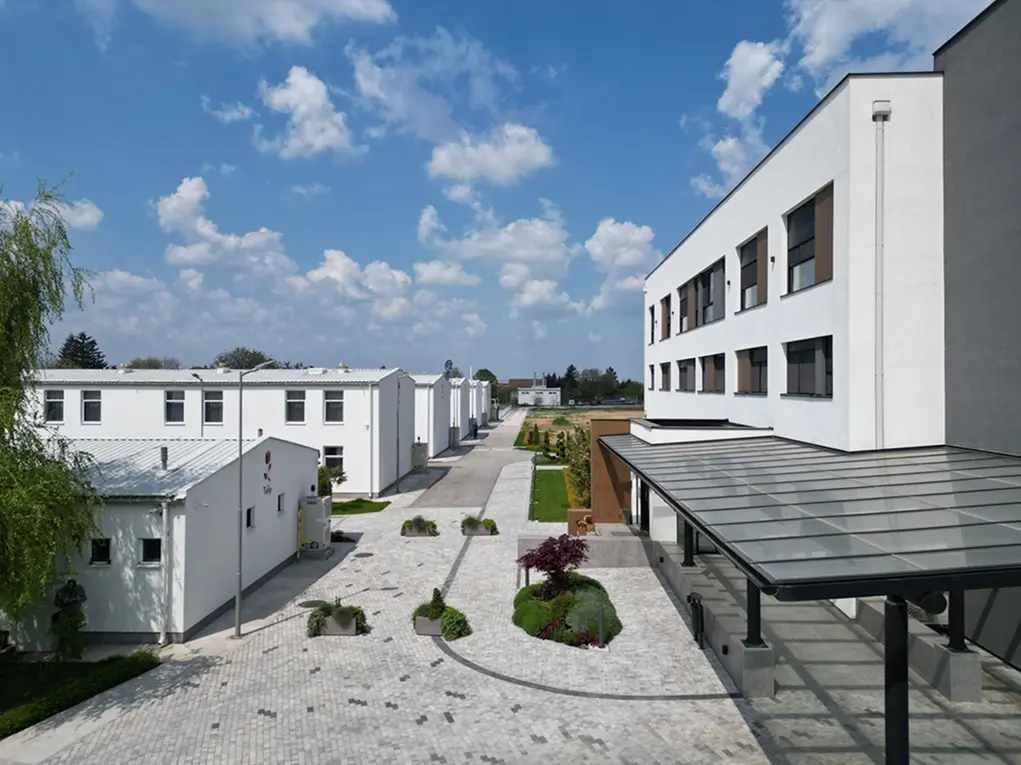
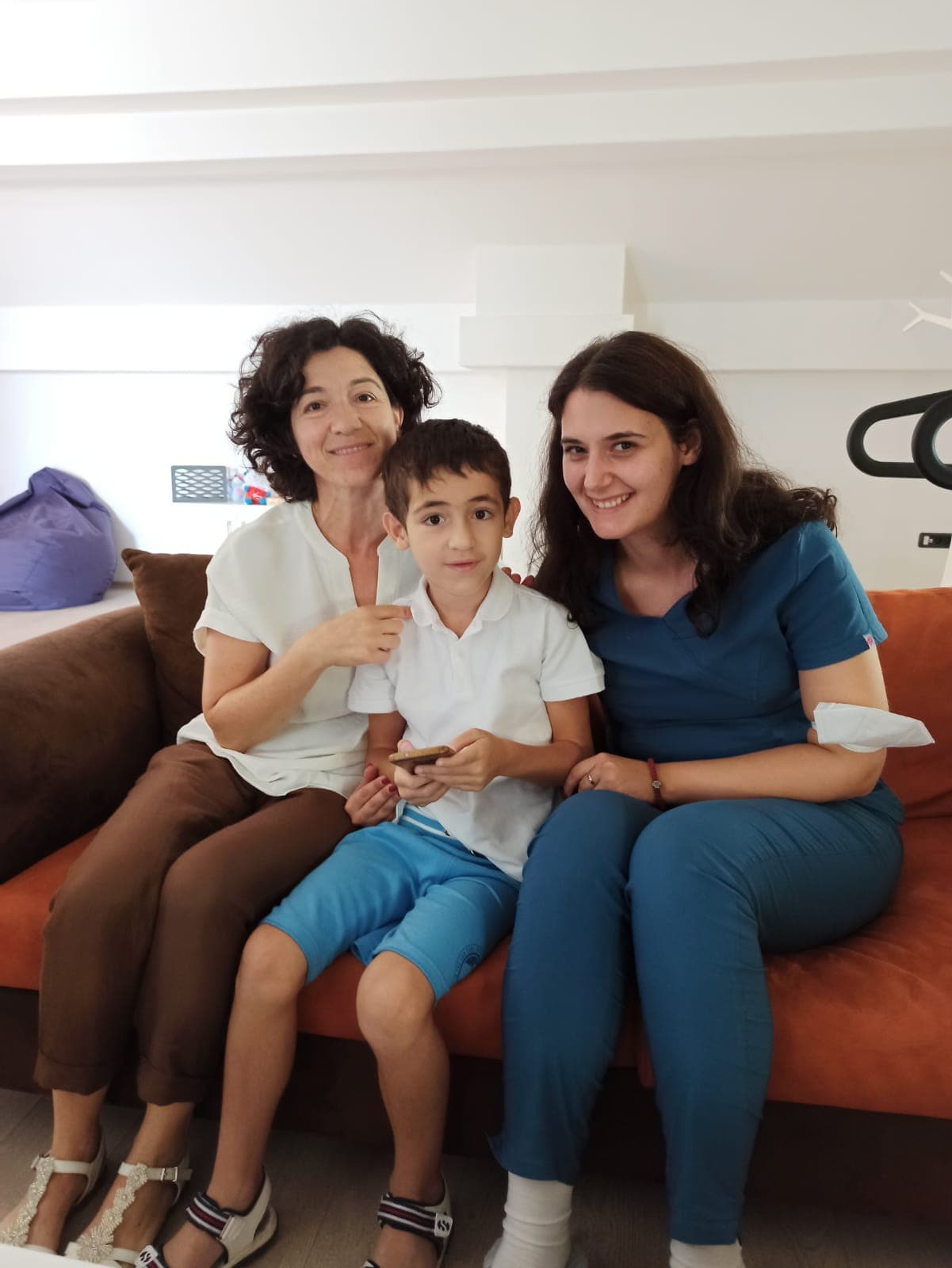
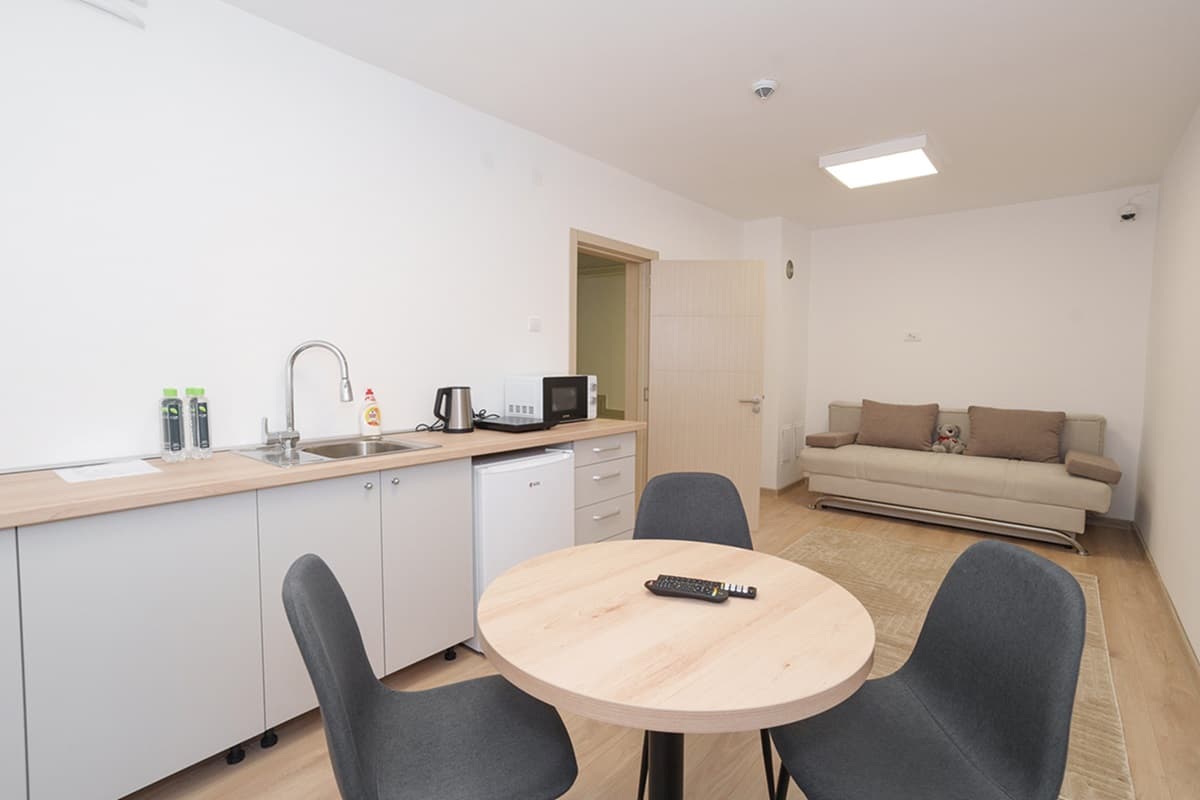
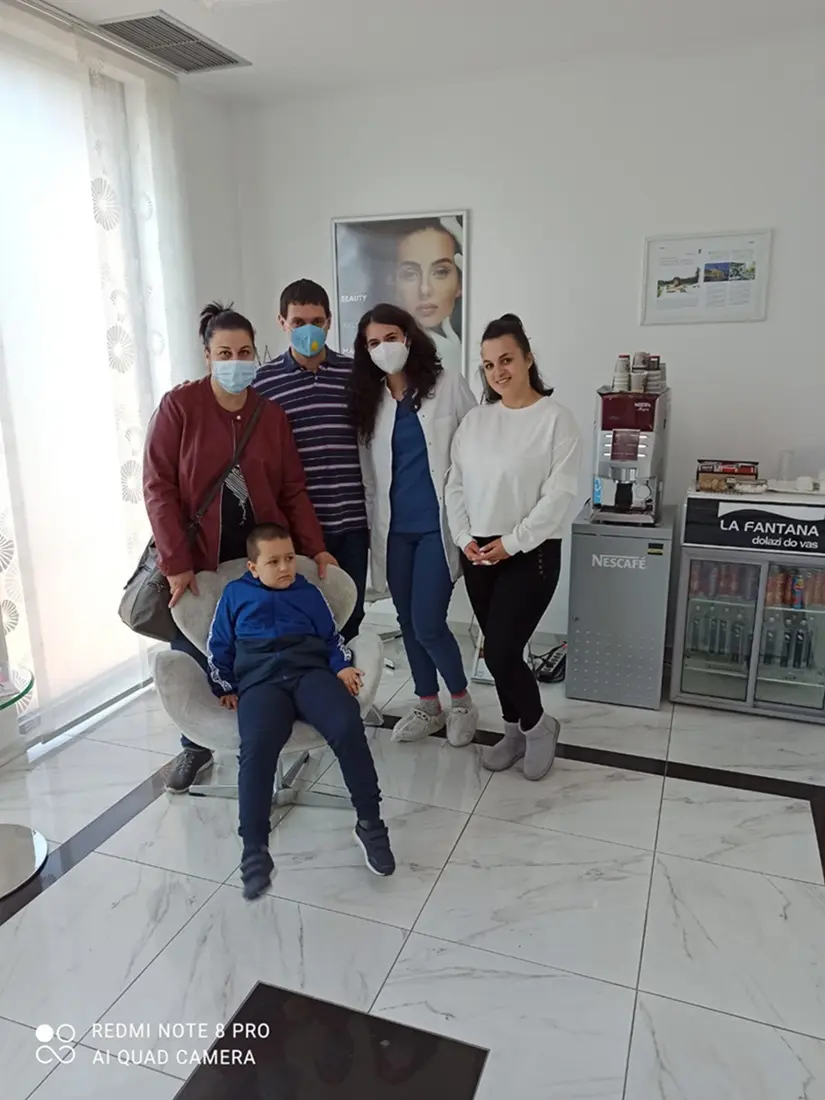
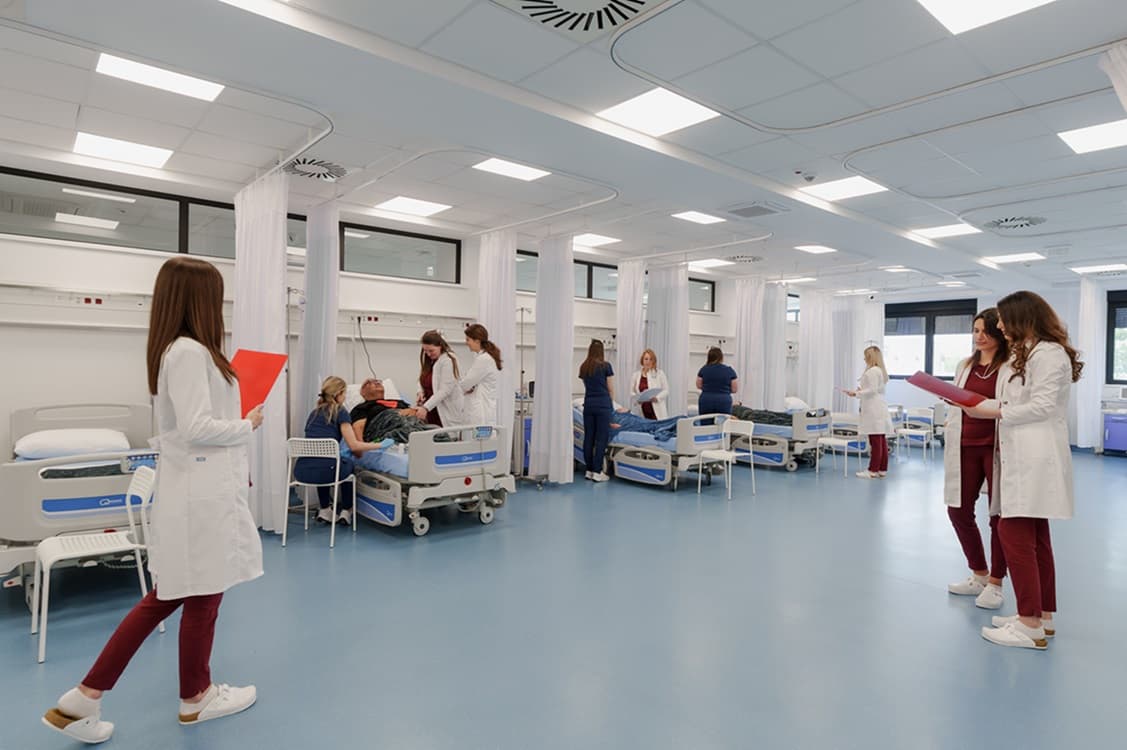
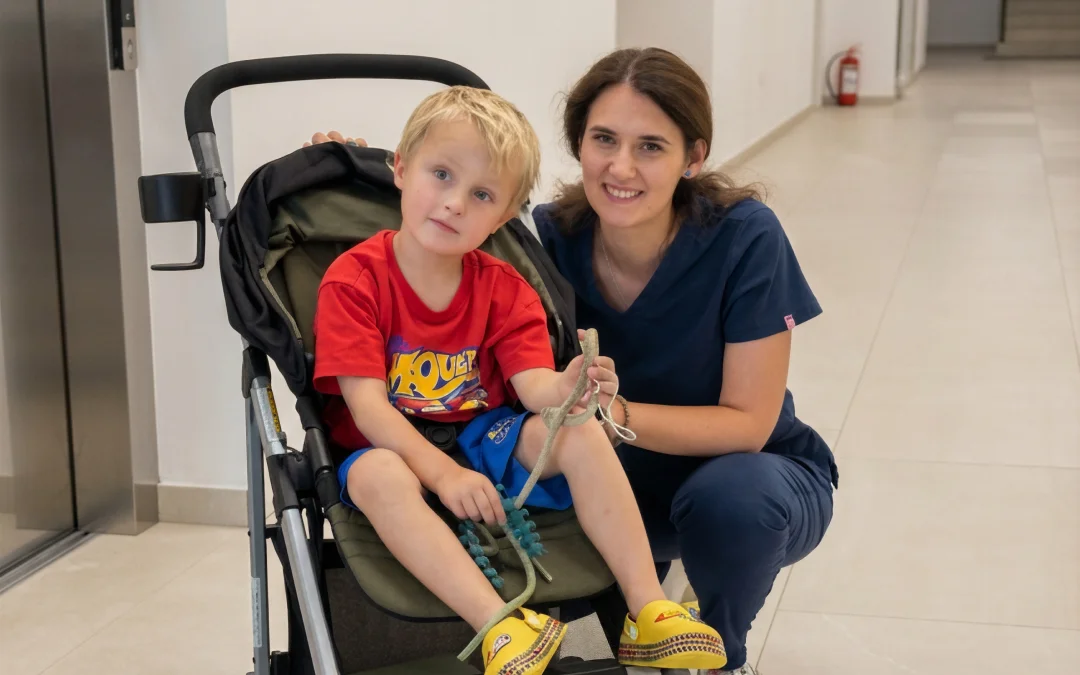
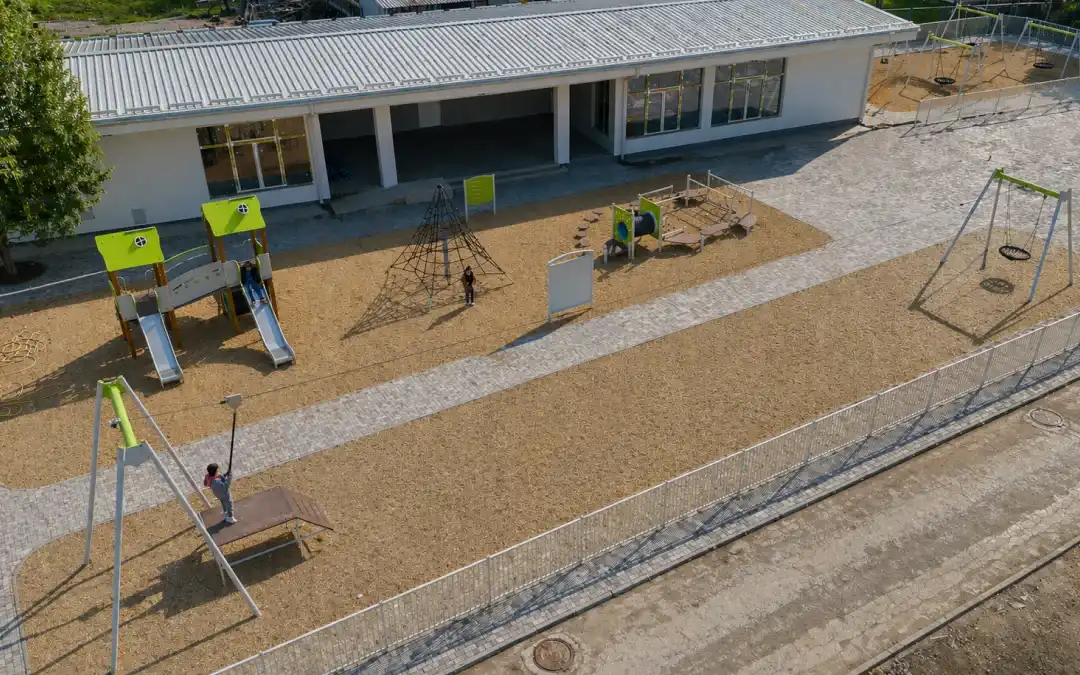
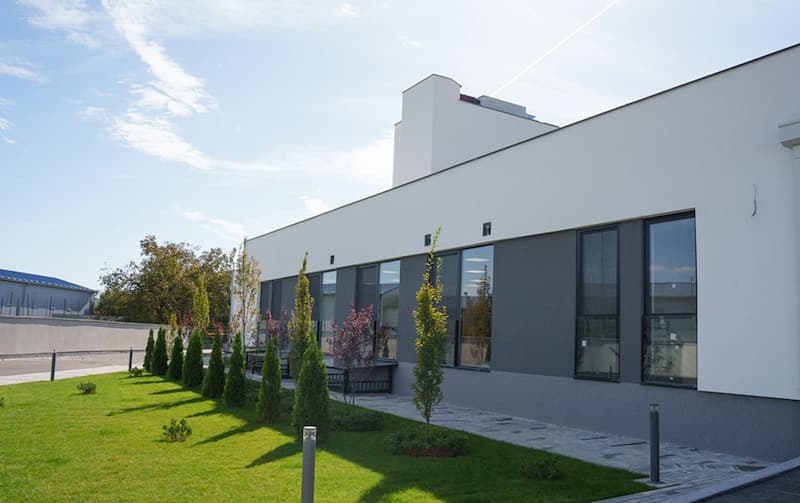
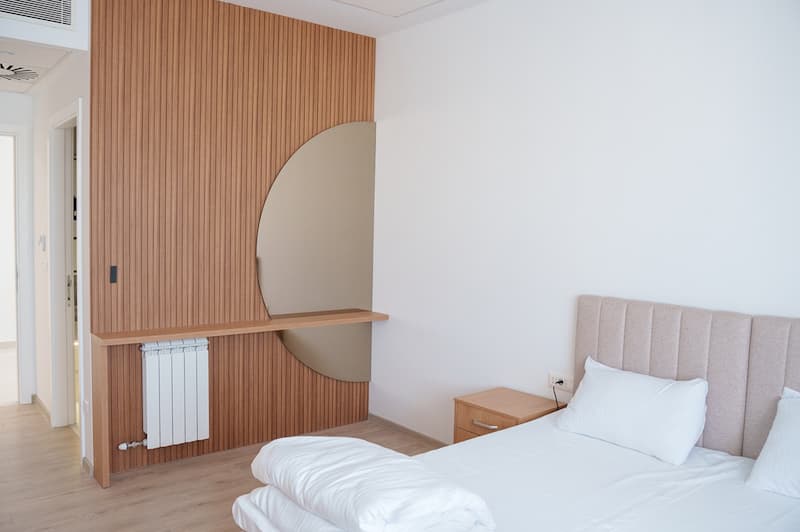
Nuestro nuevo hospital en Belgrado fue diseñado pensando en la comodidad y ofrece un entorno moderno, acogedor y relajante.
Nuestro programa de tratamiento: qué esperar
Gracias a nuestra amplia experiencia, hemos desarrollado un proceso de tratamiento seguro, completo y centrado en el paciente, adaptado al perfil de salud individual de cada niño.
-
1
Evaluación de idoneidad
Hable con nuestros expertos sobre las necesidades individuales de su hijo y averigüe si el tratamiento puede considerarse. Nuestros médicos cualificados realizan una evaluación médica detallada, revisan la documentación médica, las pruebas diagnósticas y los estudios de imagen para valorar el estado general de salud y la idoneidad para la terapia con células madre. -
2
Desarrollo del plan de tratamiento
Con base en la evaluación médica, nuestros médicos recomiendan uno de nuestros programas de tratamiento para el autismo — según la edad, el diagnóstico, el estado de salud actual, los antecedentes médicos y las necesidades individuales de su hijo. Cada programa sigue un protocolo probado clínicamente. El tratamiento suele durar entre 3 y 9 días. Por razones de seguridad, los médicos determinan la dosis de forma individual para cada niño según su peso corporal. -
3
Preparación de las células madre
Obtenemos las células madre de fuentes donantes fiables — cordón umbilical o placenta — y las preparamos en nuestro laboratorio mediante pruebas, cultivo y activación. -
4
Administración
Las células madre y los exosomas se administran mediante procedimientos suaves y mínimamente invasivos, similares a actos médicos habituales como una extracción de sangre o una infusión intravenosa. Si un niño está muy ansioso o no puede permanecer quieto, el médico puede recomendar una sedación ligera para que el procedimiento sea más tranquilo y seguro. Esta decisión se toma de forma individual y solo cuando es necesario — bajo supervisión médica continua. -
5
Terapia de apoyo adicional
Durante la estancia se incluye logopedia para apoyar la comunicación y el aprendizaje. Nuestra terapeuta evalúa las necesidades comunicativas del niño, adapta los ejercicios individualmente y proporciona a los padres herramientas prácticas para continuar el apoyo en casa. El trabajo continuo en el desarrollo sigue siendo esencial después del programa de tratamiento. -
6
Seguimiento
Después del programa en la clínica, su hijo continúa con cuidados de apoyo en casa para prolongar y reforzar los efectos del tratamiento. Según el protocolo, esto puede incluir gotas intranasales con exosomas MSC durante 5 semanas e inhalaciones diarias con secretoma de macrófagos durante 20 días. Nuestro equipo médico permanece en contacto después del alta, responde preguntas, acompaña la etapa en casa y ayuda a seguir el progreso de su hijo. -
7
Revisión final gratuita
También ofrecemos una revisión gratuita en la clínica dentro de los 3 a 6 meses. Esta visita es opcional, pero se recomienda para hablar sobre los cambios, evaluar el desarrollo de su hijo y ajustar el apoyo posterior si es necesario. El alojamiento y las comidas están incluidos durante la visita de revisión — usted solo cubre los gastos de viaje.
Cómo garantizamos la seguridad de nuestras terapias con células madre
-
Laboratorio interno moderno certificado GMP
Nuestro laboratorio nos permite procesar y preparar células madre en condiciones controladas. Así podemos proporcionar a los pacientes productos celulares frescos y de alta calidad — sin retrasos asociados a laboratorios externos. También ofrece a las familias la posibilidad de almacenar células a largo plazo para un uso futuro, cuando sea médicamente apropiado.
-
Control de calidad riguroso de las células madre
El laboratorio en nuestras instalaciones permite un control de calidad rápido y preciso. Cada producto a base de células madre se analiza minuciosamente varias veces para garantizar su seguridad y calidad.
-
Cribado de seguridad antes del tratamiento
Antes de iniciar el tratamiento, cada niño pasa por una etapa diagnóstica que ayuda a mantener el mayor nivel de seguridad posible. Esto incluye análisis de laboratorio para descartar posibles contraindicaciones antes de la terapia celular.
-
Dosificación individual
Adaptamos la dosis de células madre de forma individual para favorecer un resultado terapéutico óptimo y minimizar los riesgos.
Vea nuestro laboratorio en acción. En el video obtendrá una visión de nuestras instalaciones y de nuestros estrictos protocolos de seguridad.
Descubra los productos utilizados en terapias celulares y regenerativas
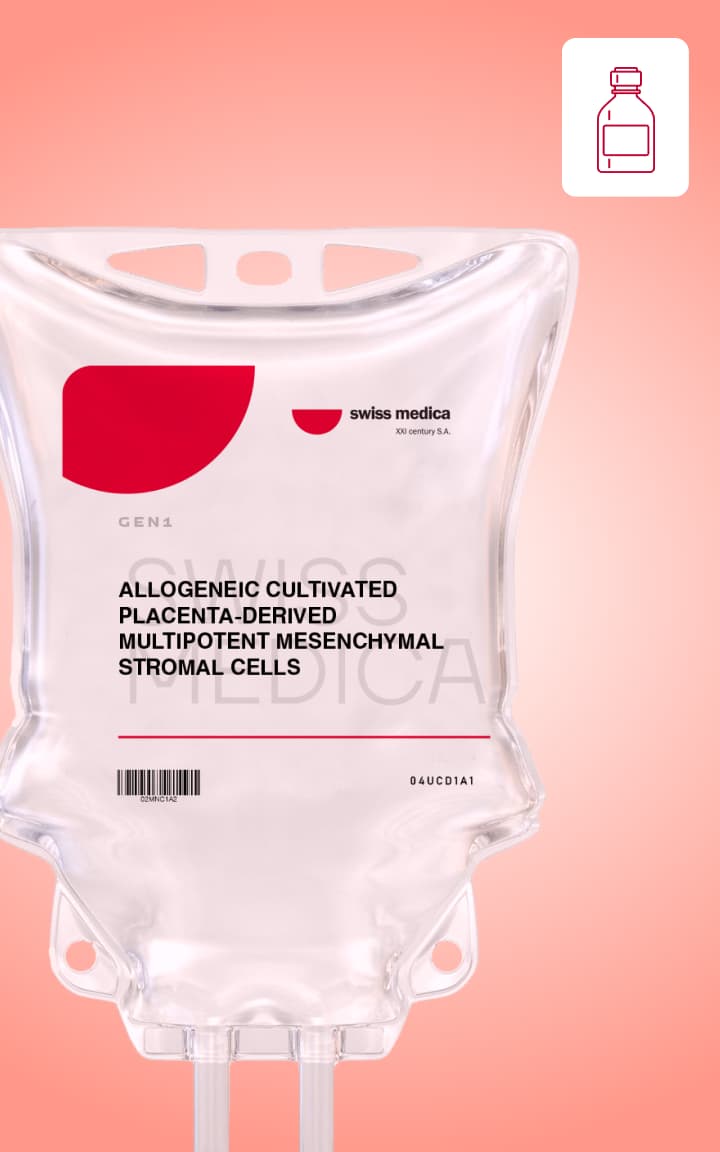
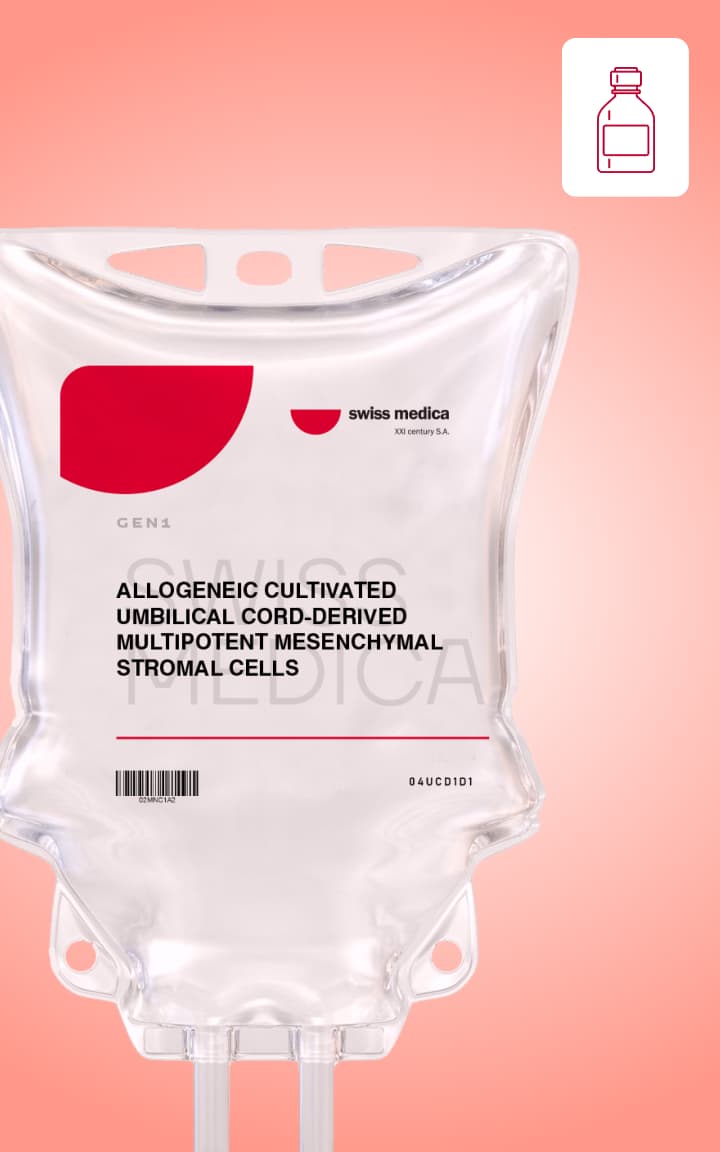
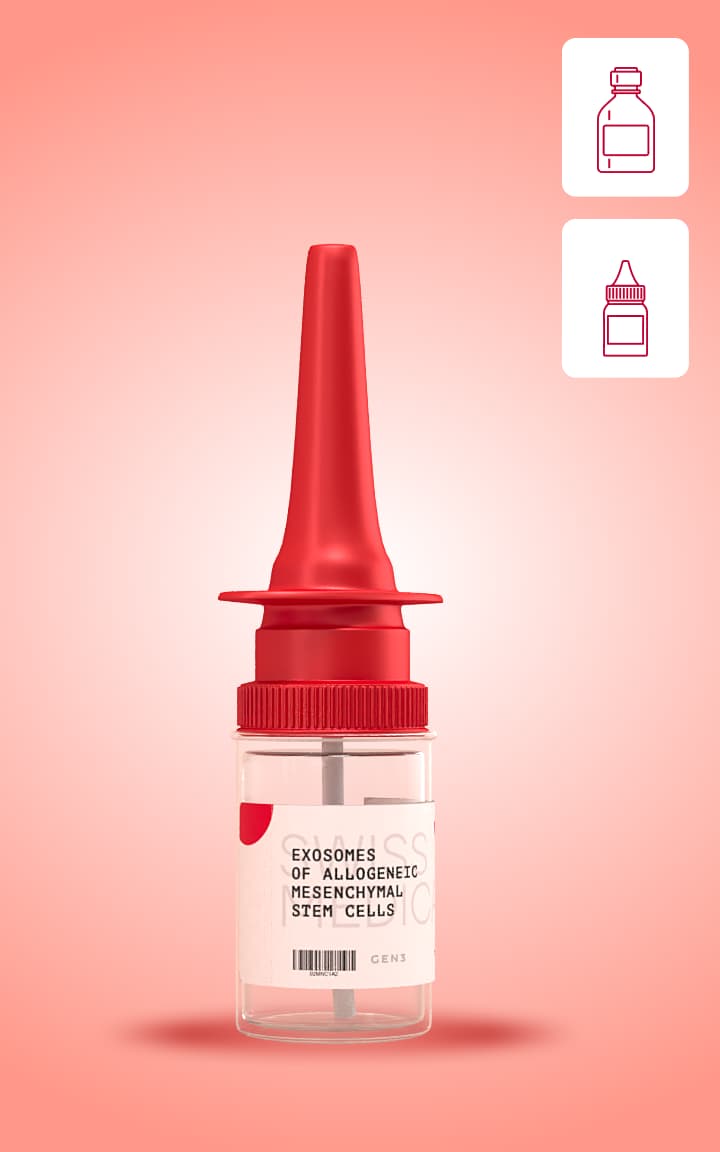
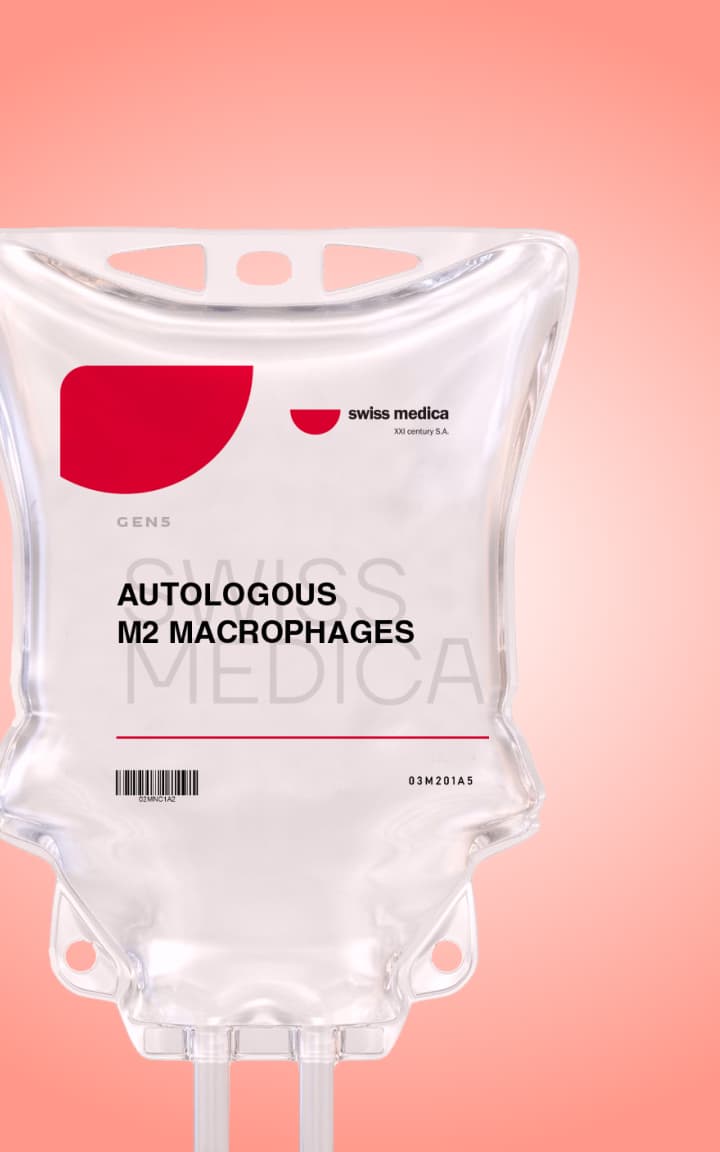
En nuestro laboratorio interno producimos más de 31 tipos de productos biomédicos. En los programas para el autismo, los médicos pueden utilizar MSC procedentes de cordón umbilical y placenta donados, exosomas y secretoma que contienen moléculas activas, así como macrófagos M2 que pueden contribuir a regular los procesos inflamatorios.
El médico selecciona el producto celular específico en función de las necesidades individuales y del estado médico de su hijo.
Conozca más sobre Swiss Medica
- Desde 2011 Swiss Medica se ha convertido en un centro médico líder especializado en terapias regenerativas modernas y terapias con células madre. Fundada originalmente en Suiza, nos hemos expandido a Serbia, donde operamos en Belgrado un hospital multifuncional completamente equipado.
- 10.000+ Swiss Medica ha tratado y acompañado a pacientes de todo el mundo con una amplia variedad de enfermedades y problemas de salud — sin efectos adversos graves.
- 3.000+ Niños con autismo han recibido terapia con células madre y han mostrado mejoras alentadoras y potencial a largo plazo.
- Laboratorio interno Hemos creado nuestro propio laboratorio certificado GMP para garantizar que nuestros productos a base de células madre cumplan con los más altos estándares de calidad.
- Atención médica 24/7 Nuestro hospital está equipado con tecnología médica moderna, y nuestro equipo de médicos y enfermeros está disponible las 24 horas para garantizar atención y apoyo continuos.
- Más de 50 métodos de rehabilitación Trabajamos con tecnologías modernas y utilizamos diversos programas para mejorar la calidad de los resultados del tratamiento — incluidos productos a base de células madre, terapia IMR, PRP, fisioterapia y otros métodos.
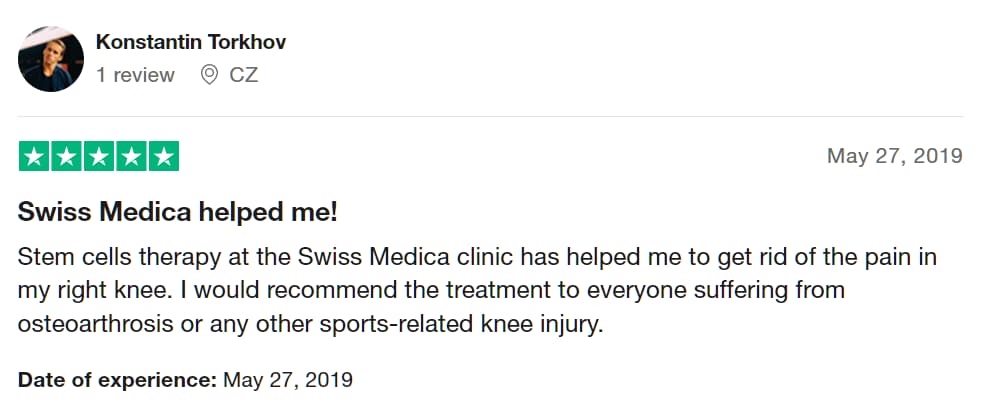
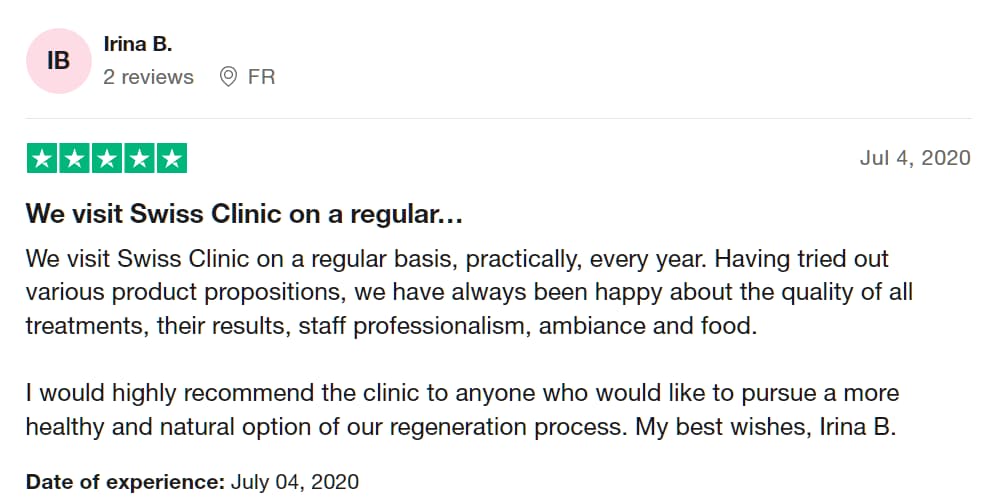
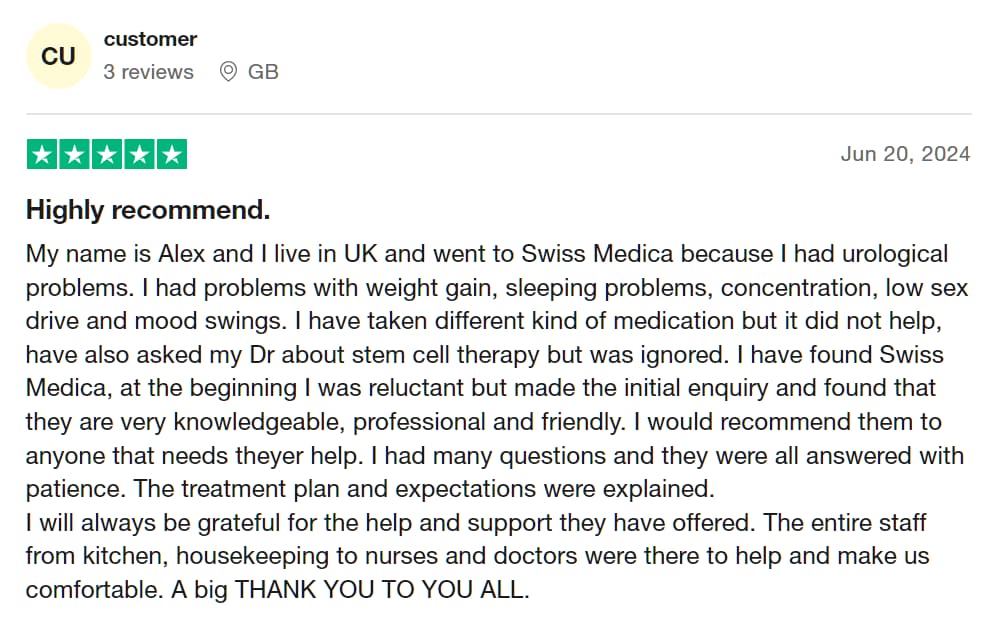
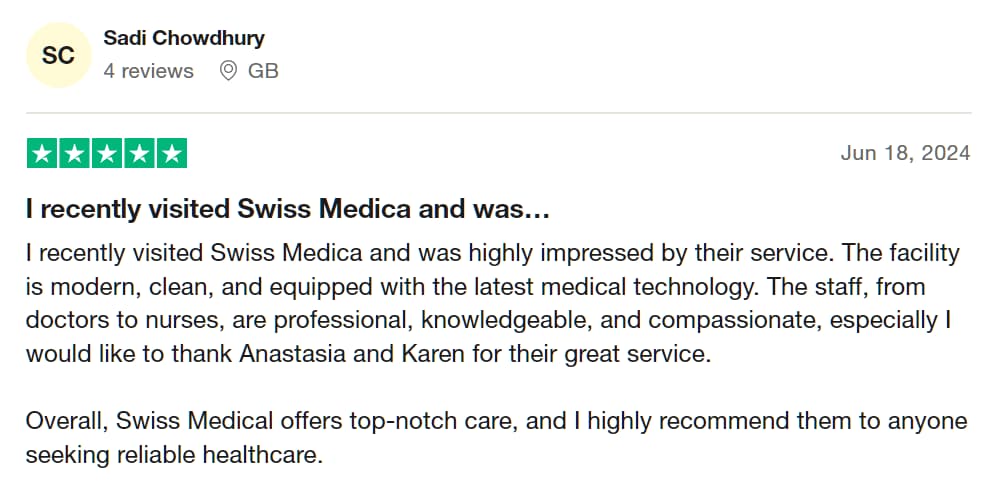
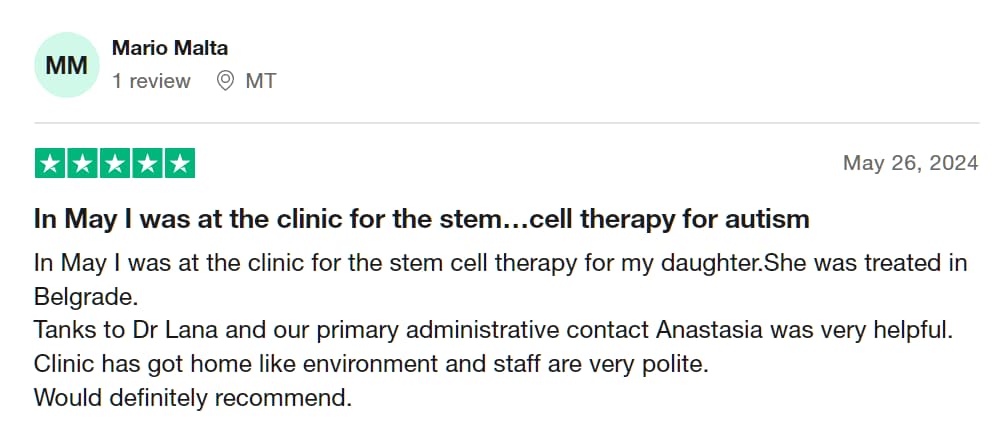
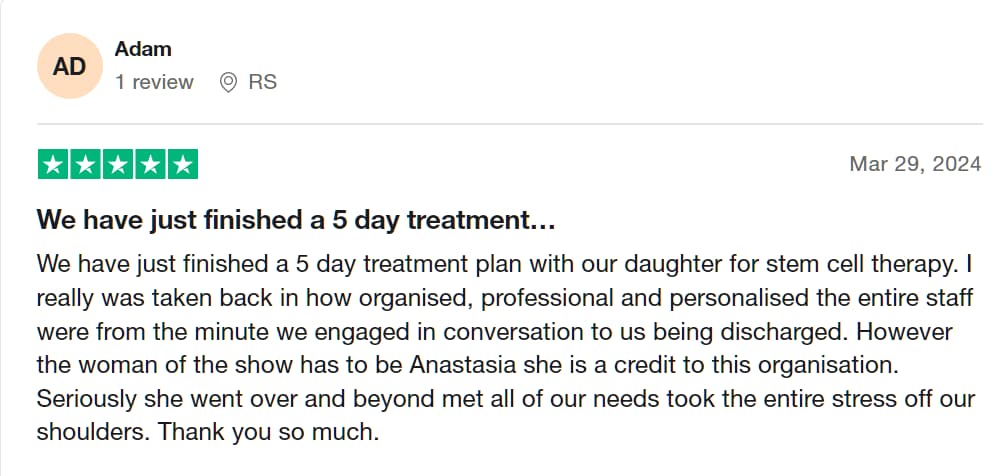
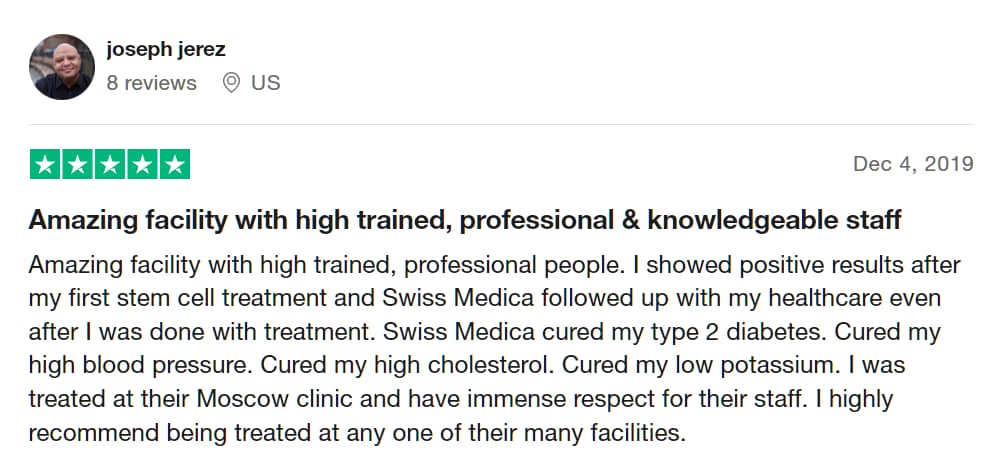
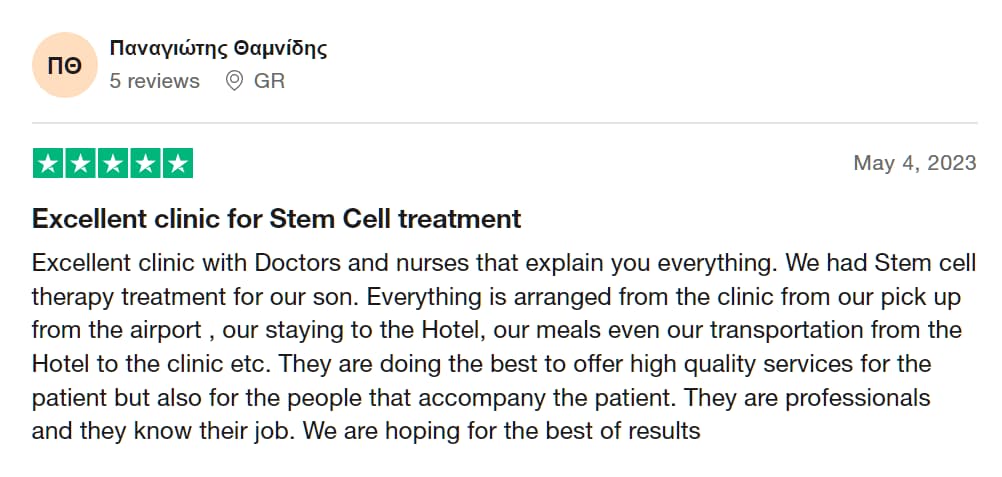
Lo que dicen los pacientes sobre nosotros en plataformas independientes
Próximos pasos: descubra las posibilidades de la medicina regenerativa
Le invitamos a conocer de primera mano nuestro programa completo. Durante una consulta sin compromiso con nuestros especialistas, obtendrá una comprensión más profunda del tratamiento y de sus posibles beneficios.
Si decide dar el siguiente paso, este proceso le guiará durante la inscripción.
-
1
Reserve una consulta gratuita
Contacte con Swiss Medica rellenando el formulario — sin ningún compromiso. También puede elegir una conversación con el médico por videollamada. La cámara ayuda a evaluar mejor el estado del paciente durante la consulta. -
2
Compruebe si el tratamiento es adecuado
Nos tomamos la evaluación muy en serio. Un equipo de médicos cualificados, con experiencia en diferentes áreas médicas, revisa cuidadosamente el historial médico para determinar si la terapia con células madre podría ser una opción adecuada para su hijo. -
3
Selección del protocolo de tratamiento adecuado
Si su hijo es apto, el médico recomienda uno de nuestros protocolos establecidos para el autismo y lo adapta a la edad, el peso, las necesidades de salud y los objetivos de desarrollo del niño. Le acompañamos durante todo el proceso, ofrecemos recomendaciones y, al mismo tiempo, respetamos sus decisiones. -
4
Reciba un programa todo incluido sin costes ocultos
Recibirá un programa que cubre todo, desde la preparación hasta el seguimiento. Ofrecemos apoyo adicional, incluidos traslados desde el aeropuerto, ayuda con la traducción si es necesario y comidas adaptadas a las necesidades de su hijo.
Reserve una consulta sin compromiso con nuestros asesores médicos para saber si la terapia con células madre podría ser adecuada para su hijo. La consulta es completamente confidencial y no tiene que encender la cámara si prefiere no hacerlo.
Asesora médica, médica de Swiss Medica
Preguntas frecuentes
Aquí encontrará información general. Sin embargo, recomendamos reservar una consulta online privada y sin compromiso con nuestros asesores médicos. Podrán responder a sus preguntas individuales y evaluar su caso de forma completa.
¿Tiene más preguntas? Haga clic en el enlace de abajo para abrir nuestra sección completa de preguntas frecuentes.
Nuestra sección de FAQ¿Puede la terapia con células madre curar el autismo?
La terapia con células madre no representa una cura completa para el autismo. Cualquier persona que afirme que las células madre pueden curar por completo el autismo probablemente no está ofreciendo información correcta.
Dado que las causas exactas del TEA aún no se comprenden por completo, el objetivo de la terapia es aliviar los síntomas y apoyar el desarrollo de habilidades importantes. Las MSC pueden tener efectos positivos, por ejemplo, al reducir la inflamación y modular las respuestas inmunitarias. Sin embargo, las afirmaciones sobre una cura completa deben considerarse con cautela.
¿Qué tipos de células utilizamos?
En Swiss Medica utilizamos células madre mesenquimales de donantes, obtenidas de tejido de cordón umbilical. Proceden de fuentes éticas después de partos sanos — sin utilizar células embrionarias.
Las MSC derivadas del tejido de cordón umbilical suelen ser bien toleradas y tienen un menor riesgo de rechazo inmunitario. Sus propiedades antiinflamatorias e inmunomoduladoras pueden apoyar a los niños con autismo, especialmente cuando la neuroinflamación desempeña un papel.
¿Es segura la terapia con células madre?
La seguridad y el bienestar de su hijo son la prioridad de Swiss Medica.
La terapia con MSC ha sido ampliamente estudiada en términos de seguridad. Compartimos los resultados de investigaciones actuales al final de esta página. Cada niño recibe una dosis calculada individualmente, adaptada a sus necesidades y a su peso corporal.
Nuestras MSC proceden de cordones umbilicales y placentas donados después de partos sanos. Se obtienen en condiciones estériles de donantes cuidadosamente seleccionados y se analizan para detectar contaminación bacteriana, fúngica y viral, así como para verificar la estabilidad genética y la viabilidad celular.
¿El procedimiento es doloroso?
El trasplante de células madre en niños está diseñado para ser lo más suave y cómodo posible. Las células madre suelen administrarse mediante infusiones intravenosas, que generalmente se toleran bien.
Algunos niños pueden sentir una ligera molestia en el lugar de la inyección — similar a la que se experimenta después de una vacunación rutinaria. Esta molestia suele ser breve y desaparece rápidamente. Hacemos todo lo posible para que la experiencia de su hijo sea lo más fluida y delicada posible.
Mi hijo tiene miedo a los médicos y a las agujas. ¿Qué podemos hacer?
Nuestros médicos tienen muchos años de experiencia trabajando con niños, incluidos aquellos que reaccionan con ansiedad en entornos médicos. El procedimiento se realiza con calma, en presencia de uno de los padres, y se parece a procedimientos rutinarios como una extracción de sangre o una infusión.
El equipo médico supervisa el estado del niño durante todo el procedimiento y puede adaptar el ritmo o proporcionar apoyo adicional si el niño se pone nervioso.
¿Mi hijo puede tener una reacción alérgica?
Después de la administración de las células, puede aparecer una erupción cutánea que, en algunos casos, puede considerarse una reacción alérgica. Supervisamos cuidadosamente a cada niño para garantizar su seguridad durante toda la terapia.
¿Existen efectos secundarios?
La terapia con células madre no tiene efectos secundarios a largo plazo.
La mayoría de los niños tolera bien la terapia. Las posibles reacciones suelen ser leves y pueden incluir fiebre, dolor de cabeza, escalofríos, erupción cutánea o hinchazón y enrojecimiento localizados en el lugar de la inyección. En ocasiones, puede aparecer un aumento del nivel de actividad después de la terapia. Estos efectos suelen ser temporales y a menudo pueden manejarse con descanso o analgésicos; por lo general desaparecen en poco tiempo.
¿Cuáles son los requisitos de edad para el tratamiento?
Nuestro programa de tratamiento para TEA está generalmente disponible para niños a partir de los 3 años. Los niños de entre 3 y 7 años — y en algunos casos hasta los 10 años — suelen responder mejor a la terapia.
Para niños menores de 3 años, pueden considerarse programas basados únicamente en exosomas. Esto se comenta individualmente con el médico.
¿Cuándo podemos ver resultados?
Los resultados son individuales y generalmente se desarrollan de forma gradual. Los primeros cambios pueden aparecer en un plazo de 1,5 a 3 meses, a veces incluso antes — por ejemplo, un estado de ánimo más tranquilo o un mejor sueño.
El efecto más pronunciado suele observarse entre los 3 y 6 meses, y los avances pueden continuar hasta 12 meses. La terapia con células madre actúa como un tratamiento de apoyo junto con las terapias tradicionales del desarrollo y puede abrir una ventana de oportunidad para un aprendizaje más rápido. Durante este período es especialmente importante continuar con la logopedia, la terapia ocupacional, la terapia conductual y los ejercicios en casa.
¿Existen contraindicaciones?
Entre las posibles contraindicaciones se incluyen enfermedades oncológicas activas, infecciones agudas, trastornos psíquicos y factores individuales como la edad o el peso corporal. No obstante, los médicos analizan el historial médico y la idoneidad individual de cada paciente para evaluar la seguridad y la eficacia de la terapia.