swiss medicaXXI century S.A.
Overcoming drug dependence is a major personal achievement. The path toward a healthier life often begins with detoxification and psychological rehabilitation, but for many people, the journey does not end when substance use stops. Prolonged exposure to medications such as benzodiazepines, barbiturates, or illicit opioids can have a profound impact on different body systems. Even during sustained remission, some individuals experience persistent cognitive fog, fatigue, mood swings, and other symptoms.
Regenerative medicine is investigating whether treatments that help tissues heal and reduce inflammation can help the body return to normal after being exposed to toxins for an extended period. This article looks at the potential effects of long-term use of common sedatives and narcotics on different systems, the reasons why biological recovery can take time, and why stem cells for addiction recovery have become a focus of scientific interest.
Long-Term Effects of Certain Drugs
Different substances cause different lasting effects, but several classes of drugs are known to produce long-term changes when used for extended periods.
Benzodiazepines
Widely prescribed for anxiety and sleep disorders, benzodiazepines enhance the calming neurotransmitter gamma‑aminobutyric acid (GABA). Chronic use can alter GABA-receptor sensitivity. Individuals withdrawing from long-term benzodiazepines often report sleep disturbances, anxiety, and concentration difficulties as their brains adjust to a natural neurotransmitter balance.
Barbiturates
Barbiturates depress central nervous system activity by prolonging the opening of GABA-linked chloride channels. Long-term use can lead to cognitive slowing and changes in sleep architecture, and because barbiturates are metabolized in the liver, they may stress the liver and other organs.
Opioids
Opioids act on mu-opioid receptors in the brain and spinal cord. Prolonged exposure may suppress certain endocrine functions and decrease immune responses. People in recovery sometimes experience mood instability, digestion issues, fatigue, and heightened pain sensitivity as their neural and hormonal pathways normalize.
Free Consultation Form—Stem Cell Therapy for Opioid Addiction Recovery
If you or someone you know is exploring regenerative options to support recovery from opioid dependence, you can request a free consultation with our medical team.
Submit the form below to receive personalized information about potential treatment options and eligibility.

Medical Advisor, Swiss Medica doctor
Common Symptoms That May Persist
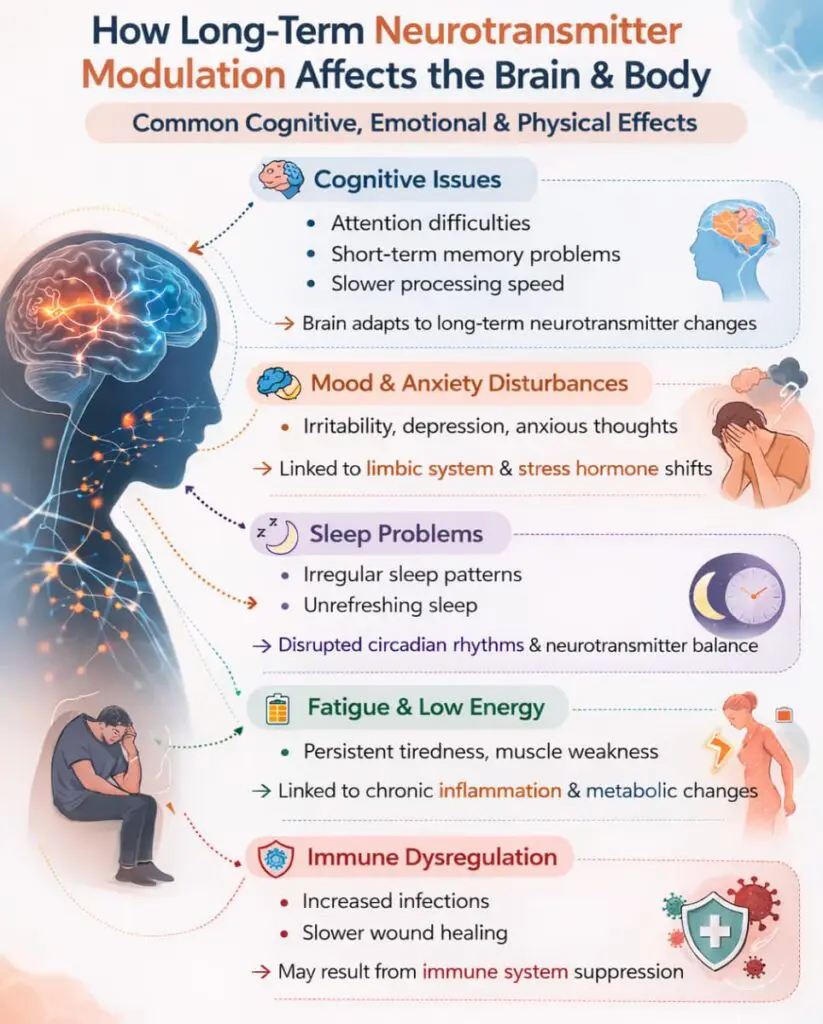
Not everyone who enters recovery experiences lingering physical symptoms, and the severity can vary widely. However, clinicians and researchers have identified several clusters of complaints that may persist for weeks or months after cessation of certain substances:
| Concern | What a patient may notice | What may contribute to it |
| Cognitive issues | Problems with attention, short-term memory, or processing speed | Long-term changes in brain signaling |
| Mood and anxiety disturbances | Irritability, low mood, anxious thoughts | Changes in limbic system activity and stress hormone regulation |
| Sleep problems | Irregular sleep or non-restorative sleep | Disrupted circadian rhythms and altered neurotransmitter balance |
| Fatigue and low energy | Persistent tiredness or muscle weakness | Chronic inflammation and metabolic changes |
| Immune changes | More frequent infections or slower wound healing | Possible immune dysregulation after prolonged exposure |
These symptoms often improve gradually with sustained abstinence, balanced nutrition, and healthy lifestyle adjustments. Nevertheless, the recovery process may be slow, leading some to explore whether targeted medical interventions could support the body’s ability to regain metabolic balance.
Why Biological Recovery Takes Time
Substances that repeatedly activate or suppress signaling between cells in the nervous system can gradually change how synapses function and how certain genes are expressed, which may contribute to changes in mood, thinking, and sleep regulation. Chronic drug exposure may also generate oxidative stress and inflammatory signaling, particularly in the brain and liver.
When detoxification occurs, these changes do not immediately reverse. The brain needs time to readjust how nerve cells communicate with each other by changing the number of receptors on their surface and the way signals are passed along. At the same time, brain tissue may need time to recover from toxic and inflammatory effects associated with long-term substance exposure.
The liver and endocrine organs must also readjust to maintain hormonal and metabolic processes after chronic drug metabolism. Given these complex processes, full physiological recovery often requires months, and in some cases longer.
Stem Cell Therapy and Addiction Recovery: Regenerative Medicine as a Supportive Approach
Regenerative medicine concentrates on stimulating the body’s natural healing mechanisms. Cell therapies aim to create a more favorable environment for tissue repair and to modulate harmful inflammatory responses. Among the most widely studied tools in this field are mesenchymal stem cells (MSCs) and their secreted extracellular vesicles, such as exosomes.
What Are Mesenchymal Stem Cells?
MSCs are multipotent cells found in various tissues, including bone marrow, adipose tissue, and birth-related tissues like umbilical cord and placenta. They release a broad range of cytokines, growth factors, and extracellular vesicles that influence neighboring cells.
MSCs are known for their:
- Immunomodulatory properties: MSCs can alter the activity of T cells, B cells, and dendritic cells, helping to resolve excessive immune reactions and promoting an anti-inflammatory state.
- Neuroprotective effects: Experimental studies suggest that MSC-derived factors can support neuronal survival, encourage neurogenesis, and enhance synaptic plasticity under certain conditions. This may be relevant when recovery involves problems with concentration, mood, or sleep.
- Support for tissue repair: Growth factors and extracellular vesicles from MSCs may stimulate angiogenesis (blood vessel growth), recruit endogenous progenitor cells, and inhibit scar formation. This may support recovery in tissues affected by prolonged harmful agents.
MSCs exert these effects primarily through paracrine signaling rather than by directly replacing damaged cells.
Understanding how stem cells support healing can help set realistic expectations. Read our dedicated article on the mechanisms of MSCs to dive deeper into the biology of paracrine signaling and tissue repair.
Learn more about MSC mechanismsScientific Perspective on Stem Cells in Addiction Treatment
Interest in regenerative approaches to support recovery from prolonged toxic exposure has been growing, especially in research on stem cell therapy for drug addiction recovery.
These studies suggest potential benefits of using stem cells for addiction recovery, such as reducing inflammation or promoting the proliferation of new neurons; however, current evidence remains insufficient to draw definitive conclusions. Further clinical research is ongoing to better understand when such approaches may be appropriate, which patients might benefit most, and how they can be used as part of comprehensive treatment strategies
For now, MSC-based therapies should be viewed as a potential supportive direction rather than a standard approach for people recovering from substance-related toxic exposure.
Stem Cells for Addiction Recovery: Supportive Program At Swiss Medica
For individuals in stable remission after long-term substance exposure, regenerative approaches may sometimes be considered as part of a broader recovery strategy.
At Swiss Medica, stem cell therapy for addiction recovery is always individualized. The treatment program may include several components, customized to the patient’s medical history and current condition.
Cell-Based Therapy
Intravenous administration of MSC-derived products aims to deliver anti-inflammatory and immunomodulatory signals throughout the body. The therapeutic effect is thought to be linked to the release of biologically active molecules, such as cytokines, growth factors, and exosomes that assist in modulating immune function.
Exosome Therapy
Exosomes carry proteins, microRNAs, and other signaling molecules that may cross biological barriers and influence neuronal and glial function, potentially supporting processes involved in the recovery of brain cell communication and regulation. These purified extracellular vesicles can be administered intravenously or nasally.
Infusion-Based Supportive Care
Intravenous infusions are often included in supportive recovery programs after prolonged substance exposure. Depending on the individual case, they may be used to help address dehydration, nutritional depletion, oxidative stress, and general metabolic imbalance during the recovery period.
Physiotherapy and Lifestyle Counseling
Movement therapy, neuromuscular rehabilitation, and nutritional guidance are often included to promote overall physical resilience and help restore strength and endurance. Proper exercise and diet can support neuroplasticity and mitochondrial function, which are essential for restoring strength and endurance in individuals recovering from physical or neurological challenges.
A Comfortable Setting for Recovery
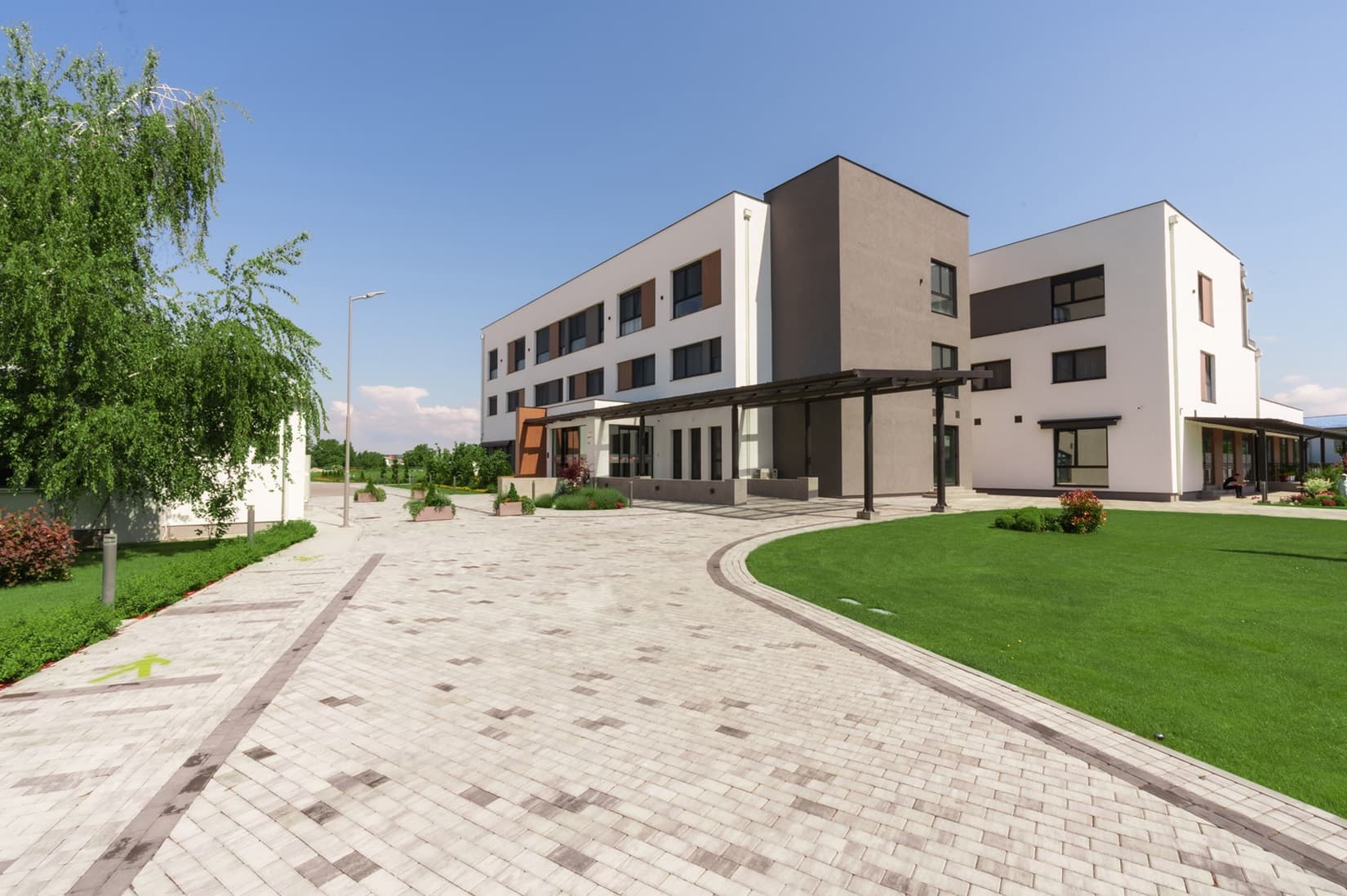
Many people find that the environment in which they receive medical care also influences their recovery. At Swiss Medica, the hospital setting is designed to support privacy, calm, and day-to-day comfort during treatment. Patients stay in a structured medical environment with continuous supervision while still having space for rest, quiet, and time away from outside stress.
The stay is organized to make daily life more manageable: meals are provided, individual dietary needs can be taken into account, and one accompanying person may stay with the patient free of charge for additional emotional support.
This combination of medical supervision and a calmer living environment can help patients focus on recovery, regain routine, and feel more stable throughout the program.


Considering addiction treatment with stem cells in Europe? Learn how Swiss Medica combines regenerative medicine with comprehensive medical care to support recovery.
Learn more about usA Broader Perspective on Post-Addiction Recovery
Psychological rehabilitation, social support and lifestyle changes remain the foundations of recovery. Cognitive behavior therapy, peer support groups and ongoing counseling help individuals develop coping strategies and rebuild relationships. Focusing on nutrition, exercise and adequate sleep further supports healing.
Regenerative therapies may complement these efforts by addressing lingering inflammation and promoting tissue repair, but they should never be viewed as a substitute for psychosocial treatment.
Contact us
If you or a loved one are in stable remission and dealing with persistent physical symptoms, consider speaking with a regenerative medicine specialist. A qualified physician can assess your medical history and advise whether stem cells for drug addiction or other regenerative approaches might support your recovery.
Medical Advisor, Swiss Medica doctor
List of References:
Fallahi S, Zangbar HS, Farajdokht F, Rahbarghazi R, Ghiasi F, Mohaddes G. Mesenchymal stem cell-derived exosomes improve neurogenesis and cognitive function of mice with methamphetamine addiction: A novel treatment approach. CNS Neurosci Ther. 2024 May;30(5):e14719. doi: 10.1111/cns.14719. Erratum in: CNS Neurosci Ther. 2024 Jul;30(7):e14845. doi: 10.1111/cns.14845. PMID: 38783536; PMCID: PMC11116483.
Cozene B, Sadanandan N, Farooq J, Kingsbury C, Park YJ, Wang ZJ, Moscatello A, Saft M, Cho J, Gonzales-Portillo B, Borlongan CV. Mesenchymal Stem Cell-Induced Anti-Neuroinflammation Against Traumatic Brain Injury. Cell Transplant. 2021 Jan-Dec;30:9636897211035715. doi: 10.1177/09636897211035715. PMID: 34559583; PMCID: PMC8485159.
Rafaiee R, Ahmadiankia N. Bone Marrow Derived Mesenchymal Stem Cells in Addiction Related Hippocampal Damages. Int J Mol Cell Med. 2018 Spring;7(2):69-79. doi: 10.22088/IJMCM.BUMS.7.2.69. Epub 2018 Jun 20. PMID: 30276162; PMCID: PMC6148505.
Gavasso S, Kråkenes T, Olsen H, Evjenth EC, Ytterdal M, Haugsøen JB, Kvistad CE. The Therapeutic Mechanisms of Mesenchymal Stem Cells in MS-A Review Focusing on Neuroprotective Properties. Int J Mol Sci. 2024 Jan 23;25(3):1365. doi: 10.3390/ijms25031365. PMID: 38338644; PMCID: PMC10855165.


MD, Pediatrician, Regenerative Medicine Specialist