swiss medicaXXI century S.A.
Cerebral palsy (CP) is a lifelong condition that affects movement and muscle coordination, often due to brain injury around the time of birth. For caregivers and patients, daily life with CP can be challenging—filled with therapy sessions, mobility aids, and uncertainty about the future. Standard therapies—physical, occupational, and speech therapy—can help improve function and daily living.
Still, many families continue to look for better symptom control and more noticeable progress. For this reason, stem cell treatment for cerebral palsy is being studied alongside standard approaches as a potential supportive treatment.
In this article, we’ll explain how stem cell therapy for CP works and what families can realistically expect from it.
Understanding Cerebral Palsy: What Happens in the Brain
Cerebral palsy is a group of conditions defined by difficulties in brain development during pregnancy or shortly after birth, which cause movement, posture, and, in some cases, cognitive impairment.
Types of Brain Damage Associated with CP
The injury of a child’s brain often occurs due to factors like:
- Lack of oxygen (hypoxic-ischemic injury)—parts of the brain don’t receive enough oxygen and nutrients.
- White matter damage—the “wiring” that connects brain areas (often called periventricular leukomalacia)—might be injured, especially in premature babies.
- Bleeding in the brain—fragile vessels can rupture in newborns.
- Malformations of brain development—parts of the brain don’t form as they should during pregnancy.
The damage itself doesn’t get worse over time, but impaired control from the central nervous system (CNS) can cause abnormal muscle and joint functions and movement patterns like stiffness or altered posture and gait.
How Early Injuries Affect Motor and Cognitive Development
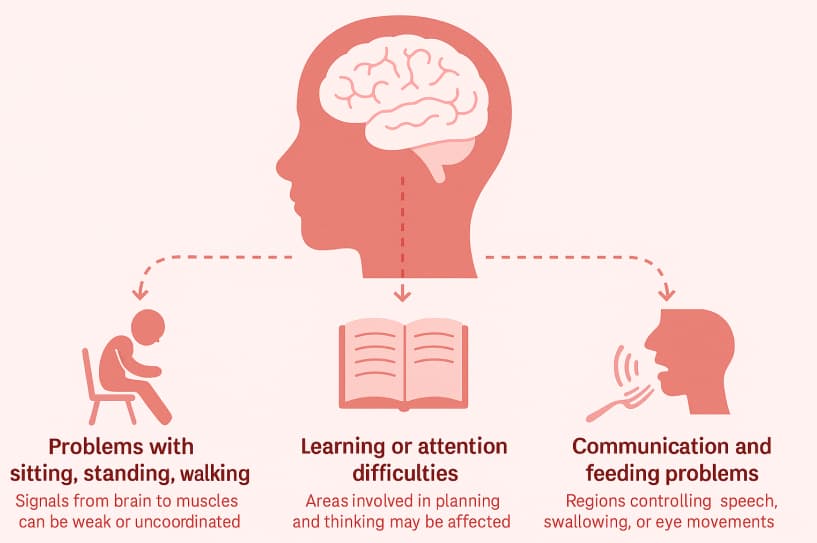
The perinatal period and early childhood are critical because the brain is rapidly building its wiring—the foundation for movement, learning, and communication. Early injury can disrupt these connections, affecting motor development by damaging pathways that control muscle tone, balance, and coordination. It can also affect cognitive development by disrupting networks involved in attention, memory, language, and processing speed, which can make learning and communication more challenging as the child grows.
Symptoms and Functional Challenges in Cerebral Palsy
Every person with CP is different, but many challenges are similar:
| Motor Deficits and Spasticity | Speech, Cognition, and Sensory Difficulties |
| Spasticity (tight, stiff muscles) | Speech difficulties (slow or unclear speech) |
| Weakness and poor coordination | Cognitive challenges (learning or attention difficulties) |
| Difficulties with posture or gait (toe walking, scissoring) | Sensory issues (vision or hearing problems) |
| Contractures (shortened muscles/tendons) | Emotional or behavioral changes |
| Fatigue during movement |
Traditional Treatments for Cerebral Palsy and Their Limitations
Traditional management of cerebral palsy is multidisciplinary and includes physical, occupational, and speech therapy; pharmacologic and injection-based management of spasticity; orthopedic and selected neurosurgical interventions; use of orthoses and assistive devices; and comprehensive management of associated medical, cognitive, and psychosocial conditions.
Physical Therapy, Medication and Orthopedic Surgeries
Standard CP care usually consists of:
- Physical and occupational therapy—stretching, strengthening, learning new movement patterns, and daily skills.
- Speech therapy—training speech, swallowing, and communication.
- Medications—muscle relaxants, botulinum toxin injections for spasticity, and drugs for seizures.
- Orthotics and surgery—braces, tendon lengthening, bone surgeries, or selective dorsal rhizotomy to reduce spasticity.
- Assistive devices—walkers, wheelchairs, communication aids, and other tools to support mobility and independence.
- Management of associated conditions—treatment of pain, feeding and swallowing difficulties, epilepsy, vision or hearing problems.
- Multidisciplinary care—coordinated treatment involving neurologists, rehabilitation specialists, and other healthcare professionals.
These approachers can significantly improve function and comfort and are essential for most patients.
Why Traditional Therapies Cannot Repair Brain Damage, and Are There Some Methods That Can?
Functional gains from conventional therapies are usually modest and depend on age, severity, and baseline function. Over time, care often shifts from improvement to maintenance and prevention of complications:
- Physical therapy trains the body to cope with the existing brain injury.
- Medications reduce muscle overactivity but do not restore brain cells.
- Surgery corrects the consequences of abnormal movement, not the cause.
They do not impact the damaged brain tissue. While there is currently no known cure, regenerative approaches like stem cell therapy for cerebral palsy aim to activate the body’s own resources on the cellular level.
Can Stem Cells Fix Brain Damage in Cerebral Palsy?
Stem cell therapy involves using the body’s own stem cells or those from a donor to promote recovery or improve symptoms. Stem cells can migrate to the injured areas of the brain and encourage repair of neural tissue.
Here’s how stem cell treatment for cerebral palsy works.
1. Stem Cells Can Influence Neuroplasticity
Neuroplasticity means the brain’s ability to reorganize and form new connections. Stem cells can:
- Release growth factors and anti-apoptotic (cell-saving) molecules that protect existing neurons from further damage.
- Encourage existing brain cells to form new connections.
- Support the formation of new blood vessels.
Think of stem cells for cerebral palsy as sending a team of repair organizers into the brain: they guide and support the brain rather than rebuilding everything themselves.
If you would like additional information on MSC biology, growth factors, and related processes, see our full article on the topic.
Read more2. Stem Cells Reduce Inflammation and Potentially Aid Regeneration
In many patients with CP, there is ongoing low-grade inflammation in the injured brain areas. Stem cells can:
- Calm inflammatory responses.
- Protect white matter.
- Support cells that make myelin, the insulation around nerve fibers.
- Limit further damage and create a better environment for rehab.
So while the original injury cannot be erased, stem cells for cerebral palsy can improve how the remaining brain tissue functions.
Get a free online consultation
If you’re unsure whether this therapy may help your child, our regenerative specialists are here to talk. We have supported more than 3,000 children with autism and cerebral palsy and offer a free, no-obligation consultation. Simply leave your contact info in this form.

Medical Advisor, Swiss Medica doctor
Which CP Symptoms Can Stem Cells Improve?
Meta-analysis showed that after stem cell treatment for cerebral palsy, children felt improvements in many areas.
| Area of Improvement | Reported Positive Changes |
| Motor improvements & muscle tone |
|
| Cognitive improvements & speech-related abilities |
|
| Coordination & balance |
|
Note: Stem cell treatment for cerebral palsy is not a standalone solution; it amplifies the benefits of everyday therapies.
Types of Stem Cells Used for Cerebral Palsy Treatment
MSCs, also known as adult stem cells, are the most commonly used and safest option for CP. This doesn’t mean the cells come from adults; stem cell therapy for cerebral palsy uses cells sourced from placenta and umbilical cord collected ethically after healthy births.
In some cases, neural stem cells can be used. They may help activate the brain’s own repair processes, supporting the replacement of damaged neurons, oligodendrocytes, and other essential brain cells involved in movement and coordination.
In addition, there are also stem cell-derived products like exosomes and macrophages. These are naturally released by MSCs and help guide healing signals toward the injured areas. They can work alongside MSCs, supporting faster communication with damaged tissue and enhancing the overall repair response.
Exosomes are tiny molecules that can reach damaged areas quickly, helping MSCs do their work more efficiently. Learn more in our article.
Read moreWhat Does Clinical Research Say About Stem Cells for Cerebral Palsy?
Over the last decade, there has been an increasing number of studies on MSCs and their impact on CP.
- Recent stem cell research for cerebral palsy showed improvements in motor function (GMFM scores) when stem cells are added to standard rehab.
- Other systematic reviews found that a majority had improvements in motor skills; some also had gains in cognition or daily living. The most common side effects were mild and temporary: fever, headache, and fatigue that subsided quickly after the injection.
- The pooled studies also indicated that children who received stem cell therapy had noticeable average improvements: they could usually sit, stand, or move better than before treatment.
The results differ from patient to patient, but the overall signal is positive: mesenchymal stem cell therapy for cerebral palsy seems to be both safe and able to lead to significant functional improvements, especially when used with intensive rehabilitation.
Potential Risks and Safety Considerations
Any medical procedure carries risk, but current data show that stem cell treatments for cerebral palsy has a favorable safety profile:
- Common short-term effects: mild fever, headache, fatigue, and injection-site discomfort.
- Serious complications are rare when treatment is done in a proper medical environment with high-quality cells.
To learn more about the safety of stem cell therapy and what to expect, read our full article on safety considerations.
Read moreProtocols vary by stem cell clinic. Swiss Medicа follows strict laboratory and safety standards:
- all donor material is carefully screened, processed in a GMP-level lab, and checked multiple times before use;
- before treatment, our medical team reviews all potential risks and benefits to ensure the therapy is safe and well suited to their needs.
Stem Cell Therapy Procedure at Swiss Medica: Main Steps
At Swiss Medica, the goal is to support your child’s overall well-being while delivering safe, carefully guided stem cell treatment. Here is what the process typically looks like:
1. Initial Review and Consultation
Your journey begins with a free online meeting, where our medical team learns about your child’s diagnosis, MRI findings, and rehabilitation history.
2. Creating a Personalized Treatment Plan
If treatment is suitable, we design a program tailored to your child. This includes the length of stay, the type and number of stem cell infusions, and supportive therapies that can help them get the most out of the procedure.
3. Diagnostic Assessment on Arrival and Preparing the Stem Cells
When patients come to the clinic, we complete a thorough evaluation—physical and neurological exams, blood tests, and imaging if needed.
All stem cells are processed in our certified laboratory. Each batch is tested for quality, purity, and strength so that your child receives only thoroughly screened and carefully prepared MSCs.
4. Treatment and Supportive Therapies
Stem cells are administered either through an IV infusion or an intrathecal injection. Both procedures are performed by experienced clinicians who monitor your child closely. During the stay, your child may also receive therapies like physiotherapy, occupational therapy, speech therapy, or personal training that work hand in hand with the stem cells.
5. Continued Care and Follow-Up
Before you go home, we explain how to support your child’s progress with ongoing therapies and daily routines. We can also provide exosome treatment courses for home use as part of continued care. Our team stays in touch in the following months to monitor improvements and offer guidance whenever needed.
Rehabilitation and Supportive Therapies That Boost Results as Part of the Swiss Medica Protocol
Stem cells have the most impact when the body is supported through ongoing rehabilitation, and at Swiss Medica we make sure patients don’t have to navigate this alone. Along with stem cell therapy, we guide each patient through a set of supportive therapies that help their progress continue:
- Physiotherapy to encourage new motor skills, ease muscle tightness, improve mobility, and support more natural, comfortable movement.
- Occupational and speech therapy to strengthen communication, daily functioning, and confidence in everyday tasks.
By combining regenerative therapies for CP with hands-on therapeutic support, we aim to help every improvement—big or small—feel meaningful in daily life.
Success Rate of Stem Cell Therapy for Cerebral Palsy
How much a child improves after stem cell treatment for CP can vary and depends on several factors.
Factors Influencing Outcomes
The main factors may include age, the type and severity of the condition, the presence of epilepsy or other health issues, and the number and method of stem cell treatments. Over time, treatment goals often shift from achieving further improvement to maintaining existing function and preventing secondary complications, which can also influence overall outcomes.
How Early Treatment Affects Improvement
Starting treatment earlier can give the developing brain more time and flexibility to reorganize and build new connections. Younger patients show stronger or faster gains because their brains are still highly adaptable.
Here’s one example from our YouTube reviews from patients with cerebral palsy:
— A story from a mother, Rut Mayer
“Before stem cell therapy, my son didn’t speak at all—not even ‘mom’ or ‘dad.’ After treatment, we started hearing new words, then full sentences, and now we can even talk about feelings. His behavior, understanding, communication, sleep, even his epilepsy… everything began to improve, little by little. Each round feels like a small gift. For the first time, we can truly connect with him—and that has changed our lives.”

Who Is a Good Candidate for Stem Cell Therapy?
At Swiss Medica, doctors consider these factors, but each case is evaluated individually:
| Diagnosis | Confirmed cerebral palsy (any subtype) |
| Medical stability | No active infections, uncontrolled seizures, or cancer |
| Comorbid conditions | Especially beneficial for those suffering from conditions like gastrointestinal disturbances or sleep disorders. |
| Age | Children aged 3 to 10 generally respond best, though in some cases patients over 10 years of age may also benefit, particularly in terms of neurocognitive development. |
Why Families Choose Swiss Medica for CP Treatment
Many families choose Swiss Medica for cerebral palsy treatment because of the way we combine expertise, safety, and a patient-centered environment:
- Long-standing experience: Over 14 years of experience in neurological and regenerative therapy, with more than 3,000 children with autism and cerebral palsy treated. Overall, we helped over 10,000 patients with chronic conditions, with approximately 80% reporting improvements.
- Multidisciplinary care: Regenerative medicine specialists, physiotherapists, and neurologists work together to support each patient’s needs.
- Own GMP-certified laboratory: All stem cells are prepared, tested, and verified in-house, ensuring full control over quality, screening, and safety.
- Comprehensive approach to care: We integrate stem cell therapy with rehabilitation and other treatments to maximize the potential for your child’s improvement in day-to-day activities.
- Practical support for families: Airport pick-up, translation services, and a comfortable stay in special family rooms.
- Transparent communication: We take time to explain what stem cell therapy may improve—and what it cannot—so families can make informed decisions.
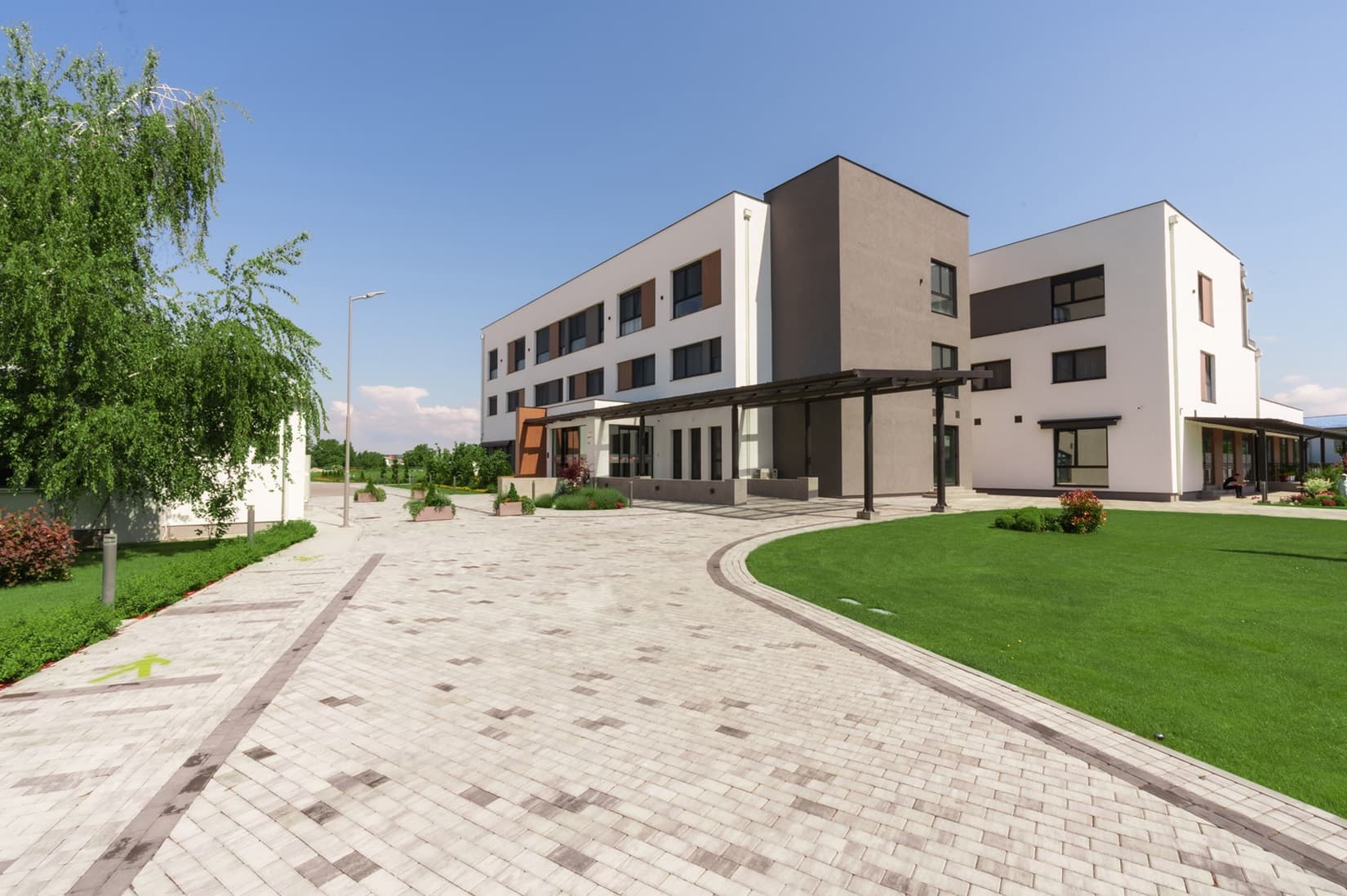
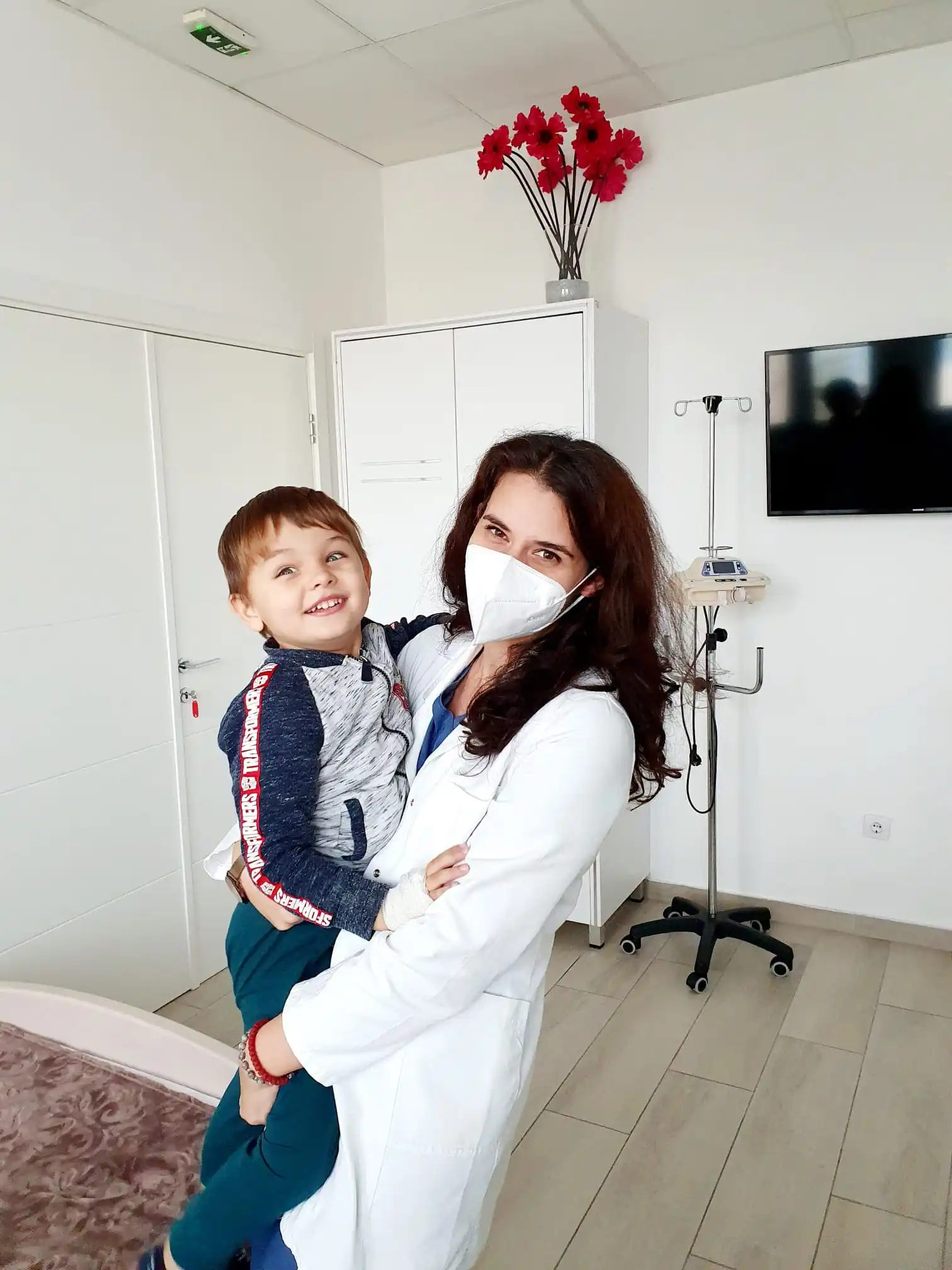
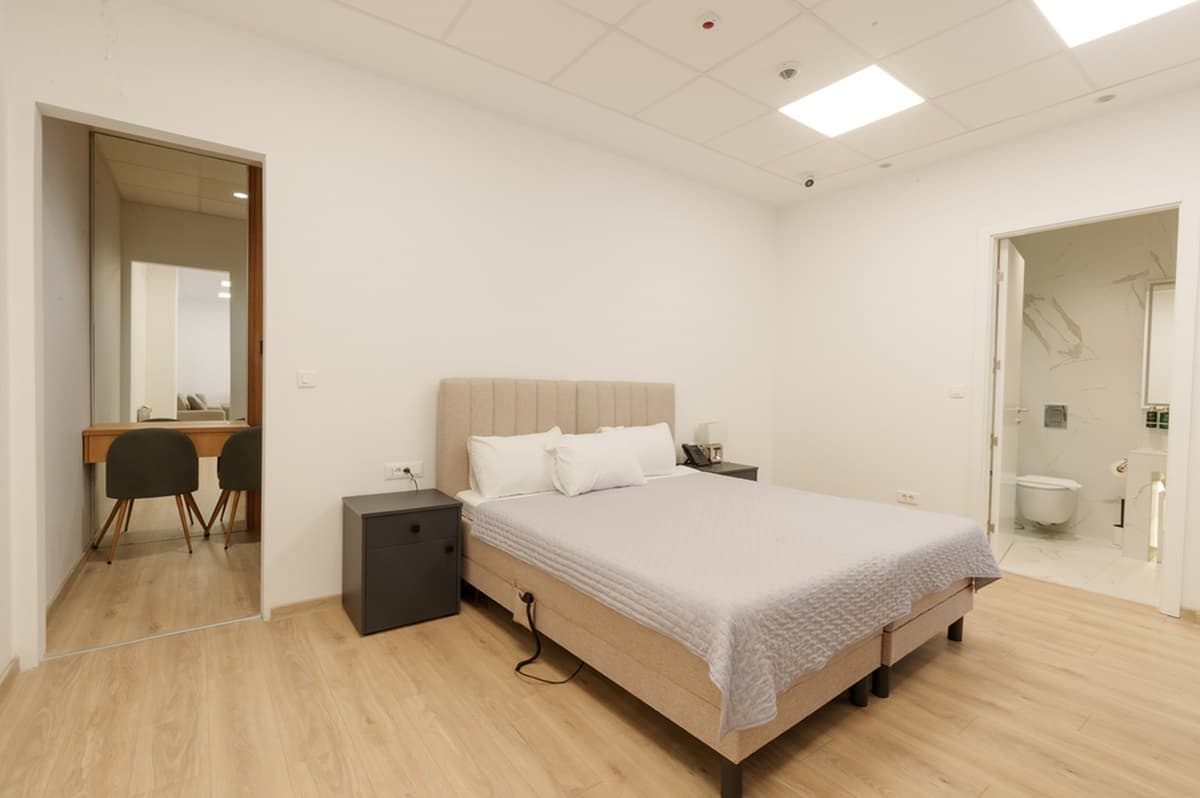
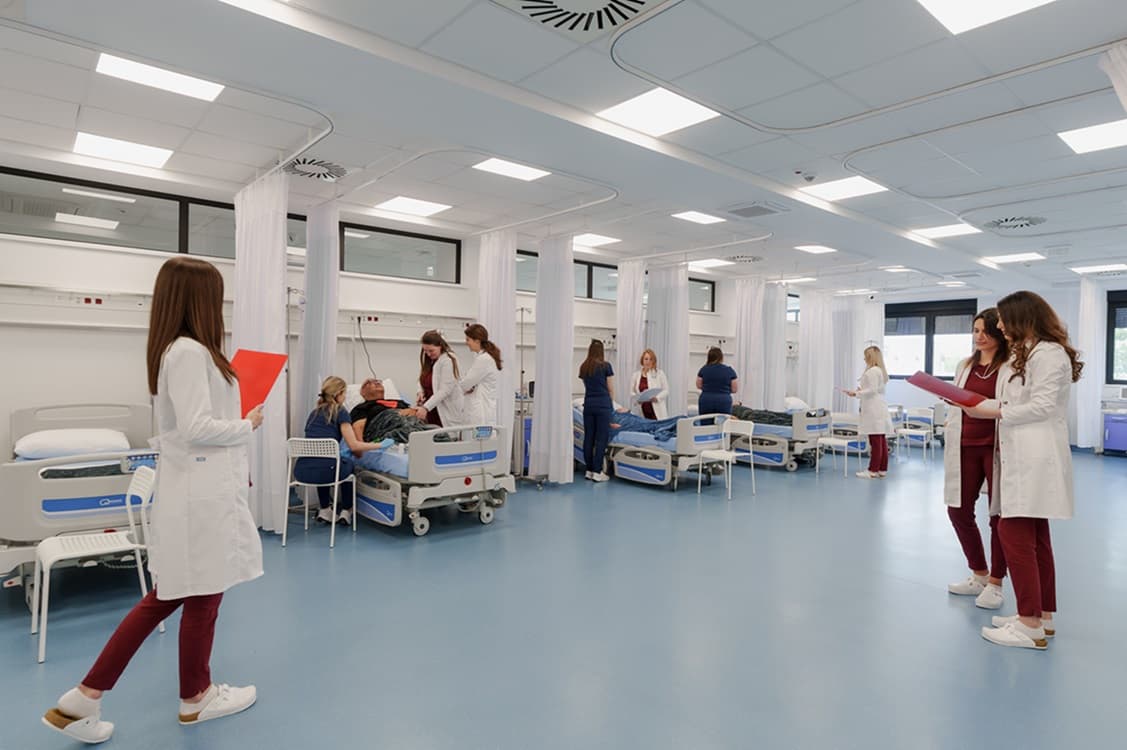
In 2024, we opened a 10,000 m² hospital designed for comfort and accessibility, featuring wide corridors, special equipment for wheelchair users, and safe, calming patient rooms.
Treatment Cost and Availability
The cost of stem cell therapy for cerebral palsy depends on the duration of the program (typically 3–9 days), the number and type of stem cell infusions, and any additional therapies or services. These are typical price ranges for injections of stem cells for autoimmune diseases and neurological conditions:
| Region | Cost of Stem Cell therapy for Cerebral Palsy |
| USA | $15,000–$40,000+ |
| Europe | €12,000–€35,000 |
| Serbia (Swiss Medica) | €7,000–€19,000* |
*Prices are indicative and based on 2026 estimates; they may vary depending on condition severity and required cell quantity.
For some families, stem cell therapy for cerebral palsy in the USA or Europe is only available through clinical trials—or it’s significantly more expensive. Seeking treatment in other countries can make specialized care more available and affordable.
Ready to Start Your Child’s Treatment? Contact Us
If you’re thinking about stem cell therapy for your child, we’re here to support you. You can speak with our doctor in a free online consultation, where we’ll gently walk through your child’s situation and help you understand whether this therapy may be a beneficial next step.
Contact us
Book a free, no-obligation online consultation where we review your case, discuss realistic benefits and limitations, outline a possible treatment plan and costs, and answer any questions you may have.
Medical Advisor, Swiss Medica doctor
Frequently Asked Questions
1. Can stem cell therapy help cerebral palsy?
Yes. Studies show that stem cell therapy for cerebral palsy can improve motor function and sometimes cognition or speech when combined with rehabilitation.
2. Could stem cells cure cerebral palsy?
No, they cannot fully cure CP. MSC therapy can support repair and improve function, but they do not erase all effects of early brain injury. Realistic goals are important.
3. What’s the difference between stem cell therapy and a typical stem cell transplant for cerebral palsy?
In this context, stem cell treatment for cerebral palsy usually means infusing MSCs via IV or into spinal fluid. Unlike blood stem cell transplants for cancer, it does not require chemotherapy or destroying the immune system.
4. Is stem cell therapy for cerebral palsy in the USA different from treatment abroad?
In the USA, most options are still within clinical trials or limited private programs. Clinics like Swiss Medica in Serbia offer established programs where stem cell therapy for CP is provided under European-quality protocols and strict safety standards, often at more affordable prices.
5. Is stem cell therapy for cerebral palsy effective for adults?
Stem cell therapy for adults with cerebral palsy has not been proven to restore lost function, but it may help improve muscle control, reduce spasticity, and enhance endurance. These changes can make daily activities easier, increase comfort, and allow patients to participate more effectively in rehabilitation, contributing to a better overall quality of life.
References:
Motavaf, M., Dehghan, S., Ghajarzadeh, M., Ebrahimi, N., Zali, A., Safari, S., & Mirmosayyeb, O. (2024). Stem Cell Treatment and Cerebral Palsy: A Systematic Review and Meta-Analysis. Current stem cell research & therapy, 19(2), 210–219. https://doi.org/10.2174/1574888X18666221201114756
Tamouza Ryad , Volt Fernanda , Richard Jean-Romain , Wu Ching-Lien , Bouassida Jihène , Boukouaci Wahid , Lansiaux Pauline , Cappelli Barbara , Scigliuolo Graziana Maria , Rafii Hanadi , Kenzey Chantal , Mezouad Esma , Naamoune Soumia , Chami Leila , Lejuste Florian , Farge Dominique , Gluckman Eliane. Possible Effect of the use of Mesenchymal Stromal Cells in the Treatment of Autism Spectrum Disorders: A Review. Frontiers in Cell and Developmental Biology, Volume 10 – 2022. https://www.frontiersin.org/journals/cell-and-developmental-biology/articles/10.3389/fcell.2022.809686
Fatahi R, Heydarpour F, Motlagh SM, Mansouri K. Evaluation of stem/stromal cell transplantation safety and efficacy in children diagnosed with cerebral palsy: A systematic review and meta-analysis of randomized controlled trials. Stem Cell Res Ther. 2025 Aug 29;16(1):468. doi.org/10.1186/s13287-025-04550-9
Paton MCB, Finch-Edmondson M, Fahey MC, London J, Badawi N, Novak I. Fifteen years of human research using stem cells for cerebral palsy: A review of the research landscape. J Paediatr Child Health. 2021 Feb;57(2):295-296. doi.org/10.1111/jpc.15329


MD, Pediatrician, Regenerative Medicine Specialist