swiss medicaXXI century S.A.
Obesity is a condition driven by hormones, metabolism, genetics, and environment—not simply willpower. For many patients, diets, exercise programs, and medications produce short-term results followed by regain. Stem cell therapy for weight loss is being explored as a supportive regenerative tool that targets inflammation, insulin resistance, and organ damage linked to obesity.
At Swiss Medica, stem cells for weight loss are always part of a broader medical program, with realistic expectations and long-term follow-up.
Why Weight Loss Is Difficult: Understanding the Root Causes
Obesity is now framed as an “adiposity-based chronic disease,” meaning that dysfunctional body fat alters hormones, organs, and long-term health.
The metabolic and hormonal drivers of weight gain
The body tends to defend a certain weight “set point.” As fat mass increases, adipose tissue releases hormones and signals that affect appetite, energy use, and fat storage. Insulin, leptin, ghrelin, and other hormones interact with the brain, liver, and muscles in ways that can push the body toward a higher defended weight.
Insulin resistance and chronic inflammation
Many patients with excess weight develop insulin resistance: cells respond less to insulin, so the pancreas produces more.
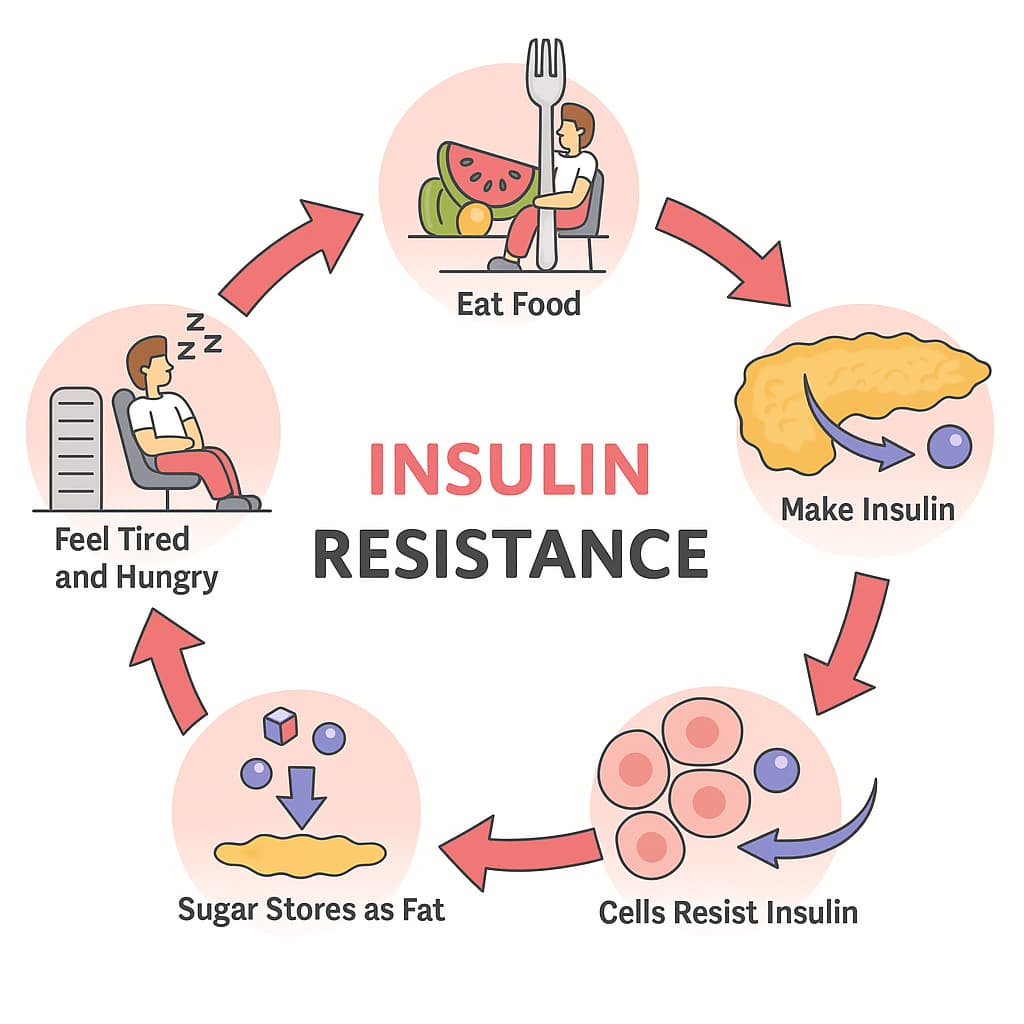
At the same time, enlarged fat cells and immune cells in adipose tissue release inflammatory molecules. This chronic low-grade inflammation drives type 2 diabetes, fatty liver disease, cardiovascular risk, kidney strain, and hypertension, turning obesity into a systemic disease.
Genetic, environmental, and appetite-regulation factors
Genetic predisposition, early-life nutrition, ultra-processed foods, sedentary work, shift schedules, and certain medications all affect weight. Some individuals gain fat more easily in the same environment. Obesity usually reflects a combination of hormonal, psychological, social, and environmental forces rather than simple overeating.
Why Standard Care (Like Diets) Matters—and Why Many Patients Still Need More Support
Structured medical nutrition remains a cornerstone of obesity and diabetes management. Short-term dietary changes can also lead to initial weight loss.
The challenge usually begins when people rely on very restrictive, short-lived “quick-fix” plans instead of sustainable, professionally guided changes in eating patterns. Severe calorie restriction without proper supervision can slow resting metabolic rate, appetite-related hormones may shift in ways that increase hunger, and real-life disruptions—stress, holidays, illness, or major life events—can break rigid rules.
Long-term progress can be even harder when obesity is accompanied by chronic conditions such as type 2 diabetes, sleep apnea, depression, chronic pain, or fatigue. When these are not well controlled, adherence becomes more difficult and weight regain is more likely.
That’s why modern guidelines treat obesity as a chronic, relapsing disease that often requires ongoing management. Evidence-based options may include:
- medical nutrition therapy
- structured physical activity
- psychological support
- anti-obesity medications (including GLP-1 receptor agonists)
- bariatric surgery
Even with these approaches, some patients—especially those with complex metabolic disease—seek additional biologic support. This is where stem cells for weight loss are sometimes discussed and studied as a potential adjunct to standard care.
Can Stem Cells Help You Lose Weight
Current research shows that stem cells can influence inflammation, insulin sensitivity, and tissue repair in metabolic disease. But there is no approved “fat-burning stem cell” product that guarantees rapid cosmetic results.
The most realistic view is that stem cell treatment for weight loss may, in selected cases, help improve metabolic health, inflammation, and organ function. Any reduction in body weight is usually gradual and appears together with lifestyle changes and conventional treatment, not instead of them.
Get a free online consultation
Are you interested in stem cell therapy for weight loss? Would you like to know if this approach could be suitable for your condition?
Simply fill out the form below to arrange a free, no-obligation consultation.

Medical Advisor, Swiss Medica doctor
How Can Stem Cell Therapy Help With Weight Loss
Stem cell therapy for weight loss focuses on mechanisms that underlie obesity rather than on direct fat removal. At Swiss Medica, each protocol is built around individual diagnoses and comorbidities.
Influencing metabolic processes and energy use
Mesenchymal stem cells (MSCs) secrete molecules that interact with cells and tissues. These signals may gently shift how the body handles glucose and fats, improving metabolic flexibility. In this context, using stem cells to lose weight functions as a supportive metabolic tool, not as a simple “on–off switch.”
Reducing chronic inflammation and modulating immune activity
Obesity-related inflammation is a major driver of complications. MSCs are known for immunomodulatory effects and may lower pro-inflammatory cytokines while promoting more balanced immune responses. This anti-inflammatory action is central to many experimental protocols that use stem cells for weight loss in metabolic syndrome, fatty liver disease, or autoimmune components.
Improving insulin sensitivity and glucose balance
In type 2 diabetes and prediabetes, studies of MSC infusions indicate possible improvements in insulin sensitivity and blood sugar control. When glucose levels stabilize and insulin resistance decreases, nutritional plans and physical activity tend to become more effective, which indirectly supports weight management.
Supporting hormonal balance and appetite regulation
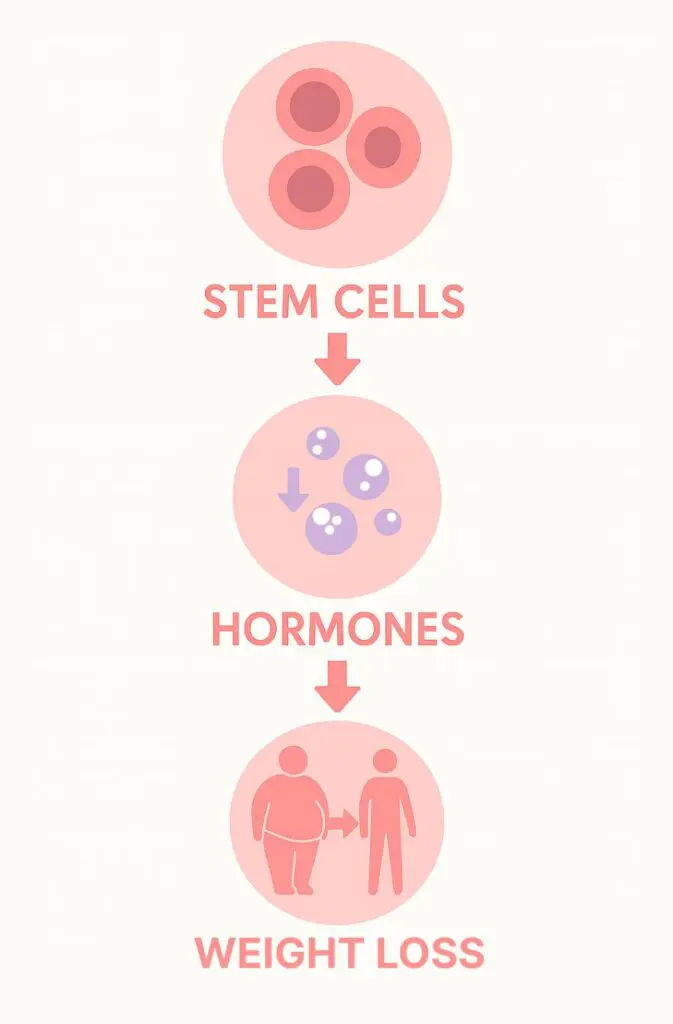
Chronic obesity disrupts insulin, leptin, cortisol, sex hormones, and gut-derived hormones. By lowering systemic inflammation and supporting organs such as the pancreas and liver, regenerative interventions may indirectly stabilize several of these hormonal signals.
Enhancing mitochondrial function and cellular efficiency
Mitochondria are often stressed in obesity and diabetes. Preclinical research suggests that some MSC-based and exosome-based therapies may enhance mitochondrial function and reduce oxidative stress. Better cellular energy handling can support stamina and recovery, enabling more activity and reinforcing long-term weight control efforts.
Types of Stem Cells Used in Stem Cell–Assisted Weight Loss Procedure
A stem cell–assisted weight loss program at Swiss Medica can include different cell sources and supportive biologics, tailored to each patient.
Mesenchymal stem cells
MSCs are adult cells that are obtained from various sources, do not violate ethical standards, and have a high safety profile. They are widely used in regenerative programs for metabolic and inflammatory conditions.
Placental MSCs (Donor cells)
Placental tissue, collected after childbirth, provides young MSCs without using embryos or fetal material. These cells are valued for their strong immunomodulatory and anti-inflammatory effects.
Adipose-derived MSCs (Autologous cells)
Adipose (fat) tissue can be harvested from the patient’s own body. The isolated adipose-derived MSCs can be expanded under controlled conditions, offering an autologous option when appropriate. They aim to create a systemic regenerative environment that may support metabolic improvement.
Exosomes as supportive biologics
Exosomes are tiny vesicles released by cells, including MSCs, that carry proteins, lipids, and microRNA. In some protocols, exosomes are used alongside cell therapy to enhance anti-inflammatory and tissue-protective signaling. In stem cell–supported fat reduction strategies, they act through metabolic and organ pathways and are not used as stand-alone slimming products.
Would you like to find out more about the cells used in therapy? Read our informative article.
Learn moreStem Cell Therapy vs Traditional Weight Loss Methods
Stem cell therapy for weight loss is not meant to replace diets, medications, bariatric surgery, or behavioral treatment. In clinical practice, regenerative therapy is considered when standard methods alone have not been sufficient and when additional metabolic support may help those methods work better instead of being abandoned.
| Stem cells | Diets | Medications | Bariatric surgery | Behavioral approaches | |
| Mechanism | Regulation of metabolic processes at the level of intercellular interaction | Change calorie and nutrient intake | Modify appetite, satiety or metabolism | Physically limit intake/absorption | Change habits, thoughts and triggers |
| Effect | Weight loss through normalization of metabolism | Supports gradual, sustainable weight loss when guided by professionals | Moderate, while the drug is taken | Often large, relatively rapid loss | Gradual but steady over time |
| Invasiveness | Minimal invasiveness | Non-invasive | Non-invasive | Invasive surgery | Non-invasive |
| Suitability | Most patients with excess weight | Most patients with excess weight | Patients needing extra help beyond lifestyle | Severe obesity with comorbidities | Patients with emotional or stress-driven eating |
Expected Results: What Patients Commonly Experience After Stem Cell Therapy for Weight Loss
Clinical experience suggests that stem cell therapy for weight loss mainly affects metabolic markers, inflammation, and well-being, while weight changes are gradual and variable. A stem cell–assisted weight loss procedure at Swiss Medica is evaluated by overall health status, not only by kilograms lost.
Reduction in inflammation markers
Many individuals with obesity show elevated inflammatory markers. After a program including stem cells for weight loss, some patients demonstrate:
- Lower systemic inflammation in appropriate laboratory markers
- More stable blood pressure and vascular parameters
- Less inflammatory joint or musculoskeletal pain
These changes arise from a combination of regenerative effects, optimized medications, diet, and increased activity.
Improved energy levels and metabolic rate
After stem cell treatment for weight loss, patients often describe better daily performance, easier recovery, and fewer episodes of extreme fatigue. Better mitochondrial efficiency and more stable glucose can support a more active lifestyle.
Gradual weight loss and appetite stabilization
Most patients experience gradual weight shifts rather than dramatic, rapid loss. When a stem cell–assisted weight loss procedure is combined with structured lifestyle support, weight may start to decline slowly, appetite swings may soften, and weight regain between programs can be reduced.
Conditions Linked to Weight Gain That May Improve
Obesity is closely linked to multiple conditions. Stem cells for weight loss are therefore considered as part of a broader approach to obesity-related comorbidities. In a comprehensive program that includes stem cell therapy for weight loss, lifestyle interventions, and standard medical care, potential areas of improvement may include:
- Type 2 diabetes and prediabetes—improved insulin sensitivity, lower HbA1c, and fewer glucose excursions.
- Metabolic syndrome—better waist circumference, lipids, blood pressure, and fasting glucose.
- Non-alcoholic fatty liver disease (NAFLD)—support for liver health alongside diet and medication.
- PCOS and insulin-resistant states—more favorable metabolic profile with endocrine follow-up.
- Hypertension and early cardiovascular risk—more stable blood pressure and vascular function within guideline-directed therapy.
- Obesity-related joint and musculoskeletal problems—less pain and improved mobility when inflammation and weight decrease.
- Sleep apnea and fatigue—better sleep quality and daytime alertness when weight and cardiovascular parameters improve.
In all cases, stem cell treatment for weight loss functions as a supportive modality within a multimodal plan.
Lifestyle Changes That Enhance Treatment Results
Stem cells for weight loss are meant to complement lifestyle measures. The most robust and durable outcomes occur when regenerative therapies are combined with daily habits that support metabolic health.
Key lifestyle factors include:
- Targeted medical nutrition—minimally processed foods, adequate protein, structured meals, and careful carbohydrate quality increase insulin sensitivity and enhances stem cell therapy for weight loss.
- Regular physical activity—low-impact aerobic exercise plus resistance training maintains muscle, supports insulin responsiveness, and protects the heart.
- Sleep optimization—consistent bedtimes, reduced late-night screen exposure, and evaluation for sleep apnea influence hormonal balance and appetite regulation.
- Stress management and psychological support—addressing emotional eating, stress, and mood with counseling or structured techniques reduces relapse risk.
- Adherence to medications and follow-up—stem cell treatment for weight loss works alongside evidence-based drugs for diabetes, hypertension, dyslipidemia, and other conditions, with careful dose adjustment as health status changes.
When these elements are present, stem cell–supported fat reduction strategies are more likely to translate into stable metabolic gains rather than short-lived cosmetic changes.
Who May Be Considered for Stem Cell–Supported Weight Management at Swiss Medica
Stem cell–assisted strategies for weight loss at Swiss Medica focus on patients with obesity and significant metabolic or organ involvement, such as:
- Type 2 diabetes or prediabetes with suboptimal control
- Metabolic syndrome with elevated cardiovascular risk
- PCOS with insulin resistance and weight gain
- Hypertension, early kidney damage, or peripheral vascular disease
In these situations, stem cells for weight loss are integrated into a personalized plan that also covers nutrition, movement, psychological support, and medications.
Safety, Contraindications, and Known Risks of Stem Cell Therapy for Weight Loss
Safety requires careful screening, transparent communication, and strict technical standards. Swiss Medica enforces rigorous manufacturing controls and dose planning, as well as continuous monitoring. This approach makes the therapy safe.
The side effects observed in patients are mild and may include an elevated body temperature, local reactions at the injection site, dizziness, and mild pain.
Find out where your safety begins and how it is ensured. Read a separate article about our laboratory.
Read the articleContraindications: when stem cell therapy for weight loss is not recommended
Typical situations where stem cells are contraindicated or postponed include:
- Active malignancy or recent oncologic treatment with unclear safety
- Uncontrolled systemic infection or sepsis
- Pregnancy or breastfeeding
What Happens During a Stem Cell–Assisted Weight Loss Procedure at Swiss Medica
A stem cell procedure at Swiss Medica follows clear steps:
1. Pre-arrival assessment
Collection of medical history, records, and previous obesity treatments; review of lab results and imaging; evaluation of endocrine, cardiovascular, renal, and hepatic status.
2. On-site diagnostics
Updated blood and urine tests, targeted imaging, and consultations with endocrinology, cardiology, nephrology, and other specialties.
3. Personalized protocol design
Decision on autologous or donor-derived products, type of MSCs and exosomes, infusion routes, doses, and timing.
4. Cell preparation and administration
Harvesting of adipose or bone marrow tissue when autologous products are used, processing of placental or umbilical cord tissue when donor products are chosen, and administration via intravenous infusions and, in some cases, targeted injections.
5. Rehabilitation and supportive therapies
Medical nutrition, supervised physical activity, physiotherapy, and psychological support.
6. Follow-up and monitoring
Remote consultations, coordination with local physicians, and adjustment of medications and lifestyle plans.
In practice, a stem cell transplant for weight loss at Swiss Medica functions as a multi-component metabolic rehabilitation program, not a single procedure.
Why Patients Choose Swiss Medica
Many patients choose Swiss Medica for both the therapy itself and the environment in which it is delivered.
- We have been working in regenerative medicine since 2011.
- The multidisciplinary team comprises endocrinologists, rehabilitation specialists, nurses, and cell therapy experts who collaborate on each case, rather than working in isolation.
- We have an in-house, A-grade laboratory and cryobank.
- Focused attention: the doctor-to-patient ratio is intentionally kept low, at around three to four patients per doctor.
- There are over 50 methods of rehabilitation and supportive care.
- All-inclusive stay: the treatment cost usually includes accommodation, meals (with options for special dietary needs), services for one accompanying person, airport transfers and interpreter support. This is particularly valuable for international patients who may be unfamiliar with the local healthcare system.



The hospital environment is designed to make treatment easier and reduce physical and emotional stress.
Real Patient Story – Joseph from USA
Joseph Anthony arrived at Swiss Medica with advanced kidney disease, type 2 diabetes, high blood pressure, and excess weight. In his words, local doctors had “no hope” to offer, and every step in the system felt like being a number, not a person.
At Swiss Medica, the experience was different from the first contact. After the first course of stem cell therapy and supportive treatment, the changes were noticeable:
“After the first treatment my type 2 diabetes went away… My glucose level dropped significantly. By the second treatment, a couple of months later, my high blood pressure went away completely.”
These improvements made Joseph stable enough to be placed on a kidney transplant list. Looking back, Joseph describes the first visit as life-saving:
“The stem cell treatment made me healthy enough to go on a kidney transplant list… I would have never been able to do that without Swiss Medica.”

Cost of Stem Cells for Weight Loss, Availability, and How to Apply
At Swiss Medica, the cost of stem cells for weight loss is always discussed in the context of a complete program that includes diagnostics, treatment, supervision, and follow-up recommendations.
The cost of stem cells for weight loss depends on:
- Complexity of metabolic and organ involvement
- Type and quantity of cell products and supportive biologics
- Length of inpatient stay and intensity of rehabilitation
- Need for additional diagnostics and specialist consultations
The final cost depends on the doctor’s recommendation and individual needs. Prices typically range from €7,000 to €31,000.*
*Prices are indicative and based on 2026 estimates; they may vary depending on condition severity and required cell quantity.
How to submit a case for review
- Share basic information about diagnoses, symptoms, and previous treatments with a Swiss Medica coordinator.
- Upload recent lab tests, imaging, and specialist reports.
- The Swiss Medica medical board reviews the case and may request additional data.
- A physician explains whether a stem cell–assisted weight loss procedure can be considered or whether other approaches are more appropriate.
This process helps ensure that stem cell therapy for weight loss is recommended only when medically justified and when realistic goals can be defined.
Contact Swiss Medica to Discuss Personalized Weight Loss Options
The medical team at Swiss Medica evaluates each patient individually to determine whether regenerative therapy may support metabolic and weight management goals and how it can be safely integrated with standard obesity care.
Contact us
To explore whether this approach might be appropriate in a specific case, contact us for a consultation.
Medical Advisor, Swiss Medica doctor
Frequently Asked Questions
1. Can stem cells help reduce obesity?
Yes. Certain forms of stem cell treatment for weight loss may indirectly help long-term weight control when combined with lifestyle and medical therapy.
2. How much weight can patients expect to lose?
Responses vary. Some patients see modest weight loss or better weight stability; others primarily benefit through improved blood sugar, blood pressure, energy, or organ function.
3. How soon can improvements be seen?
Laboratory markers such as glucose or inflammatory parameters may change within weeks or months. Changes in weight, stamina, and quality of life usually take 3–6 months and depend heavily on adherence to lifestyle and medical recommendations.
4. How long do results last?
Obesity is a chronic, relapsing disease. Any improvement achieved through diet, medication, surgery, or regenerative therapy requires ongoing care to maintain. Follow-up, repeat assessments, and sometimes additional treatment cycles may be needed after a stem cell injection for weight loss.
List of References:
Mikłosz A, Nikitiuk BE, Chabowski A. Using adipose-derived mesenchymal stem cells to fight the metabolic complications of obesity: Where do we stand? Obes Rev. 2022;23(5):e13413. doi:10.1111/obr.13413.
Celik O, Yildiz BO. Obesity and physical exercise. Minerva Endocrinol (Torino). 2021 Jun;46(2):131-144. doi.org/10.23736/S2724-6507.20.03361-1
Mozaffarian D. GLP-1 Agonists for Obesity—A New Recipe for Success? JAMA. 2024;331(12):1007–1008. doi:10.1001/jama.2024.2252
Li C, Cheung MKH, Han S, Zhang Z, Chen L, Chen J, Zeng H, Qiu J. Mesenchymal stem cells and their mitochondrial transfer: a double-edged sword. Biosci Rep. 2019 May 3;39(5):BSR20182417. doi: 10.1042/BSR20182417. PMID: 30979829; PMCID: PMC6500894.


MD, Pediatrician, Regenerative Medicine Specialist