 swiss medicaXXI century S.A.
SENSA Cells: Designed for Precision. Selected for Performance.
The Next Generation of Regenerative Cell Therapy
Developed using advanced stress-selection technology, SENSA Cells are engineered to remain functionally active even in highly inflamed and biologically challenging environments.
As the 6th generation of Swiss Medica’s cell therapy products, SENSA Cells combine enhanced resilience, homing activity, and regenerative signaling potential within Swiss Medica’s established treatment protocols.

Stress-tested

Functionally selected

Fresh & Non-Cryopreserved
What Are SENSA Cells?
Stress-Enduring, Navigating, Selected, Active Cells
SENSA Cells are a specialized, stress-resistant subpopulation within MSC-based therapies, isolated using Swiss Medica’s proprietary stress-selection protocol. These cells are selected for their ability to remain viable and functionally active under aggressive biological conditions, including inflammation, oxidative stress, and low-oxygen environments.
Start with a Free Medical Consultation
- Answer your questions
- Assess your suitability for regenerative therapies
- Explain the treatment protocol, expected outcomes, and next steps
- Provide a cost breakdown and explain pricing factors
Expanding the Capabilities of MSC-Derived Therapies
Mesenchymal Stem Cells (MSCs) are a well-established and highly valuable component of regenerative medicine.
- strong immunomodulatory activity
- secretion of bioactive molecules
- support of tissue repair and regeneration

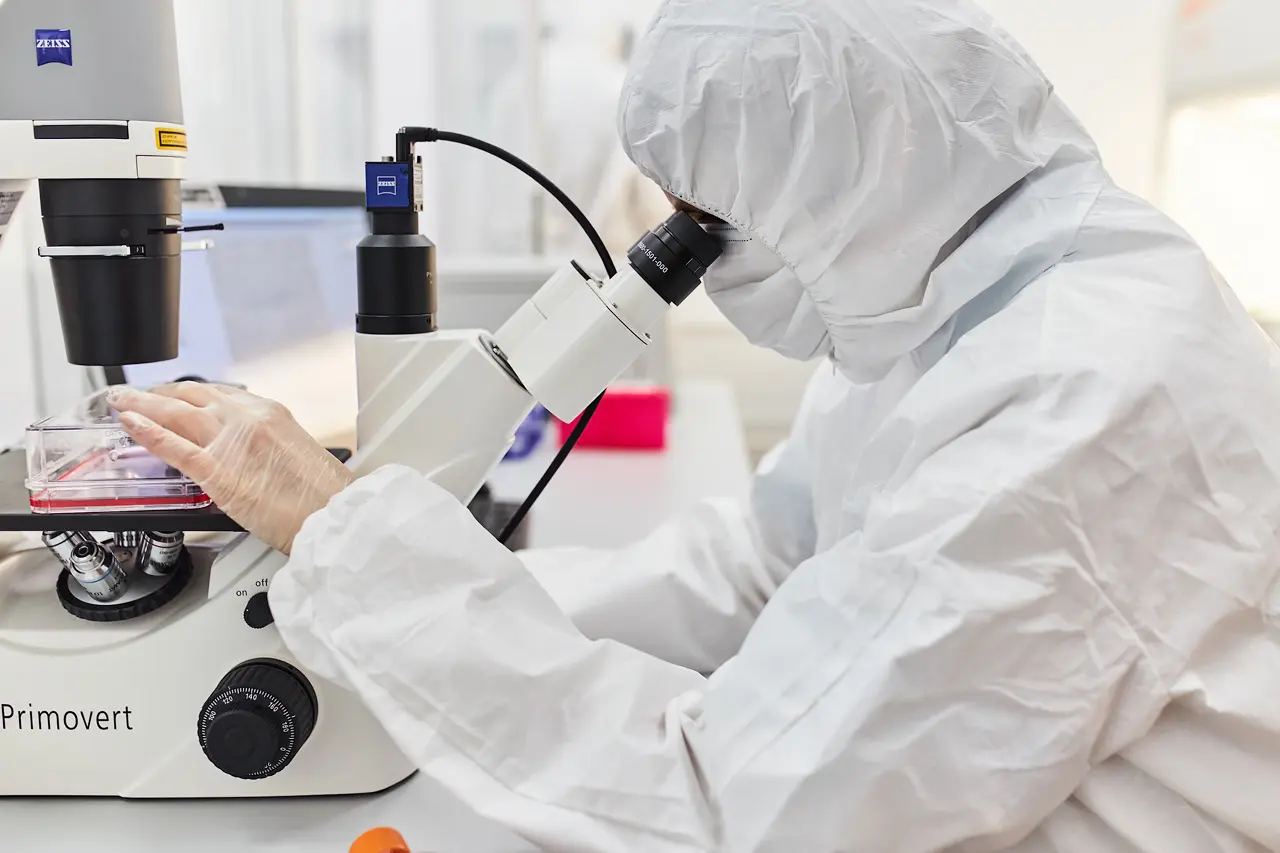
SENSA Cells Build on These Strengths
SENSA Cells represent a highly active, stress-resistant functional subset within MSC-based therapies.
During the production process, MSC-derived cells are exposed to controlled stress conditions. Only a small fraction of highly resilient cells survives and is further expanded. This allows for a more advanced level of regenerative support across the same therapeutic indications.
From MSCs to SENSA Cells: A Functional Evolution in Cell Therapy
| Feature | MSCs |
SENSA Cells |
|---|---|---|
| Core Role | Foundational regenerative cells | Functionally selected subpopulation |
| Stress Resilience | High | Enhanced |
| Functional Persistence | Good | Improved |
| Homing Activity | Effective | Enhanced |
| Immunomodulation | Strong | More pronounced |
| Secretory Activity | Proven | Elevated |
| Regenerative Potential | Proven | Expanded potential |

How SENSA Cells Work in the Body
SENSA Cells combine several powerful regenerative mechanisms:
Enhanced Homing Activity
SENSA Cells migrate toward damaged tissues in response to inflammatory signaling molecules.
Elevated Secretory Function
SENSA Cells release bioactive molecules associated with:
- tissue repair
- angiogenesis
- immune modulation
- neurotrophic support
Functional Activity Under Stress
SENSA Cells are selected to remain biologically active under inflammatory and low-oxygen conditions.
Differentiation Potential
Under specific conditions, SENSA cells may differentiate into:
- neural cells
- endothelial cells
- connective tissue cells
Fresh Cell Advantage
Unlike many commercially distributed stress-enduring cell products, SENSA Cells are prepared and administered fresh.
Produced directly within Swiss Medica’s laboratory infrastructure, they can be integrated into treatment protocols without transport-related freezing.
This helps preserve:
- Cellular viability
- Secretory activity
- Functional responsiveness
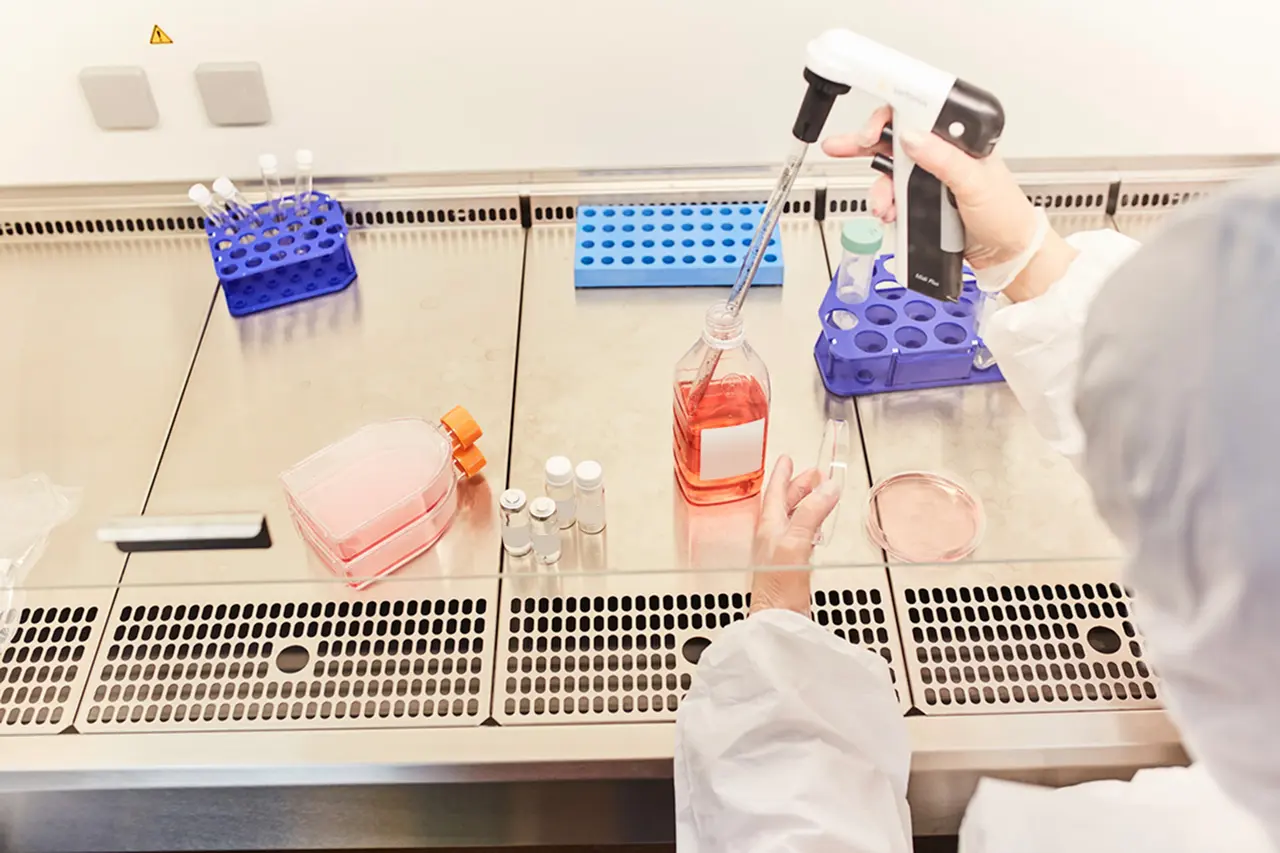
Integrated into Swiss Medica’s Proven Protocols
At Swiss Medica, SENSA Cells* are incorporated into our established regenerative treatment protocols to enhance biological response and functional activity across the same indications where MSC-based therapies are applied.
Produced directly within Swiss Medica’s laboratory infrastructure, SENSA Cells can be used in place of conventional MSC populations within existing protocols — without additional treatment cost.


Start with a Free Medical Consultation
- Answer your questions
- Assess your suitability for regenerative therapies
- Explain the treatment protocol, expected outcomes, and next steps
- Provide a cost breakdown and explain pricing factors
Scientific Foundation
The biological principles behind SENSA Cells are supported by published research on stress-enduring regenerative cell populations, including MUSE-type cells and advanced MSC subpopulations.

Kuroda Y. et al. Unique multipotent cells in adult human mesenchymal cell populations. PNAS, 2010.
PubMed Article
Muse Cells: Seven-Year Retrospective Review. International Journal of Molecular Sciences, 2016.
PMC Full Article
Dezawa M. Muse cells provide the pluripotency of mesenchymal stem cells: Direct contribution of muse cells to tissue regeneration. Cell Transplantation, 2016.
PubMed Article
Therapeutic Potential of Adipose-Derived SSEA-3-Positive Muse Cells for Treating Diabetic Skin Ulcers. PMC4303359.
PMC Full Article