 swiss medicaXXI century S.A.
Physician-Supervised Regenerative Medicine Protocols
We specialize in mesenchymal stem cell (MSC) therapy, exosome and secretome therapies, extracellular vesicles, and next-generation regenerative cell technologies. All cell-based products are produced, quality-controlled, and validated in our internal laboratory. Treatment programs also include diagnostics, rehabilitation, and physician follow-up within a comprehensive medical framework adapted to each patient’s diagnosis and condition.
Swiss Medica introduces SENSA Cells, the 6th generation of our MSC-based cell therapy products focused on optimizing the performance and durability of cell-based treatments
This increased resilience may help the cells survive and remain active for longer after administration, potentially enhancing the overall effectiveness of regenerative therapy.
How Treatment Protocols Are Adapted to Each Patient

Every patient comes to Swiss Medica with a different diagnosis, disease stage, symptom pattern, medical history, and treatment goal. For this reason, the protocol is adapted before the program begins and may be adjusted again after on-site diagnostics.
Our doctors consider the patient’s age, general health, previous therapies, laboratory findings, imaging results, functional goals, and contraindications. They also assess whether the patient is receiving stem cell therapy for the first time or returning for a follow-up program.
This approach helps the medical team choose the appropriate cell source, dosage, stem cell delivery methods, supportive therapies, rehabilitation plan, treatment duration, and follow-up strategy. Some patients may not qualify for treatment if the medical team determines that the risks are too high or the expected benefit is limited
How Cell Dose Is Calculated
Our program typically delivers up to 460 million units of cell-based therapy per program (extended programs include additional doses). The exact dose is calculated on a per-kilogram basis. Exosomes, secretome, and macrophage-based products may be used as supportive components for boosting stem cell therapy.
Exosomes are particularly useful here. They carry many of the same signaling molecules MSCs are released, but they are smaller, easier to deliver, and help “carry the effect” further after the cells have done their primary work.
Indicative figure based on Swiss Medica's program structure. The actual dose depends on the protocol, indication, body weight, and clinical response
Treatment Goals: Key Areas of Therapeutic Focus
Swiss Medica protocols are designed around several biological and clinical objectives intended to support recovery and symptom management, preserve function, and improve quality of life.
Modulate Immune Response
In some conditions, the immune system may become overactive or fail to respond appropriately. MSCs are studied for their immunomodulatory properties, meaning they may help support a more balanced immune response.
Reduce Systemic Inflammation
Chronic inflammation is involved in many neurological, autoimmune, degenerative, and difficult-to-treat conditions. Persistent inflammatory activity may contribute to pain, fatigue, tissue stress, immune imbalance, and slower recovery processes. MSC-based therapy is studied for its potential to help regulate inflammation.
Support Tissue Regeneration and Repair
MSCs release biologically active molecules that support communication between cells and tissue repair processes. This may be beneficial in conditions associated with tissue damage, degeneration, impaired mobility, nerve dysfunction, or slower recovery after injury. The goal is to create more favorable conditions for the body’s own recovery mechanisms.
Support Nervous System Repair and Protection
Many neurological conditions involve ongoing damage to nerve cells caused by inflammation, oxidative stress, and other biological processes. MSCs are being studied for their potential to support the cellular environment surrounding neurons and help protect nervous system tissues. This area of research is particularly relevant to conditions such as multiple sclerosis (MS), Parkinson's disease, ALS, stroke, and spinal cord injury.
What Patients Can Expect After Treatment
Regenerative effects often unfold gradually over weeks and months. Swiss Medica does not promise guaranteed results — we describe what is typically observed and supported by clinical experience.
Early response window
Early-stage improvements may appear: better sleep, improved mood, more stable energy, and reduced fatigue. The body begins integrating the regenerative signals delivered during the program.
Main response window
Inflammation modulation continues. Patients often describe their most observable changes here — reduced pain, better mobility, clearer speech, improved focus or behavior, better rehabilitation tolerance, and more stable clinical readings.
Continued progress
Recovery and learning (for ASD patients) can progress more efficiently with rehabilitation and supportive care. Many patients consolidate gains, and some continue measurable improvement past the 6-month mark.
Results Across Treatment Programs
Symptom Improvements in Patients with ASD
 Speech
 Eye contact
 Play
Play
 Sleep & eating
Sources: collected testimonials and measurable patient-reported outcomes
Improvements in Patients with Multiple Sclerosis



Sources: collected testimonials and measurable patient-reported outcomes
Significant Improvements for Other Conditions
Sources: collected testimonials and measurable patient-reported outcomes
Results may vary depending on the individual condition, disease stage, medical history, and the protocol followed.
Cell Products Used in Our Treatment Protocols
Stem cells used in therapy are selected to match the patient’s clinical needs.
Mesenchymal Stem Cells (MSCs)
Exosomes
Macrophages
Secretome
Stromal Vascular Fraction (SVF)
Neural Progenitor Cells
T-regulatory Cells (T-reg)
Natural Killer Cells (NK cells)
SENSA cells
Official Dezawa MuseCells® Technology Available at Swiss Medica
Swiss Medica collaborates with Dezawa MuseCells® and can source officially licensed Dezawa cells upon patient request for use in selected treatment protocols. Muse cells are being studied for their ability to selectively home to sites of injury and contribute directly to tissue repair. This has made them a focus of research in areas such as stroke, spinal cord injury, and other complex regenerative medicine applications.
An Intensive 3–21-Day Regenerative Medicine Program
Depending on the condition being treated, programs typically last between 3 and 9 days (longer upon the patient's request). Accommodation, meals, daily care, and scheduled therapies are included, while our medical team provides 24/7 monitoring throughout the stay.
Initial Medical Evaluation
Before anything else, our medical team reviews the patient’s history, diagnostic data, and current symptoms to assess whether stem cell therapy is appropriate — and safe — for them.
If treatment risks outweigh the expected benefit, the patient may not be accepted for the program.
Personalized Protocol Design
After the medical review, the team prepares a treatment plan and a stem cell therapy cost estimate. While core treatment frameworks are well established, certain elements may be adapted to the patient’s condition, medical history, and treatment goals.
Autism treatment programs follow structured protocols based primarily on the duration of the patient’s stay at the clinic.
Arrival & On-Site Diagnostics
On arrival, the patient undergoes in-clinic diagnostics so that the protocol reflects their current condition — not just the data sent before travel. Alongside medical care, Swiss Medica helps coordinate travel arrangements and day-to-day support at the clinic.
Stem Cell Administration
Before administration, all biological products undergo a controlled laboratory pathway. The doctor selects the administration route according to the diagnosis, treatment goals, safety profile, and type of biological product. In some programs, several delivery methods may be combined to support systemic and local therapeutic goals.
Additional Procedures That Support Regeneration
Regenerative therapy works best when the biological part of the program is supported by a broader clinical plan. For this reason, supportive therapies are selected to help the patient’s body respond, recover, and maintain progress after the clinic stage.
Monitoring During Treatment
Treatment does not end with cell administration. Our medical team monitors patients throughout their stay, evaluates their response to therapy, and makes adjustments to the treatment plan when appropriate.
Home Protocol
In some protocols, the home stage may continue for up to 5 weeks to help reinforce the biological activity initiated during the clinic program. The exact recommendations are selected individually by the physician.
Free Follow-Up Check
A remote follow-up consultations are typically scheduled at 3 and 6 months to assess progress and treatment response. In addition, a complimentary follow-up clinic visit is included in treatment packages. The doctor may recommend:
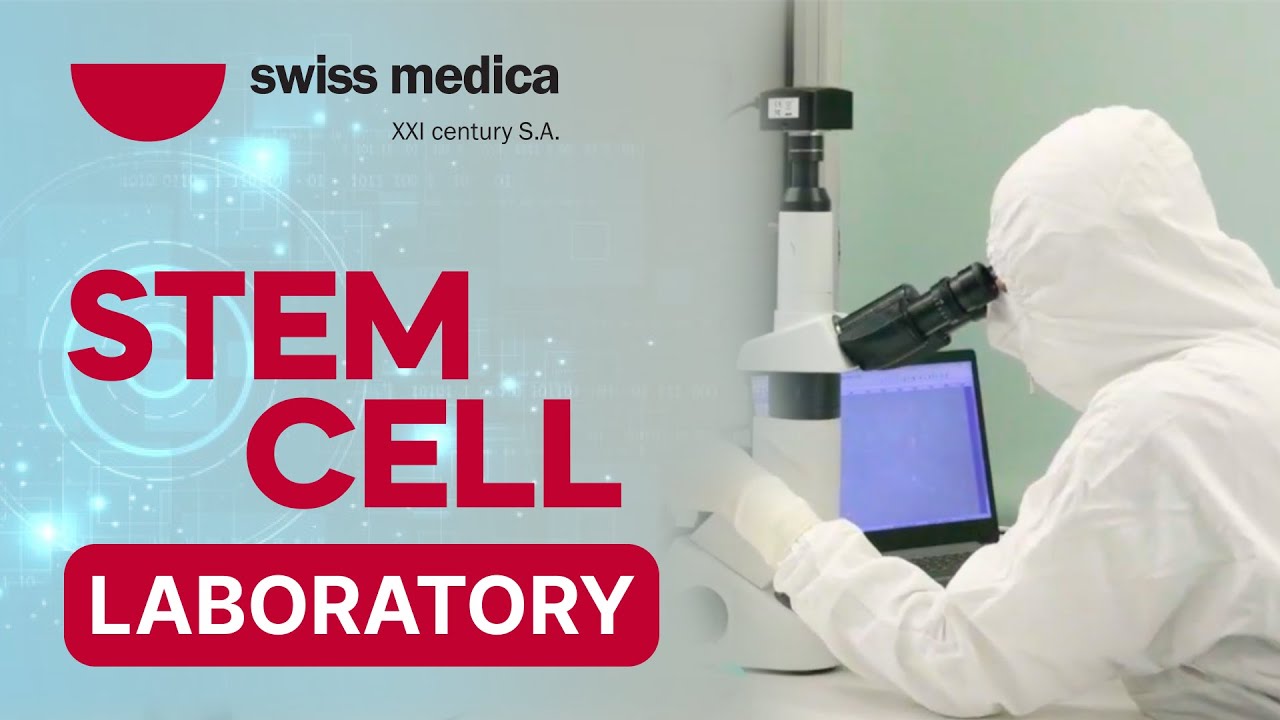
Inside Our Lab: From Cell Source to Medical Release
-
 Cell source confirmed donor-derived or patient-derived
 -
Product prepared under controlled conditions in Swiss Medica's Europe-based GMP lab following established quality-control procedures for preparation and, storage.
-
Quality parameters checked microbiological screening and assessment of sterility, viability, and concentration
-
Clinical release before administration The final review of the prepared product before it is administered to the patient.
Cell Validation & Quality Assessment
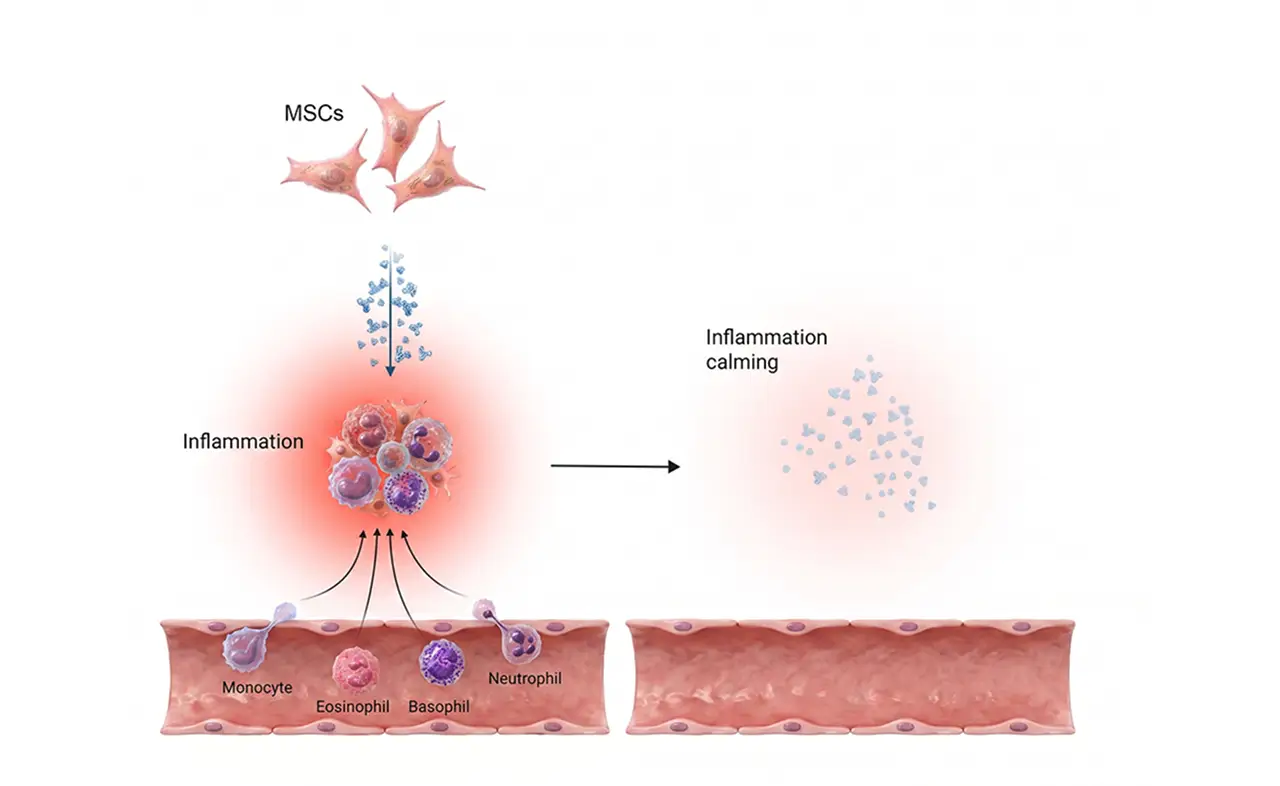
Immune Compatibility of MSCs
A key consideration in any donor-derived cell therapy is how the cells interact with the recipient’s immune system. The characteristics below help explain why MSCs are commonly used in allogeneic regenerative medicine protocols.
MSCs influence immune signaling and help regulate immune responses through their immunomodulatory properties.
MSC products express low levels of immune-recognition markers (MHC class II molecules). This may help reduce the likelihood that the body's immune defenses will react against the administered cells and limit their intended biological activity.
MSCs do not become a permanent part of the patient's tissues or alter the patient's DNA. Their effects are believed to occur primarily through signaling molecules and interactions with surrounding cells rather than through genetic integration.
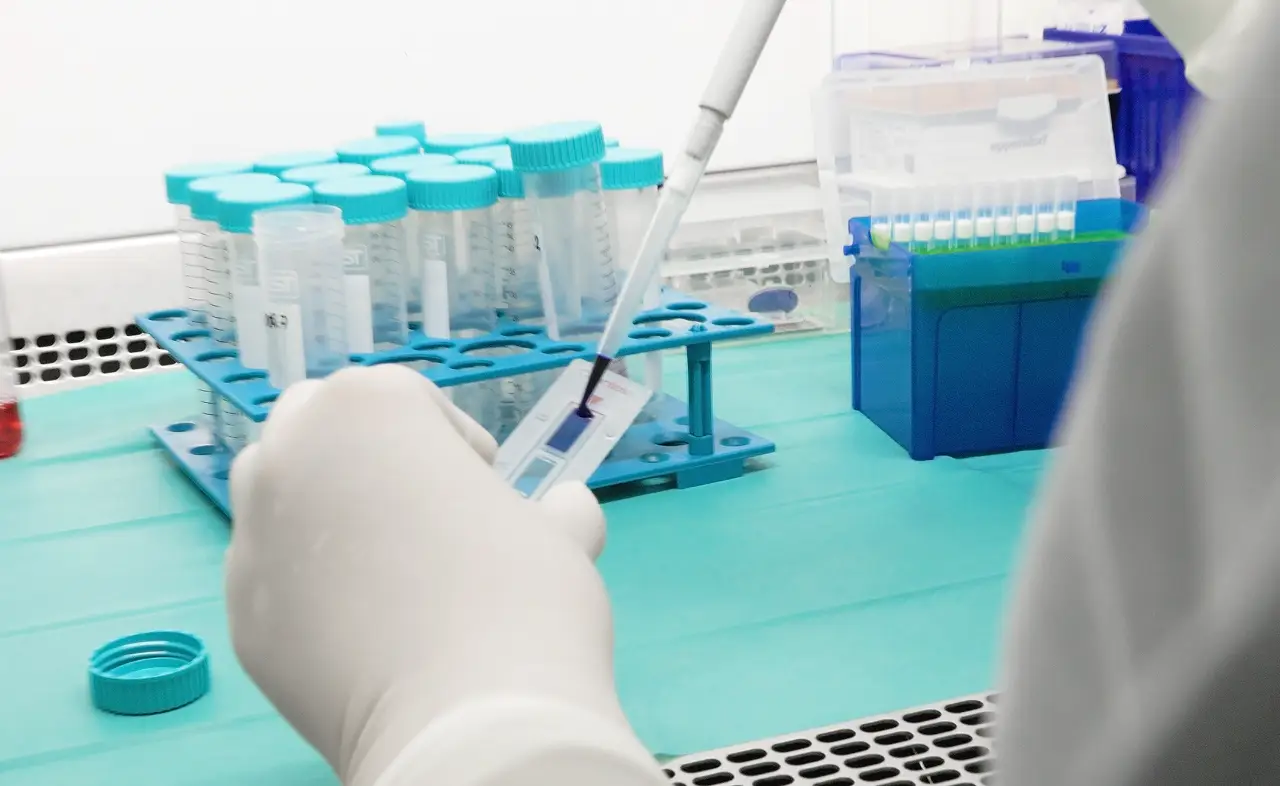
Sterility and Safety Assessment
Sterility and safety assessment focus on reducing the risk of microbial contamination. This includes donor screening, controlled handling, microbiological checks, storage control, and final review before administration. This step is one of the key safety points in the Swiss Medica protocol. It helps ensure that the biological product used in treatment is traceable, properly handled, and suitable for the planned clinical application.
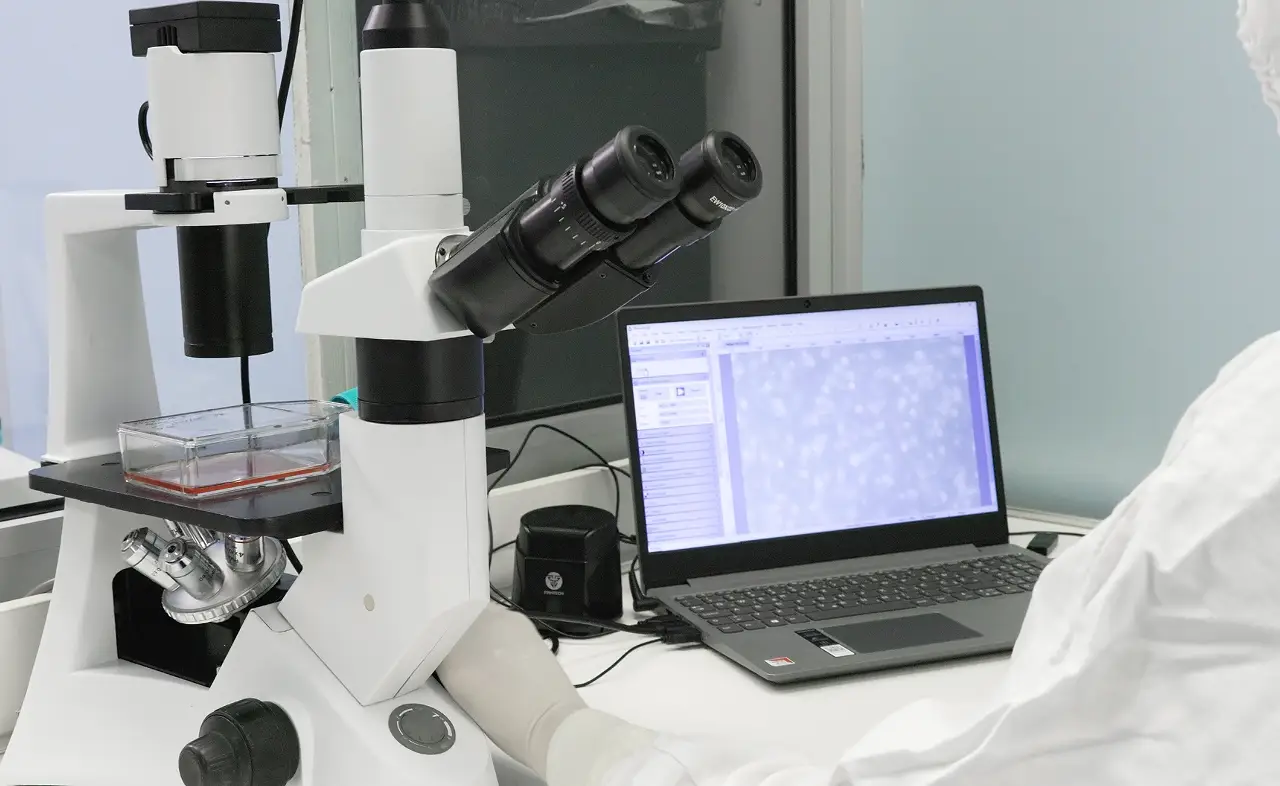
Cell Viability Testing
Cell viability testing measures the percentage of living cells within a prepared cell product before administration. High viability helps ensure that cells remain capable of carrying out their intended biological functions after treatment. As part of Swiss Medica’s quality-control procedures, cell products undergo viability assessment before clinical release. MSCs prepared in our GMP laboratory typically demonstrate viability rates of 95–98%.
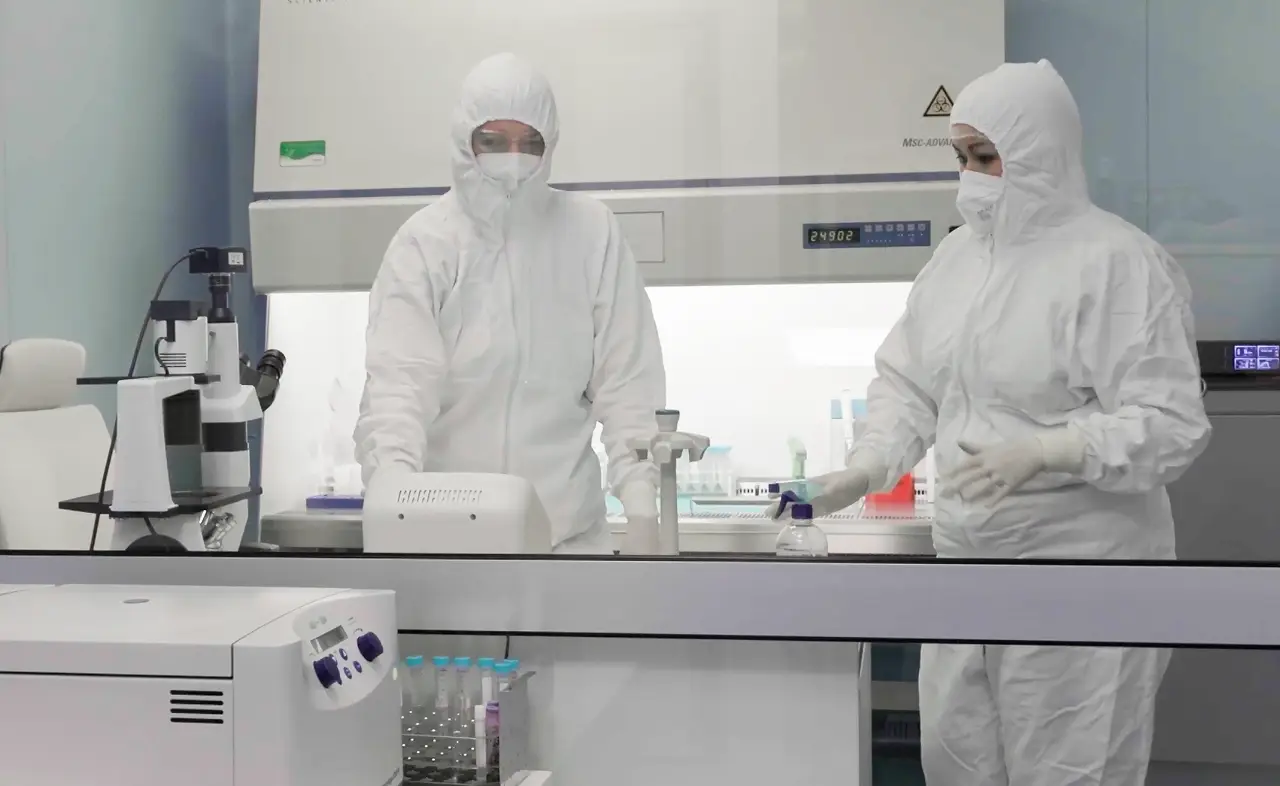
Research-Informed Clinical Practice
We have developed a multidisciplinary medical and scientific team that includes specialists in neurology, cardiology, pediatrics, internal medicine, rehabilitation, laboratory medicine, and other fields. This broad clinical expertise supports the interpretation of emerging scientific research and its integration into patient care. Our treatment approaches continue to evolve through clinical observations and the analysis of patient outcomes as well. Swiss Medica supports this progress through its own ongoing research initiatives:
Start with a Free Medical Consultation
- Answer your questions
- Assess your suitability for regenerative therapies
- Explain the treatment protocol, expected outcomes, and next steps
- Provide a cost breakdown and explain pricing factors
FAQ
Selected Research & Clinical Reviews
MSC Mechanisms
MSC Mechanisms and Clinical Evidence
Frontiers in Bioengineering & Biotechnology (2025)Parkinson's
Mesenchymal Stem Cells in Parkinson's Disease
Frontiers in Cell & Developmental Biology / PMC (2021)Amyotrophic lateral sclerosis
Cellular Therapy in ALS (featuring MSC research)
Frontiers in Cell & Developmental Biology