swiss medicaXXI century S.A.
Spinal cord injury (SCI) changes daily life in ways conventional therapy cannot always fully address—limited mobility, neuropathic pain, loss of sensation, and reduced independence often remain despite rehabilitation. Patients searching for additional natural options often come across regenerative medicine.
In this context, stem cell treatment for spinal cord injury is studied as a supportive approach that may complement standard rehabilitation by improving the local environment around damaged tissue. It is not a cure, but in selected cases it may help create conditions in which some recovery becomes more achievable.

How Stem Cells May Support Spinal Cord Recovery
After an SCI, damage extends beyond the initial site—inflammation, scar tissue, and loss of supporting cells continue for weeks and months.
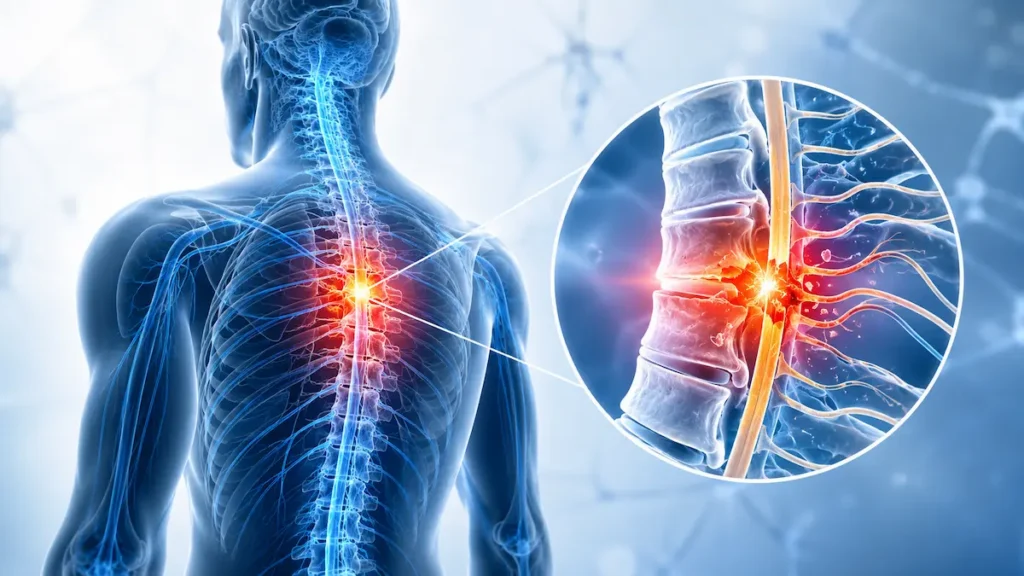
Most clinical research in the field of stem cell therapy for spinal cord injury regeneration focuses on mesenchymal stem cells (MSCs) and, in some protocols, MSC-derived exosomes. Rather than replacing lost nerve tissue, these therapies are thought to influence the injured environment and support the body’s own repair mechanisms.
Proposed mechanisms include:
- modulation of post-injury inflammation;
- release of growth factors that support surviving neurons;
- reduction of scar tissue (glial scar) that blocks axonal regeneration;
- support for endogenous repair processes already underway.
Interested in the Broader Mechanism of MSC Action?
You can explore their paracrine signaling and how they achieve anti-inflammatory effects in chronic conditions.
Read more in our separate article about how stem cell therapy works.
Acute, Subacute, and Chronic SCI: Why Timing Can Matter
Clinical research distinguishes three phases of injury, and the response to cell therapy differs across them:
| Phase | Timing | Notes for cell therapy |
| Acute | First days after injury | Inflammation and instability limit safe intervention |
| Subacute | ~2 weeks to 6 months | Most studied in MSC trials, often with the strongest response |
| Chronic | 6+ months after injury | Treatment is still possible; gains tend to be smaller |
Timing does not exclude anyone from treatment, but it is a key factor in setting realistic expectations for recovery.
Can Stem Cells Repair Spinal Cord Injury?
A common question is whether stem cell therapy for spinal cord injury can repair the damaged cord in the literal sense of restoring lost function. Current evidence does not support that claim. Stem cells may, however, support the body’s own repair processes in selected patients.
Why the Word “Repair” Must Be Used Carefully
In neurology, the term repair generally refers to the restoration of damaged or severed nerve connections. To date, no clinical treatment has been shown to reliably regenerate a severely injured spinal cord and restore lost neural pathways in humans.
Stem cell approaches, primarily those based on mesenchymal stem cells (MSCs), pursue a more modest objective: improving the biological environment within the injured spinal cord, limiting secondary damage, and supporting the function of surviving neural tissue.
While some patients may experience improvements in certain functions, claims of complete spinal cord regeneration or guaranteed recovery should be viewed with caution.
What Improvements May Look Like in Daily Life
Reported improvements after MSC therapy in SCI are usually functional rather than structural—incremental gains that translate into everyday activities rather than the dramatic recoveries sometimes portrayed online. Among patients who respond to treatment, these may include:
- changes in sensory perception;
- better muscle activation in partially preserved muscle groups;
- improved trunk stability and balance;
- reduced neuropathic pain;
- easier participation in physical therapy;
- improved bladder or bowel control in selected cases;
- greater independence in daily activities.
Complete vs Incomplete Injury: Why Outcomes Can Differ
In incomplete SCI, some neural pathways across the injury site remain intact. In complete SCI, no signals cross the injury level.
Cell-based therapy depends on these residual pathways to translate biological support into functional gains, which is why incomplete injuries tend to show more measurable improvement. Both groups may benefit, but expectations are calibrated during evaluation.
How Effective Is Stem Cell Therapy for SCI?
Effectiveness in SCI is judged not by structural restoration but by measurable functional change — sensation, motor activation, autonomic function, and quality of life. How successful stem cell therapy for spinal cord injury can be depends on several factors, including the level and severity of the injury, the time elapsed since injury, overall health status, and the consistency of rehabilitation.
What Current Research Suggests
Clinical research on stem cell therapy for spinal cord injury has expanded rapidly recently, with new findings published each year—a broader view of the evidence base is gathered in our stem cell therapy studies and clinical research overview.
A recent review in Brain & Spine describes encouraging findings in studies of subacute spinal cord injuries, including improvements in sensory and motor function in selected patients.
A 2025 review of 26 clinical studies on MSCs for SCI confirmed that MSC transplantation was safe across all studies, with varying degrees of patient improvement observed.
However, no stem cell protocol is currently considered a universally established cure or standard treatment for SCI.
Why Treatment Outcomes Differ Between Patients
Several variables shape how a patient responds to regenerative medicine for spinal cord injury:
| Factor | Why it matters |
| Injury completeness | Incomplete injuries respond more readily than complete ones |
| Preserved baseline function | The more motor, sensory, and autonomic function remains after injury, the higher the chance of a more noticeable treatment response |
| Time since injury | Subacute cases show stronger response than chronic injuries |
| Protocol used, including a cell type and delivery method | Intrathecal, intravenous, or combined approaches differ in reach |
| Rehabilitation intensity | Cell therapy works best alongside consistent physical therapy |
| Patient factors | Age, general health, and absence of complications influence response |
Expected outcomes are always discussed individually before treatment, based on imaging, neurological evaluation, and the broader medical picture.
Patient Experience with Stem Cell Therapy at Swiss Medica
This spinal injury patient story follows Joe, a patient from the UK who came to Swiss Medica after a back injury, two surgeries, degenerative disc disease, herniated discs, and persistent nerve symptoms in his legs. After his first treatment round, he reported being able to play football about three times a week, return to climbing and other activities, and feel noticeably fitter in daily life.
“Overall, I’d say I’ve had about 70% improvement, and some days it feels closer to 90% or even almost 100%. Before treatment, playing football could leave my back sore for a week, but now I can play regularly, stay active, and recover much better.”
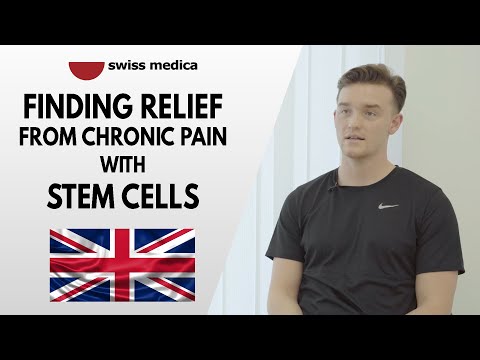
If you are considering stem cell therapy for a spinal injury, patient stories may help answer some of the questions that medical information alone cannot. You can watch more video reviews on the Swiss Medica YouTube channel.
How Swiss Medica Monitors Progress After Treatment
The individualized approach extends beyond treatment itself. After stem cells for SCI, each patient is followed using validated neurological scales (ASIA), functional independence measures, pain assessments, and imaging when indicated.
A free follow-up check is offered at 3–6 months to track real change, adjust rehabilitation support, and recalibrate expectations.
Who May Be a Candidate for SCI Stem Cell Treatment?
Whether a patient is eligible for stem cells for SCI is decided case by case after reviewing the injury level, completeness of the lesion, time since injury, imaging, and overall health. There are no rigid inclusion criteria, and excellent health is not a prerequisite—but several profiles tend to be considered more frequently.
Patients Exploring Options Beyond Conventional Rehabilitation
For patients who have plateaued in conventional rehabilitation but still see functional goals worth pursuing, stem cell therapy for spinal cord injury can help by supporting the biological environment in which rehabilitation continues to work. It is discussed as a complementary option after individual medical assessment, never as a replacement for ongoing physical and occupational therapy.
This is particularly relevant for incomplete injuries in the subacute phase, patients with persistent neuropathic pain, and those seeking to support functional gains already started.
When Treatment May Not Be Recommended
Treatment is generally not considered when:
- there is an active infection, especially near the planned injection site;
- there is an active malignancy or recent history of certain cancers;
- uncontrolled systemic conditions make any intervention unsafe;
- imaging shows complete structural disconnection with no realistic functional goal that the therapy could support.
Every case is reviewed individually with transparent discussion of expected benefits and limitations.
What Happens During Treatment at Swiss Medica?
The Swiss Medica program combines medical evaluation, cell-based therapy, and supportive rehabilitation.
For patients traveling to Belgrade, the stem cell therapy process is organized into three distinct stages:
-
1
Stem cell therapy application process and pre-treatment assessment
-
2
Cell preparation, delivery, and supportive rehabilitation
-
3
Discharge and follow-up care
What Happens During Treatment?
Do you want to see what the treatment journey looks like before you get here? Our team guides patients through every step—from the initial consultation to the follow-up after discharge—helping them plan and supporting them throughout their entire stay at the clinic.
Learn more about what to expect during stem cell therapy.
Medical Evaluation, Imaging, and Personalized Treatment Planning
On arrival, a multidisciplinary team—a neurologist, rehabilitation specialist, cardiologist, and others as needed—examines patients.
Existing imaging (MRI, CT) and lab results are reviewed, and additional safety checks are performed. Doctors then prepare an individualized plan specifying cell product, dose, delivery route, and supportive therapies.
Cell Preparation, Delivery Methods, and Supportive Therapies
Before administration, the cell product is prepared under controlled laboratory conditions, with testing for identity, viability, sterility, and contamination.
For SCI, stem cell injections for spinal cord injuries are delivered via:
- Intrathecal injection (into the cerebrospinal fluid) — the most direct route to the spinal cord;
- Intravenous infusion of donor MSCs for systemic anti-inflammatory effects;
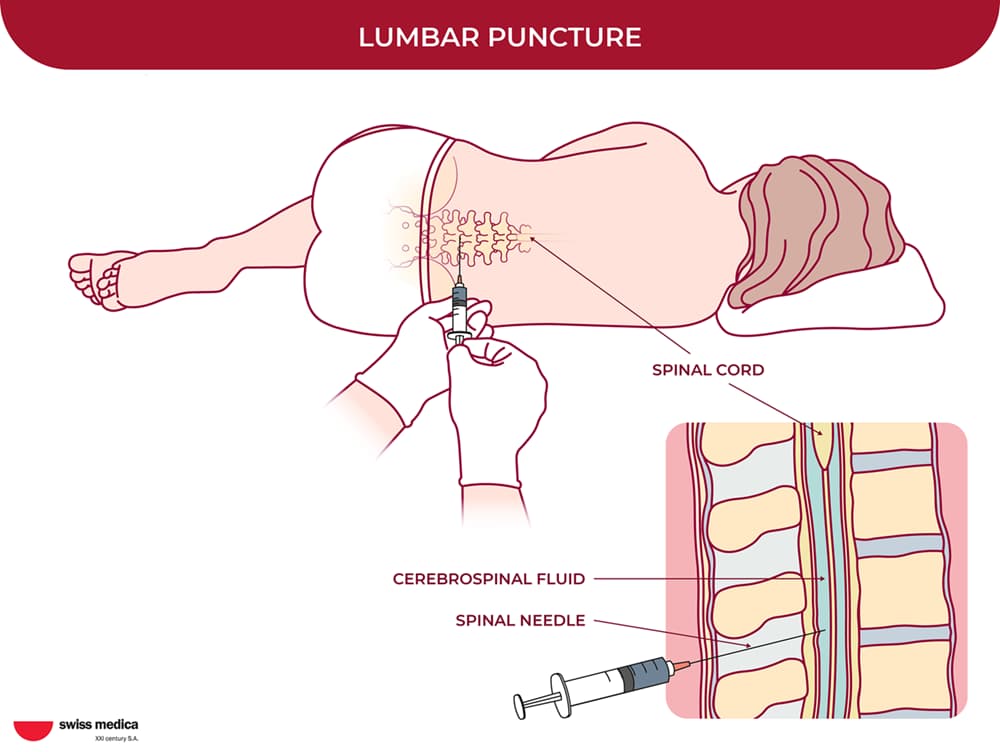
Treatment typically involves a 3-9-day in-clinic program with supportive therapies—physiotherapy, kinesiotherapy, functional electrical stimulation, IMR drips, and shockwave—integrated to maximize functional change.
Follow-Up Care After Treatment
Patients are not discharged the same day; there is always an observation period. The medical team stays in contact for several months, and a free follow-up check is offered at 3–6 months to assess progress and adjust the home plan.
Side Effects, Risks, and Safety Considerations
Like any interventional procedure, stem cell injections for spinal cord injuries may carry some risk. However, when MSCs are prepared in a controlled laboratory and administered by experienced clinicians, treatment is generally well tolerated, with most reported side effects mild and self-limiting. The Phase I trials cited above reported no serious adverse events attributable to the cell therapy itself.
Are There Serious Risks That Patients Should Understand?
While serious complications are uncommon, three areas deserve careful attention.
Procedural risk. Intrathecal injection requires lumbar puncture, which carries a small risk of post-puncture headache, transient back pain, or—very rarely—infection. For this reason, Swiss Medica places strong emphasis on patient screening, sterile procedures, and experienced medical staff to minimize potential complications and ensure that treatment is performed as safely as possible.
Immune-related risk. Donor MSCs have low immunogenicity—they do not strongly express the surface markers that typically trigger a vigorous immune response. This is one reason allogeneic MSC products from umbilical cord and placental tissue are widely used in regenerative protocols.
Long-term safety. Concerns about tumor formation in stem cell therapy historically apply to embryonic stem cells, which Swiss Medica does not use. To date, no documented evidence links adult mesenchymal stromal cells to tumor formation when properly sourced and administered.
Questions to Ask Before Choosing a Clinic
Choosing a clinic for stem cell therapy for spinal cord injury is a significant decision, and comparing prices alone rarely provides the information patients need. Instead, focus on questions that help clarify the clinic’s medical approach, safety standards, and treatment expectations:
- What type of cells are used?
- Where are cells processed, and what quality control is in place?
- Which delivery routes are used, and why?
- What outcomes are realistic for this specific injury and stage?
- What rehabilitation support is included after the cell-based portion?
- What follow-up is provided after discharge?
How Much Does Stem Cell Therapy Cost for SCI?
The stem cell therapy cost varies between countries, clinics, and programs. The stem cell therapy for spinal cord injury in the USA market shows elevated prices, reflecting operational and regulatory expenses rather than a difference in the medical approach.
Typical Cost of Stem Cell Therapy for Spinal Cord Injury at Swiss Medica
At Swiss Medica, treatment packages typically range from €7,000 to €45,000* (depending on the injury, treatment plan, and program length) and generally include medical evaluation, stem cell therapy procedures, supportive rehabilitation, accommodation, meals, airport transfers, and translation services.
Our stem cell treatment for spinal cord injury is based on established clinical protocols that are adapted to each patient’s condition, current functional status, and rehabilitation needs.
*Prices are indicative and based on 2026 estimates; they may vary depending on condition severity and required cell quantity.
Why Treatment Costs Can Differ
The final cost of stem cell therapy for spinal cord injury reflects clinical complexity, the cell product used, and the supportive care included alongside the cell-based portion.
At Swiss Medica, patients receive an individualized cost estimate only after their medical records have been reviewed and their eligibility, condition, and treatment needs have been assessed.
| Factor | How it affects the final cost |
| Injury level and completeness | Cervical and complete injuries often require more intensive supportive care and longer monitoring than thoracic or incomplete cases |
| Cell type and quantity | Donor MSCs from umbilical cords and autologous cell preparations differ in processing complexity and in the doses required. In some protocols, neural stem cell therapy may also be considered |
| Length of in-clinic program | The standard 3-9-day program may be extended for cases requiring more intensive observation, additional procedures, or expanded rehabilitation |
| Supportive rehabilitation | The mix of physiotherapy, kinesiotherapy, functional electrical stimulation, IMR drips, and shockwave is tailored to the patient’s functional goals |
| Home maintenance | Optional follow-up courses with exosome-based products after returning home are recommended for some patients to support continued response |
Why Patients Choose Swiss Medica for SCI Treatment
Patients from 70+ countries have come to Swiss Medica clinic in Belgrade for regenerative medicine for spinal cord injury and related neurological conditions.
Patients with related neurological conditions can also explore our page on stem cell therapy for brain injury.
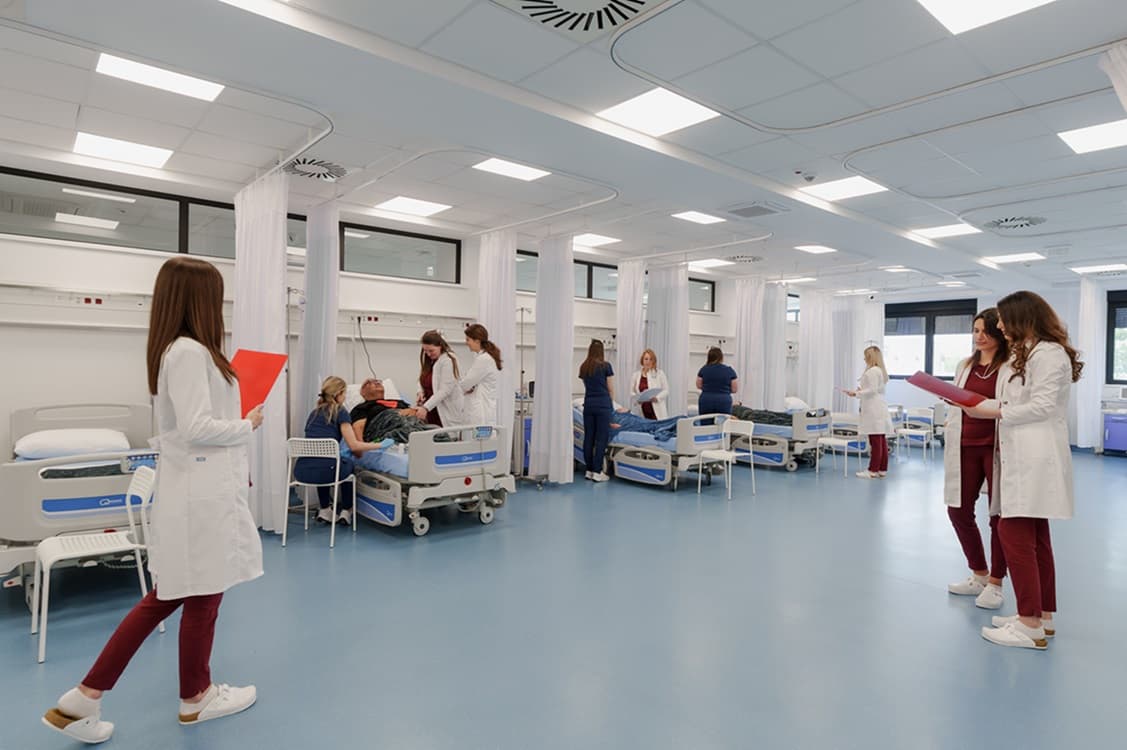
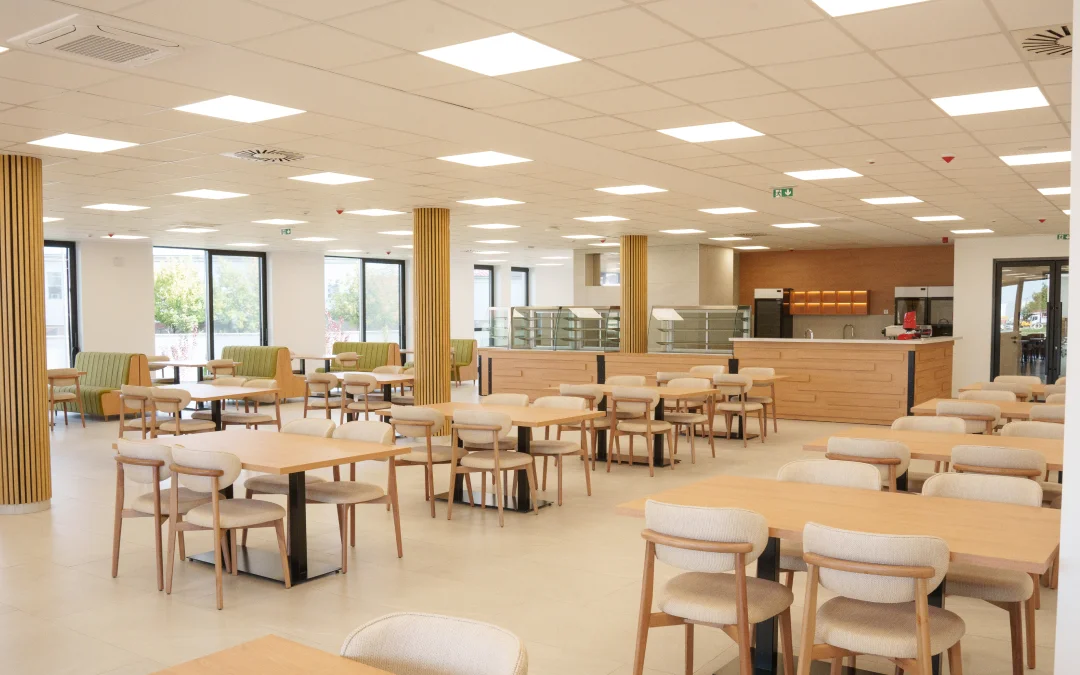
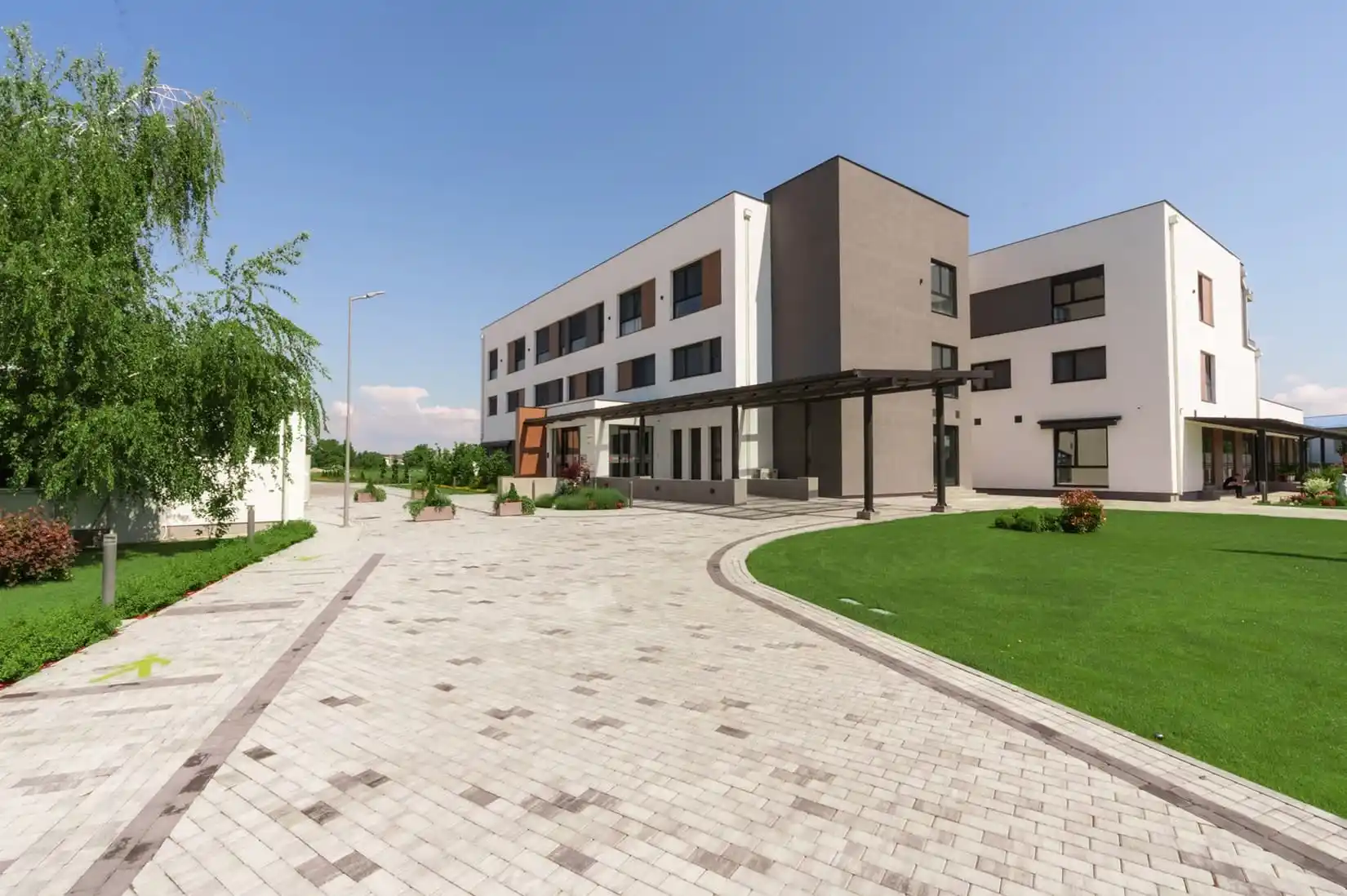
It’s worth noting that the Swiss Medica hospital is barrier-free and accessible for patients with reduced mobility. The facility has been designed to make moving around, attending procedures, and staying with an accompanying person as convenient as possible.
Individual Medical Review Before Treatment
Treatment is built around established clinical protocols adapted to the patient’s injury level, completeness, time since injury, general health, and rehabilitation goals. Before recommending stem cell therapy for spinal cord injury, doctors review the case individually and explain whether there is a reasonable expectation of benefit.
In-House Cell Preparation and Quality Standards
Cell products are developed and processed in our in-house laboratory, which meets EU GMP Grade A cleanliness standards. Keeping the process in-house eliminates risks associated with external suppliers or transport, and Serbia offers a cost-effective environment for this care under EU-aligned regulations.
Rehabilitation Support for Mobility and Independence Goals
For SCI patients, recovery with stem cell therapy for spinal cord injury is most meaningful when it is integrated with active rehabilitation. The in-clinic program combines cell-based treatment with physiotherapy, kinesiotherapy, functional electrical stimulation, and other supportive modalities—selected to match each patient’s goals, whether trunk stability, hand function, reduced spasticity, or greater daily independence.
Support for International Patients Traveling to Serbia
The English-speaking team coordinates travel, accommodation, airport transfers, and translation. Patients may bring one accompanying person, and the clinic will provide meals during their stay.
Do you want to know more about the team, facilities, and care model behind Swiss Medica?
You can explore the clinic background, the medical team, the GMP-certified laboratory, and the organization of international patient programs.
Read more about Swiss Medica.
Richard, a patient from Amsterdam with a C4 spinal cord injury, came to Swiss Medica looking for a more active and comprehensive approach than medication-based support alone. He chose Belgrade because stem cell therapy for spinal cord injury was not available for him in the Netherlands, and he wanted a program that combined regenerative procedures with technologies aimed at activating the body.
“It is a medical facility, but it feels more like a hotel. The rooms are adapted, the bed is electric, and everything is accessible by wheelchair. They also have advanced equipment to help reduce spasticity and improve muscle strength—equipment I had not seen in the Netherlands. For me, this is a multi-purpose approach: stem cells, rehabilitation, and the right technology working together.”

Speak With a Medical Advisor About Your Spinal Cord Injury
The next step for patients considering stem cell treatment for spinal cord injury is a free medical consultation.
Get a free online consultation
Our doctors will review your medical history, explain realistic options, and help you understand what a personalized program might look like. Fill out the form below, or send your medical records to our team.

Medical Advisor, Swiss Medica doctor
FAQ
1. Can people with chronic spinal cord injury receive stem cell therapy?
Yes, patients with chronic SCI may be considered, though expected gains tend to be smaller and slower than in subacute cases. Each case is reviewed individually based on injury level, completeness, imaging, and rehabilitation status.
2. Who is a good candidate for SCI stem cell treatment?
The most studied profiles include patients with incomplete injuries in the subacute phase and those with persistent neuropathic pain. Suitability for stem cell treatment for spinal cord injury is decided on a case-by-case basis after detailed medical and neurological assessment.
3. Does timing after injury matter?
Yes. Most clinical research shows the strongest response in the subacute phase (around two weeks to six months after injury). Treatment is still possible in chronic SCI, but functional gains are usually smaller.
4. How effective is stem cell therapy for spinal cord injury?
Recent trials report safety and measurable improvements in sensation, motor function, or independence for some patients. The evidence is encouraging in selected scenarios but does not yet support a universal recommendation, and individual outcomes vary based on injury type and rehabilitation.
5. Can stem cells repair spinal cord injury?
Not in the literal sense of restoring all lost connections. They may support the body’s natural repair processes, reduce inflammation, and improve the biochemical environment around the injury, but they do not regrow severed nerves.
6. Can stem cell therapy cure paralysis?
No. Cell-based therapy may help selected patients regain partial function or reduce symptoms, particularly in incomplete injuries, but it is not a cure.
7. Is rehabilitation still needed after stem cell therapy?
Yes. Rehabilitation remains essential. Cell-based therapy is most useful when integrated with consistent physiotherapy, kinesiotherapy, and functional training, which together translate any biological response into measurable real-world improvement in mobility, daily activities, and independence.
8. How much does stem cell therapy cost for spine or SCI?
At Swiss Medica, the cost of stem cell therapy for spinal cord injury typically ranges from €7,000 to €45,000* depending on the injury and individualized plan. Prices in the USA, Switzerland, and the UK are generally higher due to operational and regulatory costs.
*Prices are indicative and based on 2026 estimates; they may vary depending on condition severity and required cell quantity.
9. What are the negative side effects of stem cell therapy?
Most reported side effects of mesenchymal stem cell therapy for spinal corf injuries are mild and short-lived: post-puncture headache, transient back pain, brief fatigue, or mild soreness at the injection site. Serious adverse events have been uncommon in published clinical trials.
10. Is stem cell therapy for spinal cord injury FDA-approved?
Mesenchymal stem cell injections for spinal cord injury are not approved by the FDA as a standard therapy in the United States.
References:
Sugai K, Nakamura M, Okano H, Nagoshi N. Stem cell therapies for spinal cord injury in humans: A review of recent clinical research. Brain & Spine. 2025;5:104207. https://pubmed.ncbi.nlm.nih.gov/40027291/
Bydon M, Qu W, Moinuddin FM, et al. Intrathecal delivery of adipose-derived mesenchymal stem cells in traumatic spinal cord injury: Phase I trial. Nature Communications. 2024;15(1):2201. https://pubmed.ncbi.nlm.nih.gov/38561341/
Akhlaghpasand M, Tavanaei R, Hosseinpoor M, et al. Safety and potential effects of intrathecal injection of allogeneic human umbilical cord mesenchymal stem cell-derived exosomes in complete subacute spinal cord injury: a first-in-human, single-arm, open-label, phase I clinical trial. Stem Cell Research & Therapy. 2024;15(1):264. https://pubmed.ncbi.nlm.nih.gov/39183334/
Shkap M, Namestnikova D, Cherkashova E, et al. Clinical Insights into Mesenchymal Stem Cell Applications for Spinal Cord Injury. International Journal of Molecular Sciences. 2025;26(24):12139. https://pubmed.ncbi.nlm.nih.gov/41465577/
Akhlaghpasand M, Tavanaei R, Hosseinpoor M, et al. Effects of Combined Intrathecal Mesenchymal Stem Cells and Schwann Cells Transplantation on Neuropathic Pain in Complete Spinal Cord Injury: A Phase II Randomized Active-Controlled Trial. Cell Transplantation. 2025;34:9636897241298128. https://pubmed.ncbi.nlm.nih.gov/39874104/


MD, Pediatrician, Regenerative Medicine Specialist