swiss medicaXXI century S.A.
Chronic Obstructive Pulmonary Disease (COPD) is a progressive lung condition that makes breathing more and more difficult, often turning simple daily tasks into a challenge. Standard treatments can relieve symptoms and slow progression, but they cannot repair the lung damage caused by COPD.
Stem cell therapy for COPD takes a different approach: using stem cells to reduce inflammation, support tissue repair, and improve lung function. This is not a cure, but for many patients, it offers measurable improvement in breathing capacity and quality of life.
Understanding COPD and Its Impact
COPD is an umbrella term for chronic lung diseases (primarily emphysema and chronic bronchitis) that obstruct airflow and damage lung tissue. We will simply describe the basic mechanism below.
What Happens To The Lungs in COPD
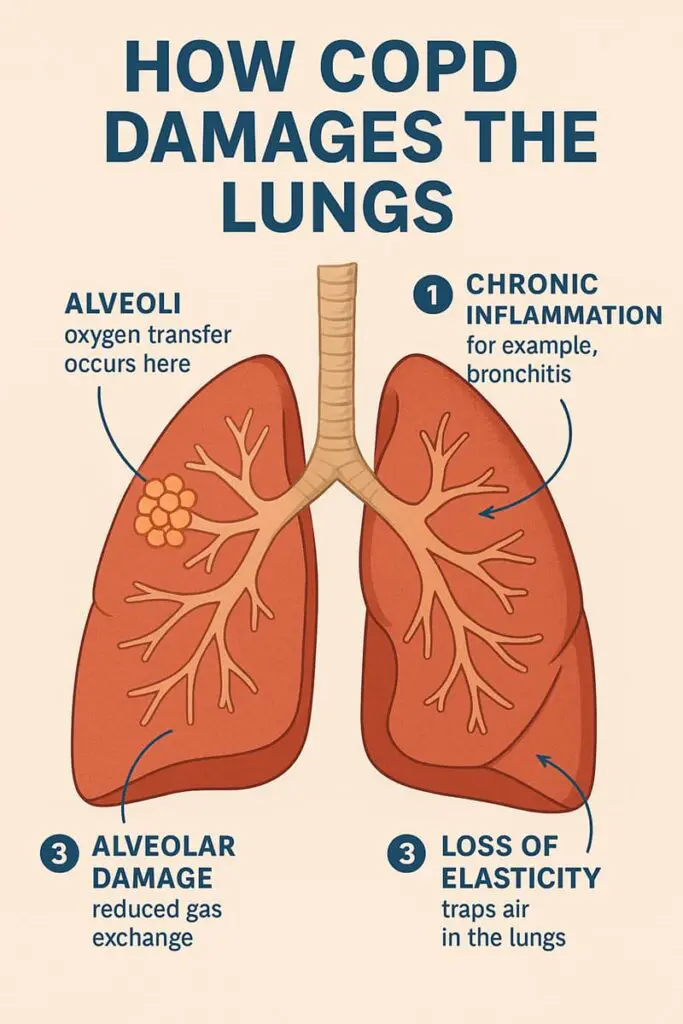
Our lungs rely on millions of tiny air sacs called alveoli to transfer oxygen into our blood. COPD damages these structures through chronic inflammation. For example, in chronic bronchitis, the bronchial tubes—lung airways—are persistently inflamed and produce excess mucus, which clogs the air passages. Alveolar walls break down, reducing the surface area available for gas exchange. The lungs lose elasticity, trapping air and making exhalation difficult. The result: the body struggles to get the oxygen it needs.
Main Symptoms and Disease Progression
COPD symptoms often start mild and become more severe over the years. Common signs include:
- Shortness of breath, especially during physical activity
- Persistent cough that produces mucus
- Wheezing—a whistling sound when breathing
- Chest tightness or discomfort
- Shortness of breath during strenuous exercise on early stages
- Breathlessness during daily activities like walking or dressing on later stages
- Chronic fatigue
- Frequent respiratory infections
Why Conventional Therapies Can Only Slow The Process
Current standard COPD treatments focus on easing symptoms and preventing flare-ups:
- Bronchodilator inhalers or corticosteroids help open airways and reduce inflammation, which can improve breathing to a degree.
- Support therapies like oxygen therapy or pulmonary rehabilitation exercises can assist with low blood oxygen levels and strengthen breathing muscles.
However, all these approaches do not repair lung tissue; instead, they exacerbate the disease.
These limitations have sparked a lot of interest in regenerative approaches like stem cell treatment for COPD. This therapy goes beyond simply controlling symptoms by repairing damaged lung cells—something traditional treatments cannot do.
What Is Stem Cell Therapy for COPD?
COPD treatment with cell treatment is a regenerative medicine approach that uses stem cells’ natural ability to help lung tissues recover.
Types of Stem Cells Used in COPD Treatment
Stem cells for respiratory diseases most commonly involve mesenchymal stem cells, which are considered the safest and most widely used. In most cases, stem cells from a healthy donor are used. Their source is donated placenta or umbilical cord tissue obtained after a healthy birth.
MSC therapy for COPD showed enhanced regenerative capacity and minimal risks for immune rejection.
MSCs don’t act like a miracle; they work in certain ways that scientists have known about for more than 50 years. To learn more about MSCs and how they work, read our dedicated article.
Read moreHow Does Stem Cell Therapy Work for COPD?
Many patients wonder, “Can stem cells help with COPD?” Yes, they have the potential to benefit the lungs by reducing inflammation, promoting tissue repair, and facilitating recovery. The process is gradual—improvement builds over weeks and months as lungs respond to regenerative support.
Mechanisms of Action: Immune Modulation and Tissue Regeneration
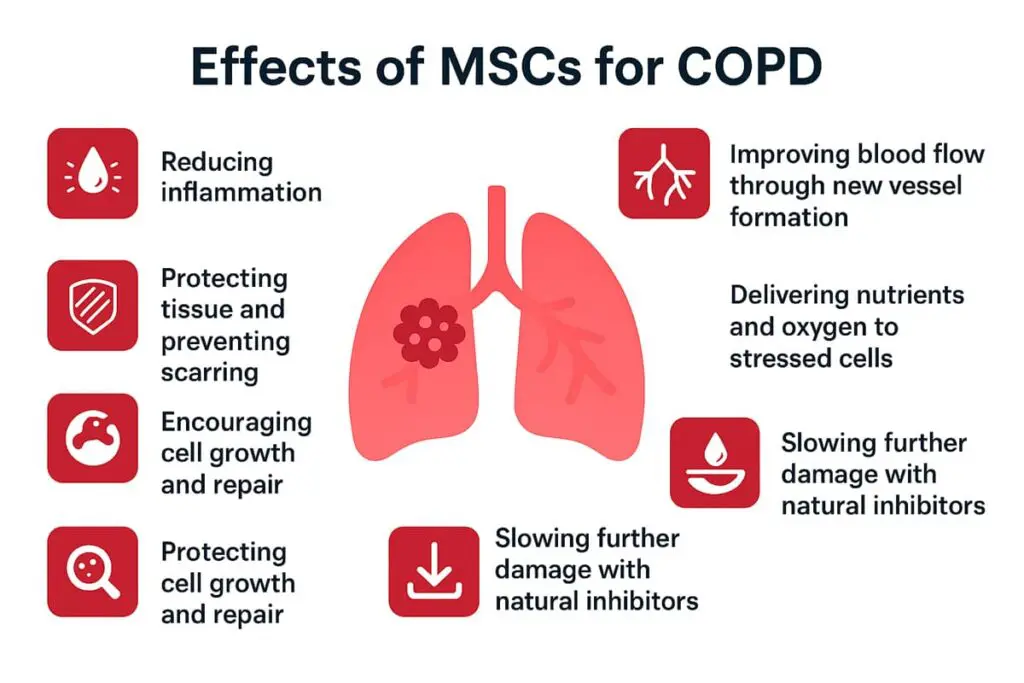
COPD treatment with stem cells works through several biological mechanisms:
- Immune modulation. In COPD, the immune system’s constant inflammatory state ends up harming lung tissue. When MSCs are introduced, they secrete anti-inflammatory factors and can help calm the excessive autoimmune response, giving the body the opportunity to regenerate while also accelerating this recovery process.
- Tissue regeneration. Once delivered into the body (usually through the bloodstream, sometimes via inhalation), many of the cells will home in on the lungs where damage has occurred. They release a cocktail of growth factors that accelerate the recovery of lung tissue by reducing the ongoing assault on it.
In addition to MSCs, exosomes—cell-free particles derived from stem cells—can be used. They perform faster than MSCs because they already contain active molecules like cytokines, growth factors, and regulatory RNAs. Unlike stem cells, exosomes don’t need time to settle or multiply; they begin influencing the surrounding tissue right after administration.
Discover the therapeutic potential of exosomes in complex conditions and how they work in conjunction with MSCs, based on scientific research and clinical outcomes.
Read moreRegeneration vs. Repair: Can Stem Cells Cure COPD?
Stem cell therapy does not cure COPD. It works through functional repair: supporting and optimizing the remaining lung tissue, reducing ongoing damage, and helping lungs work more efficiently. MSCs stabilize and improve the performance of a damaged structure but do not completely rebuild the lungs.
Main Therapeutic Goals of Stem Cell Treatment for COPD
Regenerative medicine specialists use stem cell therapy for lungs to do what traditional treatments often can’t: slow the disease, calm ongoing inflammation, and help the lungs work more efficiently with the tissue that’s still healthy.
Benefits of Stem Cells for COPD Patients
Stem cell transplant for COPD has shown a range of potential benefits for patients. They vary by individual, but the main areas may be as follows:
| Benefit | How Can Stem Cells Help with COPD Symptoms and Causes |
| Better Breathing & Stamina | Easier breathing, more endurance, less breathlessness during daily activities, walking farther without stopping, climbing stairs with less difficulty. |
| Reduced Inflammation & Flare-Ups | Fewer coughing episodes, less mucus, fewer hospital visits for COPD attacks. |
| Improved Oxygen Exchange | More efficient oxygen uptake, healthier lung tissue, better organ function. |
| Enhanced Quality of Life | More energy, improved mood, better sleep and appetite, increased independence. |
Get a free online consultation
Book an online consultation with Swiss Medica, a stem cell treatment clinic for COPD and other chronic conditions, to determine if a regenerative approach is right for you. Fill out the form below with your contact information, and our medical advisor will schedule a time that is convenient for you.

Medical Advisor, Swiss Medica doctor
Clinical Results and Success Rates of Stem Cell Treatment for COPD
What Studies Show About Stem Cell Therapy for COPD
These studies below show that stem cell transplants for COPD can measurably improve lung function and reduce symptoms in many cases, with ongoing research working to show more positive outcomes.
- A 2023 clinical trial in China reported that 17 out of 20 treated patients were able to breathe better, walk farther, and had a better quality of life after the therapy. Objective measures in that study showed significant gains: patients’ lung diffusion capacity improved by roughly 30%, and their six-minute walking distance increased by an average of 37 meters within 24 weeks.
- Another study using umbilical-cord MSCs has similarly found reduced inflammation markers, improved pulmonary function tests, and a reduced number of exacerbations.
Real Patient Stories and Outcomes
Swiss Medica, a leading stem cell treatment clinic, has treated COPD patients from around the world. Over the last 14 years, 80% of our patients have experienced improvements and have shared their stories. Below is just one example; you can find more on our YouTube channel.
— A patient from Scotland
“I have severe emphysema. Before stem cell therapy, I was exhausted all the time, barely able to walk or do anything. Seven months later, everything’s changed. I’ve got more energy, more stamina, and I can finally do things like go to yoga once a week. My girlfriend sees a big difference in me. Even little things—like better sleep, a stronger body, and clearer gums—have improved.”
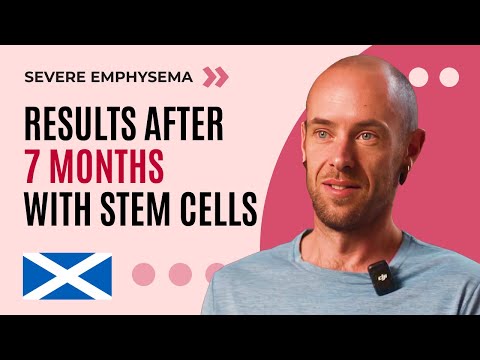
Note: Results vary depending on disease stage, age, and individual response.
The Swiss Medica Treatment Process
Swiss Medica has a large and well-equipped hospital in Belgrade, Serbia, and has developed a comprehensive treatment process. It’s not a simple one-time stem cell injection for COPD—we follow a multi-step program to ensure patients receive personalized, safe, and effective care.
Step 1: Comprehensive Evaluation and Lung Diagnostics
Every patient begins with an in-depth medical evaluation. Our doctors will review your medical history, current symptoms, and medications. They also require a series of diagnostics: spirometry, imaging studies, and blood tests to gather as much information as possible in advance, reducing the amount of testing required once you arrive at the clinic. This helps the doctors tailor the therapy to your condition.
Step 2: Stem Cell Collection and Laboratory Preparation
Once your therapy plan is ready, we use carefully pre-screened donor stem cells from placental or umbilical sources stored in our clinic’s laboratory. There, the cells are isolated, concentrated, and tested for viability and sterility.
Our lab follows strict quality control protocols to ensure each batch meets international standards. Learn what happens during the cell preparation process prior to your treatment.
Read moreStep 3: Cell Administration and In-Clinic Monitoring
When stem cells are ready, the next step is to administer them to your body. At Swiss Medica, we use multiple delivery methods to maximize effectiveness, especially for lung conditions: intravenous infusion and inhalation therapy.
During and after the administration, you’ll be closely monitored by the clinic’s medical team. Our facility provides 24/7 doctor supervision, meaning even after the infusion you stay under observation in a comfortable inpatient setting for at least a day.
Step 4: Rehabilitation, Breathing Therapy, and Follow-Up Care
Your treatment may combine electrotherapy, ultrasound, or low-level laser light therapy to improve mobility and breathing, together with IMR therapy to strengthen your overall condition.
After you leave the clinic, our doctors maintain contact for follow-up. It includes regular check-ins 3–6 months after therapy to monitor your progress. If necessary, you may also receive exosome-based therapy at home.
Who Can Benefit from Stem Cell Therapy for COPD
Lung stem cell treatment for COPD is a potential option for a wide range of patients:
| Candidate Type for Stem Cell Therapy for Lung Regeneration | Eligibility Summary |
| Patients With Early Fibrotic Lung Changes | Those showing initial fibrotic changes on imaging, with preserved lung function and no rapid progression. |
| Stable COPD Patients | Chronic bronchitis or emphysema, not in an acute flare; symptoms persist despite therapy. |
| Those Not Responding to Standard Care | Limited relief from inhalers, rehab, or meds; frequent flare-ups or intolerance to drugs. |
| Non-Smokers or Ex-Smokers | Must have quit smoking (typically for 3–6 months); smoking disqualifies treatment. |
| No Major Contraindications | Cannot have active cancer, severe infections, a recent stroke, or certain health conditions. |
| Older Adults | Age is not a barrier if medically stable; therapy is safe and well-tolerated in seniors. |
Safety and Possible Side Effects of Stem Cell Treatment for COPD
Most patients tolerate stem cell infusions very well and have no serious side effects—some may feel a mild fever for a few hours after infusion.
At Swiss Medica, all procedures follow strict EU safety standards and are done in sterile conditions with full quality control at every step.
How Much Does Stem Cell Treatment for COPD Cost?
Stem cell therapy cost depends on the cell type used, dosage required, number of administrations, and length of your rehabilitation protocol.
Some of the best countries for stem cell therapy include the USA, Panama, and Serbia. A complete treatment package in Serbia typically ranges from €7,000 to €31,000*. This is significantly lower than comparable treatment in the United States or Western Europe, where costs often exceed $30,000–$50,000.
Swiss Medica offers more accessible pricing through efficient in-house processing and European operational costs.
*Prices are indicative, based on January 2025, and may vary with condition severity and cell quantity required.
Why Choose Swiss Medica for COPD Treatment
Swiss Medica brings over 14 years of experience in regenerative medicine for lung diseases.
- Personalized treatment: Your stem cell plan is carefully prepared in our own lab, based on your lung condition, overall health, and personal goals.
- Ongoing support: We stay with you every step of the way—tracking your progress, adjusting your rehab, and providing follow-up care for months after treatment.
- A modern stem cell hospital for COPD and other chronic conditions opened in 2024 in Belgrade:
- 24/7 medical staff and advanced rehab equipment
- Private, comfortable rooms that feel like home
- A team with experience treating over 10,000 patients since 2011
- Help with airport pickup, lodging, and long-term support
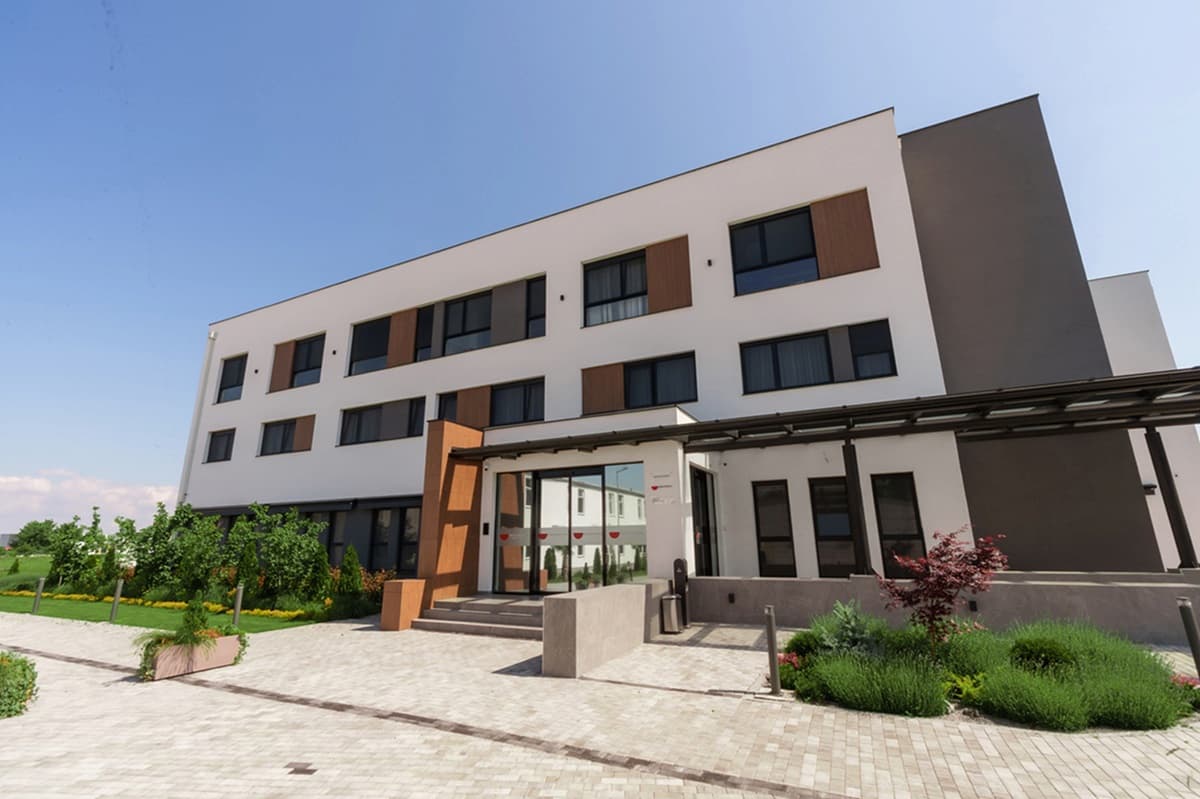
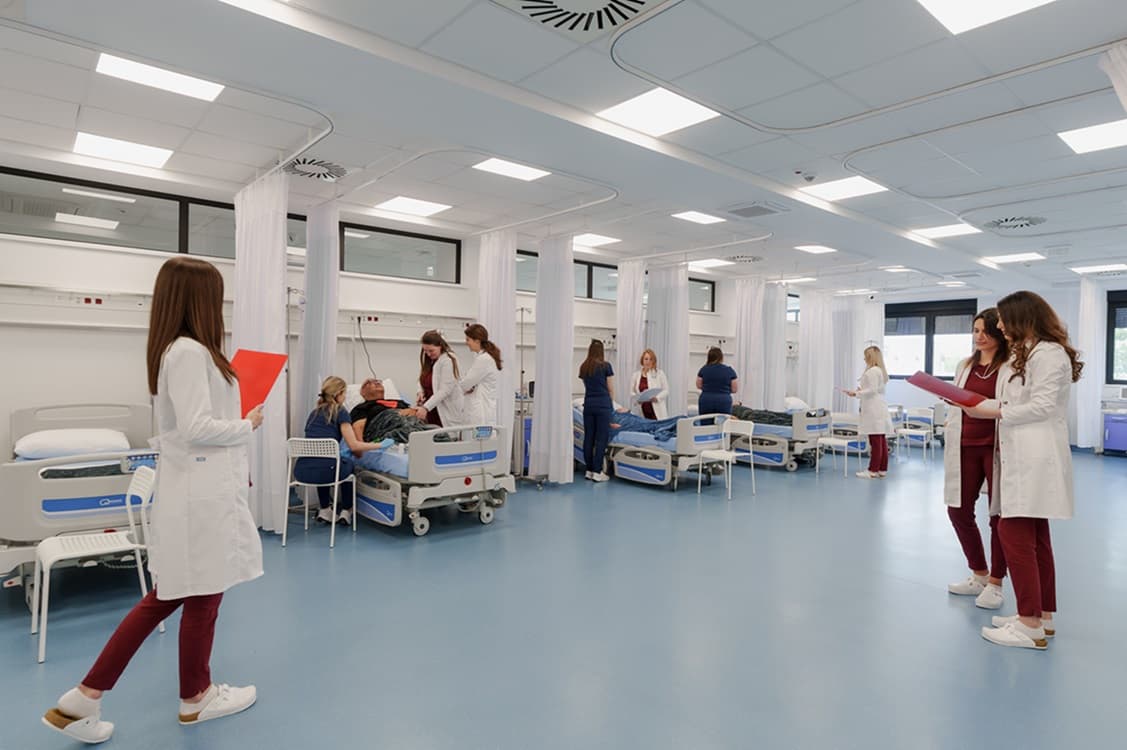
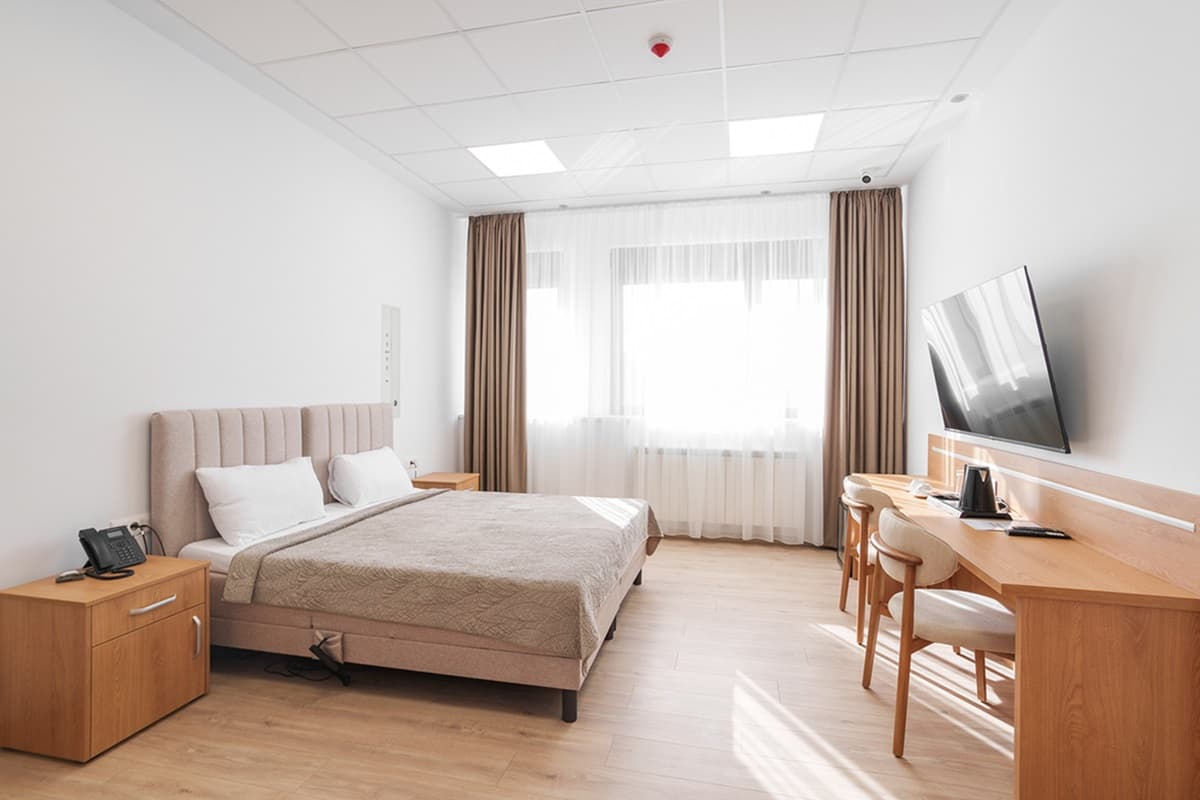
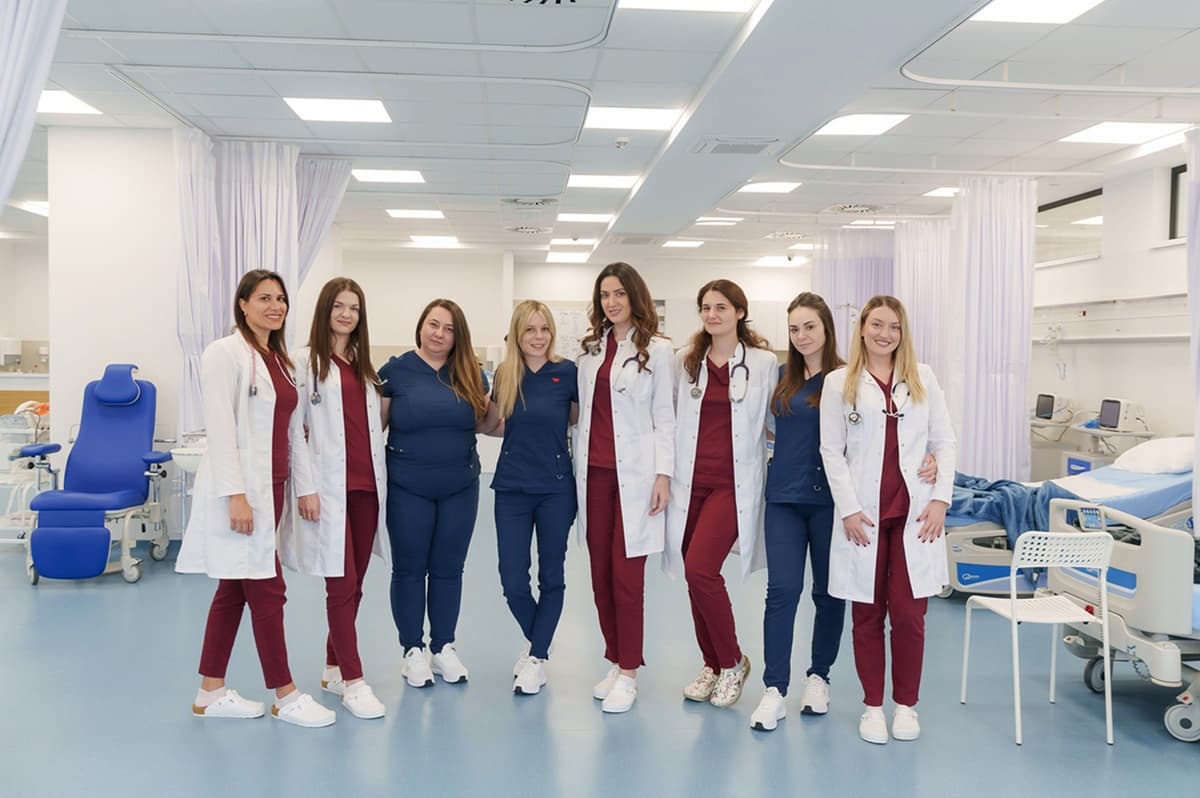
Swiss Medica specializes in stem cell COPD treatment; it is a center with a modern facility with its own lab, private treatment rooms, comfortable accommodations, and healthy meals.
Getting Started with Consultation
If you’re considering treating COPD with stem cells at Swiss Medica, the first step is simple: set up a free online consultation. It will help you understand your options and what outcomes you might expect. There’s no obligation—just an opportunity to get personalized advice.
Contact us
Contact our medical team to discuss whether stem cell therapy for COPD is suitable for your case.
Medical Advisor, Swiss Medica doctor
FAQ
1. Is it safe for older patients?
Age alone does not disqualify you from treatment. The evaluation focuses on your overall health, organ function, and ability to tolerate the procedures safely. Many patients in their 70s and even 80s undergo treatment successfully when their general health is good.
2. How long do results last?
Most patients experience benefits ranging from 6 to 8 months to 1.5-2 years, with longer results possible when combined with healthy habits and rehabilitation; repeat treatments are available if required.
3. How soon can I notice changes in breathing?
Initial changes typically appear 2–4 weeks after treatment as inflammation subsides. More substantial improvements develop gradually over 3–6 months as tissue repair progresses and your lungs adapt to their improved function.
4. Do I need to stop smoking before treatment?
Yes. Smoking cessation for at least six months before treatment is mandatory. Active smoking causes ongoing lung damage that directly counteracts everything stem cell therapy is trying to accomplish. Continued smoking after treatment will negate any benefits achieved.
5. How much does stem cell treatment for COPD cost?
At Swiss Medica, stem cell treatment for COPD typically costs between €7,000 and €31,000*, while similar procedures range from $30,000 to $50,000 in the United States and across Europe.
*Prices are indicative, based on January 2025, and may vary with condition severity and cell quantity required.
6. Does insurance cover stem cell therapy for COPD?
COPD treatment with stem cell therapy is usually not covered by insurance, but Swiss Medica provides full documentation for reimbursement requests.
References:
Wang, Y., Yi, H. & Song, Y. The safety of MSC therapy over the past 15 years: a meta-analysis. Stem Cell Res Ther 12, 545 (2021). https://doi.org/10.1186/s13287-021-02609-x
Fröhlich E. Therapeutic Potential of Mesenchymal Stem Cells and Their Products in Lung Diseases—Intravenous Administration versus Inhalation. Pharmaceutics. 2021; 13(2):232. https://doi.org/10.3390/pharmaceutics13020232
News Medical. Stem cells can be used to repair damaged lung tissue in COPD patients, 2023. https://www.news-medical.net/news/20230912/Stem-cells-can-be-used-to-repair-damaged-lung-tissue-in-COPD-patients.aspx
Le Thi Bich P, Nguyen Thi H, Dang Ngo Chau H, Phan Van T, Do Q, Dong Khac H, Le Van D, Nguyen Huy L, Mai Cong K, Ta Ba T, Do Minh T, Vu Bich N, Truong Chau N, Van Pham P. Allogeneic umbilical cord-derived mesenchymal stem cell transplantation for treating chronic obstructive pulmonary disease: a pilot clinical study. Stem Cell Res Ther. 2020 Feb 13;11(1):60. doi.org/10.1186/s13287-020-1583-4


MD, Pediatrician, Regenerative Medicine Specialist