swiss medica
Autism Spectrum Disorder (ASD) reflects a complex neurodevelopmental condition with no single, identifiable origin. Current research shows that the causes of ASD arise from a multifaceted interaction between genetic predisposition, prenatal environmental influences, and early cellular processes that shape brain development. Rather than pointing to one main cause of autism, science increasingly recognizes autism as the result of overlapping biological factors acting during critical stages of neurodevelopment.
In this article, we explore what causes autism, with a particular focus on what causes autism in children from a biological and developmental perspective. Understanding the underlying mechanisms allows families to move away from outdated blame narratives and toward proactive, evidence-based strategies that address a child’s specific neurological and physiological needs.
Why the Causes of Autism Are So Complex
Decades of research suggest that there is no single reason for autism, and reducing the condition to one cause is an oversimplification. The human brain’s development involves billions of neurons and trillions of connections, and any variation in this process is rarely the result of a single event.
Autism as a spectrum, not a single condition
Because ASD presents differently in every individual, the underlying autism reasons are likely just as diverse. The “spectrum” refers not only to the symptoms but also to the biological pathways that lead to those symptoms. Two children with the same diagnosis may have entirely different genetic profiles or biological markers, making “autism” an umbrella term for many different developmental trajectories.
Why simple explanations for autism reasons fall short
Historical attempts to find a single “autism trigger” have consistently failed because the brain’s development is influenced by thousands of factors. Rather than one isolated reason for autism, researchers look at how various genetic and environmental pressures reach a “threshold.” Once this threshold is crossed, the brain’s connectivity patterns begin to diverge from neurotypical standards, leading to the social and sensory characteristics of ASD.
Genetics: The Primary Cause of Autism Risk?
In the majority of cases, the primary cause of autism risk is found within the genetic code. However, this does not mean there is a single “autism gene.” Instead, it involves a complex map of inherited and spontaneous changes that affect how neurons communicate.
Rare gene mutations vs common genetic variants
Research distinguishes between “de novo” mutations—spontaneous changes in the DNA that are not inherited from parents—and common genetic variants shared by the general population. While rare mutations can have a profound impact on development, it is often the cumulative effect of many common variants that serves as the main cause of autism susceptibility. These variants act as a background “noise” that can make the developing brain more sensitive to external stressors.
Why autism often runs in families
Studies of twins and siblings show that the factors that cause autism are often rooted in a family’s shared genetic background. This means that if one child is on the spectrum, there is a naturally higher probability for their siblings. It’s important to see the spectrum as a complex biological puzzle where inherited traits and environmental elements interact in ways that are still being understood.
The Role of Epigenetics in the Reasons for Autism: How Genes and Environment Interact
Epigenetics studies molecular mechanisms that regulate gene expression without altering the DNA sequence. Environmental and physiological factors can influence these mechanisms. Unlike a mutation, which changes the genes, epigenetic mechanisms influence how the body reads and uses genetic information without altering the DNA itself.
This field is relevant to research into the mechanisms and possible causes of autism because it helps explain how genetic predisposition, environmental influences, and biological regulation may interact during development.
How environmental factors influence gene expression
Epigenetics provides one layer of explanation, but it should not be considered in isolation.
Environmental stressors—ranging from maternal nutrition to chemical exposures—can leave chemical tags on the DNA. These tags act like “dimmer switches,” turning the activity of certain genes up or down. In some cases, these regulatory changes may influence neurodevelopmental pathways associated with ASD.
Timing matters: early brain development windows
The most critical windows for these epigenetic changes occur during the first and second trimesters of pregnancy. During this time, the fetal brain is undergoing rapid neural migration and organization. Significant disruptions in gene regulation during sensitive developmental periods may influence neurodevelopment.
Get a free online consultation
Not every case of autism requires the same approach. To understand whether stem cell therapy will be effective for your child, book a free online consultation with a Swiss Medica specialist.

Medical Advisor, Swiss Medica doctor
Possible Prenatal and Early-Life Risk Factors that Cause Autism
When exploring autism causes and risk factors, it is essential to understand that a risk factor is not a direct sentence. A risk factor increases the statistical probability of a diagnosis but is not an absolute origin.
Maternal immune activation and inflammation
One of the most researched causes of ASD involves the mother’s immune response during pregnancy. Severe infections or autoimmune flare-ups can trigger “maternal immune activation” (MIA). This process releases inflammatory proteins called cytokines, which can cross the placenta and interact with the fetal brain, potentially leading to the neuroinflammatory patterns often observed in ASD.
Advanced parental age
Studies consistently show an association between advanced age in either parent at the time of conception and an increased risk of ASD. This may be due to a higher frequency of spontaneous genetic mutations in germ cells as individuals age, as well as age-related changes in DNA regulation.
Gestational diabetes and metabolic health
Maternal metabolic health, including conditions like gestational diabetes and obesity, can create an altered intrauterine environment. These factors may influence fetal growth through pathways involving insulin resistance and systemic inflammation, representing another potential autism cause and risk factor related to prenatal health.
Environmental Factors Being Researched Among the Causes of Autism
“Environment” refers to any factor external to the DNA, ranging from the air a mother breathes to the medications consumed during gestation. Research focuses on how these external pressures might impact a system that already has a genetic predisposition.
Air pollution and pesticide exposure during pregnancy
Epidemiological studies have suggested a link between exposure to high levels of particulate matter and certain pesticides during pregnancy and an increased risk of ASD. These environmental toxins may induce oxidative stress or interfere with the hormonal signaling required for healthy brain development.
What research says about medications during gestation
Certain medications, such as valproate, have a documented link to developmental changes when taken during pregnancy. However, for most other substances, the data remains inconclusive. Expectant mothers should always consult with healthcare providers before making changes to prescribed medical regimens.
Biological Mechanisms: The Physical Pathways of Autism
Biological mechanisms are the “how” rather than the “why.” While a possible cause of autism is the initial trigger, such as a genetic variant, a mechanism refers to the biological processes that follow, leading to the development of autism-related traits and symptoms.
Synaptic pruning and neural connectivity differences
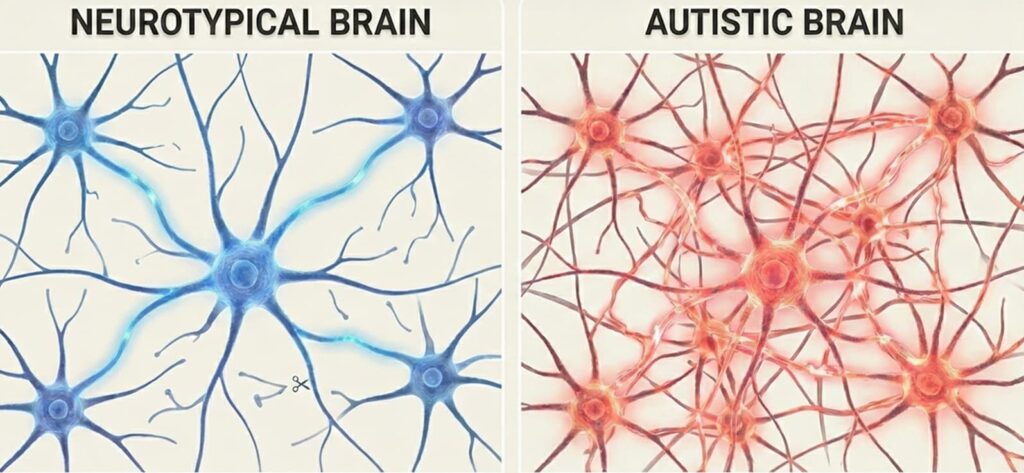
A healthy brain undergoes a process called “synaptic pruning,” where excess neural connections are removed to increase efficiency.
In many cases, this is the physical autism reason in a child: the pruning process is underactive, leading to a brain that is “over-connected.” This over-connectivity is often why the patient experiences sensory overload or difficulty processing complex social information.
Neuroinflammation as an area of active research
Chronic, low-grade inflammation in the brain’s immune cells (microglia) is a consistent finding in ASD research. This neuroinflammation can disrupt the delicate chemical balance needed for neurons to communicate. Even if the original trigger is unknown, managing this inflammation is a primary focus of modern biological support.
The Gut–Brain Axis as One of the Proposed Reasons for Autism
The interaction between the gut, the microbiota, and the brain is being actively studied when researchers explore what causes autism in children, particularly because some children with ASD experience gastrointestinal disturbances. However, current evidence does not support the idea that disruptions in the gut-brain axis alone cause autism.
Microbiome differences observed in some individuals with autism
Research has shown that the gut microbiome composition in individuals with ASD often differs from that of neurotypical individuals. Many children with autism have highly selective eating habits, which may itself affect the composition of the gut microbiota. Therefore, current research suggests a correlation rather than a definitive explanation for the observed microbial differences.
Correlation vs causation: what we know and don’t know
While gut issues are a clear reason for autism symptoms being more severe, scientists are still debating if the gut is a primary cause or a secondary effect. Regardless, clinical experience demonstrates that improving GI health often leads to significant focus gains and a reduction in irritability in the patient.
Metabolic and Mitochondrial Differences Studied in the Causes of Autism
The brain is the most energy-demanding organ in the body. If the cells cannot produce enough energy, the most complex systems—like social communication—may suffer.
Energy Metabolism and Early Brain Development
Mitochondria are the “power plants” of the cell. If these engines are underperforming, it is known as mitochondrial dysfunction. This type of dysfunction is a significant reason for autism in cases where a child has “regressive” symptoms, as the brain may struggle to keep up with the massive energy demands of early childhood development.
Oxidative Stress and Its Possible Role in the Causes of Autism
Oxidative stress is a cellular state where free radicals cause damage because the body lacks enough antioxidants to neutralize them.
- Developmental vulnerability: The developing brain is sensitive to oxidative imbalance because it consumes high levels of oxygen but has relatively lower antioxidant defenses.
- A non-sufficient factor: Oxidative stress is not considered a single or sufficient cause of ASD. Instead, it is viewed as a secondary mechanism that can exacerbate existing genetic vulnerabilities, hindering the brain’s ability to maintain a healthy cellular environment.
Why Autism Diagnoses Are Increasing
The rise in ASD prevalence is driven primarily by changes in clinical practice and awareness rather than a sudden shift in human biology.
Improved awareness and broader diagnostic criteria
The primary reason for the surge in diagnoses is the transition to the “spectrum” definition. This allows for the inclusion of individuals with milder symptoms who previously would not have received a diagnosis.
What rising prevalence does—and does not—mean
Increased prevalence means more people are gaining access to the support they need. It does not mean there is a biological “epidemic” caused by modern lifestyle factors. Instead, it reflects a society that is better at identifying neurodivergence.
Debunking Common Myths About Autism Reasons in a Child
Misinformation can lead to unnecessary guilt for families. Science has explicitly ruled out the following causes of autism:
Vaccines
For decades, the alleged link between vaccines and autism has been one of the most persistent myths in medicine. However, extensive clinical data involving millions of children worldwide have conclusively shown no causal relationship between immunizations (such as the MMR vaccine) and the development of ASD. Modern research focuses on genetic and prenatal factors rather than external triggers like vaccination.
Parenting styles
Historically, the “refrigerator mother” theory suggested that a lack of maternal warmth could lead to autism. This concept has been entirely debunked by modern psychology. Autism is recognized as a neurobiological developmental disorder, and there is no evidence to suggest that parenting styles or family dynamics play any role in its onset.
Dietary factors
While many parents try gluten-free or casein-free diets to treat coexisting gastrointestinal symptoms, science is clear: diet alone is not the cause of autism.
Nutritional interventions may support a child’s overall well-being. However, ASD is rooted in brain connectivity and neurological development, which cannot be triggered or “cured” by dietary changes alone.
From Autism Reasons to Support: What Understanding Biology Can Inform
When a family understands the biological causes of autism, they can move toward a more effective, multidisciplinary care plan. This includes:
- Early Support: Capitalizing on the brain’s early plasticity.
- Individualized care: Targeting specific metabolic or inflammatory markers.
- Addressing co-occurring issues: Using language therapy for autism and behavioral therapy for autism to build on a stable biological foundation.
Regenerative and Biological Therapies Under Investigation in Autism
Researchers are exploring ways to modulate neuroinflammation and immune dysregulation, which, as we have discussed earlier, frequently occur in ASD.
Why immune and inflammatory pathways are being studied
Since many children with ASD show signs of systemic inflammation, medical research is looking into therapies that might “calm” the immune system and support a better neural environment.
Stem cell research as one investigational approach
We view stem cell research as one of many ways to better understand and support the biological needs of individuals on the spectrum.
Currently, scientists are exploring how stem cell therapy for autism might help balance the body’s natural inflammatory responses, potentially creating a calmer internal environment.
How MSCs are studied for immune and inflammatory modulation
Mesenchymal stem cells (MSCs) are investigated for their ability to release anti-inflammatory cytokines. In the context of the causes of ASD, these cells may help “calm” an overactive immune system, potentially leading to improvements in social engagement and communication.
Mechanism of action: Neuroinflammation is reduced through inhibited microglial activation and decreased proinflammatory cytokine production. Immune regulation is achieved by suppressing autoimmune processes via HLA interaction, T-cell recognition, and an anti-inflammatory shift in Th and macrophage phenotypes.
Safety profile: Intravenous UC-MSC infusions were well-tolerated in children and adults with ASD, with no serious adverse events, infusion reactions, or unexpected complications reported across multiple trials.
The Swiss Medica Approach to Individualized, Biology-Informed Autism Care
At Swiss Medica, we focus on a comprehensive, “whole-body” evaluation. The goal is to identify and address the underlying biological imbalances that may be limiting the patient’s progress.
Comprehensive medical and developmental evaluation
Every patient undergoes screening for metabolic issues, chronic inflammation, and nutrient deficiencies to understand their specific biological environment.
Individualized treatment planning
Based on the diagnostic findings, a personalized protocol is designed. This is not a “one-size-fits-all” approach.
Stem cell therapy as a supportive option
At our stem cell clinic, we specialize in MSC-based therapies, which are provided as a supportive tool aimed at addressing neuroinflammation and supporting the body’s natural regenerative processes. This is part of an integrated, multidisciplinary program:
Multimodal cell administration: The protocol includes the intravenous and intramuscular administration of high-quality umbilical cord and placenta-derived stem cells. These cells are selected for their potent anti-inflammatory and regenerative properties.
Synergistic in-clinic therapies: To enhance the effectiveness of the stem cells, the program may include exosome and macrophage therapy. These biological agents act as “messengers,” signaling the body’s own cells to repair and calm inflammatory pathways.
Integrated supportive therapies
To optimize the patient’s progress, the Swiss Medica program combines advanced medical treatments with a comprehensive range of supportive interventions. These therapies are integrated directly into the clinic stay to capitalize on the “corridor of possibilities” opened by the cell therapy. The integrated support therapies include:
- Speech therapy
- Occupational therapy
- Targeted supplementation
Follow-up, monitoring, and ongoing care
Upon discharge, families are provided with bottles of exosomes and bottles of M2 secretome for continued use at home. This secretome therapy sends continuous anti-inflammatory messages to the brain, helping to maintain the improvements made during the clinic phase and making sure the “cells’ activity period” lasts as long as possible.
Treatment is a journey, not a single event.
Our team remains in constant contact with families to track the success rate of stem cell therapy for autism, monitor developmental milestones, and provide guidance on nutrition and supportive therapies as the child progresses.
Take the first step toward a regenerative management strategy
Every child’s biological profile is unique. During a consultation with our specialists, we explore how to align intensive regenerative options with your child’s current functional stage.
In this assessment, we will discuss:
- Your child’s history of regression and specific biological markers.
- The suitability of the program.
- The role of supportive therapies like HBOT and targeted supplementation.
Medical Advisor, Swiss Medica doctor
What Families and Care Teams Commonly Observe after Stem Cell Therapy
According to a clinical trial conducted by Swiss Medica, which evaluated 30 children with ASD over a 9-month period, the majority of families observed significant positive shifts in their children’s daily lives. The study found that 93.4% of patients experienced measurable improvement in at least one core symptom, while 83.3% showed progress in half or more of their symptoms.
Care teams and parents most frequently reported improvements in:
- Social Communication: Enhanced eye contact and a greater desire to engage with others.
- Behavioral Regulation: A noticeable reduction in hyperactivity and aggressive outbursts.
- Cognitive Skills: Improved attention spans and better performance in learning new tasks.
- Daily Functioning: Progress in personal care routines and more stable sleeping patterns.
Our patient story
Uval’s mother came to Swiss Medica after witnessing a severe regression in her son. At age three, Uval was meeting milestones, but by age four, he experienced what his family called “regressive autism.” He stopped talking and “disappeared.”
“We lost him suddenly when he was four. We tried speech therapy, ABA, and medicines that had zero effect. After coming to Swiss Medica, we saw a real boost. About three weeks after the treatment, he started to call us ‘mom’ and ‘dad’ again. Now, he can make full sentences. He is more present. Our average day changed because we can finally communicate with our kid.”
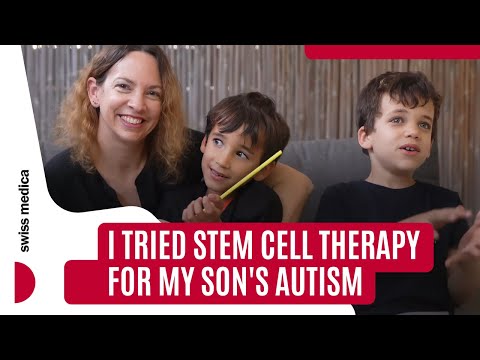
You can learn more about patients’ stories and their experiences with stem cell therapy. The Swiss Medica official YouTube channel has a dedicated playlist with stories about autism management.
Practical Next Steps for Families After Understanding Autism Reasons in a Child
Understanding the biological components of autism provides a roadmap for action.
- Discuss concerns with clinicians: Seek specialists who look at the “whole child,” focusing on systemic issues like neuroinflammation, GI health, and metabolic balance rather than just behavioral symptoms.
- Avoid blame or guilt: Remember that autism is a complex biological reality, often linked to neuroinflammation and genetic factors, not a result of parenting choices or family dynamics.
- Seek a specialist consultation: Talk to a regenerative medicine expert at Swiss Medica to explore how our biological support protocols can complement your child’s current therapy and improve their quality of life.
- Prioritize safety-first clinics: If you decide to try a regenerative method, choose a clinic that operates under strict safety guidelines. It is essential to ensure that the facility—like Swiss Medica—follows rigorous protocols for cell screening, cultivation, and administration to guarantee the highest standard of patient care.
Contact us
If you are looking for a deeper understanding of your child’s unique biological profile, our team is ready to assist.
Frequently Asked Questions
1. Can identifying causes of ASD change treatment?
Yes. Identifying biological issues like gut dysbiosis allows for targeted interventions that can improve a child’s focus, comfort, and ability to engage with traditional therapies.
2. Does understanding biology mean autism can be cured?
No. The goal of biological support is to alleviate burdensome symptoms and help the individual reach their full potential.
3. Does stem cell therapy change brain structure?
Stem cell therapy is studied for its ability to modulate the environment (like inflammation), not to “rewrite” the brain’s genetic code.
4. How long until changes are observed after stem cell therapy?
Every child is different, but functional gains in speech or social interaction typically emerge in 3-6 months.
5. Are improvements after stem cell therapy permanent?
The therapy opens a unique window where the brain is highly receptive to learning. Any skills acquired and milestones reached during this time, such as new speech or social habits, stay with the patient forever as a lasting foundation. However, one session opens a specific corridor; to unlock a new one and reach the next level of development, a new “arrival” of cells may be required.
List of References:
Lim HK, Yoon JH, Song M. Autism Spectrum Disorder Genes: Disease-Related Networks and Compensatory Strategies. Front Mol Neurosci. 2022;15:922840. doi:10.3389/fnmol.2022.922840.
Bai D, Yip BHK, Windham GC, et al. Association of Genetic and Environmental Factors With Autism in a 5-Country Cohort. JAMA Psychiatry. 2019;76(10):1035-1043. doi:10.1001/jamapsychiatry.2019.1411.
Yoon S, Munoz A, Yamrom B, et al. Rates of contributory de novo mutation in high and low-risk autism families. Commun Biol. 2021;4:1026. doi:10.1038/s42003-021-02533-z.
Tick B, Bolton P, Happé F, Rutter M, Rijsdijk F. Heritability of autism spectrum disorders: a meta-analysis of twin studies. J Child Psychol Psychiatry. 2016 May;57(5):585-595. doi:10.1111/jcpp.12499.
Keil KP, Lein PJ. DNA methylation: a mechanism linking environmental chemical exposures to risk of autism spectrum disorders? Environ Epigenet. 2016 Mar;2(1):dvv012. doi:10.1093/eep/dvv012.
Ellul P, Maruani A, Vantalon V, et al. Maternal immune activation during pregnancy is associated with more difficulties in socio-adaptive behaviors in autism spectrum disorder. Sci Rep. 2023;13:17687. doi:10.1038/s41598-023-45060-z.
Wu S, Wu F, Ding Y, Hou J, Bi J, Zhang Z. Advanced parental age and autism risk in children: a systematic review and meta-analysis. Acta Psychiatr Scand. 2017 Jan;135(1):29-41. doi:10.1111/acps.12666.
Pagalan L, Bickford C, Weikum W, et al. Association of Prenatal Exposure to Air Pollution With Autism Spectrum Disorder. JAMA Pediatr. 2019;173(1):86-92. doi:10.1001/jamapediatrics.2018.3101.
Harden CL. In utero valproate exposure and autism: long suspected, finally proven. Epilepsy Curr. 2013 Nov;13(6):282-284. doi:10.5698/1535-7597-13.6.282.
Andreo-Martínez P, Rubio-Aparicio M, Sánchez-Meca J, Veas A, Martínez-González AE. A Meta-analysis of Gut Microbiota in Children with Autism. J Autism Dev Disord. 2022 Mar;52(3):1374-1387. doi:10.1007/s10803-021-05002-y.
DeStefano F, Shimabukuro TT. The MMR Vaccine and Autism. Annu Rev Virol. 2019 Sep 29;6(1):585-600. doi:10.1146/annurev-virology-092818-015515.
Paprocka J, Kaminiów K, Kozak S, Sztuba K, Emich-Widera E. Stem Cell Therapies for Cerebral Palsy and Autism Spectrum Disorder-A Systematic Review. Brain Sci. 2021 Dec 3;11(12):1606. doi:10.3390/brainsci11121606.
Tamouza R, Volt F, Richard JR, Wu CL, Bouassida J, Boukouaci W, Lansiaux P, Cappelli B, Scigliuolo GM, Rafii H, Kenzey C, Mezouad E, Naamoune S, Chami L, Lejuste F, Farge D, Gluckman E. Possible Effect of the use of Mesenchymal Stromal Cells in the Treatment of Autism Spectrum Disorders: A Review. Front Cell Dev Biol. 2022 Jul 5;10:809686. doi:10.3389/fcell.2022.809686.


MD, Pediatrician, Regenerative Medicine Specialist