swiss medica
Autism spectrum disorder (ASD), as reflected in its abbreviation, is not a single condition but a spectrum encompassing diverse developmental profiles, co-occurring conditions, and varying support needs—even among children who share the same diagnosis. An effective treatment plan also depends on factors, including the child’s age, developmental stage, underlying biology, and comorbidities, as well as the strength of the available support system and services.
Rather than searching for a single “best” treatment for autism in the world, it is more helpful to view autism care as a careful process of comparing options—considering evidence, safety, and how well each approach fits the child and family.
The Reality of Modern Autism Care: Why There Is No Single Best Treatment for Autism
Behavioral and educational programs remain central because they support communication, learning, and adaptive skills through structured, consistent practice. For many families, these therapies form the daily framework of support.
At the same time, some children may require targeted medical management for associated challenges such as sleep disturbances, seizures, significant anxiety, or gastrointestinal discomfort. Addressing these issues does not “treat autism” itself, but it can improve overall stability and responsiveness to developmental interventions.
This is why the idea of a single “best” treatment for autism can be misleading. Rather than searching for one universal solution, modern autism care focuses on coordinated planning. Effective care often involves combining therapies, prioritizing immediate needs, and adjusting strategies as progress is monitored over time.
What Is the Most Successful Treatment for Autism Today? A Practical Overview
There’s no single most successful treatment that fits every child, but clinical practice shows a clear pattern: interventions that systematically build functional skills—communication or self-care—have the most consistent research support.
For this reason, care often begins with structured behavioral or developmental programs combined with speech-language and occupational therapy. For younger patients in particular, these interventions are often seen as the best autism therapy for kids, as they support language development, emotional regulation, and independence during critical stages of brain development.
These now well-established therapies are typically delivered as part of a multidisciplinary plan that may include parent training and medical management of co-occurring conditions. In addition, stem cell therapy may be considered in certain cases as an innovative complementary approach aimed at addressing underlying physiological factors associated with ASD.
Behavioral and Developmental Foundations: ABA, OT, and Speech Therapy
For many families, behavioral therapies for autism are still considered the best treatments for autism, especially for young children who benefit from early communication training and daily skill-building.
ABA/EIBI (early intensive behavioral intervention) are structured programs used in autism care for decades. Reviews of EIBI have reported improvements in areas like daily living skills, IQ scores, and both expressive and receptive language after treatment.
Speech therapy helps children develop spoken language skills. Studies show that early support with language therapy for autism can lead to small but meaningful improvements. Progress tends to be stronger when parents work together with speech therapists and use the same strategies at home.
Occupational therapy (OT) can help children who struggle with sensory processing disorders. These challenges may affect everyday activities like eating, getting dressed, brushing teeth, taking part in school, or sleeping. Some structured sensory integration programs, when provided by trained therapists and following specific guidelines, have shown positive results for children between 4 and 12 years old.
When started early and delivered consistently, these approaches remain the best autism therapies for kids in terms of improving verbal and non-verbal communication, adaptive behavior, and social engagement—while still acknowledging that progress can be uneven and individual.

Why Families Are Exploring Biological and Regenerative Approaches
Standard therapies focus on behavior, learning, and daily skills. However, they do not address certain biological factors that may be present in some children with autism, such as ongoing inflammation or immune-related issues. In these cases, families may feel that progress is limited or that some medical concerns remain unresolved.
For this reason, some parents explore additional medical options that aim to support underlying biological processes. One area of growing interest is regenerative medicine, including mesenchymal stem cell (MSC) therapy. These approaches are not a replacement for established therapies but are considered as an additional layer of support, depending on the child’s individual medical situation.
Stem Cell Therapy for Autism Spectrum Disorder: What the Science Actually Shows
Research on stem cell therapy for autism is still ongoing, and findings are encouraging. Scientists are exploring whether this therapy may help regulate inflammation and immune activity in the body, which could influence behavior, attention, or overall well-being. Clinical trial results to date suggest:
- A 2023 large meta-analysis (461 children) combined 11 clinical studies and found that changes were most often seen in social interaction and behavior.
- A clinical study using mesenchymal stem cells (MSCs) reported measurable changes in specific areas of the CARS (Childhood Autism Rating Scale)—a tool clinicians use to assess autism-related behaviors—including “relationship to people” and “body use,” which may reflect progress in social engagement and motor-related behaviors.
Why Mesenchymal Stem Cells Lead Current Autism Research
MSCs are adult stem cells found in bone marrow, fat tissue, and umbilical cord tissue. They are being studied because they can influence immune responses, reduce inflammation, and release factors that may support brain cell communication and neuroplasticity.
How MSCs Act at The Cellular Level
The goal of this approach is to potentially improve the biological environment in the brain and body, which may help create more stable conditions for learning, rehabilitation, and skill development.
MSCs mainly work by releasing signaling molecules that interact with immune and nerve cells. These signals potentially may:
- Help reduce excessive inflammation by secreting anti-inflammatory cytokines and other immunomodulatory molecules that can lower levels of pro-inflammatory activity.
- Support a more balanced immune response by interacting with immune cells, helping regulate overactive immune signaling.
- Improve blood flow and the delivery of oxygen and nutrients to tissues by promoting angiogenesis (the formation of new blood vessels) and supporting vascular stability.
- Protect nerve cells when they are under stress by releasing neurotrophic and growth factors that may reduce oxidative stress, apoptosis (cell death), and inflammatory damage.
- Support connections between brain cells involved in learning and development by influencing neuroplasticity-related processes and helping maintain white matter integrity.
In our article, we explain how stem cells may act in the body after they are administered and what biological processes they are thought to influence.
Read moreIntravenous vs. Intrathecal Stem Cell Therapy: Which Approach Is Used and Why?
They are the two most commonly used delivery routes in stem cell research and clinical practice for neurological conditions.
- With IV administration, cells and their signaling molecules enter the bloodstream first. This route is often chosen when the goal is to influence system-wide immune activity and inflammation, which may also affect the brain indirectly through immune signaling. IV delivery is familiar to most medical teams and is generally considered the less invasive option.
- With intrathecal administration, the treatment is placed directly into the cerebrospinal fluid. Doctors may choose this route when the goal is to bring the therapy closer to the central nervous system, potentially increasing local exposure. Because it involves a spinal procedure, it requires stricter medical criteria, sterile technique, and careful monitoring.
Both procedures are generally well tolerated and are usually painless or cause only mild, short-term discomfort. The route of administration is selected based on individual medical needs, rather than on a generalized assumption that any single method represents the best therapy for autism.
Learn more about the different stem cell delivery methods and the clinical considerations that make them generally well tolerated and minimally uncomfortable for children.
Read moreSafety Standards and Clinical Protocols in Regenerative Autism Treatment
Safety in alternative treatments for autism depends on clear medical standards and individualized planning. Each child should have a thorough medical evaluation before therapy, and the treatment protocol should be tailored to their health history, test results, and current therapies. Parents must receive clear information about potential benefits, limitations, risks, and costs before making decisions.
The cell product is a key part of the treatment. MSCs and other cell-based products should be prepared in GMP-certified laboratories with strict controls for sterility, quality, and traceability. In Europe, cell processing and clinical use must meet established regulatory standards. Treatment should be carried out under medical supervision with clear protocols and ongoing monitoring.
In this article, we explain in detail how safety is ensured in stem cell therapy and how the treatment process is properly organized from start to finish.
Read moreIn Search of Best Country for Autism Treatment: How Parents Compare Global Options
Families often look for the best autism treatment centers in the world, but in practice these centers are not located in one single country by default—careful evaluation matters more than a flag.
The United States: Behavioral Therapy Leadership and Clinical Trials
The U.S. is often seen as a leader in structured autism care, with broad availability of developmental and behavioral programs and a strong culture of standardized assessment. Stem cell approaches are mostly limited to regulated clinical trials and research programs, which means tighter oversight—but also limited access outside study settings.
Mexico and Panama: Popular but Controversial Stem Cell Destinations
Both countries attract many international families because treatment is easier to access and often faster to arrange. At the same time, the level of regulation and clinical quality can differ greatly from one provider to another, so families need to look closely at how cells are sourced and processed, what medical screening is required, and whether real follow-up care is included.
Israel: Advanced Research in Pediatric Neurology and ASD
Israel has a strong medical and research environment, especially in pediatric neurology. Care is typically specialist-led and tied to hospital-level standards, with a focus on careful diagnostics and medically supervised treatment plans. Access to advanced options may depend on eligibility and availability within clinical programs.
Georgia and Turkey: Emerging Autism Treatment Markets
Georgia and Turkey have become more visible in the international treatment landscape, offering a growing range of services. Some centers are well-equipped and medically supervised, while others vary in structure and transparency. The key difference between providers is often the rigor of screening, certification and how clearly protocols are defined.
Serbia: European Medical Standards with Greater Accessibility
Serbia is often considered a more structured option for families who want treatment in a European-style medical setting with clearer rules and accountability. Many clinics and hospitals work under strict clinical requirements, including personalized protocols, physician oversight, infection control standards, and ongoing monitoring—while remaining more accessible than many Western European destinations.
Best Autism Treatment Centers in Europe: Why Serbia Is Gaining Attention
In recent years, more families have started looking at Serbia as a treatment destination within Europe. The country operates under European medical regulations while offering shorter waiting times and more manageable travel and overall costs compared to many Western European countries or the United States.
Specialized Clinics and European-Level Medical Protocols
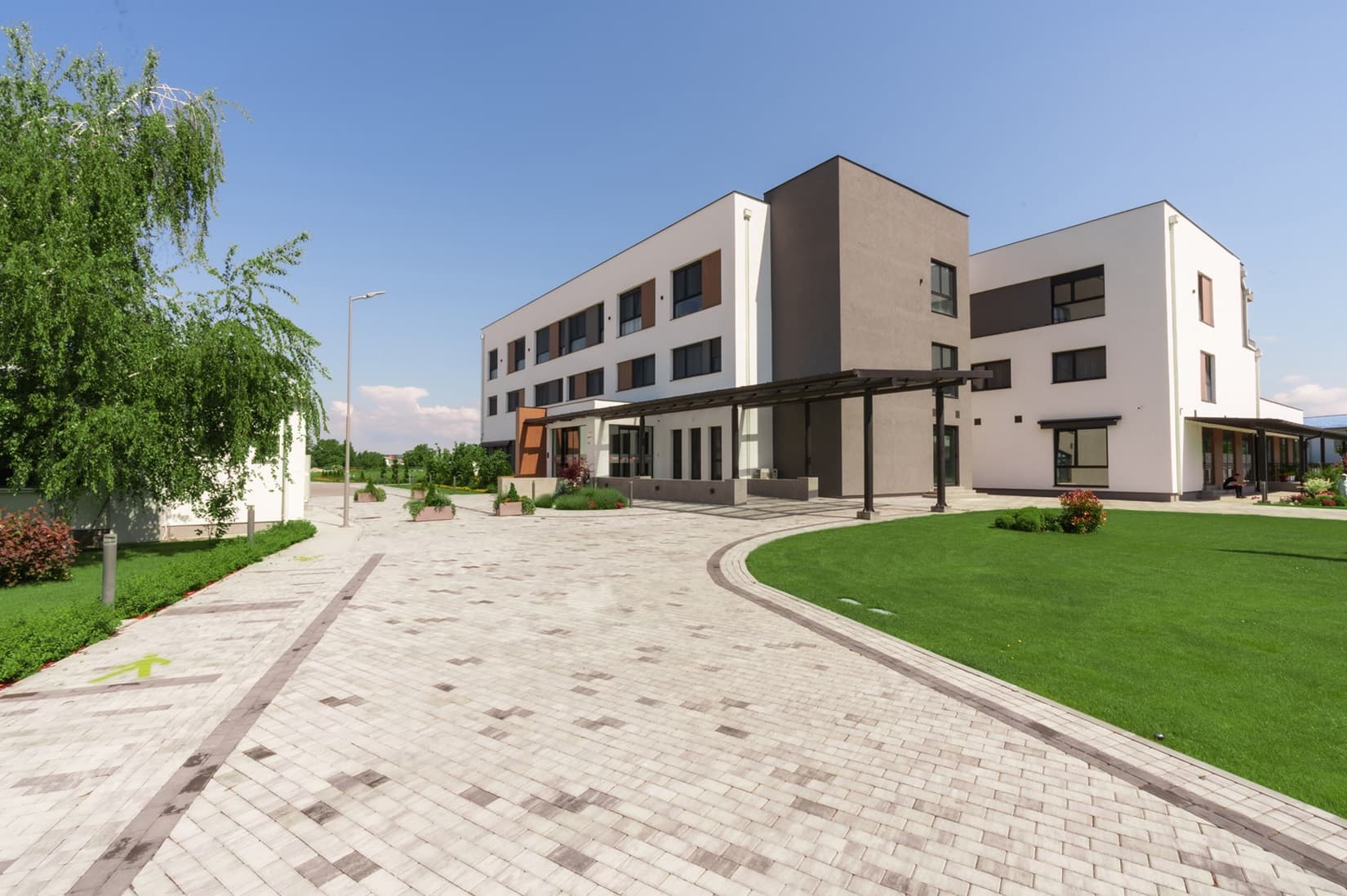
Serbia includes several clinics that operate within a European medical framework. One example is Swiss Medica, a stem cell clinic originally founded in St. Gallen, Switzerland, in 2011. The group later expanded its clinical operations to Slovenia and Serbia.
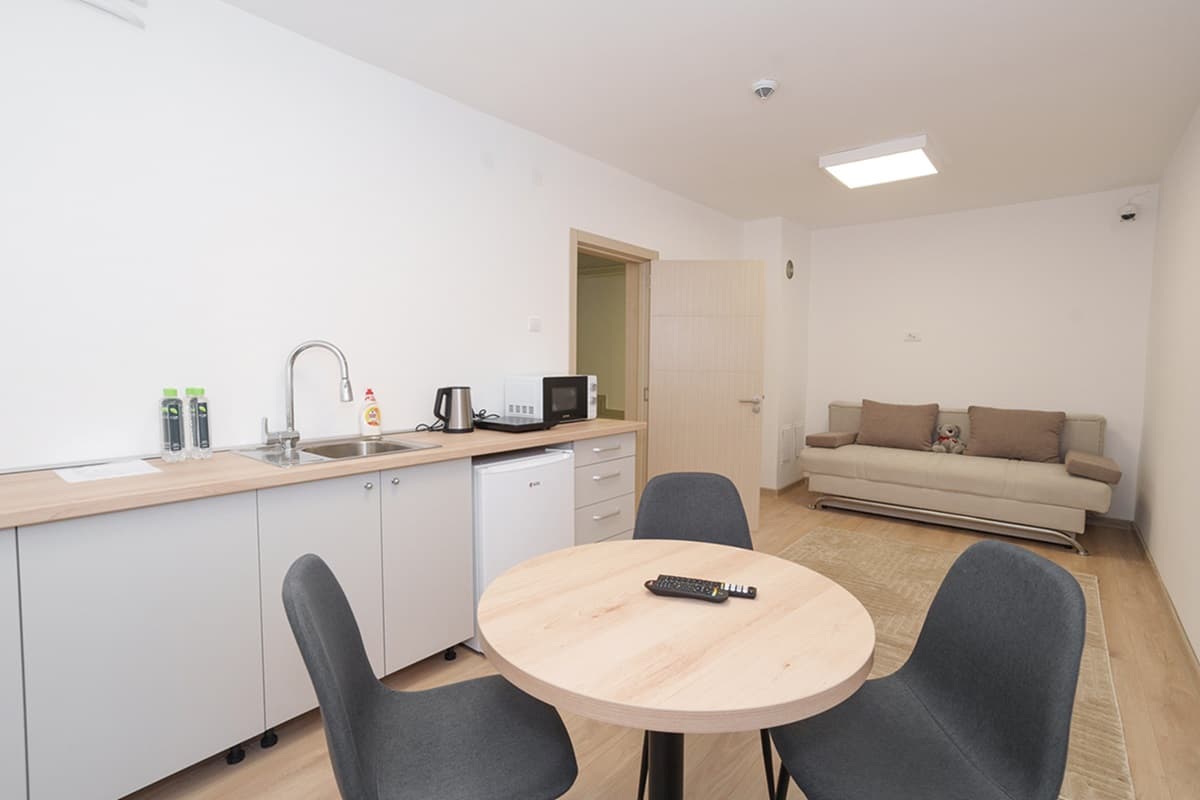
In 2024, it opened a purpose-designed hospital campus in Belgrade, covering 10,000 m² across five interconnected buildings. The facility was developed to manage the full clinical and laboratory cycle of stem cell-based treatments on-site, in accordance with European medical and operational standards.
Cost-Effectiveness Compared to the USA and Latin America
Western Europe typically charges much higher prices for MSC therapy for autism, primarily due to higher operating costs and strict regulatory requirements. In Serbia, clinics like Swiss Medica follow medical regulations aligned with European standards while offering more affordable treatment options.
| Country | Typical cost (EUR) | Notes |
| Switzerland | €20,000–€50,000 | High-cost system; strict regulation; limited to trials |
| Germany | €20,000–€40,000 | Often limited to trials or research programs |
| France / Spain | €17,200–€43,000 | Often trial-based or selected hospital cases |
| Serbia (Swiss Medica) | €7,000–€19,000* | European-aligned regulation with lower operating costs |
*Prices are indicative and based on 2026 estimates; they may vary depending on condition severity and required cell quantity.
The Swiss Medica Protocol: A Structured, Multidisciplinary Approach
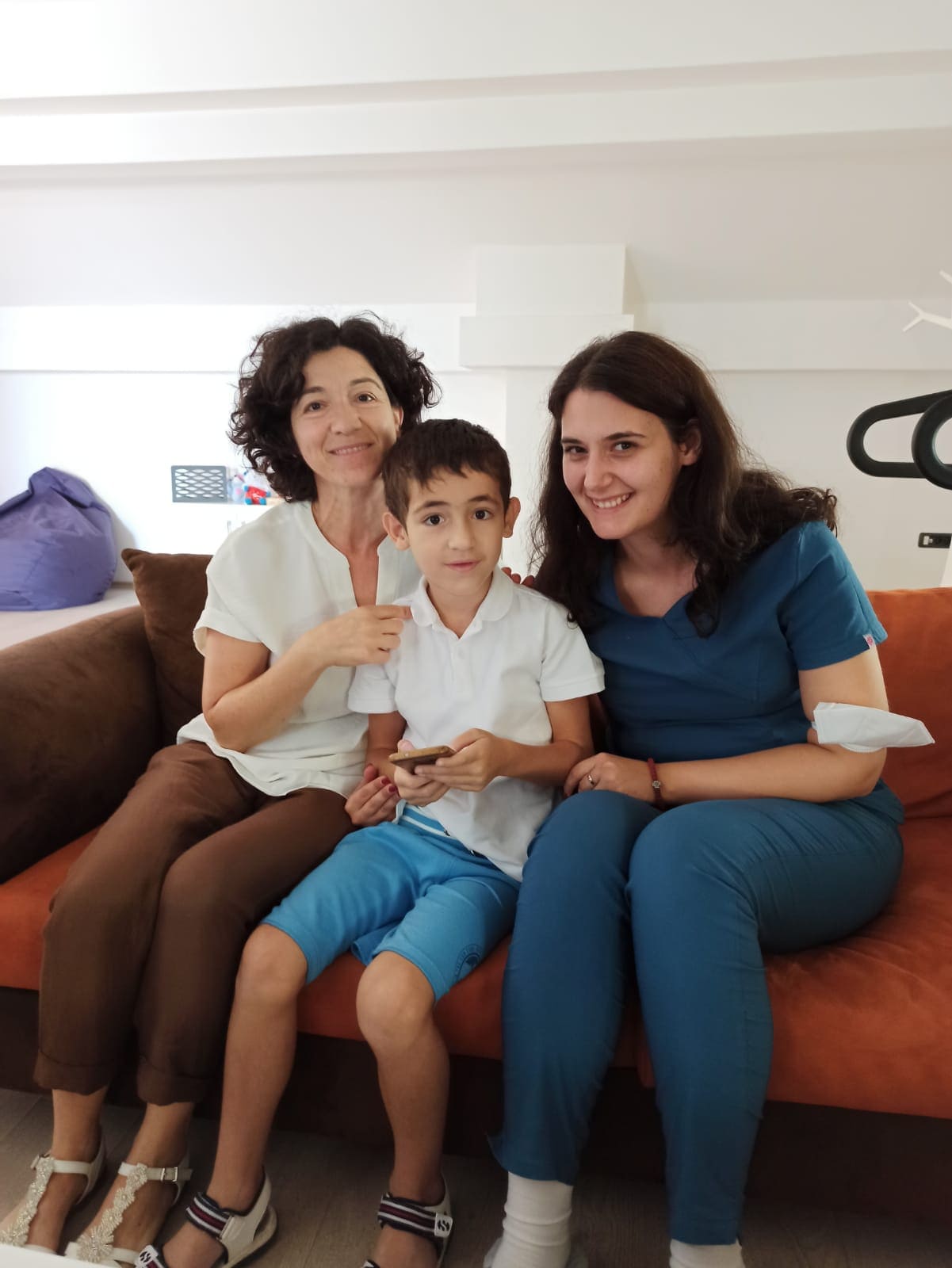
At Swiss Medica, stem cell therapy is organized as a hospital-based program built on more than 14 years of work in regenerative medicine, including experience with over 3,000 children with autism. Our approach is structured, medical, and individualized.
- Medical evaluation. We begin by reviewing your child’s medical history, previous therapies, and daily functioning. After arrival, our team performs physical and neurological examinations and orders laboratory tests if needed.
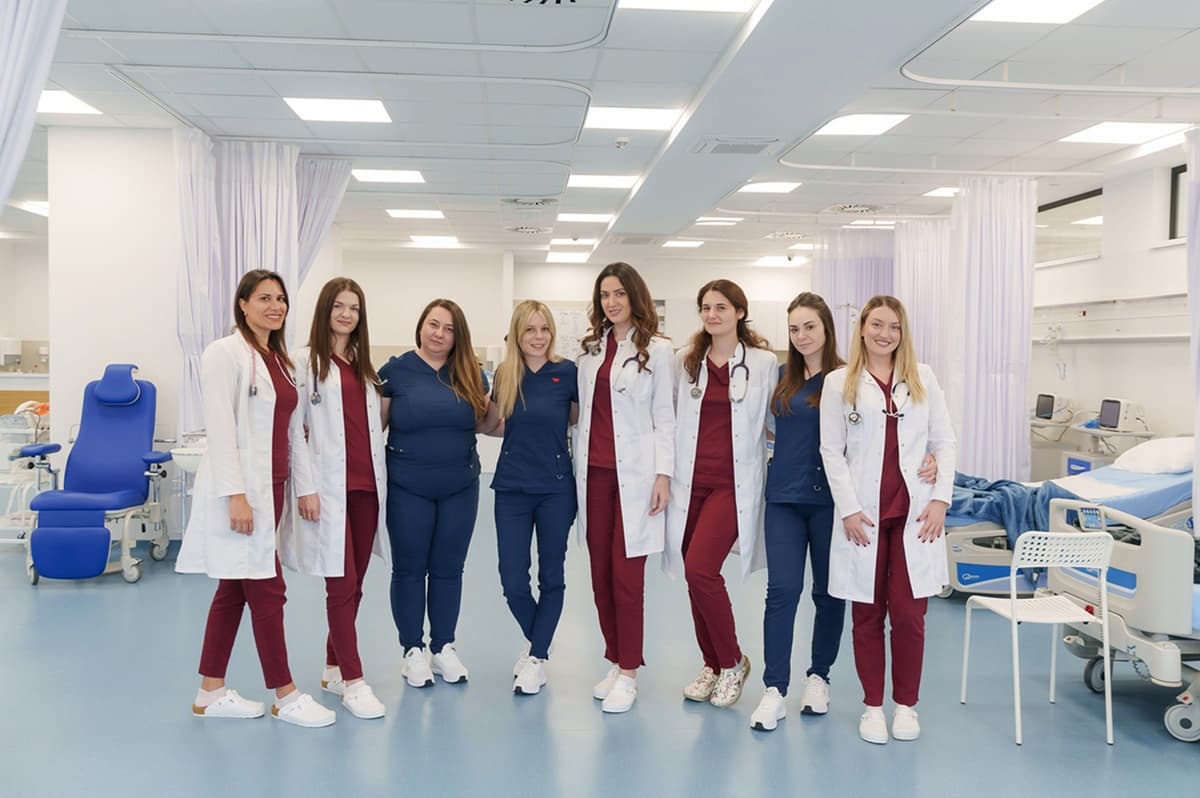
- Multidisciplinary team. Our team includes pediatricians, neurologists, rehabilitation specialists, and other clinicians who work together to develop a personalized treatment plan and monitor your child’s condition throughout the entire process.
- Personalized treatment plan. If we recommend treatment, we create a personalized plan that defines the length of stay, the number and route of stem cell administrations, and supportive therapies such as occupational or physiotherapy. We tailor the program to your child’s age, sensitivities, and overall health.
- Defined treatment goals. We integrate stem cell therapy into a broader care program and discuss goals with you in advance. Together, we focus on practical areas such as attention, communication, emotional regulation, sleep, and daily participation.
- Safety and laboratory standards. We process all cell products in our in-house GMP-certified laboratory and test each preparation for sterility, quality, and viability. Our medical team monitors your child before, during, and after procedures.
- Follow-up and continuity of care. Before discharge, we provide clear home-care guidance and maintain communication afterward to monitor progress and developmental changes.
Get a free online consultation
If you would like to understand whether stem cell therapy may be appropriate for your child, schedule a free online consultation with our regenerative medicine specialists. During the consultation, we will review your child’s medical history, discuss available options, and provide clear, honest feedback to help you make an informed decision.

Medical Advisor, Swiss Medica doctor
Real-World Expectations: Can People with Autism Live a Normal Life?
This is a deeply personal question. When parents ask it, they often mean: “Will my child be safe, fulfilled, and able to form meaningful connections?”
ASD is a neurodevelopmental condition with a persistent course. Its development continues throughout childhood and adolescence. Even though there is no single best treatment for autism in the world, with appropriate support many individuals can strengthen communication skills, increase independence, and improve emotional regulation over time.
Can autism go away with age? In most cases, autism does not disappear. Some patients experience significant progress, and their traits may become less noticeable or no longer meet full diagnostic criteria. More commonly, autism remains part of a person’s neurodevelopmental profile, while the way it presents—and the level of support needed—changes over time.
Measuring Progress After Treatment: What Improvements Parents Should Look For
Progress is typically reflected in daily functioning rather than in broad labels. At Swiss Medica, parents observe changes in:
- Learning readiness: ability to focus, shift attention, and stay with an activity
- Communication attempts: use of words, AAC devices, gestures, or eye contact
- Emotional regulation: frequency and intensity of meltdowns, recovery time
- Sleep patterns: time needed to fall asleep, night waking
- Participation in routines: engagement in meals, play, school tasks, and self-care
In our clinical practice, we observe these improvements in approximately 80% of patients, ranging from minor changes to more significant outcomes.
Note: There is no single best therapy for autism spectrum disorder. Progress is usually the result of carefully combining therapies that match a child’s individual needs and adjusting them over time as development continues.
Patient’s Experience with Stem Cell Therapy
— Becky from the UK
“My son was nonverbal, and everyday life felt overwhelming for our whole family, so we decided to try stem cell therapy, hoping for even small improvements. Within a short time, we started noticing changes—he began saying more words, singing, and even calling ‘Daddy’ when he sees him. Before, he would only name animals. Hearing him use words for people has been truly incredible for us.”
Watch more parent stories on our YouTube channel.
Success Rates and Long-Term Observations in Stem Cell Autism Therapy
Because study designs and cell products differ, researchers don’t report one single success rate of stem cell therapy for autism that applies to every child. What the current clinical literature shows is a pattern of generally good tolerability plus positive changes on autism-related measures over months of follow-up.
What published studies most consistently report:
- Across 11 clinical studies, researchers most often tracked social interaction, communication, and behavior, and the overall safety reporting was generally reassuring.
- A scientific review of MSC research notes that early studies suggest treatment can be feasible and generally well tolerated. For example, one small trial reported about half of children improved on at least two measures.
- In a Swiss Medica follow-up of 30 children (ages 3–15) over 9 months after MSC therapy, 93.4% showed improvement in at least one tracked symptom, and 83.3% improved in half or more of their monitored symptoms. Reported changes involved communication, attention, cognitive function, and hyperactivity or aggression.
Learn more about how our doctors measured outcomes and what the changes meant in ASD assessment scores.
Read moreWhy Multidisciplinary Integration Matters After Treatment
Any medical intervention works best when it fits into the child’s everyday therapy routine. Continuing behavioral and developmental work, speech therapy, and occupational therapy helps translate changes in attention, sleep, or emotional regulation into practical skills that can be used at home and at school.
At Swiss Medica, we combine stem cell therapy with ongoing therapeutic support and medical supervision. Our team monitors each child closely, adjusts the program when needed, and coordinates rehabilitation sessions during the stay. The goal is to provide a consistent, supportive setting where small changes can be strengthened through structured practice and follow-up.
Ethical Considerations in Overseas Autism Treatment
Seeking care abroad is a serious decision, and parents deserve clear, complete information before moving forward. A clinic should explain the treatment plan in detail, outline safety considerations, and provide transparent pricing—clearly stating what is included, such as accommodation or airport transfer, and what is not.
Families should also know what kind of follow-up support is available and who will remain in contact after they return home. Having this information in advance helps parents weigh their options carefully and decide whether a proposed program truly represents the best therapy for autism for their child’s specific needs.
How to Choose a Reliable Autism Treatment Clinic: Red Flags to Avoid
When parents are in a hurry to find the best therapy for autism, it is important to slow down and carefully review the facts, ask detailed questions, and make decisions based on clear medical information rather than urgency. The following red flags may indicate that a clinic requires closer evaluation:
-
1
Guarantees of results or use of “cure” language.
-
2
Lack of clear explanation regarding the treatment protocols or the types of cells used in the therapy.
-
3
No detailed plan for managing adverse events or providing follow-up care.
-
4
Pressure to make a quick payment after an introductory call, or pricing that is unclear or changes without explanation.
Contact us
If you would like to discuss your child’s case in a transparent setting, schedule a free online consultation with Swiss Medica. Our medical team will review your child’s history, answer your questions, and provide clear guidance on available options.
Medical Advisor, Swiss Medica doctor
FAQ
1. Is there a single best treatment for autism, or does it vary by individual needs?
There is no single approach that fits every child. Care is usually most effective when therapies are combined and adapted to the child’s specific strengths, challenges, and medical needs.
2. How can parents choose the best therapy for autism for their child?
Choose programs that clearly explain their treatment plan, safety standards, expected outcomes, and follow-up care. Be cautious of guarantees, pressure to pay quickly, unclear pricing, or clinics that cannot clarify the evidence behind their therapy.
3. How do experts evaluate claims about the best autism treatment in world practice?
Specialists typically look for transparent medical protocols, defined outcome measures, safety monitoring, and published clinical data—not just advertising claims.
4. What is currently considered the best therapy for autism spectrum disorder from a clinical perspective?
From a clinical perspective, the most established therapies are typically delivered within a multidisciplinary plan that includes behavioral and developmental interventions, active parent involvement, and medical management of co-occurring conditions. In selected cases, additional biological approaches, such as stem cell therapy, may be considered as complementary options aimed at addressing underlying physiological factors associated with ASD.
5. Which factors matter most when choosing the best country for autism treatment?
The quality of the clinic matters more than the country itself. Key factors include medical screening standards, laboratory controls, safety procedures, and structured follow-up care.
List of References:
Reichow B, Hume K, Barton EE, Boyd BA. Early intensive behavioral intervention (EIBI) for young children with autism spectrum disorders (ASD). Cochrane Database Syst Rev. 2018 May 9;5(5):CD009260. doi.org/10.1002/14651858.CD009260.pub3
Hampton LH, Kaiser AP. Intervention effects on spoken-language outcomes for children with autism: a systematic review and meta-analysis. J Intellect Disabil Res. 2016 May;60(5):444-63. doi.org/10.1111/jir.12283
Schoen SA, Lane SJ, Mailloux Z, May-Benson T, Parham LD, Smith Roley S, Schaaf RC. A systematic review of ayres sensory integration intervention for children with autism. Autism Res. 2019 Jan;12(1):6-19. doi.org/10.1002/aur.2046
Akat, A., Karaöz, E. Cell therapies for autism spectrum disorder: a systematic review of clinical applications. Middle East Curr Psychiatry 30, 94 (2023). https://doi.org/10.1186/s43045-023-00363-9
Tamouza R, Volt F, Richard J-R, Wu C-L, Bouassida J, Boukouaci W, Lansiaux P, Cappelli B, Scigliuolo GM, Rafii H, Kenzey C, Mezouad E, Naamoune S, Chami L, Lejuste F, Farge D and Gluckman E (2022) Possible Effect of the use of Mesenchymal Stromal Cells in the Treatment of Autism Spectrum Disorders: A Review. Front. Cell Dev. Biol. 10:809686. doi.org/10.3389/fcell.2022.809686

MD, Physician in General Medicine, Gastroenterology, Rheumatology, Pulmonology, Cardiology. Regenerative specialist

Medical Advisor, Swiss Medica doctor