swiss medicaXXI century S.A.
A heart attack happens suddenly and requires immediate hospitalization and, in many cases, urgent intervention. It can change life overnight—from everyday activity and work to medication, medical follow-up, and the way a person approaches their health and recovery.
After the acute phase has passed, recovery depends largely on the extent of heart-muscle damage, how the left ventricle heals, and whether complications such as reduced ejection fraction, heart failure, or arrhythmias develop.
Recovery can therefore continue for months. Over recent decades, stem cell treatment for heart attack has been studied as a possible addition to standard cardiac care and rehabilitation. In this article, we explain how stem cells may support the heart during recovery and what current research tells us about its potential effects.
Understanding What a Heart Attack Leaves Behind
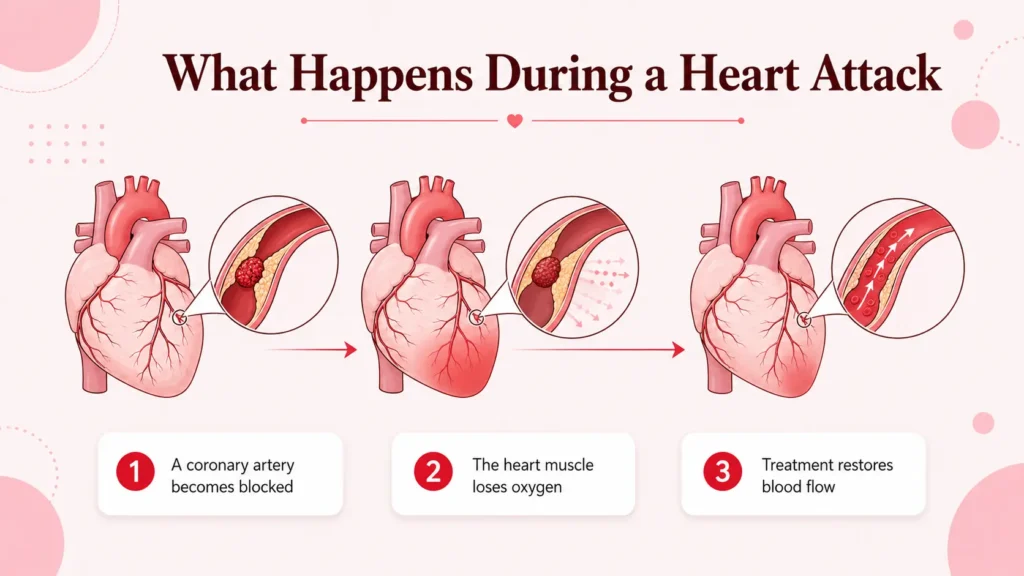
The heart is a muscle that needs a constant supply of oxygen-rich blood. This blood reaches it through the coronary arteries. Most heart attacks begin when a fatty deposit inside one of these arteries ruptures and a blood clot forms around it. If the clot severely narrows or completely blocks the artery, part of the heart muscle stops receiving enough oxygen. Without rapid treatment, cells in that area begin to suffer irreversible damage. This process is called a myocardial infarction, or heart attack.
During a Heart Attack: Blocked Blood Flow and Heart Muscle Damage
Once a coronary artery becomes blocked, the amount of damage mainly depends on:
- which artery is affected and how much heart muscle it supplies;
- whether the blockage is partial or complete;
- how long the tissue remains without sufficient oxygen;
- how quickly blood flow can be restored.
Emergency treatment aims to reopen the artery before a large area of heart muscle is permanently damaged. Angioplasty and stent placement are commonly used for this purpose. However, they cannot reverse damage that has already occurred, particularly when blood flow has been interrupted for a long time.
After a Heart Attack: Scar Formation, Ejection Fraction, and Cardiac Remodeling
Restoring blood flow stops the ongoing oxygen shortage, but the affected area still needs time to heal. Over the following weeks and months, the heart adapts to the loss of functioning muscle. The course of recovery depends on the size of the injury, the condition of the left ventricle, other cardiovascular diseases, and the patient’s response to treatment.
Doctors monitor the patient’s recovery using several key indicators:
- Echocardiography, including left ventricular ejection fraction (LVEF), evaluates the heart’s structure and pumping function. LVEF shows how much blood the left ventricle pushes out with each contraction; a lower value may indicate reduced pumping capacity.
- Troponin I levels are measured over time to track changes in this marker of heart-muscle damage.
- Electrocardiogram (ECG) findings help doctors monitor the heart’s electrical activity, rhythm, and changes following the infarction.
- Clinical condition includes chest discomfort, breathlessness, blood pressure, pulse, and possible signs of heart failure.
Scar formation and cardiac remodeling develop over time. These later changes may be assessed through follow-up echocardiography or cardiac MRI.
What Is the Best Way to Recover From a Heart Attack?
A person may feel stable after leaving the hospital and only later notice breathlessness, reduced exercise tolerance, or faster fatigue. In a study of 337,274 people with no previous heart failure, 18.8% developed it within five years after myocardial infarction.
Regular cardiology follow-up helps doctors monitor these changes, adjust medication, and identify complications even when the early stages of recovery appear to be progressing well.
Standard Cardiac Care Remains the First Priority
After discharge, standard cardiac care may include:
- prescribed medication to prevent blood clots, lower cholesterol, control blood pressure, or manage heart failure;
- regular cardiology follow-up to monitor heart function and adjust treatment;
- additional angioplasty and stent placement, when significant narrowing is found in other coronary arteries or new lesions develop over time;
- blood pressure, cholesterol, and blood glucose control;
- changes in diet, smoking, and other cardiovascular risk factors;
- a gradual return to physical activity;
- cardiac rehabilitation adapted to the patient’s current condition.
The exact program depends on the extent of heart damage, left ventricular function, symptoms, other health conditions, and how the patient responds to treatment.
Why Cardiac Rehabilitation Is More Than Exercise
Physical activity is a key part of recovery after a heart attack. A gradually adjusted exercise program can improve endurance, reduce fatigue, and make walking, climbing stairs, and returning to work easier. The load is selected based on heart function and adapted as recovery progresses.
A meta-analysis of 85 randomized trials linked exercise-based cardiac rehabilitation to lower cardiovascular mortality and fewer heart attacks and hospital admissions in people with coronary heart disease.
Cardiac rehabilitation, however, is not limited to exercise. Its components are planned together and may include:
- monitored physical activity adapted to current heart function;
- medication review and monitoring of symptoms;
- nutrition guidance and control of blood pressure, cholesterol, and blood glucose;
- education about safe activity and warning signs;
- adherence to treatment, including taking medication as prescribed, attending follow-up appointments, and following the cardiologist’s recommendations;
- psychological support for anxiety, low mood, or fear of another heart attack.
Standard rehabilitation can also be supplemented with emerging approaches. One of the approaches now being studied is stem cell treatments for heart attack. For selected, clinically stable patients, it may be considered as an addition to medication, cardiology follow-up, and cardiac rehabilitation. Let’s see how this treatment is being studied and what results have been reported so far.
How Stem Cell Therapy May Support Recovery After a Heart Attack
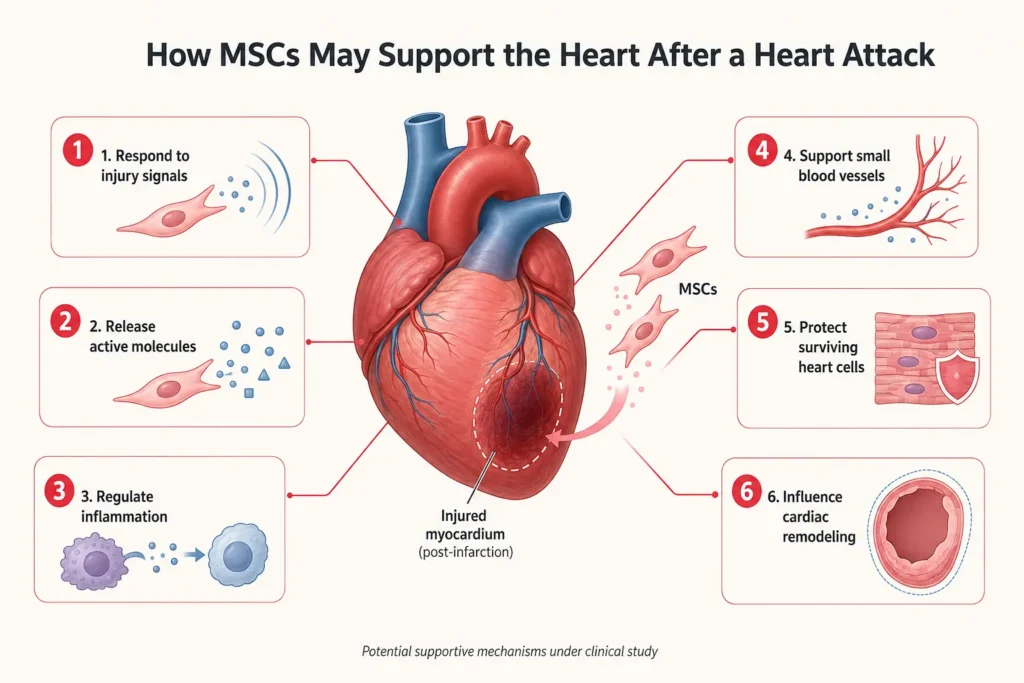
Stem cell therapy for myocardial infarction is being studied as a way to support the heart muscle that remains after the injury. The main interest is not in replacing the scar with large amounts of new heart tissue but in influencing the conditions around surviving heart cells.
Much of this research involves mesenchymal stromal cells (MSCs). Depending on the treatment protocol, MSCs can be isolated from donated umbilical cord or placental tissue collected after a healthy full-term birth, as well as bone marrow and adipose tissue.
Main Mechanisms of MSC Work: Inflammation, Blood Vessel Support, and the Cardiac Microenvironment
Mesenchymal stem cell treatment for heart attack may support recovery by releasing growth factors, cytokines, and extracellular vesicles. These biological signals help:
- regulate the inflammatory response after injury;
- support the survival of vulnerable heart cells;
- encourage angiogenesis, or the formation of small blood vessels;
- influence the environment in which scar tissue and remodeling develop.
What Current Research Shows
Clinical trials of mesenchymal stem cell treatments for heart attack have already reported a measurable change in one key indicator of heart function: left ventricular ejection fraction (LVEF). Because LVEF is associated with cardiac function and long-term prognosis, even a modest improvement may be clinically meaningful. Here are some results:
- A 2026 meta-analysis included seven randomized trials and 400 patients. LVEF improved by an average of 3.18 percentage points more in patients who received intracoronary MSC therapy.
- A 2025 meta-analysis using cardiac MRI outcomes found no significant short-term change in LVEF or infarct size. At longer follow-up, LVEF improved by 2.63 percentage points.
- A 2024 Cochrane review of 53 trials and 4,159 participants found that long-term LVEF measured by cardiac MRI improved by 1.85 percentage points after bone marrow-derived cell therapy.
What Improvements May Look Like in Daily Life
At the Swiss Medica clinic, a regenerative medicine center in Belgrade, Serbia, changes after stem cell treatment for a heart attack are assessed through cardiac tests and everyday function. Even modest improvements in stamina, activity levels, or cardiac measurements may make a meaningful difference to a patient’s health and quality of life.
Potential Improvements Patients May Notice
After stem cell treatments for a heart attack, our patients have reported:
- greater walking and exercise tolerance;
- less fatigue during daily activities;
- better participation in cardiac rehabilitation;
- greater independence and quality of life;
- more stable LVEF or other cardiac measurements.
Patient Story: Recovery After a Heart Attack
After a major heart attack and subsequent stroke, Steve—a musician and teacher for more than 30 years—could no longer remember how to play guitar or recognize the artists who had shaped his life. During treatment at Swiss Medica, his wife Renee noticed him reciting the alphabet, identifying pictures, recalling his childhood, and remembering famous bluegrass musicians again.
“We started talking about Tony Rice, Doc Watson, Tony Trischka, and Alison Krauss. He started to remember. Every single day, there’s been a little nugget of sunlight breaking through,” Renee recalled.

Watch more patient video testimonials on our YouTube channel.
Why Results Can Differ Between Patients
For patients after a heart attack, stem cell therapy outcomes may depend on several factors:
- Heart damage: infarct size, ejection fraction, and heart-failure severity;
- General health: age, diabetes, vascular disease, and arrhythmias;
- Recovery history: time since the heart attack and participation in rehabilitation.
Doctors therefore assess each patient’s follow-up results against their condition before treatment rather than expect the same response from everyone.
Who May Be Reviewed for Post-Heart Attack Stem Cell Therapy?
Patients who contact Swiss Medica most often have a reduced ejection fraction, persistent fatigue or breathlessness, limited exercise capacity, or concerns about future heart failure. Each of these cases does not automatically make someone suitable for stem cell therapy for myocardial infarction. The decision requires current cardiology records and may be considered for medical review based on the criteria below.
Stable Patients With Complete Cardiology Records
At Swiss Medica, each case is reviewed individually, and the appropriate timing of treatment is determined based on the patient’s condition and recovery.
| Treatment may be reviewed when |
| The patient is clinically stable, and acute treatment is complete |
| Cardiology records confirm previous myocardial infarction and current function |
| Reduced LVEF, fatigue, breathlessness, or limited exercise capacity persists |
| Medication and cardiac rehabilitation continue as prescribed |
| General health allows treatment and international travel |
When Stem Cell Treatment for Heart Attack May Not Be Appropriate
Treatment is not considered during an active or recent heart attack or when the patient requires urgent cardiac care. It may also be unsuitable in cases of:
- new or worsening chest pain;
- unstable or decompensated heart failure;
- uncontrolled arrhythmias or blood pressure;
- an active infection or active cancer;
- severe organ dysfunction that increases procedural risk;
- incomplete medical records.
Important: Stem Cell Therapy Is Not a Stent, Bypass, or Emergency Treatment
Stents and bypass surgery restore blood flow; stem cell therapy for coronary heart disease cannot open a blocked artery. It may be considered later only as an addition to cardiology care for stable patients with persistent limitations or reduced cardiac function.
What Happens During Stem Cell Treatment for Heart Attack at Swiss Medica?
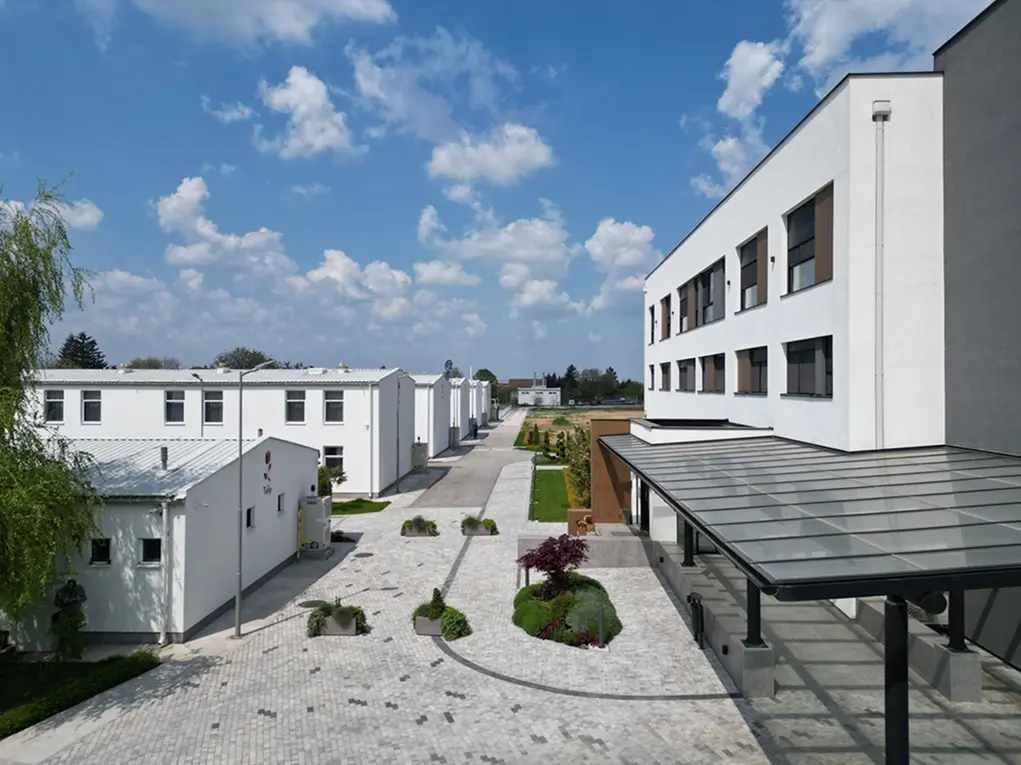
Our hospital in Belgrade, Serbia, brings together medical assessment, cell-based treatment, and supportive care within one coordinated program. The application process begins before the patient travels.
1. Online Consultation and Review of Heart Records
The first step is a free online consultation to discuss the heart attack, subsequent treatment, current symptoms, and recovery goals. Before stem cell therapy for coronary heart disease is considered, the medical team may request:
- hospital discharge records;
- current and previous echocardiograms with LVEF measurements;
- ECG and Holter-monitoring reports;
- cardiac MRI results, when available;
- coronary angiography and stress-test findings;
- reports from stent placement or bypass surgery;
- recent laboratory results;
- a current medication list.
Records collected at different stages of recovery are particularly useful because they show how heart function has changed over time.
Get a free online consultation
Book a free online consultation to find out whether stem cell therapy may be considered after your heart attack. Our medical team will review your records, discuss realistic goals, and explain the next steps, with no obligation to proceed.

Medical Advisor, Swiss Medica doctor
2. Personalized Planning Based on Cardiac Recovery
After reviewing the medical records, our doctors prepare a preliminary treatment plan based on established clinical protocols. The plan takes into account the extent of heart-muscle damage, ejection fraction, current symptoms, rhythm disturbances, other medical conditions, and response to standard cardiac care.
It defines:
- the cell product and source;
- the dose and number of administrations;
- the delivery route;
- additional supportive procedures;
- whether graded rehabilitation can be included safely.
Before travel, the medical team explains the proposed program and confirms whether any additional records or examinations are required.
3. Medical Assessment After Arrival
After arrival in Belgrade, the patient undergoes an in-person assessment. Doctors compare the current condition with the records reviewed remotely and check that it remains safe to proceed.
The assessment may include a physical examination, blood-pressure and rhythm monitoring, an ECG, blood and urine tests, and other investigations required for the individual case. The preliminary plan is then confirmed, adjusted, or postponed if new concerns are identified.
4. Stem Cell Therapy and Supportive Care
Treatment at Swiss Medica is organized as a coordinated program rather than a single administration of cells. We primarily use MSCs derived from screened umbilical-cord and placental tissue. Autologous cells from bone marrow or adipose tissue may be considered in selected cases.
MSCs are usually administered intravenously. Depending on the individual treatment plan, doctors may also include exosomes, secretome-based preparations, or other stem-cell-derived products. These additional products are selected to complement MSC signaling and potentially strengthen the program’s overall regenerative support.
Depending on the patient’s condition, the treatment plan may also include:
- IMR—a personalized combination of vitamins and nutrients;
- physiotherapy and rehabilitation, when cleared by a cardiologist;
- medical device-based procedures selected according to the patient’s cardiac function, general health, and treatment goals.
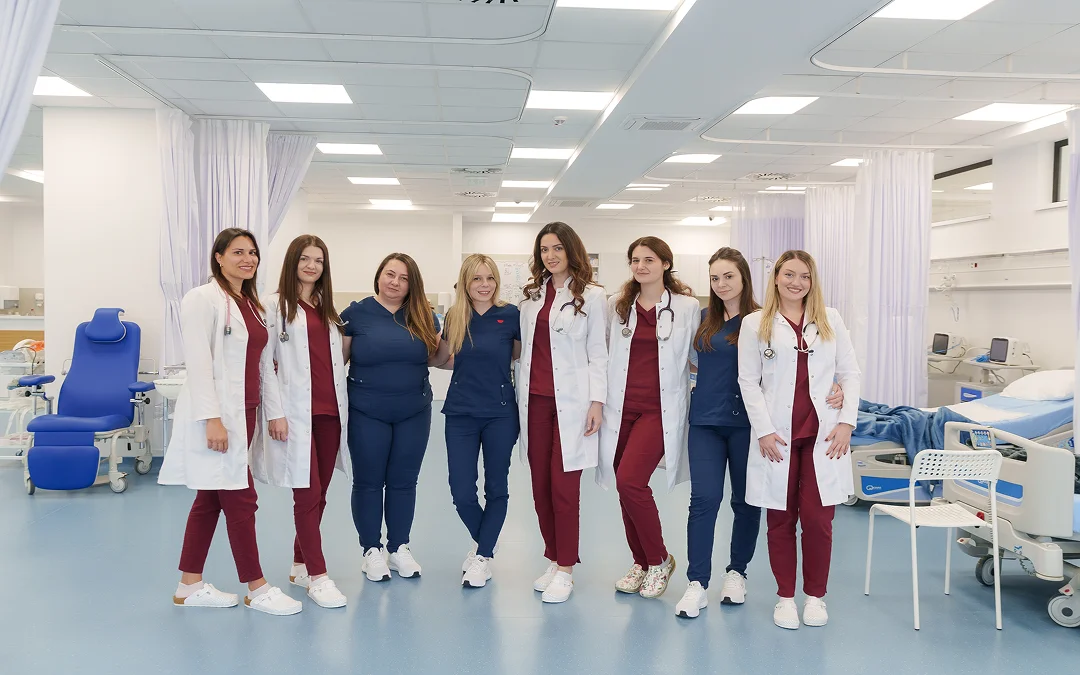
Continuous medical monitoring supports every stage of the program. Patients remain under supervision throughout their stay, with hospital staff available 24/7. Prescribed cardiac medication continues unless the treating cardiologist determines that a change is necessary.
5. Discharge and Continued Cardiology Follow-Up
Before discharge, each patient receives recommendations for continued care and a schedule of examinations to complete at home. After returning home, the patient continues prescribed medication and rehabilitation under the supervision of a local cardiologist, who also manages heart rhythm, blood pressure, and cardiovascular risk factors.
Swiss Medica remains in contact throughout this period. In selected cases, the treatment plan may also include a doctor-prescribed course of exosome-based products for use at home, with clear instructions and follow-up.
What Should Be Tracked After Treatment?
Our doctors stay in touch with patients for three to six months after treatment. This is considered the most active period of the expected biological response, when changes in cardiac measurements, physical capacity, or everyday symptoms may begin to appear.
During this time, our doctors review follow-up results and compare them with the patient’s condition before treatment.
| What we monitor | What it shows |
| Echocardiography: LVEF and ventricular volumes | Whether the heart’s pumping function and ventricular remodeling are stable or changing |
| Regional wall motion on echocardiography | How well different areas of the heart muscle contract after the infarction |
| Breathlessness, fatigue, and swelling | Whether symptoms are improving or heart failure may be progressing |
| Walking distance and exercise capacity | How cardiac function translates into everyday activity |
| Heart rhythm, pulse, and blood pressure | Whether changes require review by the local cardiologist |
| Medication tolerance | Whether the prescribed cardiac treatment remains appropriate and manageable |
After six months, the patient may return to Swiss Medica for a free follow-up check-up. Travel to Belgrade is arranged and paid for separately.
Safety, Side Effects, and Cardiac-Specific Considerations
MSC therapy has been studied across a range of medical conditions and has generally shown a favorable safety profile. A 2021 meta-analysis of 62 clinical trials found that the most consistently reported reaction was temporary fever.
Evidence specific to heart attack patients is also reassuring so far. A 2026 meta-analysis of seven randomized trials involving 400 patients found no major safety concerns associated with stem cell therapy for heart repair, although the available safety data remain limited.
Safety also depends on the cell product, laboratory preparation, dose, route of administration, and the patient’s current cardiovascular health.
Possible Side Effects of Intravenous MSC Administration
Short-term reactions are usually mild and temporary. They may appear during or shortly after administration and are monitored by the medical team. Possible reactions include:
- temporary fever;
- fatigue or headache;
- muscle aches;
- nausea;
- redness, swelling, or discomfort at the administration site.
Why Heart Patients Require Additional Screening
After a heart attack, doctors must consider factors that may affect the safety of treatment, including:
- heart-failure severity and fluid balance;
- blood pressure and heart rhythm;
- clotting risk and the use of anticoagulants;
- kidney and liver function;
- recent cardiac procedures;
- current medication and possible interactions.
Cost of Stem Cell Treatment After a Heart Attack
At Swiss Medica, the cost of stem cell treatment for a heart attack generally ranges from €7,700 to €45,000*. This range reflects programs of different scope rather than a fixed price for a single infusion.
*Prices are indicative and based on 2026 estimates; they may vary depending on condition severity and required cell quantity.
Why a Personalized Estimate Is More Reliable
The final stem cell therapy cost is generally determined by three areas:
- Cardiac condition: time since the heart attack, heart-muscle damage, ejection fraction, symptoms, heart-failure status, arrhythmias, and previous cardiac procedures;
- Treatment design: required diagnostics, cell product and source, dose, delivery route, and supportive procedures;
- Program scope: length of stay, medical monitoring, accommodation, and follow-up.
What a Swiss Medica Cardiac Program May Include
Advertised prices are not always directly comparable. Some clinics quote the cost of one injection or infusion, while others offer a multi-day program that may include diagnostics, medical supervision, accommodation, and follow-up.
| Country / region | Approximate advertised price | What may be included |
| Mexico | $7,100–$19,500 per injection | Often a cardiac-focused procedure; accommodation and extended monitoring vary |
| Turkey | $4,000–$8,000 per injection | Advertised cardiovascular programs; package contents differ by provider |
| Germany | $22,000–$80,000+ | Cardiac estimates; hospital, testing, and follow-up may be priced separately |
| United States | $15,000–$50,000 per injection | General systemic IV estimates, usually self-pay and not specific to post-MI care |
| Serbia (Swiss Medica) | €7,700–€45,000* | A private full-hospital program with doctor monitoring, on-site accommodation, tailored meals, and client support |
After the medical review, Swiss Medica provides a final written price for the complete approved program. All clinical services, monitoring, accommodation, meals, and in-clinic support listed in the plan are included, with no hidden clinical fees. Patients only arrange and pay for their travel to Serbia separately.
Why Patients Choose Swiss Medica for Cardiac Recovery Support
Since 2011, more than 10,000 patients with complex health conditions have received care at Swiss Medica. Patients recovering after a heart attack often value the opportunity to receive a medical decision before traveling, remain under continuous supervision during treatment, and have both medical and practical support coordinated in one place.
Individual Cardiology Assessment Before Treatment
The first assessment takes place remotely. Doctors review the patient’s discharge reports, echocardiograms, ejection fraction, heart-rhythm records, current medication, and recovery since the heart attack. This gives the medical team the information needed to assess stability and determine whether regenerative treatment can be considered, while giving the patient a clear decision before making travel arrangements.
In-House Cell Processing and Quality Standards
Swiss Medica manages cell processing within its own GMP-certified laboratory instead of relying on an external supplier. Before a product is released for treatment, specialists confirm its identity, sterility, viability, biological activity, dose, storage conditions, and traceability.
Keeping the laboratory and clinical teams in one center limits additional transport and handling. It also allows the medical team to maintain documented quality control from cell preparation through administration.
Personalized Monitoring and Follow-Up
After a heart attack, stem cell therapy outcomes cannot be assessed by energy levels alone. Feeling more energetic may be encouraging, but it does not provide a complete picture of cardiac recovery. Progress is assessed against the patient’s condition before treatment, rather than through symptoms alone. Doctors compare follow-up echocardiograms, LVEF, ventricular volumes, heart rhythm, blood pressure, walking capacity, and symptoms such as fatigue or breathlessness with the initial results.
This helps distinguish measurable cardiac changes from normal day-to-day fluctuations and gives the patient and local cardiologist clearer information for the next stage of care.
International Patient Support in Serbia
Travel after a heart attack can be tiring, especially for patients with reduced stamina, limited mobility, or a complex medication schedule. Swiss Medica coordinates the medical and practical parts of the stay so that patients and their companions have support from arrival through discharge.
The program includes:
- help with airport transfers, translation, medical documents, and everyday questions;
- accommodation and tailored meals for the patient and one companion;
- comfortable facilities for patients with reduced mobility or exercise tolerance;
- quiet rooms and spacious grounds for rest between procedures;
- medical staff available 24/7 throughout the stay.
Treatment, accommodation, and daily assistance are arranged in one place, reducing the practical burden of receiving care abroad.

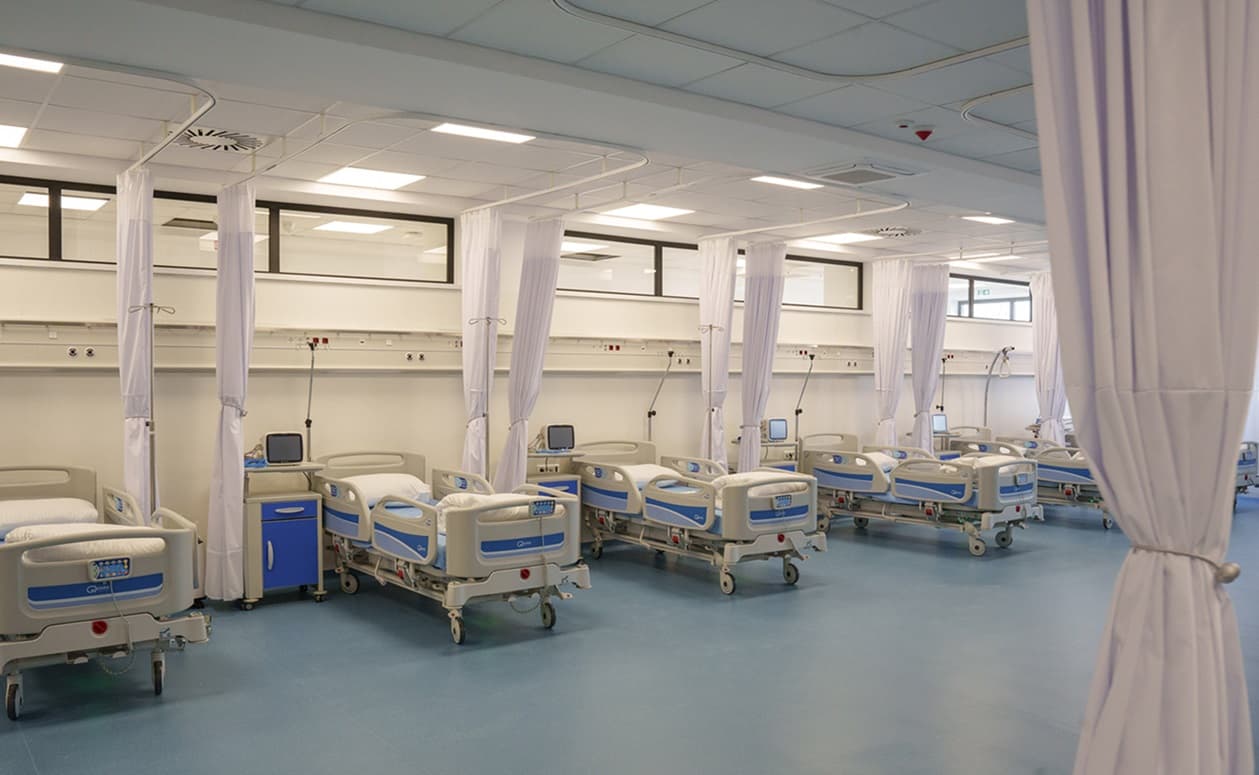
Speak With a Medical Advisor About Recovery After a Heart Attack
A free online consultation does not automatically mean that stem cell treatment for heart attack will be recommended. It provides a second medical perspective and a broader view of the available options after a heart attack.
A regenerative medicine doctor reviews the cardiac records, explains what stem cell therapy may and may not achieve, and identifies whether further assessment could be worthwhile. There is no obligation to proceed. The patient can consider the information, discuss it with their cardiologist, and make an informed decision while continuing prescribed cardiac care.
Contact us
Book a free online consultation to discuss your condition after a heart attack and understand whether stem cell therapy can be useful.
Medical Advisor, Swiss Medica doctor
FAQ
1. Can stem cell therapy help treat the damage caused by an acute myocardial infarction?
Current studies suggest that cell therapy may modestly improve selected measures of heart function, but it has not been shown to replace large areas of scar with normally contracting muscle. The realistic aim is support for remaining tissue and recovery, not complete restoration of the heart.
2. What is the best way to recover from a heart attack?
Recovery begins with rapid emergency treatment, followed by prescribed medication, risk-factor control, cardiology follow-up, and cardiac rehabilitation. Exercise progression, nutrition, smoking cessation, sleep, and psychological support all matter. Stem cell therapy, if considered, should remain additional to this plan.
3. Can stem cell therapy for the heart repair damaged tissue or improve ejection fraction after a heart attack?
A meta-analysis reports an average LVEF improvement of roughly two to three percentage points, although results vary by cell type, delivery method, timing, and imaging technique. A change in ejection fraction does not automatically mean fewer hospitalizations, longer survival, or better daily function.
4. Can stem cell treatment for heart attack repair scar tissue?
Research has examined whether cell signaling can influence inflammation, remodeling, and the environment around scar tissue. Human studies have not consistently shown a meaningful reduction in infarct size, so patients should not expect established cardiac scar tissue to disappear.
5. Does stem cell therapy replace stents, bypass, or cardiac rehab?
No. Stents and bypass surgery restore coronary blood flow, while rehabilitation and medication reduce future risk and rebuild physical capacity. Cell therapy can only be discussed as an additional approach after these priorities have been addressed.
6. Who may be reviewed for stem cell therapy after myocardial infarction?
Doctors may review clinically stable patients with complete cardiology records, persistent limitations, reduced LVEF, or post-infarction remodeling after acute treatment is complete. Suitability also depends on rhythm stability, heart-failure status, other conditions, medications, and the ability to travel safely.
7. What are the risks of stem cell therapy for heart attack patients?
The most commonly reported short-term reactions are mild fever, fatigue, headache, nausea, muscle aches, or temporary discomfort at the administration site. These effects are usually mild and pass within several hours.
8. How long after a heart attack can stem cell therapy be considered?
Timing depends on clinical stability and the treatment model. Acute trials have used cells within days of angioplasty, but Swiss Medica reviews patients later in recovery, generally no sooner than six months after the heart attack or primary cardiac intervention.
9. How much does stem cell therapy after a heart attack cost?
At Swiss Medica, the indicative range is €7,700–€45,000*. The final amount depends on cardiac function, medical history, diagnostics, cell product, program duration, monitoring, and supportive care. Patients receive a personalized written estimate after their records have been reviewed.
10. What heart tests are needed before consultation?
Useful records include recent echocardiograms, LVEF history, ECG or rhythm-monitoring reports, cardiac MRI when available, stress-test and angiography results, stent or bypass reports, blood tests, discharge summaries, and a current medication list.
References:
Rao SV, O’Donoghue ML, Ruel M, et al. 2025 ACC/AHA/ACEP/NAEMSP/SCAI Guideline for the Management of Patients With Acute Coronary Syndromes. J Am Coll Cardiol. 2025;85(22):2135–2237. https://doi.org/10.1016/j.jacc.2024.11.009
Dibben GO, Faulkner J, Oldridge N, et al. Exercise-based cardiac rehabilitation for coronary heart disease: a meta-analysis. Eur Heart J. 2023;44(6):452–469. https://doi.org/10.1093/eurheartj/ehac747
Chen K, Zhao S, Zou X, Zhong Z, Xia S. Efficacy and Safety of Intracoronary Mesenchymal Stem Cell Administration in ST-Segment Elevation Acute Myocardial Infarction: A Meta-Analysis of Randomized Controlled Trials. Clin Transl Sci. 2026;19(8):e70682. https://doi.org/10.1111/cts.70682
Moeswir D, Nurbaeti P, Hendarto H, Abdul Rahman MF. Safety and efficacy of stem cell therapy in acute myocardial infarction: a systematic review and meta-analysis of adverse events, infarct size and LV ejection fraction assessed by CMRI. Open Heart. 2025;12(1):e003301. https://doi.org/10.1136/openhrt-2025-003301
Zwetsloot PP, van der Naald M, Jones D, Reid A, Chamuleau S, Mathur A. Stem cell treatment for acute myocardial infarction. Cochrane Database Syst Rev. 2024;(8):CD006536. https://doi.org/10.1002/14651858.CD006536.pub5
Faridi KF, Bhalla N, Atreja N, et al. New Heart Failure After Myocardial Infarction. Am J Cardiol. 2021;151:70–77. https://doi.org/10.1016/j.amjcard.2021.04.019
Wang Y, Yi H, Song Y. The safety of MSC therapy over the past 15 years: a meta-analysis. Stem Cell Res Ther. 2021;12:545. https://doi.org/10.1186/s13287-021-02609-x


MD, Pediatrician, Regenerative Medicine Specialist