swiss medicaXXI century S.A.
At Swiss Medica, we mainly work with adult multipotent mesenchymal stromal cells and related biomedical products. One of the first questions many patients ask is, “What are multipotent stem cells?”
Understanding regenerative medicine begins with the basic biology of how the body repairs and renews itself. Multipotent stem cells are part of these natural repair mechanisms. Learning how these cells function can help patients better understand the principles behind modern regenerative medicine and stem cell-based approaches.
Multipotent Stem Cells: Definition
By definition, multipotent stem cells are stem cells with restricted differentiation potential, typically identified by specific molecular and phenotypic markers and by their capacity to generate multiple related cell types within a given lineage.
Rather than becoming any cell in the body like pluripotent stem cells, they are already committed to a broad cell family, such as blood, bone, cartilage, or nervous tissue. This makes their behavior more controlled and predictable in clinical settings.
What Does “Multipotent” Mean in Stem Cells?
The meaning of multipotent stem cells becomes easier to understand when cell potency is viewed as a spectrum. At one end are highly flexible early-stage cells, while at the other are mature cells with a single specialized function. Multipotent stem cells exist between these two extremes. They retain the ability to develop into several related cell types, but their differentiation is already biologically guided toward specific tissues and cellular families.
Why multipotent stem cells cannot become all cell types
They cannot become all cell types because they have already passed the earliest, most flexible stages of development. Their gene activity and differentiation pathways are restricted to specific cell lineages. For example, a hematopoietic stem cell can turn into red blood cells, white blood cells, and platelets, but it can’t naturally turn into a neuron or a heart muscle cell. This biological limitation helps make their behavior more predictable in clinical settings.
Potency refers to differentiation potential, not treatment strength
A common misconception is that “higher potency”—the ability to develop into more cell types—automatically means a “stronger” treatment. In reality, potency refers only to the range of specialized cells a stem cell can produce.
In clinical settings, treatment outcomes depend on multiple factors beyond potency, including cell viability, and the surrounding biological environment. A stem cell’s theoretical flexibility alone does not determine its clinical value.
More flexible stem cells are not always more appropriate
Totipotent and pluripotent cells can form a much wider range of tissues, but that flexibility also brings safety concerns in clinical use, including a higher risk of uncontrolled growth. Multipotent cells are more restricted, and that restriction is one reason they are often considered more suitable for controlled therapeutic protocols.
Where Are Multipotent Stem Cells Found in the Body?
These cells are found in specialized areas called “niches” throughout the adult body. Because they are present in adult tissues, they can be harvested for autologous (the patient’s own) or donor-based therapies.
- Adipose tissue and mesenchymal stem cells (MSCs): Fat tissue contains MSCs and stromal vascular fraction that may be used in autologous protocols. These are a primary focus at Swiss Medica due to their powerful signaling properties.
- Umbilical cord and perinatal tissue sources: Umbilical cord and placental tissues from donors after healthy childbirth can provide young stem cells, including MSCs.
- Bone marrow and hematopoietic stem cells (HSCs): Bone marrow is the best-known source of HSCs for hematology conditions. HSCs maintain blood and immune cell production, but they are not the cell type used in Swiss Medica’s MSC-based protocols.
These sources are widely discussed in regenerative medicine because the collection process is ethical, non-invasive, and does not involve embryos.
Types of Multipotent Stem Cells
There are different types of multipotent stem cells that scientists study and use in medicine, and each one has different abilities when it comes to damaged tissue:
Mesenchymal stem cells (MSCs)
MSCs are the most widely used multipotent cells in regenerative medicine. They can be harvested from bone marrow, adipose tissue, placenta tissue, and umbilical cord tissue. Their main therapeutic interest lies in immune modulation, anti-inflammatory signaling, and support of tissue-repair processes.
Hematopoietic stem cells (HSCs)
HSCs can develop into blood and immune cells. They are well established in specific hematological protocols, especially bone marrow transplantation for different chronic blood or immune conditions.
Neural stem cells (NSCs)
Neural stem cells are cells of the nervous system lineage. They are naturally found in the brain and spinal cord, and specialized laboratory protocols may also allow neural stem cell–like products to be developed from MSCs. In neurological protocols, they are considered mainly for their supportive signaling and neuroprotection.
How Multipotent Stem Cells Work in the Body
The clinical relevance of MSCs extends beyond differentiation alone. Their activity within the body also involves signaling, immune modulation, and support of tissue repair processes.
Under suitable conditions, these cells may differentiate into related cell types. For example, some MSCs can differentiate into bone, cartilage, or fat cell lineages under laboratory conditions. In clinical settings, however, their primary expected role is usually not direct tissue replacement, but from regenerative support these cells provide.
Release of signaling molecules (paracrine effects)
Much of the “heavy lifting” in therapy is done through paracrine signaling. The cells act as a storage of bioactive molecules, secreting growth factors, cytokines, and exosomes that signal the body’s own dormant cells to begin the natural repair processes.
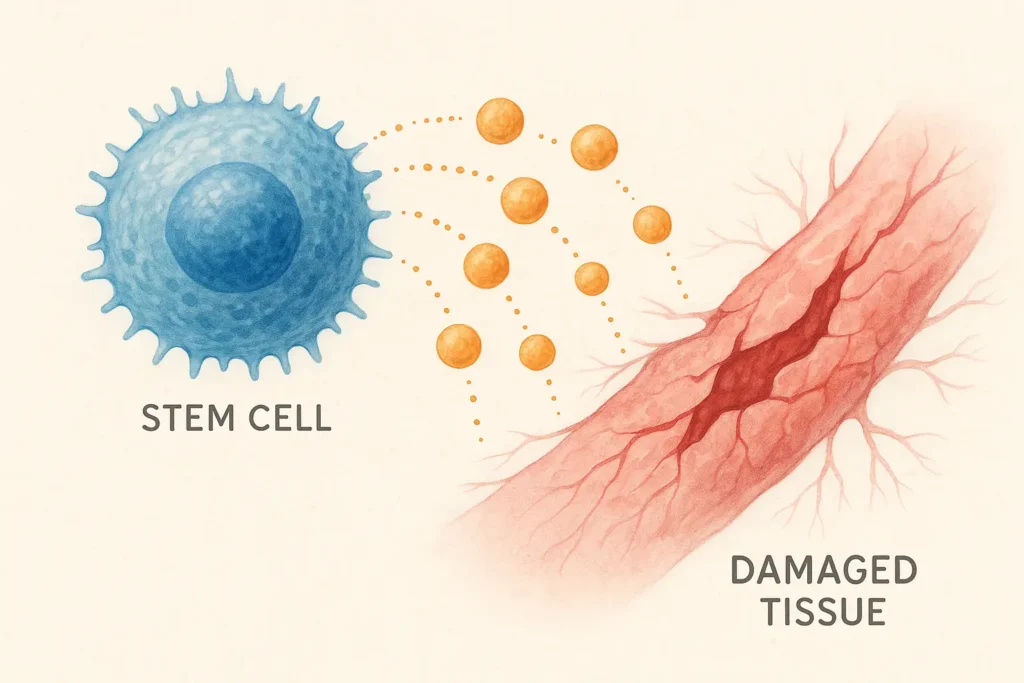
Interaction with the immune system
MSCs, in particular, have a unique ability to interact with the immune system. They can “dampen” an overactive immune response (as seen in autoimmune diseases) or help stimulate repair in chronic inflammatory environments.
Potential Advantages of Multipotent Stem Cells
There are several advantages of multipotent stem cells that make them particularly valuable in clinical settings focused on safety and controlled therapeutic applications:
- More controlled differentiation: These cells are limited to related lineages; they are less likely to develop into unrelated tissue types.
- Lower risk of uncontrolled growth: Multipotent stem cells don’t have a risk of forming tumors compared to pluripotent cells.
- Use in established therapies: This type of stem cell has been used safely and with regulatory approval in some areas, such as hematology or orthopedic care.
Current areas of investigation
Stem cells are currently being studied for abilities to help in many chronic conditions from autism and motor neuron disease to chronic inflammation and tissue scarring.
Multipotent vs. Pluripotent vs. Totipotent Stem Cells
The following table clarifies the differences in potency levels without claiming superiority, as each cell type has a specific role in biology and medicine.
| Cell Type | Potency Level | Differentiation Potential | Common Sources | Clinical Usage |
| Totipotent | Highest | Can become any cell of the body + extra-embryonic tissue (placenta) | Zygote (early embryo) | Research only |
| Pluripotent | High | In theory, can become any cell type in the body | Embryos or induced in lab (iPSCs) | Primarily research; high risk of tumors |
| Multipotent | Moderate | Limited to related cell lineages | Adult tissues, Umbilical cord | Widely used in clinical therapy; high safety profile |
What Multipotent Stem Cells Can and Cannot Do
Stem cell therapy should not be presented as a quick or universal solution. Its potential can be better understood when it is used within a comprehensive medical approach—one that includes careful patient assessment, personalized planning, supportive therapies, and continuous medical oversight.
They may support repair processes, but outcomes vary
While stem cells can support and promote internal regeneration, individual results depend on the patient’s age, baseline health, and the specific condition being treated.
They are not universal cells for all diseases
“Multipotent” should not be understood as cells that can rebuild any damaged tissue or replace any lost cell type in the body. Their role is more specific: they may help improve the tissue environment, support cell signaling, and contribute to repair-related processes when the body still has regenerative potential.
However, their effects have natural biological limits. If damage is old, severe, structurally irreversible, or replaced by scar tissue, cell-based therapy cannot simply restore the tissue as if it were new. This is why treatment expectations must be based on the patient’s diagnosis, disease stage, remaining tissue function, and overall clinical condition.
Effects depend on cell source, processing, and patient condition
The quality of the result is directly linked to how the cells are handled. Our laboratory data shows at least a 95% cell viability rate, ensuring optimal therapeutic impact. Cells that are handled poorly or transported long distances often lose their potency before they ever reach the patient.
Regulatory Environments and Patient Safety in Regenerative Medicine
In modern regenerative medicine, regulation acts as a vital guarantee of safety and therapeutic value rather than just a compliance hurdle. By adhering to rigorous oversight, a facility ensures that every stage of cell screening and cultivation is designed to protect the patient from complications while maintaining the highest biological quality.
Operating a stem cell laboratory in Europe requires strict adherence to GMP, which ensures that every cell product is prepared in a sterile, certified environment. This technical precision is matched by a commitment to ethical sourcing.
By utilizing donor tissues such as the placenta and umbilical cord, Swiss Medica ensures there are no ethical conflicts in obtaining potent, high-quality cells. Collectively, these regulatory and ethical pillars provide the “Safe Europe” foundation that international patients prioritize.
A responsible treatment plan starts with understanding how safety is assessed, what reactions may occur, and how medical supervision helps reduce risks. Learn what patients should know before considering treatment.
Safety & Adverse EffectsWhy Swiss Medica Meets These Criteria
Swiss Medica operates as a high-tech research facility where medical expertise is closely integrated with in-house biotechnological manufacturing. Our laboratory facilities in Europe play a central role in maintaining quality control, consistency, and clinical reliability throughout the treatment process.
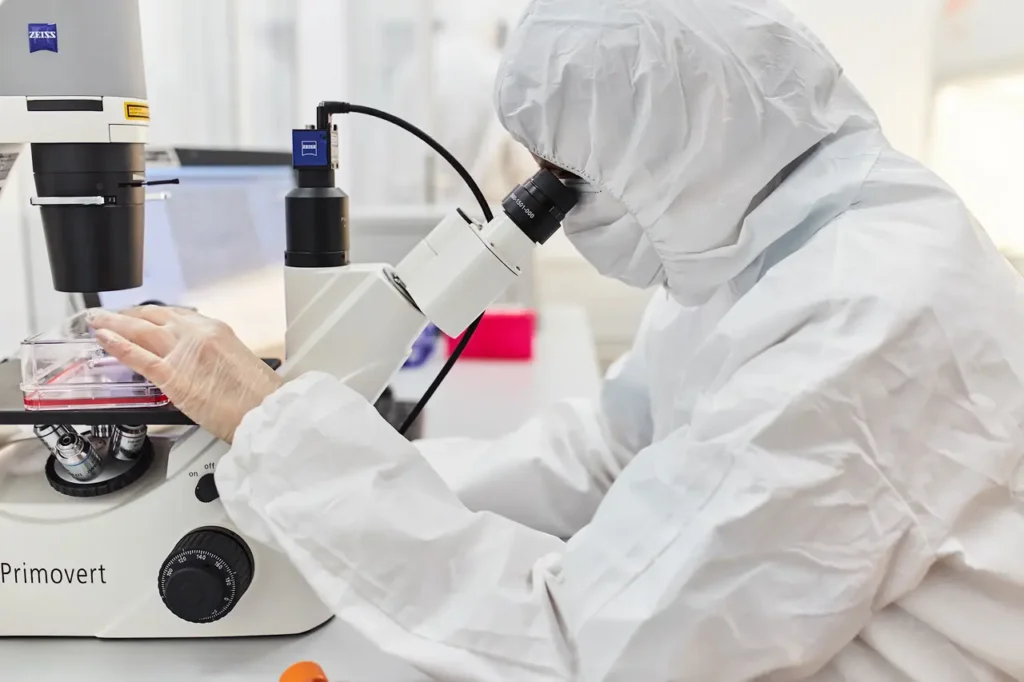
Infrastructure + Quality = Better Process Control.
Because we manage the cultivation process ourselves, we can reduce variables related to third-party transport, storage conditions, and batch inconsistency. This makes the biological product more controlled and transparent.
Key parameters such as sterility, cell viability, identity, and dosage precision are checked before clinical use, helping the medical team make decisions based on measurable quality indicators rather than vague promises.
Get to Know Swiss Medica
Explore our philosophy, medical approach, and the care experience we provide for patients from around the world.
How Swiss Medica Approaches Multipotent Stem Cells
We do not treat a diagnosis in isolation; we treat a biological environment. At Swiss Medica, every procedure follows a structured clinical process designed to transform cellular potential into functional recovery.
Stem cell therapy step-by-step
| 1. Pre-Admission Medical Review | Our medical board reviews records, imaging, diagnosis, and current symptoms before arrival. This helps assess eligibility, define the baseline, and identify safety limitations early. |
| 2. On-Site Assessment | Upon arrival at Swiss Medica, the patient meets the team and undergoes any necessary medical examinations. |
| 3. Personalized Program | The program is designed to meet the needs and condition of each patient. In some cases, the protocol may include regenerative treatments alongside supportive therapies such as the IMR technique, physiotherapy, occupational therapy, speech therapy and other rehabilitation methods. |
| 4. Product Handling and Quality Control | Our lab prepares and controls cell products. We document sterility, identity, and viability so the clinical team understands what we administer. |
| 5. Stem Cell Administration and Patient Monitoring | The patient remains under medical supervision during the treatment course, with monitoring before, during, and after the stem cell treatment procedure. |
| 6. Patient Discharge and Follow-Up | Recovery continues after discharge with follow-up guidance and a structured plan. Depending on the condition, Swiss Medica may provide a follow-up period of 3 to 6 months and invite the patient for a follow-up visit included in the stem cell therapy cost. |
Start with a personal medical review
Every patient’s condition, medical history, and treatment goals are different. To understand whether regenerative therapy may be considered in a specific case, our medical team reviews the available medical information and prepares an individual recommendation.
Fill out the form below to request a preliminary medical review. Our team will contact the patient to clarify the details and explain the next possible steps.

Medical Advisor, Swiss Medica doctor
FAQ
1. What are multipotent stem cells in simple terms?
They are specialized repair and renewal cells that can develop only into a limited family of related cell types, such as blood, bone, cartilage, or certain nervous-system cells. That limited range is what makes them “multipotent.”
2. What is the difference between multipotent and pluripotent stem cells?
The primary difference is that pluripotent cells can become any type of cell in the body, while multipotent cells can only become cells in a limited group of tissues. This makes multipotent cells safer for use in medicine.
3. Are mesenchymal stem cells considered multipotent stem cells?
Yes, MSCs are a well-known type of these stem cells. Their clinical interest is also linked to their ability to influence cell signaling, inflammation, and the tissue environment.
4. Can multipotent stem cells become any type of cell?
No, they can’t. They are limited to certain lineages. For example, hematopoietic stem cells can form different types of blood cells, but they do not naturally become neurons or heart muscle cells. Their value in regenerative medicine is not based on becoming every possible cell type but on supporting repair-related processes within their biological limits.
5. Are multipotent stem cells safer than pluripotent stem cells?
Yes, in a clinical setting. This type of stem cell is much less likely to turn into tumors (teratomas) or the wrong type of tissue than pluripotent cells, which are very flexible.
6. Are MSCs the same as adult stem cells?
There is a lot of overlap, but they are not the same. Adult stem cells are multipotent stem cells, meaning that they are prevalent in adult tissues and can only turn into a few different types of cells. But “multipotent” only refers to what the cell is capable of becoming, whereas “adult” describes where it came from.
7. What conditions are MSCs being studied for?
They are being studied a lot for chronic conditions like MS, autism, and ALS, autoimmune diseases, as well as for orthopedic repair and long-term inflammatory conditions.
List of References:
Soliman H, Theret M, Scott W, Hill L, Underhill TM, Hinz B, Rossi FMV. Multipotent stromal cells: One name, multiple identities. Cell Stem Cell. 2021;28(10):1690-1707. doi:10.1016/j.stem.2021.09.001
Borlongan CV. Multipotent/pluripotent stem cell populations in stromal tissues and peripheral blood: exploring diversity, potential, and therapeutic applications. Front Cell Dev Biol. 2024;12:1376780. doi:10.3389/fcell.2024.1376780
Lotfi B, Gholami K, Bakhshandeh B. Pluripotent and Multipotent Stem Cells and Current Therapeutic Applications: Review. Stem Cells Cloning. 2021;14:3-7. doi:10.2147/SCCAA.S304887
Poliwoda S, Noor N, Downs E, et al. Stem cells: a comprehensive review of origins and emerging clinical roles in medical practice. Orthop Rev (Pavia). 2022;14(3):37498. doi:10.52965/001c.37498
Liu Y, Muñoz N, Bunnell BA. Classes of Stem Cells: From Biology to Engineering. Biomedicines. 2023;11(9):2565. doi:10.3390/biomedicines11092565


MD, Pediatrician, Regenerative Medicine Specialist