swiss medicaXXI century S.A.
Does the placenta have stem cells, and how are they different from other cell types? When patients explore regenerative medicine, these questions often arise as they seek safe, effective, and scientifically grounded treatment options.
The placenta contains several valuable cell populations that can be collected after birth and used in regenerative treatments. In this article, we mainly talk about placenta-derived mesenchymal stem cells, or MSCs. These are among the best-studied cell types obtained from placental and other perinatal tissues. Researchers are currently investigating their potential to help regulate immune responses, reduce inflammation, and support the body’s natural repair mechanisms.
What Are Placenta Stem Cells: Definition and Meaning
For some patients, the idea of stem cells may sound unfamiliar. In reality, there are many myths around placenta-derived MSCs, so it is important to understand what they actually are and why they have become an active area of medical research.
1. Placenta Stem Cells Are Not Embryonic Stem Cells
Placenta-derived cells are collected only after the birth of a healthy child, from tissue that is normally discarded. No embryo is used or destroyed to obtain them, which makes them ethically different from embryonic stem cells.
MSCs from the placenta also have a different safety profile. Embryonic stem cells are very early-stage cells with a broad ability to develop into many tissue types. Placenta-derived cells are more mature and are typically valued for their regenerative and immune-modulating properties, making them a more predictable and clinically practical option.
2. The Placenta Is Collected After Birth Without Harm
The placenta is collected only after the baby is born and it has completed its role in pregnancy. The process does not harm the mother or child.
Before collection, the health indicators of both the mother and baby are checked, and donation takes place only on a voluntary basis. In this way, donated placental tissue may provide medical and research value beyond its original biological function.
To ensure safety and quality, the tissue undergoes sterility testing and strict laboratory processing before being considered for medical or research applications.
3. Placenta-Derived Stem Cells Can Come From Different Placental Regions
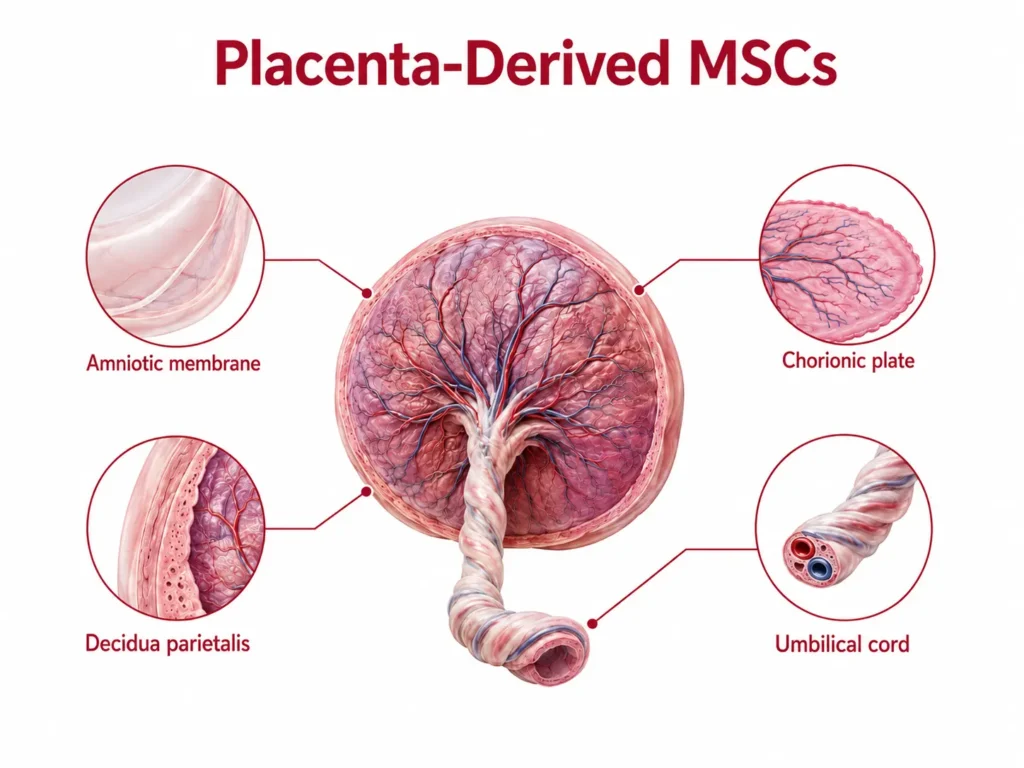
MSCs can be obtained from different placental and perinatal tissues, including the amnion, chorion, decidua, umbilical cord, and Wharton’s jelly. Although these cells share the main features of MSCs, their tissue of origin may influence their growth, signaling activity, and interaction with immune and inflammatory processes. For stem cell therapies, this means that different placental MSC sources can be selected more precisely, depending on the desired therapeutic effect.
What Types of Stem Cells Are Found in the Placenta?
We have already mentioned that the placenta contains different biologically active cell populations. Placenta-derived MSCs are one of the main types, but they are not the only ones.
Mesenchymal Stem Cells From Placenta
Placenta-derived MSCs are among the most studied cell types in placental tissue. These cells are known for their ability to release biologically active signals, including cytokines, growth factors, and extracellular vesicles. This is the main reason they are studied for their potential role in immune regulation, inflammation control, and tissue repair support.
Amniotic Membrane-Derived Stem Cells and Epithelial Cells
The amniotic membrane contains different cell types, including amniotic epithelial cells and amniotic MSCs. These cells are studied because they may help regulate immune and inflammatory responses. They can also release biologically active signals that may support tissue protection and repair-related processes.
Hematopoietic and Endothelial Progenitor Cells
Placental tissue may also contain early cells involved in the development of blood and blood vessels. These include blood-forming progenitor cells, which can develop into different types of blood cells, and endothelial progenitor cells, which are linked to the inner lining of blood vessels.
At the moment, these cells are mainly being studied in research, and more long-term data is needed to better understand their possible medical use.
Differences Between Placental, Cord Blood, and Cord Tissue Cells
Placental tissue is not the only perinatal source of cells studied in medicine. After birth, cells may also be collected from umbilical cord blood, which is mainly known for blood-forming stem and progenitor cells, or from umbilical cord tissue, which is mainly valued as a source of MSCs.
| Source | Main Cell Populations | Collection | General Characteristics |
| Placental Cells | Mainly MSCs and amniotic membrane-derived cells; may also include some blood- and vessel-related progenitor cells | Collected after birth with consent | A broad mix of cell populations studied for immune regulation, inflammation control, tissue-support signaling, and repair-related processes |
| Cord Blood Cells | Mainly hematopoietic stem and progenitor cells | Blood collected from the umbilical cord after delivery | Best known for hematopoietic and immune reconstitution |
| Cord Tissue Stem Cells | Mainly MSCs from Wharton’s jelly | Umbilical cord tissue collected after birth | An MSC-rich tissue source studied for cell expansion, immune-related effects, and tissue-support signaling |
Regardless of the source, all collected cells must undergo proper donor screening, laboratory checks, quality control, and safety assessment before any medical use.
Is It Worth Saving the Placenta for Banking and Stem Cell Therapies?
Placenta banking may sound like a complex medical process; below, we explain what it involves.
How Banking Differs from Immediate Medical Use
Banking means that placental tissue or derived cells are stored for possible future use. They are not used as treatment at the time of storage.
Immediate medical use happens only when there is a current medical indication and after all required checks are completed, including screening, preparation, quality control, route selection, and clinical monitoring.
What Placenta Banking Involves
Placental tissue banking is not just the moment of collection. It is a carefully controlled process that includes the following steps:
- Health and eligibility checks. Before collection is considered, the mother’s medical history, donor eligibility, and relevant health indicators are reviewed. The baby’s health is also taken into account.
- Collection after delivery. Placental tissue is collected only after the baby is born and the placenta has completed its role in pregnancy.
- Controlled storage. If the tissue is suitable and has passed all sterility and viability tests, it is stored under controlled conditions for possible future use.
How Placenta-Derived MSCs Work in the Body
Let’s take a look at the fundamental principles underlying placental stem cell activity in the body.
Differentiation Into Specific Cell Types
Placenta-derived MSCs have the potential to differentiate into different cell types, including bone, cartilage, and fat cells, under controlled laboratory conditions.
However, this does not mean that they directly “turn into” new organ cells or replace damaged tissue. MSCs are mainly studied for their ability to respond to signals from inflamed or injured areas and help create a supportive environment for the body’s natural repair processes.
Release of Signaling Molecules
A large part of the interest in MSCs comes from the signals they release after reaching inflamed or damaged tissues. These may include growth factors, chemokines, adhesion molecules, cytokines, and extracellular vesicles.
Together, these signals can help create a supportive microenvironment around the affected area. They may influence inflammation, cell communication, and blood vessel support.
Interaction With Immune and Inflammatory Processes
Placenta-derived MSCs are also studied for their ability to interact with the immune system. They may influence the activity of immune cells and help regulate inflammatory signals.
This is one reason MSCs are being researched in conditions where immune imbalance, chronic inflammation, or tissue damage may play an important role, including autoimmune, inflammatory, neurological, and degenerative conditions.
Potential Benefits of Placental Stem Cells Found in Research
What can placenta stem cells be used for? Current research mainly focuses on four potential effects of MSCs:
| Potential Benefit | What It Means |
| Support for Tissue Repair Processes | Placenta-derived MSCs may release signals that help create a better environment for tissue repair. They are studied for their role in repair-related signaling, angiogenesis, and support of damaged tissues. |
| Immune Regulation | MSCs may interact with immune cells and help regulate immune responses. This is one reason they are studied in conditions where immune imbalance may play a role. |
| Anti-Inflammatory Activity | Stem cells from the placenta may release biologically active signals that help influence inflammation and the local inflammatory environment. |
| Non-Invasive Post-Birth Source | Unlike embryonic stem cells, stem cells from the placenta are obtained only after birth, once a healthy baby has been delivered and the placenta has completed its role in pregnancy. For stem cell therapies, this provides an ethical and safe cell source, as collection does not involve embryos and uses tissue that is naturally available after delivery. |
Why Potential Benefits Do Not Guarantee Clinical Outcomes
Positive research findings do not always mean the same result for every patient. Outcomes can depend on many factors, including the cell source, how the cells are prepared, the dose, the treatment method, and the patient’s condition.
What Can Placenta Stem Cells Be Used For?
Placental MSCs are being studied and used in research for different medical conditions.
Examples of Conditions Being Studied
Placenta-derived cells may be considered as an addition to the main treatment plan in selected conditions, such as secondary progressive multiple sclerosis, musculoskeletal and degenerative joint conditions, and some spinal cord-related conditions.
Why Results May Vary Between Patients
Placenta stem cells are not proven treatments for all conditions. Their potential use depends on the diagnosis, disease stage, overall health, treatment protocol, dose, route of administration, cell quality, and follow-up care. This is why two patients may respond differently, even if they receive similar cell products.
Placenta Stem Cell Therapy: What It Means in Practice
Stem cell therapy is not only a research topic. Placenta stem cell treatments have been used in different medical contexts for many years.
Difference Between Research, Clinical Use, and Experimental Approaches
Placenta-derived cells are used in several different settings, including scientific research, clinical studies, and medical treatment programs. Research helps scientists study how these cells interact with inflammation, immune activity, and tissue repair. Clinical studies evaluate safety and potential therapeutic effects in specific patient groups.
In medical practice, some clinics use carefully processed placenta-derived cell products within established treatment protocols. These products undergo donor screening, laboratory testing, and quality control procedures before clinical use. At the same time, ongoing research continues to improve understanding of how these cells may be applied most effectively and for which conditions they may offer the greatest potential.
What “Placenta Stem Cell Treatment” Refers To
In practice, placenta stem cell therapy usually refers to a prepared product made from donated placental tissue. Most often, this means allogeneic MSCs—cells from a screened donor.
Why Medical Evaluation Is Required Before Procedures With Placenta Stem Cells
Before considering placenta stem cell therapy, doctors need to answer several important questions:
- Is there a reasonable medical indication?
- Is this cell product appropriate for the patient’s condition?
- Which route of administration is suitable?
- Are the expected potential benefits reasonable compared with the uncertainties?
This evaluation may include diagnosis review, contraindications, infection history, current medications, rehabilitation goals, and follow-up planning. Only after a thorough evaluation can doctors decide whether the patient is eligible for therapy.
Get a free online consultation
At Swiss Medica, we offer free online consultations with regenerative medicine doctors. During the consultation, you can discuss your condition, understand whether stem cell therapy may be suitable for you, and make a more informed decision.

Medical Advisor, Swiss Medica doctor
Placenta Stem Cell Injection: What Patients Should Know
The word “injection” may sound intimidating, but it does not always mean a painful or complex procedure. Here, we discuss what this term can mean in clinical practice.
What the Term “Injection” May Involve
A placenta stem cell injection is not one standard procedure. Depending on the patient’s condition and treatment goal, it may include:
- Intravenous infusion (IV). IV administration is one of the main delivery routes. The cells are given through a slow infusion into a vein, usually over 20–40 minutes. The procedure is similar to other intravenous treatments and is generally well tolerated.
- Local injection. Local administration means delivering the cell product to a specific area of the body. This may include injection into or around a joint, into the intrathecal space around the spinal cord, or into another targeted tissue area.
Why Administration Methods Vary Depending on the Case
Different conditions may require different delivery routes. For example, joint problems may involve local or intra-articular administration, while systemic inflammatory goals may require IV infusion. The route affects where the cells go, how the body is monitored, and what risks should be considered.
Importance of Clinical Justification and Supervision
The procedure should be used only when the product, route, and medical indication match. A route that is reasonable in one condition may be inappropriate in another, which is why administration should be tied to clear medical justification, physician oversight, and defined follow-up rather than offered as a generic wellness intervention.
Safety Considerations for Placenta Stem Cells
Safety depends not only on the cells themselves, but also on how they are prepared, administered, and monitored.
Potential Risks and Uncertainties
MSC-based therapies are generally considered to have a favorable safety profile when proper protocols are followed.
Some patients may experience mild temporary reactions after treatment, such as fatigue, headache, low-grade fever or chills, local soreness or swelling after injections, or temporary irritability. These reactions usually pass on their own, but patients should know what to expect and when to contact the medical team.
MSC therapy may not be appropriate for everyone. Extra caution is needed in cases such as active or uncontrolled infection, significant medical instability, poorly controlled epilepsy, severe immune suppression, ongoing cancer, or unresolved oncologic concerns.
Source, Screening, and Donor Eligibility
Safe treatment starts before the cells are administered. The source of the cells must be clear, and donor-derived products require proper screening, documentation, and quality checks.
Why Laboratory Control Matters With Placenta Stem Cells
Laboratory control is one of the key parts of safety. MSC products should be prepared under controlled conditions and checked before use.
For example, at Swiss Medica, donor stem cells are checked in our own stem cell laboratory before use. This includes sterility testing and cell viability assessment to confirm how many cells are alive at the time of release. Risks are reduced through defined laboratory standards, sterile techniques, and standardized clinical protocols.
About Swiss Medica
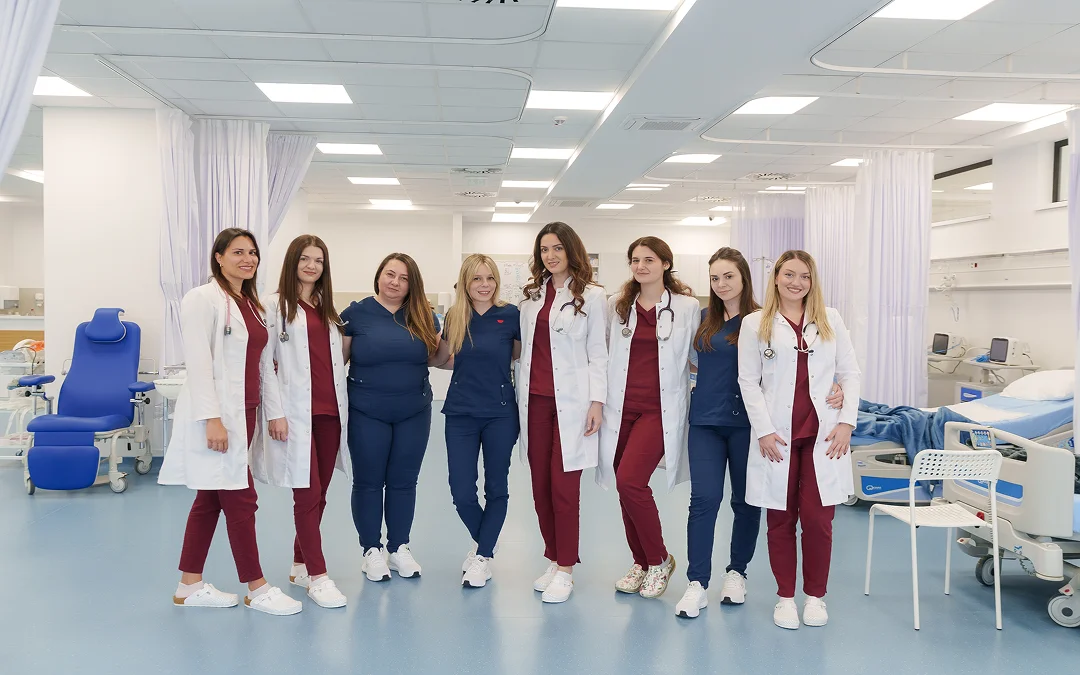
Swiss Medica is a stem cell clinic in Serbia and an international medical organization focused on regenerative medicine and supportive rehabilitation programs. Belgrade hospital integrates diagnostics, lab work, treatment procedures, recovery, accommodation, and patient support in a single medical environment.
Since 2011, Swiss Medica has treated more than 10,000 patients worldwide, including people with autism spectrum disorder, multiple sclerosis, Parkinson’s disease, arthritis, and other chronic or complex conditions.


How Swiss Medica Approaches Placenta-Derived Stem Cell Therapy
Here are the main steps patients usually go through at Swiss Medica:
Treatment begins with medical evaluation
Treatment does not start automatically. First, doctors review the patient’s medical records, diagnosis, symptoms, previous treatments, and overall health. Only after this evaluation can the medical team decide whether stem cell therapy may be suitable.
A Treatment Plan Is Adapted to Each Patient
If the patient is eligible, doctors create a treatment plan using established, clinically tested protocols developed for specific medical conditions. The program is then adapted to the individual patient, taking into account their diagnosis, current health status, medical history, and personal characteristics. This may include the type of cell product, route of administration, number of procedures, supportive therapies, and rehabilitation goals.
Cells Are Prepared and Checked in the Laboratory
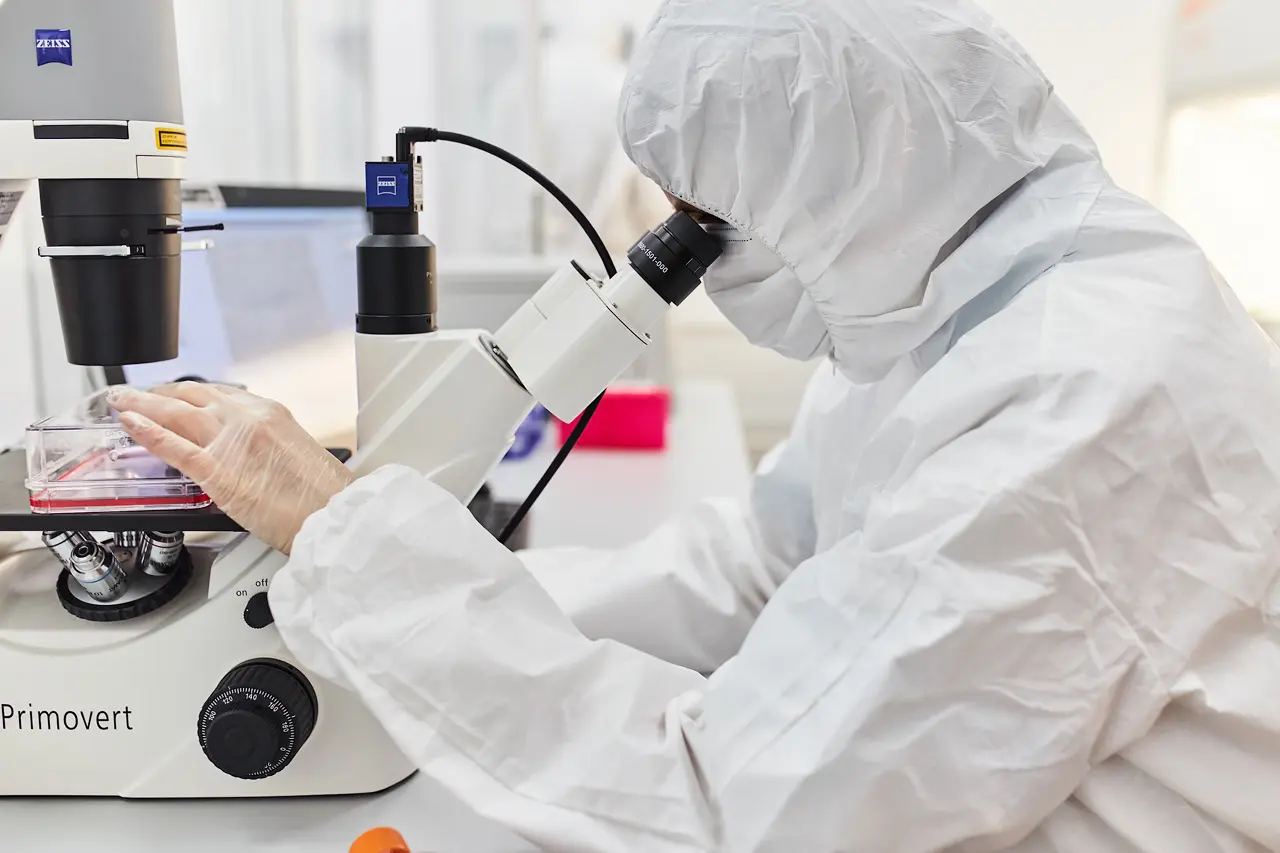
MSCs are prepared in controlled laboratory conditions and checked before use. This may include sterility testing, viability assessment, and confirmation of key cell characteristics—all in one place, in our stem cell lab.
Administration Under Medical Supervision
The cells are administered by the selected route, depending on the patient’s condition and treatment goals. This may include IV infusion or local administration when medically appropriate.
There may be more than one administration during the program, depending on the treatment plan. Cell therapy and rehabilitation procedures usually go in parallel, so the body receives both biological support and functional recovery support during the same treatment course.
Monitoring and Follow-Up Continue After Treatment
Patients are monitored during and after the procedure. They also receive guidance on possible temporary reactions, recovery, and follow-up after returning home.
A free follow-up check with accommodation at the clinic is recommended in 3–6 months to assess progress and adjust further care if needed.
Contact us
Book a free online consultation with our doctors to better understand your situation or your loved one’s condition, discuss possible treatment options, and make an informed decision.
Medical Advisor, Swiss Medica doctor
Frequently Asked Questions
1. What are placenta stem cells in simple terms?
Placenta-derived stem cells are cells obtained from placental tissue after birth. Most often, this term refers to placenta-derived mesenchymal stromal cells (MSCs), which are studied for their ability to release biological signals, interact with immune responses, and support tissue repair processes.
2. What are the benefits of placenta stem cells?
Research mainly focuses on four potential benefits of placenta-derived MSCs: support of tissue repair processes, immune regulation, anti-inflammatory activity, and the fact that they can be obtained from post-birth tissue without using embryonic cells. However, these potential benefits do not guarantee the same result for every patient. Outcomes depend on the diagnosis, disease stage, product quality, treatment protocol, route of administration, and follow-up care.
3. Is placenta banking the same as stem cell therapy?
No. Placenta banking means collecting and storing placental tissue or derived material for possible future use. It does not mean that treatment is being performed.
Stem cell therapy is different: it means that a prepared cell product is used for a current medical reason, after medical evaluation, safety checks, and under clinical supervision.
4. Are placenta stem cells the same as cord blood stem cells?
No. Placental tissue, umbilical cord blood, and umbilical cord tissue are different perinatal sources of cells.
Placental tissue may contain MSCs, amniotic membrane-derived cells, and other biologically active cell populations. Cord blood is mainly known for blood-forming stem and progenitor cells, while cord tissue is mainly valued as an MSC-rich source, especially from Wharton’s jelly.
5. Are placenta stem cells ethical to use?
Placenta-derived cells are ethically different from embryonic stem cells because they are collected only after birth, from tissue that would otherwise usually be discarded. No embryo is used or destroyed to obtain them.
6. Are placenta-derived stem cells safe?
MSC-based therapies are generally considered to have a favorable safety profile when proper protocols are followed, but safety should never be assumed automatically. It depends on the full process: donor screening, sterile laboratory preparation, quality control, correct administration, patient selection, medical supervision, and follow-up.
7. Can placenta stem cells be used to treat diseases?
Placenta-derived cells may be considered as an addition to the main treatment plan in selected conditions, but they are not proven treatments for all diseases.
Their potential use depends on the diagnosis, disease stage, overall health, cell product quality, dose, route of administration, and medical follow-up. This is why eligibility should be decided only after a thorough medical evaluation.
List of References:
Wu, M., Zhang, R., Zou, Q. et al. Comparison of the Biological Characteristics of Mesenchymal Stem Cells Derived from the Human Placenta and Umbilical Cord. Sci Rep 8, 5014 (2018). https://doi.org/10.1038/s41598-018-23396-1
de Laorden EH, Rodilla BL, Arroyo-Hernández M and Iglesias M (2025) Advances in human amniotic placenta membrane-derived mesenchymal stromal cells (hAMSCs) for regenerative medicine: enhancing therapeutic potential with biomaterials and scaffolds. Front. Bioeng. Biotechnol. 13:1590393. doi.org/10.3389/fbioe.2025.1590393
Farhadihosseinabadi B, Farahani M, Tayebi T, Jafari A, Biniazan F, Modaresifar K, Moravvej H, Bahrami S, Redl H, Tayebi L, Niknejad H. Amniotic membrane and its epithelial and mesenchymal stem cells as an appropriate source for skin tissue engineering and regenerative medicine. Artif Cells Nanomed Biotechnol. 2018;46(sup2):431-440. doi.org/10.1080/21691401.2018.1458730
Liang, G., Liu, S., Zhou, C. et al. Conversion of placental hemogenic endothelial cells to hematopoietic stem and progenitor cells. Cell Discov 11, 9 (2025). https://doi.org/10.1038/s41421-024-00760-2
Yuan S, Li M, Wang J, Ju W, Huang Y, Li Y, Fan H, Zeng L. Human placenta-derived endothelial progenitor cells: an animal-free culture system for efficient expansion. Biol Res. 2025 Jul 2;58(1):44. doi.org/10.1186/s40659-025-00625-2
Wang, Y., Yi, H. & Song, Y. The safety of MSC therapy over the past 15 years: a meta-analysis. Stem Cell Res Ther 12, 545 (2021). https://doi.org/10.1186/s13287-021-02609-x
Shokati A, Nikbakht M, Sahraian MA, Saeedi R, Asadollahzadeh E, Rezaeimanesh N, Chahardouli B, Gharaylou Z, Mousavi SA, Ai J, Naser Moghadasi A. Cell therapy with placenta-derived mesenchymal stem cells for secondary progressive multiple sclerosis patients in a phase 1 clinical trial. Sci Rep. 2025 May 8;15(1):16005. doi.org/10.1038/s41598-025-00590-6
Holiuk Y, Birsa R, Bukreieva T, Nemtinov P, Kyryk V, Ustymenko A, Mazevych V, Sokolov M, Lobyntseva G, Shablii V. Effectiveness and safety of multiple injections of human placenta-derived MSCs for knee osteoarthritis: a nonrandomized phase I trial. BMC Musculoskelet Disord. 2025 Apr 26;26(1):418. doi.org/10.1186/s12891-025-08664-2
P. Kumar, A. Jensen, S. Avallone, T. Martinez, G. Garcia, A. Paynton, A. Wang, D. Farmer, A Placental Mesenchymal Stromal Cell Living Therapeutic Patch for the first in human In Utero Cell Therapy for Myelomeningocele – CuRe Trial, Cytotherapy, Volume 27, Issue 5, Supplement, 2025, https://doi.org/10.1016/j.jcyt.2025.03.102


MD, Pediatrician, Regenerative Medicine Specialist