swiss medicaXXI century S.A.
Living with amyotrophic lateral sclerosis (ALS) means gradually adapting to changes in strength, movement, speech, and even breathing. These shifts can be difficult and emotionally draining.
While a cure does not yet exist, stem cell therapy for ALS patients offers a supportive, research-backed option that may help slow progression, protect remaining motor neurons, and bring more ease and stability alongside standard care.

Understanding ALS in Simple Terms
To understand the mechanism of stem cell therapy for ALS, we must first examine how the disease begins and progresses within the nervous system.
What Happens in ALS
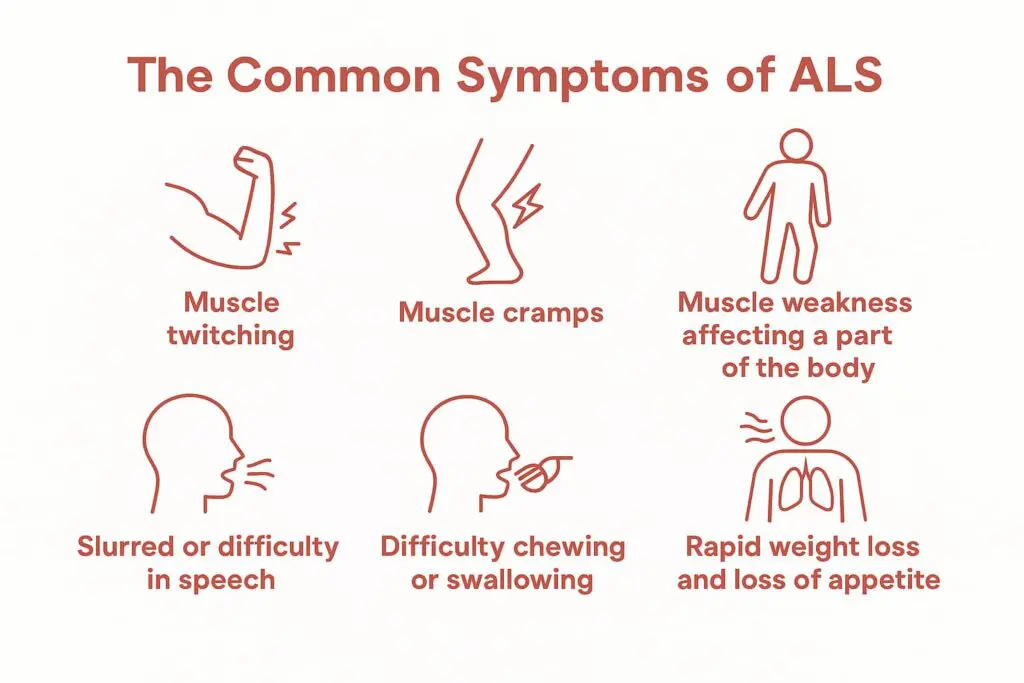
ALS is a progressive neurodegenerative disease that specifically attacks motor neurons—the nerve cells in the brain and spinal cord that control voluntary muscle movement. As these motor neurons degenerate, the brain can no longer send signals to the muscles. Over time, simple actions like walking, speaking, swallowing, and eventually breathing become more difficult.
Why Symptoms Progress Over Time
ALS symptoms progress as a result of continuous cellular damage. Research indicates that several interconnected pathogenic mechanisms within the nervous system contribute to this decline:
- Chronic neuroinflammation: Overactive immune cells in the brain and spinal cord release chemicals that injure motor neurons.
- Oxidative stress: Harmful free radicals accumulate faster than the body can neutralize them, causing cellular damage.
- Loss of neurotrophic support: Neurons receive fewer protective growth factors and nutrients, making them more vulnerable to injury.
- Glutamate excitotoxicity: Excess glutamate creates an overload of excitatory signals that harms motor neurons.
What Does Standard Care Look Like Today, and What Treatment Is Most Effective for ALS?
Current standard care focuses on slowing the disease and managing symptoms:
- Riluzole is an anti-glutamate drug that improves survival and is used as standard therapy throughout a patient’s life.
- Edaravone is an antioxidant drug that was approved more recently; it helps slow functional decline in ALSFRS-R scores (a scale of ALS disability) and lung function in certain patients.
Aside from medications, ALS care includes multidisciplinary rehabilitation, which helps patients maintain body function and enhance quality of life:
| Physical therapy & stretching | Maintains mobility, reduces stiffness, improves circulation. |
| Occupational therapy | Provides adaptive tools and strategies for daily activities. |
| Speech therapy | Helps with communication and introduces assistive devices. |
| Respiratory support | Enhances breathing, especially with early non-invasive ventilation. |
| Nutritional support | Prevents weight loss and dehydration. |
Where Stem Cells for ALS Fit into Current Treatment Approaches
Regenerative medicine has emerged as an add-on to standard ALS care, with scientists investigating mesenchymal stem cells (MSCs) as the safe and effective approach. MSCs aim to offer what current drugs cannot—direct neuronal support and protection against further damage.
The effectiveness of stem cells for ALS is strongest when they work alongside other treatments, helping the body create conditions that may slow the disease over time.
Get a free online consultation
The most important question patients ask is, “Is stem cell therapy effective in my case?” The simplest way to find out is to speak with a regenerative medicine specialist. At Swiss Medica, this consultation is offered free of charge and without obligation.

Medical Advisor, Swiss Medica doctor
Stem Cell Therapy for ALS: The Core Idea
MSCs help activate the body’s own abilities to restore, and here’s how.
Main Goals of Stem Cell Therapy for ALS
The core goals of stem cell therapy for ALS are to calm the destructive processes in the nervous system, shield motor neurons from further damage, and slow the progression of the disease.
Another key aspect is to start therapy as early as possible. The sooner patients explore their options, the better the potential outcomes.
Mechanisms: Reducing Inflammation, Protecting Neurons and Modulating Immune System
MSCs can help patients with ALS in a few ways:
- Reduce inflammation. MSCs release anti-inflammatory cytokines that calm overactive immune responses, helping lower chronic inflammation around motor neurons.
- Protect surviving neurons. MSCs secrete neurotrophic factors—natural proteins that help neurons survive, function properly, and resist stress.
- Slow neuron decrease. MSCs produce anti-apoptotic signals that make motor neurons less likely to activate cell-destructive pathways.
- Support tissue repair. Stem cells can stimulate the body’s repair processes, promote new blood vessel growth, and improve the overall neural environment.
Can Stem Cells Cure ALS?
No current therapy can cure ALS, and that includes stem cell treatments. Despite some encouraging results, stem cells cannot fully reverse ALS or regrow lost motor neurons. What these therapies aim to do is stabilize remaining neurons.
Stem cell therapy works as a supportive process that helps the body activate its own recovery abilities and enhances the effects of your standard treatment. You can read more about how MSCs work in our dedicated article.
Learn moreWhich Stem Cell Treatments Are Available for ALS?
Regenerative medicine includes many types of stem cells, but we focus on MSCs because they are the most commonly used and show a safe profile for ALS stem cell treatments.
Other stem cell types, such as neural progenitor cells (NPCs) or iPSC-derived cells, are also being explored, but these methods are still in the early stages of research.
Frequently Used Stem Cells for ALS Treatment
MSCs are adult stem cells found in tissues such as bone marrow, fat, and umbilical cord. Their strong anti-inflammatory and growth-supporting effects make them relevant for ALS.
At Swiss Medica, a stem cell treatment center in Serbia, ALS programs make use of certified placental or umbilical-cord MSCs collected from donors after healthy deliveries. They are prepared in our in-house lab to ensure maximum safety and viability. In some cases, our doctors may recommend using a patient’s own neural stem cells (NSCs) or their derivatives like exosomes.
NSCs are multipotent cells found in the central nervous system. With their neuroprotective and immunomodulating abilities, they may support neural repair and regeneration when used alongside MSCs. We explain this phenomenon in detail in our article.
Read moreHow Stem Cell Therapy Is Performed
Stem cell transplantation for ALS is a minimally invasive and painless procedure, tailored to each patient.
Main Method: Intravenous Administration
Stem cells for ALS treatment are administered intravenously, which allows MSCs to circulate and migrate to inflamed or damaged areas.
Therapy Duration and Course
ALS stem cell treatment at Swiss Medica is an 8-day program that includes multiple doses. In some cases, doctors may recommend repeating the course after several months to reinforce the effect.
Supportive Therapies
Swiss Medica combines stem cell therapy with supportive treatments to strengthen the overall effect. During the ALS program, patients may receive:
- PRP therapy: Concentrated platelets from the patient’s blood to support recovery and reduce inflammation.
- Physiotherapy: It may include physical exercises combined with device-based therapies—like the super inductive system, shockwave or spark therapy, lymphatic drainage therapy, and occupational therapy—to help maintain mobility and function.
- Intracellular Metabolism Recovery (IMR) therapy: A personalized blend of nutrients, vitamins, minerals, amino acids, and antioxidants to support cellular metabolism and overall function.
- Exosome therapy: Stem cell-derived vesicles that deliver regenerative signals and enhance tissue repair.
Exosomes act as fast “messengers,” delivering repair signals more quickly than MSCs begin working. Learn more about how they enhance the main therapy in our dedicated article.
Read moreSafety and Known Risks
Stem cell treatments for ALS have shown a strong safety profile in clinical studies.
At Swiss Medica, MSCs are produced in a controlled lab, screened for infections, and tested for sterility, purity, and viability before use. Furthermore, we follow European Union regulations to ensure that amyotrophic lateral sclerosis stem cell treatment is safe and effective—each patient is treated according to specific protocols.
Our in-house laboratory allows us to provide patients with high-quality stem cells. You can learn more about the technologies we use in our dedicated article.
Read moreSide effects after stem cell injection are usually mild, such as short-term fever, fatigue, headache, or soreness at the injection site. These typically resolve within a day or two. Serious risks like immune rejection or tumor formation have not been observed with MSCs.
Who Can Benefit from Stem Cell Therapy for ALS
Ideal candidates for stem cell transplants for ALS are typically individuals who are in the early to mid-stages of the disease, as a greater number of motor neurons remain available for preservation. This is especially relevant for bulbar-onset ALS, where swallowing and breathing often decline quickly, limiting potential benefits. Other requirements might be:
| Criteria | Key Requirements |
| Age | Adults of any age; no strict upper limit. Elderly patients assessed individually. |
| Timing | Earlier treatment generally offers a better chance to preserve function. |
| Overall Health | Must be medically stable aside from ALS; no uncontrolled chronic diseases or active cancer. |
Clinical Evidence on the Effectiveness of Stem Cells for ALS
ALS stem cell trials over the past decade show that while MSCs are not a cure, they offer measurable benefits for patients.
- Slower disease progression. Multiple trials show that patients decline more slowly on the ALSFRS-R scale than those on placebo. Reviews of controlled studies consistently report this trend, especially when treatment is started earlier.
- Better motor and breathing function. Some studies reported improvements or slower decline in muscle strength and forced vital capacity (FVC). Not everyone responds, but many treated patients maintain their abilities longer than expected.
- Possible survival and quality-of-life benefits. Long-term follow-ups suggest slightly longer survival in treated groups. Patients often report feeling more stable or functional for a period after therapy.
The effectiveness of amyotrophic lateral sclerosis stem cell therapy varies from patient to patient, depending on factors such as age, disease stage, and individual immune response.
Real-World Results: What ALS Patients Report After Stem Cell Therapy
At Swiss Medica, many patients have reported noticeable changes after stem cell treatment:
- Better control of arm/leg movements
- Enhanced speech and swallowing abilities
- Increased self-confidence
- A more positive overall emotional state
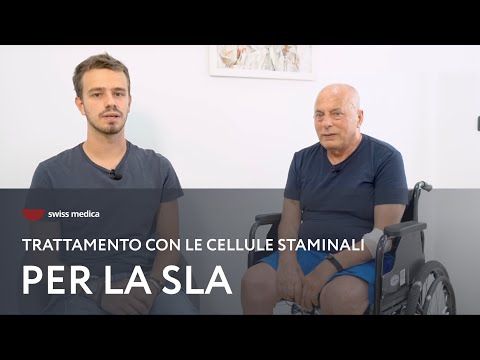
— A patient from Italy
“When I arrived at Swiss Medica, I was scared and didn’t know what to expect. But the kindness of the doctors and staff immediately lifted me—they treated me with a level of care I had never experienced. After the first stem cell treatment, I noticed real improvements for 2–3 months, especially in my legs and walking.”
— A patient from Oman
“I was diagnosed with ALS in August 2019. I searched for stem cell therapy for a long time because there is still no real cure, and a friend recommended this clinic to me. When I arrived, I expected a typical hospital, but I was genuinely surprised—the atmosphere, the staff, the rooms, everything felt warm and welcoming, yet I was always under professional medical supervision. I’ve had physiotherapy and stem cell therapy; within just two or three days, I already felt improvements in how I walked—the difference was visible.”
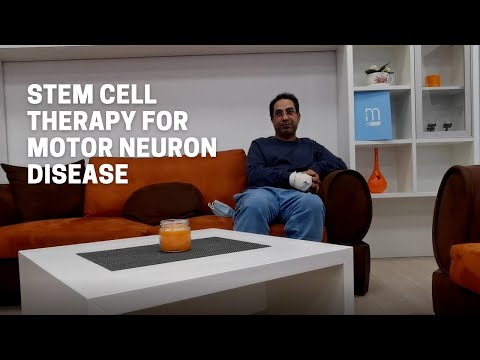
More testimonials you can find on our YouTube channel.
Note: Individual results may vary.
Integrating Stem Cell Therapy into Standard ALS Care Is Critical
Stem cell therapy works best when combined with standard ALS care, not used alone. Patients are encouraged to continue physiotherapy, exercise, medications, nutrition support, and respiratory care so that any biological gains from the stem cells translate into real functional improvements.
Treatment Journey at Swiss Medica
We support our patients from the very first step through the months following stem cell therapy. Here are the main stages of the process.
Step 1—Consultation and Medical Assessment
Each treatment starts with a detailed review of your medical history, diagnosis, and recent test and imaging study results. A specialist discusses your symptoms, goals, and overall health to determine whether stem cell therapy is appropriate. Based on this, our team creates a personalized treatment plan.
Step 2—Cell Preparation and Infusion
Our in-house GMP-certified lab processes and prepares your MSCs and their derivatives, ensuring quality and safety prior to infusion. You then receive the cells through IV, intrathecal injection, or both, with each session monitored closely for comfort and safety.
Step 3—Rehabilitation and Follow-Up During Your Stay
After the cell infusions, you begin tailored physiotherapy and supportive treatments to help your body make the most of the therapy. Therapists guide you through exercises that support mobility, strength, and breathing. Before discharge, the team reassesses your condition, reviews aftercare instructions, and ensures you know how to continue your rehabilitation at home.
Step 4—Continued Support After Therapy
Once you return home, the clinic stays in touch through scheduled follow-ups at 3 and 6 months to track your progress. Ongoing access to the medical team provides reassurance and guidance as you continue managing ALS.
Why Patients Choose Swiss Medica
There are several compelling reasons why patients with ALS and other chronic conditions choose Swiss Medica:
- Experience and results: We have over 14 years of experience in regenerative medicine and have treated more than 10,000 patients, with about 80% reporting improvement.
- In-house stem cell lab: All cell processing—from collection to culturing and testing—is done under strict GMP standards, ensuring safety and consistency.
- Multidisciplinary care: Neurologists, rehabilitation specialists, and other experts work together to provide integrated treatment, including physiotherapy and advanced medical therapies.
- Modern hospital environment: Our facility offers 24/7 medical supervision, private comfortable rooms, nutritious meals, and a quiet green area for rest and short walks.
- Full accessibility: The hospital is designed for patients with mobility challenges, with wide hallways, accessible bathrooms, barrier-free entrances, on-site mobility aids, and trained staff to assist.
- Convenient location: Located in Serbia, the hospital is easy to reach, with most international flights taking 3–6 hours.
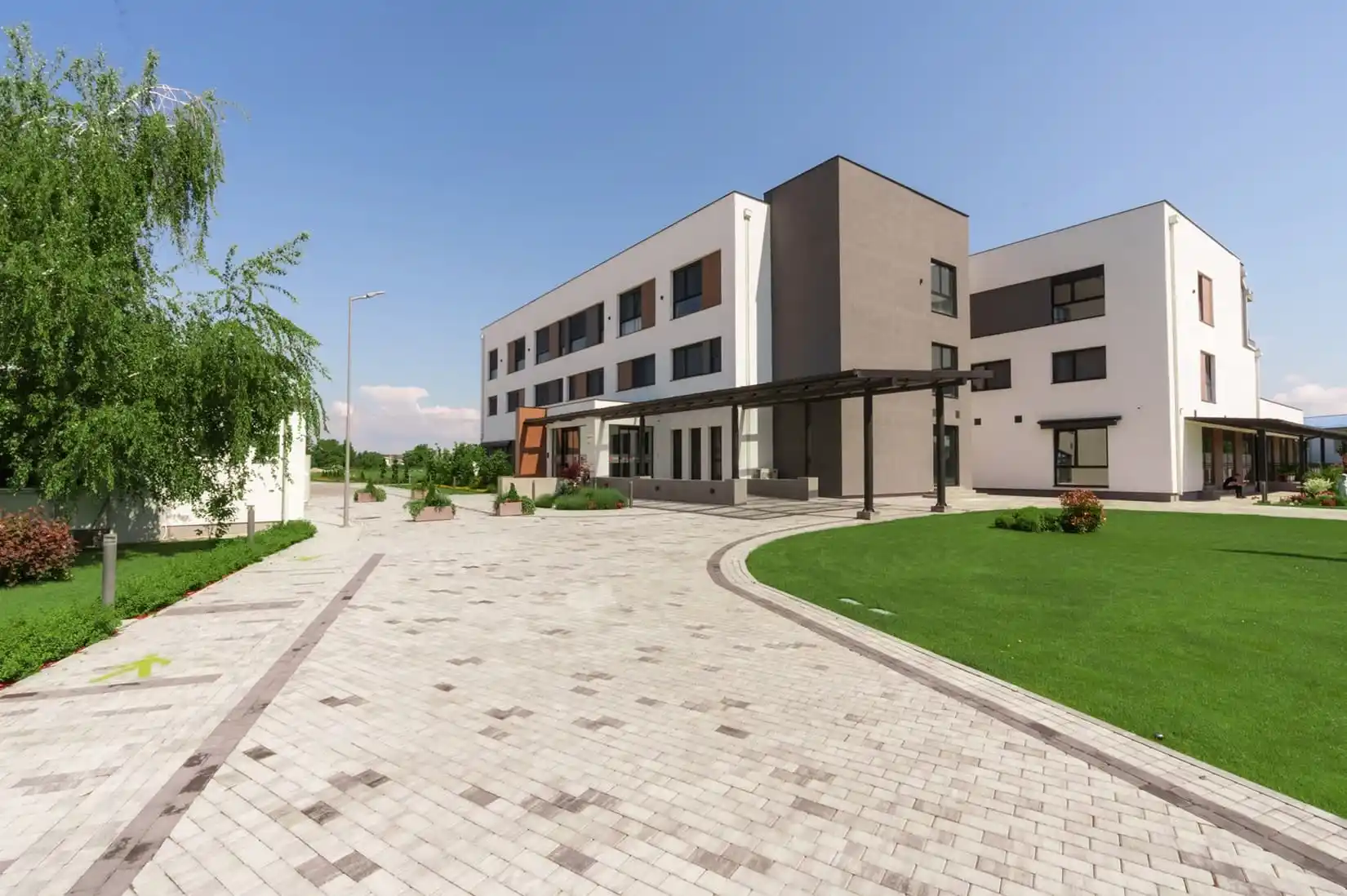
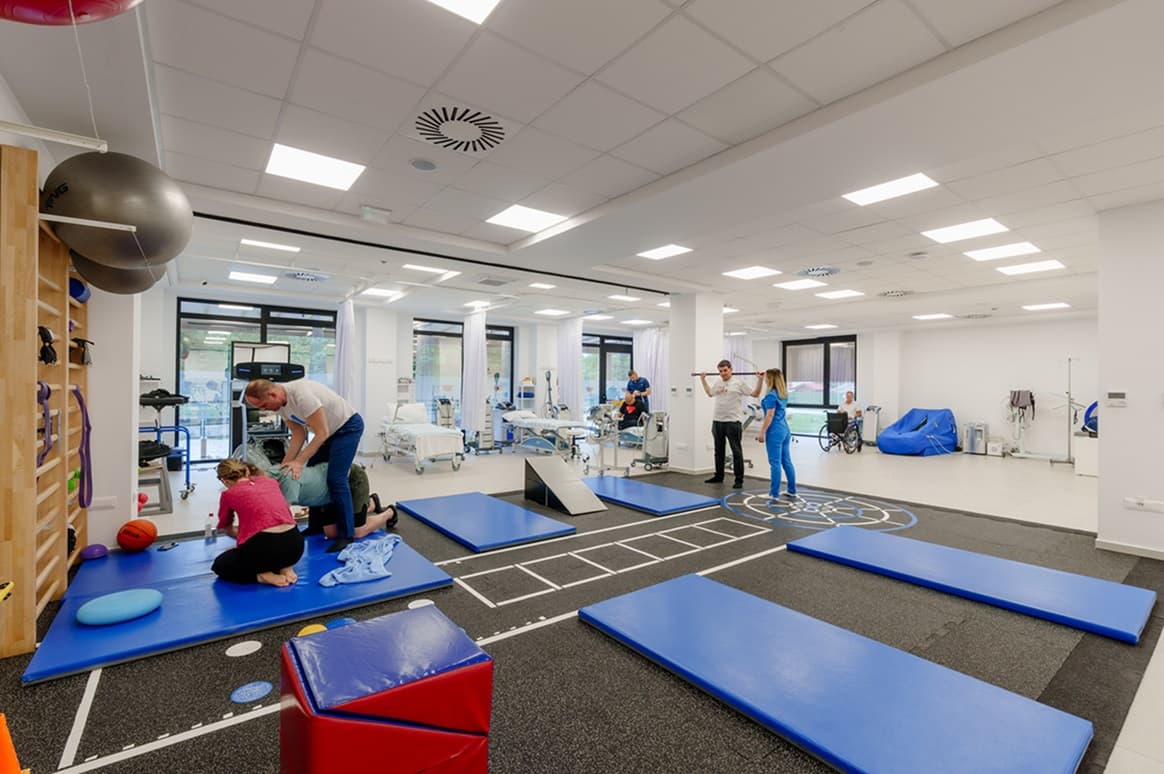
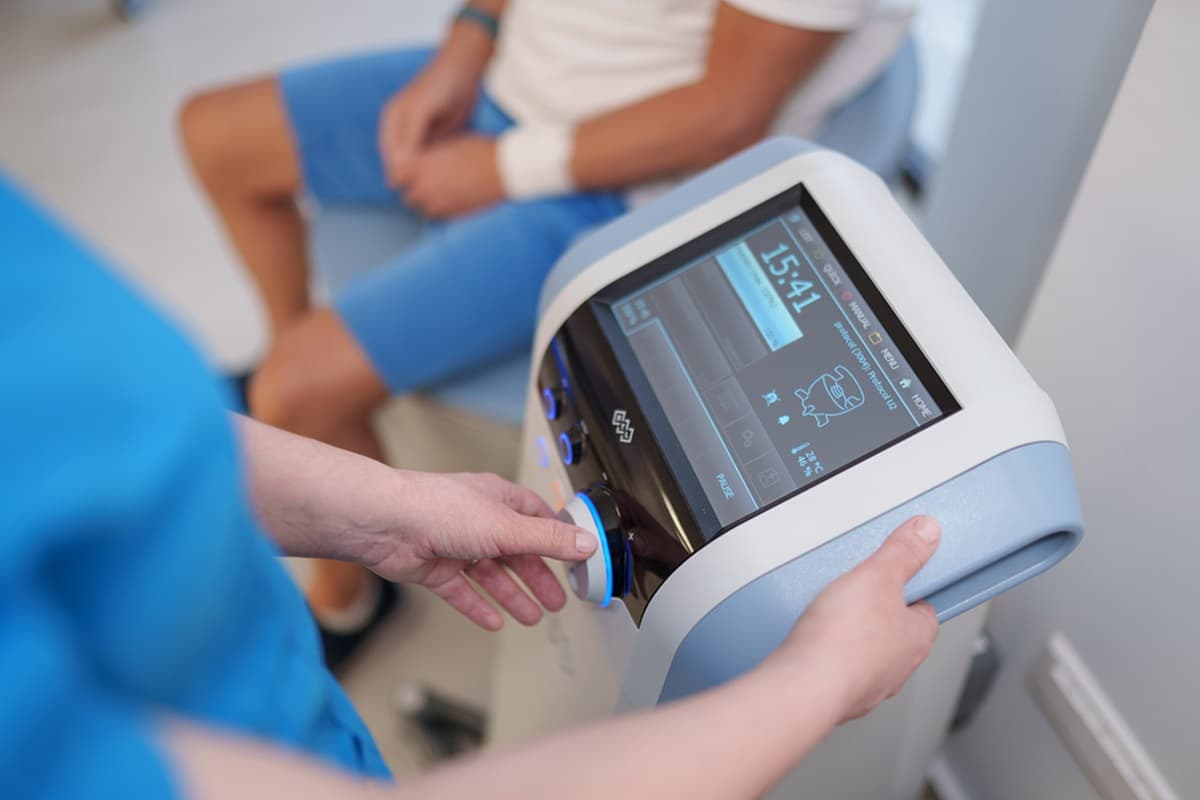
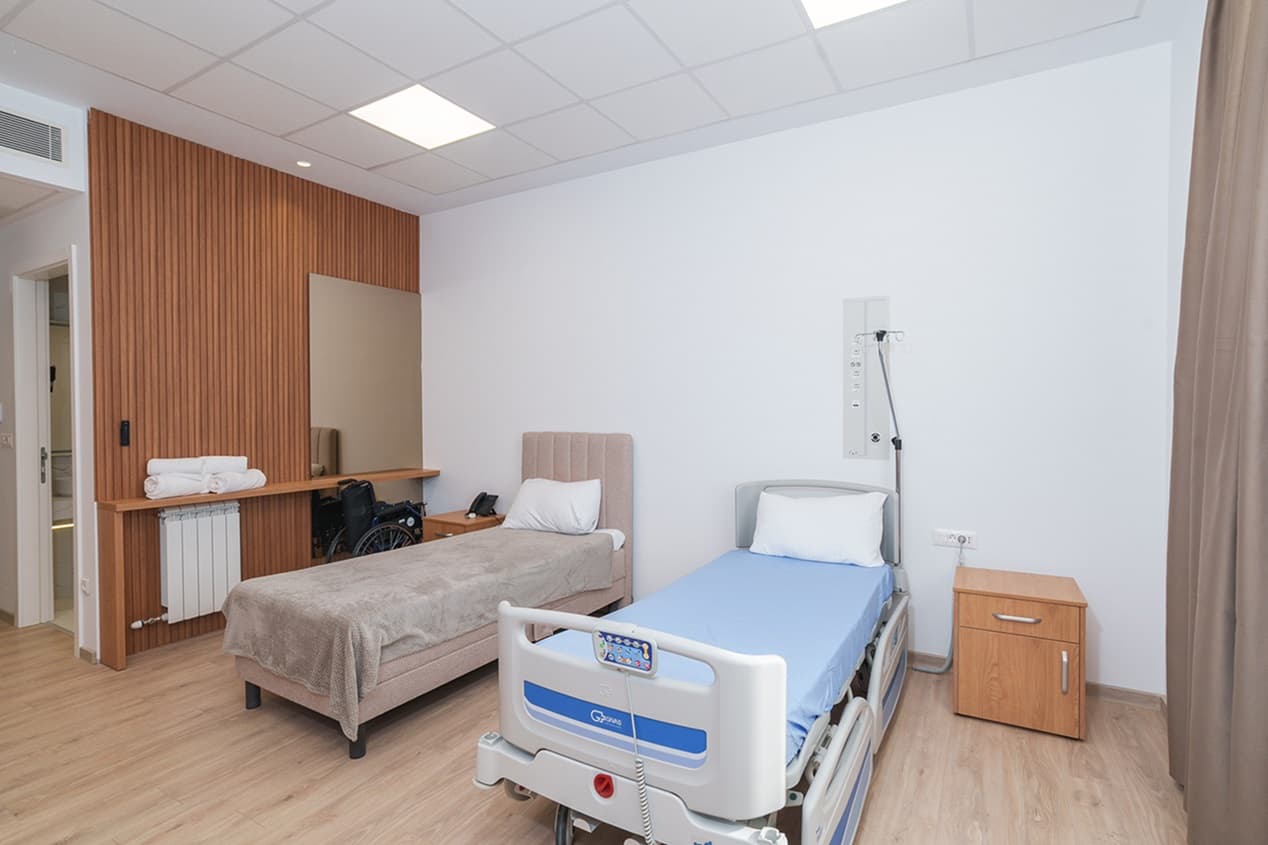
Swiss Medica is a state-of-the-art medical facility that offers various services for amyotrophic lateral sclerosis stem cell therapy, including expert medical care, clean, comfortable procedure rooms, wheelchair-accessible spaces, nutritious meals, and an in-house laboratory.
Cost of Stem Cell Treatment for ALS
A variety of factors, including country-specific requirements, can help answer the question: “How much does stem cell therapy cost?”
ALS Stem Cell Treatment Cost Factors
In the case of ALS, stem cell treatment cost varies depending on the total number of cells used and how many infusions are required. Additional expenses come from supportive therapies, the length of stay, and the clinic’s lab processes.
Cost of Stem Cell Treatment for ALS in the USA vs. Europe
| Country | Typical Cost Range | Why Costs Differ |
| USA | $20,000–$50,000+ | High operational costs, regulatory overhead |
| Western Europe (UK, Switzerland, etc.) | €30,000–€50,000+ | High labor and facility costs, available only in trials |
| Serbia (Swiss Medica) | €7,000–€31,000* | Lower cost environment with European-level medical standards |
*Prices are indicative, based on January 2025, and may vary with condition severity and cell quantity required.
While the cost of stem cell treatment for ALS in the USA is often significantly higher, Swiss Medica offers personalized programs at more accessible rates and is widely regarded as one of the cheapest countries for stem cell treatment.
Getting Started: Talk to Our Regenerative Medicine Specialist
Contact our specialists to learn whether stem cell therapy for ALS could help manage your condition.
Get a free online consultation
Our medical advisor will review your medical history, assess your eligibility, and explain what results you may realistically expect. You can get a proposed treatment plan and a detailed quote—with no obligation to proceed.
Medical Advisor, Swiss Medica doctor
Frequently Asked Questions
1. What is the success rate of ALS stem cell treatment?
Clinical results suggest that stem cell therapy may help slow or stabilize ALS in a meaningful proportion of patients (around 50%), especially when used as a supportive treatment alongside standard care. However, outcomes vary, and not every patient responds the same way.
2. How long do improvements last after stem cell treatment for ALS?
Benefits typically last 3–6 months, after which some patients choose a second treatment.
3. Is Swiss Medica equipped for patients who use wheelchairs?
Yes, the clinic is fully accessible and prepared to support patients with mobility needs.
4. Can I bring a loved one or caregiver with me during treatment?
Yes, one companion is encouraged and can stay with you throughout the treatment program.
References:
Najafi S, Najafi P, Kaffash Farkhad N, Hosseini Torshizi G, Assaran Darban R, Boroumand AR, Sahab-Negah S, Khodadoust MA, Tavakol-Afshari J. Mesenchymal stem cell therapy in amyotrophic lateral sclerosis (ALS) patients: A comprehensive review of disease information and future perspectives. Iran J Basic Med Sci. 2023;26(8):872-881. doi.org/10.22038/IJBMS.2023.66364.14572
Aljabri, Ammar and Halawani, Alhussain and Bin Lajdam, Ghassan and Labban, Suhail and Alshehri, Samah and Felemban, Razaz. The Safety and Efficacy of Stem Cell Therapy as an Emerging Therapy for ALS: A Systematic Review of Controlled Clinical Trials, Frontiers in Neurology, Volume 12 – 2021. https://www.frontiersin.org/journals/neurology/articles/10.3389/fneur.2021.783122
Wang, Y., Yi, H. & Song, Y. The safety of MSC therapy over the past 15 years: a meta-analysis. Stem Cell Res Ther 12, 545 (2021). https://doi.org/10.1186/s13287-021-02609-x
Petrou P, Kassis I, Yaghmour NE, Ginzberg A, Karussis D. A phase II clinical trial with repeated intrathecal injections of autologous mesenchymal stem cells in patients with amyotrophic lateral sclerosis. Front Biosci (Landmark Ed). 2021 Oct 30;26(10):693-706. doi.org/10.52586/4980
Morata-Tarifa C, Azkona G, Glass J, Mazzini L, Sanchez-Pernaute R. Looking backward to move forward: a meta-analysis of stem cell therapy in amyotrophic lateral sclerosis. NPJ Regen Med. 2021 Apr 1;6(1):20. doi.org/10.1038/s41536-021-00131-5


MD, Pediatrician, Regenerative Medicine Specialist