swiss medicaXXI century S.A.
Multiple system atrophy (MSA) is a complex, rapidly progressive condition that poses severe physical challenges for patients and their families. As autonomic failure, movement difficulties, and impaired balance worsen over time, maintaining daily independence becomes increasingly difficult.
Investigating stem cell therapy for MSA offers insight into how emerging biological approaches aim to support neurological health alongside standard medical care. Understanding the scope, realistic expectations, and potential role of stem cell therapies for neurodegenerative diseases is an important step for families evaluating comprehensive care strategies.
Understanding Multiple System Atrophy
Multiple system atrophy is an aggressive neurodegenerative disease that affects both the motor system and the autonomic nervous system. It is associated with the abnormal accumulation of the protein alpha-synuclein in specific brain cells, which can disrupt their function and contribute to progressive cellular damage. Because this damage affects distinct brain structures, symptom patterns can vary significantly from one patient to another.
Recognizing how different variants manifest is crucial for establishing an accurate diagnosis and tailoring supportive care.
MSA-P, MSA-C, and mixed presentations affect symptoms differently
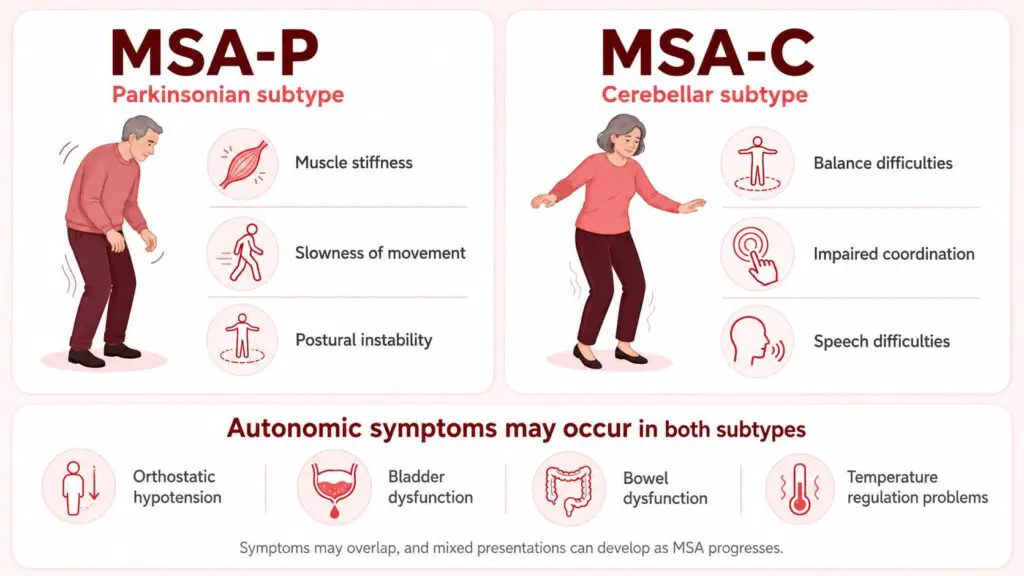
The clinical presentation of multiple system atrophy generally falls into two primary subtypes based on predominant motor symptoms.
MSA-P (parkinsonian subtype) is characterized primarily by parkinsonism, including muscle stiffness, tremors, slow movement, and postural instability.
MSA-C (cerebellar subtype) presents predominantly with cerebellar ataxia, leading to balance impairment, uncoordinated movements, and speech difficulties.
Many patients eventually exhibit mixed presentations where features of both subtypes overlap as the disease advances.
Autonomic dysfunction is often the most disruptive symptom
The autonomic nervous system controls involuntary bodily functions. In MSA, autonomic dysfunction manifests as severe orthostatic hypotension (a drastic drop in blood pressure upon standing), neurogenic bladder dysfunction, bowel dysmotility, temperature dysregulation, and breathing disturbances, particularly during sleep. These may include sleep-disordered breathing or stridor, a harsh, high-pitched sound caused by narrowing of the upper airway. Orthostatic hypotension can lead to recurrent dizziness, lightheadedness, and syncope, significantly increasing the risk of falls and restricting daily autonomy.
Why diagnosing MSA can take time
Multiple system atrophy (MSA) can be difficult to identify in its early stages because its symptoms overlap with those of other movement disorders. MSA-P, which primarily affects movement, may initially resemble Parkinson’s disease. MSA-C, characterized mainly by problems with coordination and balance, may be confused with hereditary or idiopathic ataxia.
As symptoms progress, differences in their pattern and response to treatment may become more apparent. A movement disorder specialist may use neurological examinations, medication response, medical history, and MRI findings to distinguish MSA from related conditions.
MRI may reveal atrophy in the cerebellum, brainstem, or other affected regions. Such findings sometimes lead patients to search for stem cell treatment for brain atrophy. However, brain atrophy is an imaging finding rather than a diagnosis, and any treatment plan should be based on the underlying neurological condition and the patient’s clinical profile.
Because each condition requires an individual approach, patients exploring regenerative medicine should review information specific to their confirmed diagnosis. Learn more about stem cell therapy for Parkinson’s disease and stem cell therapy for ataxia.
What MSA Care Usually Focuses on First
Standard clinical management for multiple system atrophy prioritizes safety, symptom stabilization, and preserving functional independence for as long as possible.
Managing blood pressure drops, dizziness, and falls
Initial medical management for MSA focuses on symptom mitigation and safety. Addressing orthostatic hypotension is a top clinical priority.
Standard conservative management includes wearing abdominal binders, elevating the head of the bed, increasing fluid and salt intake, and prescribing medications such as fludrocortisone, midodrine, or droxidopa. Preventing falls caused by sudden blood pressure drops is essential to maintaining patient safety and preventing traumatic injuries.
Supporting movement, balance, and mobility
Motor symptoms are managed using a combination of pharmacotherapy and physical rehabilitation. While levodopa is routinely prescribed for parkinsonian symptoms, responsiveness is typically limited or transient compared to classic Parkinson’s disease.
Physical therapy plays a vital role in maintaining muscle strength, flexibility, and gait stability. Mobility aids, including walkers and wheelchairs, are eventually integrated to preserve safe mobility as balance impairments advance.
Addressing speech, swallowing, sleep, and breathing problems
As MSA advances, bulbar and brainstem involvement leads to progressive dysarthria, dysphagia, sleep disorders, and respiratory complications.
Speech-language therapy helps patients maintain functional communication and address swallowing safety to prevent aspiration pneumonia. Sleep disturbances, such as REM sleep behavior disorder and nocturnal stridor, require close medical monitoring and, in some cases, continuous positive airway pressure (CPAP) support.
Where Stem Cell Therapy May Fit in MSA Care
As understanding of neurodegenerative processes evolves, researchers are investigating how regenerative medicine might complement existing care models. Exploring stem cell treatment for MSA involves studying cellular mechanisms that target neuroinflammation and cellular survival, offering a supportive strategy alongside standard clinical protocols.
Because MSA belongs to the group of atypical parkinsonian disorders, research into cell therapy for atypical parkinsonism may also be relevant. Nevertheless, evidence and treatment considerations may differ among MSA, Parkinson’s disease, progressive supranuclear palsy, and other related conditions.
Neuroinflammation and neuroprotection are key areas of investigation in research
To understand how stem cell therapy works in multiple system atrophy, it helps to look at what happens inside the brain at a cellular level in clear, straightforward terms.
In MSA, a specific protein called alpha-synuclein begins to fold incorrectly and accumulate into toxic clumps. Instead of building up only in nerve cells, these clumps form inside oligodendrocytes—specialized helper cells that act like electrical insulation wrapped around nerve fibers. As these toxic protein clumps grow, they damage the helper cells, stripping away the protective insulation. Without this protective layer, nerve fibers suffer an energy crisis and slowly die off in brain regions that control movement and automatic body functions.
At the same time, this cellular damage alerts the brain’s internal immune system. Resident immune cells, called microglia, react to the damage and become overactive and aggressive. Instead of helping the tissue heal, these overactive immune cells release harsh inflammatory chemicals that cause chronic brain inflammation, accelerating ongoing nerve cell loss.
MSCs target these exact damage pathways through natural cell signaling:
- Providing protective nourishment: MSCs release natural growth factors (such as BDNF, GDNF, and NGF) that act as biological nourishment, helping struggling neurons survive, supporting the protective helper cells, and preventing premature cell death.
- Calming brain inflammation: MSCs release anti-inflammatory signals (such as IL-10 and TGF-beta) that instruct overactive immune cells to calm down, shifting them from a destructive state into a protective, healing role.
By dampening chronic inflammation and creating a healthier environment around brain cells, stem cell treatment for multiple system atrophy aims to protect remaining brain tissue and support daily function.
Reviewing recent stem cell therapy studies and clinical research can further help you understand how researchers are evaluating regenerative medicine for complex neurodegenerative conditions.
Why intrathecal delivery is being studied in neurological conditions
The blood–brain barrier restricts the passage of many substances from the bloodstream into the central nervous system. This creates a challenge for cell-based therapies intended to influence processes in the brain and spinal cord, making the delivery route an important area of investigation.
Intrathecal administration involves introducing therapeutic cells into the cerebrospinal fluid through a lumbar puncture. By avoiding initial distribution through the bloodstream, this route may bring cells and their signaling molecules into closer contact with structures in the central nervous system.
Researchers are investigating intrathecal delivery of different cell types, including mesenchymal and neural stem cells. Neural stem cell therapy for MSA illustrates the broader scientific interest in targeted cell delivery for neurological conditions.
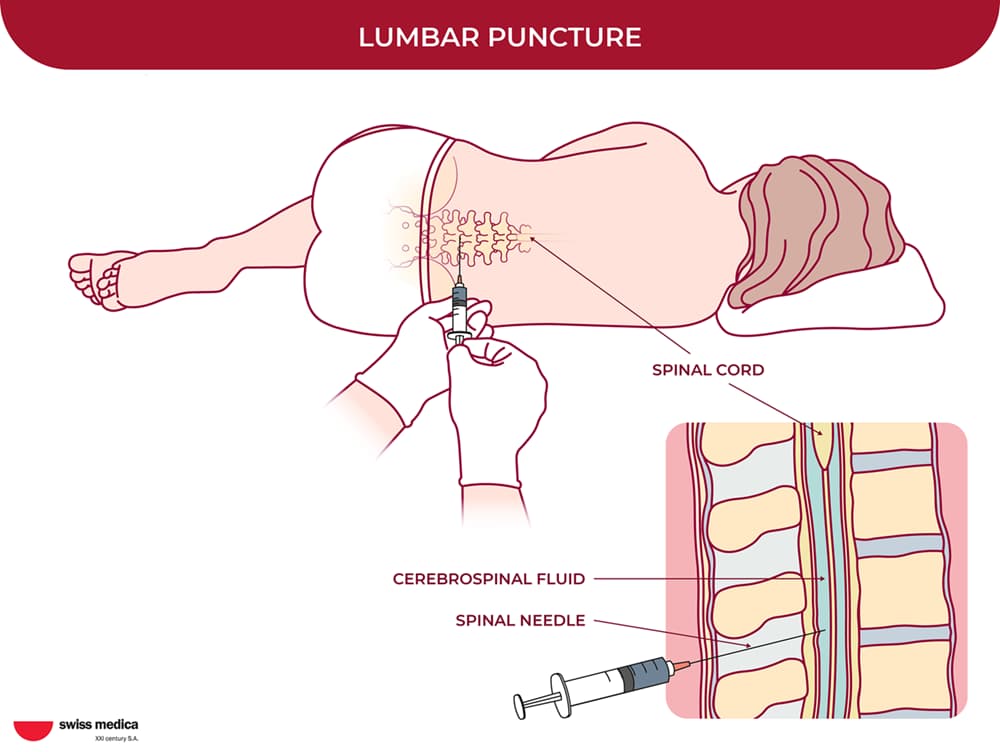
To learn more about the proposed mechanisms, potential applications, and current research, explore our guide to how neural stem cell therapy works.
What stem cell therapy cannot promise
Transparency and medical ethics are paramount when discussing investigational biological treatments. Families considering regenerative procedures must understand the boundaries of current medicine:
- It is not a cure for MSA. Current stem cell procedures cannot eliminate the underlying causes of the condition.
- Recovery cannot be predicted. Research is exploring whether cell-based approaches may support neurological function, but they have not been proven to restore permanently lost brain tissue or reverse established neurological damage.
- Results vary between patients. Any changes in symptoms or disease progression may differ considerably, and stabilization or improvement cannot be guaranteed.
- Ongoing neurological care remains essential. Any regenerative procedure should complement—not replace—care provided by a neurologist or movement disorder specialist. This includes prescribed medication, rehabilitation, symptom management, and regular monitoring.
That’s why the medical team at Swiss Medica always discusses the potential benefits, limitations, uncertainties, and risks with each patient before treatment.
What Improvements May Look Like in Daily Life
While biological treatments do not restore permanently damaged tissue, supporting the surviving neuronal microenvironment may yield meaningful functional improvements in daily routines.
Potential outcomes that may be discussed
When we use stem cell therapy to treat neurodegenerative disease, we focus on realistic, patient-specific goals related to maintaining function and supporting quality of life. Depending on individual responsiveness, discussed functional goals may include:
- Improved mobility and stride stability;
- Better balance and a reduction in fall frequency;
- Reduced systemic fatigue and improved daily energy levels;
- Enhanced stamina during activities of daily living;
- Improved participation in physical and occupational rehabilitation programs;
- Overall quality-of-life support for patients and caregivers.
Patient story: Living with MSA before and after treatment
A patient from Kitchener, Canada, came to Swiss Medica with her husband after being diagnosed with multiple system atrophy. Her husband had been researching possible supportive options for several years and chose Swiss Medica because the team showed familiarity with MSA and reviewed her case in detail before arrival.
“My wife is the love of my life, and when we learned that there was no traditional cure for MSA, I started looking for anything that could give her the best possible chance. When we spoke with the doctor, she already knew her case, understood what MSA was, and answered our questions about her medication and treatment plan. That gave us confidence that we were on the right track. When we arrived, everything went one level higher—the care, the service, the physiotherapy team, the nurses, the front desk, and everyone was exceptional. Our situation is not easy, but I truly feel we came to the right place.”

You can explore more stories from patients on Swiss Medica’s official YouTube channel.
Why results can differ between patients
Therapeutic responses to biological interventions are inherently variable. Several key clinical factors influence how an individual responds to treatment:
- Subtype (MSA-P vs MSA-C): Differences in primary lesion sites affect functional outcomes;
- Disease stage: Earlier intervention generally preserves more viable neural tissue than advanced stages;
- Severity of autonomic dysfunction: Severe blood pressure instability can limit physical participation;
- Baseline mobility level: Pre-existing muscle atrophy and joint contractures impact physical recovery potential;
- Swallowing and respiratory difficulties: Advanced bulbar involvement increases clinical complexity;
- Patient age and overall health: Coexisting metabolic or cardiovascular conditions influence cellular response;
Patients Who Ask the Most About Stem Cell Therapy
Individuals and families exploring integrative treatment options typically share common clinical challenges as MSA advances.
Patients experiencing increasing mobility difficulties
As MSA progresses, individuals often find that standard medications like levodopa offer diminishing returns for gait freezing, muscle stiffness, and loss of balance. Patients encountering noticeable decline in their physical independence frequently inquire whether stem cell therapy for MSA can offer secondary biological support to complement ongoing physical therapy and mobility management.
Patients struggling with autonomic symptoms
Severe autonomic instability—such as debilitating blood pressure fluctuations, profound fatigue, and neurogenic bladder symptoms—can drastically impair daily comfort. Individuals seeking to improve overall vitality and systemic resilience often explore mesenchymal stem cell therapy for MSA as a potential supportive option alongside conventional autonomic medications.
Families looking for additional supportive options
Because MSA is a rapidly progressive condition, families and caregivers actively seek non-prescriptive, integrative approaches that prioritize comfort, functional retention, and well-being. For many families, learning about supportive care options at specialized clinics helps them make informed decisions about multidisciplinary care strategies.
Who May Be Reviewed for MSA Stem Cell Treatment?
Candidate selection for biological therapy requires thorough clinical screening to ensure both safety and appropriateness. During consultations, Swiss Medica’s doctors carefully evaluate whether stem cell treatment for multiple system atrophy aligns with the patient’s current health status and determines whether a patient possesses the necessary functional stability to participate in an intensive, supportive treatment program.
Patients with confirmed or strongly suspected MSA
Candidates typically include patients with a documented clinical diagnosis of MSA-P or MSA-C established by a movement disorder specialist. They must possess sufficient physical stability to undergo diagnostic evaluations, lumbar puncture (if intrathecal administration is planned), and physical rehabilitation.
When stem cell therapy may not be appropriate
Stem cell treatment is generally deferred or contraindicated under the following circumstances:
- Severe, uncompensated cardiovascular or respiratory failure;
- Active systemic infections or unmanaged oncological conditions;
- Advanced end-stage disease where the patient cannot safely travel or participate in care;
- Inability to stop anticoagulant medications when intrathecal administration is required;
- Unrealistic expectations, such as believing stem cell therapy for MSA can cure the underlying neurodegenerative process.
What Happens During Treatment at Swiss Medica?
The treatment program at Swiss Medica is structured around comprehensive inpatient care, combining advanced biological protocols with intensive physical rehabilitation. Every stage of the application process is coordinated by a multidisciplinary medical team to prioritize patient safety, comfort, and guidance on the phases of hospital care.
Neurological records and tests Swiss Medica reviews
Before any clinical protocol is established, a comprehensive review of the patient’s medical history is conducted. The medical team at the Swiss Medica clinic carefully examines complete diagnostic files, including:
- Detailed neurology reports and clinical histories;
- Brain and spinal MRI scans (to assess brainstem and cerebellar atrophy);
- Autonomic function test results and tilt-table findings;
- Movement disorder evaluations and motor scale scores;
- Swallowing assessments and speech pathology reports;
- Complete medication history and current dosage schedules.
Personalized treatment planning based on symptoms and functional goals
Following record review, the medical team formulates a tailored program based on the predominant subtype (MSA-P or MSA-C), degree of autonomic instability, and personal functional goals. The protocol outlines specific cellular types, administration routes (e.g., combined intravenous infusions and intrathecal administration), dosage amounts, and duration of hospital stay.
Stem cell therapy and supportive care
During the inpatient stay, patients receive high-purity cell preparations alongside an intensive multidisciplinary support program. Stem cell administration is integrated with physical therapy, occupational therapy, kinesiotherapy, and hardware-based physical rehabilitation.
Autonomic monitoring, nutritional optimization, and symptomatic nursing care are provided throughout the treatment period to ensure patient safety and comfort.
Follow-up
When stem cell therapy for multiple system atrophy is provided in a hospital setting, patients can be closely monitored by a coordinated medical team.
However, care does not end upon hospital discharge. Scheduled remote consultations allow our medical team to monitor post-treatment progress and review functional changes. Patients are also offered a complimentary follow-up visit within three to six months after treatment to assess their progress and discuss further recommendations.
What Should be Tracked After Treatment?
Structured post-discharge monitoring offers families and clinical teams an objective method of assessing functional change after discharge. Daily monitoring of motor skills, autonomic stability, and general well-being provides valuable insight into the overall impact of stem cell treatment for MSA.
Walking, balance, and fall frequency
Key measures may include walking speed, performance on the Timed Up and Go test, stability while standing, and the number of falls or near-falls experienced each month.
Blood pressure, bladder symptoms, and autonomic function
Monitoring autonomic parameters provides critical objective data. Patients should maintain daily records of resting and standing blood pressure to track orthostatic changes. Tracking urinary urgency, incontinence episodes, bowel regularity, and daily energy levels helps evaluate systemic stability.
Speech, swallowing, sleep, and caregiver observations
Bulbar and nocturnal symptoms require ongoing monitoring. Caregivers should note changes in speech clarity, swallowing comfort during meals, choking frequency, and nighttime breathing patterns.
Safety, Side Effects, and Neurological Risks
Patient safety is the foundational requirement for any medical intervention, particularly for individuals managing complex neurodegenerative conditions. Understanding stem cell therapy safety and side effects helps families make informed decisions regarding biological therapies.
Possible side effects of MSC therapy
Mesenchymal stem cell treatment for multiple system atrophy is generally well-tolerated, but mild, transient side effects can occur. Common reactions include:
- Low-grade fever or mild flu-like symptoms shortly after infusion;
- Temporary fatigue, headache, or mild dizziness;
- Transient soreness or localized discomfort at the injection site or lumbar puncture site.
These symptoms typically resolve spontaneously within 24 to 48 hours under basic medical observation. Detailed systematic reviews and meta-analysis emphasize the low rate of severe adverse events when cells are processed according to strict laboratory safety standards.
Why MSA patients need additional medical screening
Because MSA involves autonomic instability and potential bulbar dysfunction, patients require rigorous pre-treatment screening. Cardiovascular monitoring, blood pressure stabilization, and swallowing safety checks are performed before administering stem cells. Comprehensive screening minimizes clinical risks during procedures and ensures that patients are physically prepared to receive supportive care.
Cost of Stem Cell Therapy for Multiple System Atrophy
Understanding the cost of stem cell therapy for multiple system atrophy involves looking at the full spectrum of medical care required for complex neurological conditions.
Why treatment costs depend on medical complexity
Families researching stem cell therapy for multiple system atrophy often find that pricing varies based on individual medical needs. Because MSA is a complex multi-system disorder, treatment cannot be delivered through a standardized formula. Key factors influencing the overall price include:
- Specific clinical subtype (MSA-P or MSA-C);
- Disease stage and degree of physical impairment;
- Severity of autonomic instability requiring specialized nursing care;
- Current mobility level and wheelchair dependency;
- Presence of swallowing or respiratory issues requiring extra medical supervision;
- Extent of diagnostic testing and pre-treatment evaluation required;
- Cell type, origin, dosage, and number of therapeutic sessions;
- Inclusion of specialized administration routes (e.g., intrathecal combined with intravenous);
- Duration of inpatient monitoring and intensity of physical rehabilitation;
- Accommodation requirements and long-term post-discharge follow-up.
Determining the exact stem cell therapy cost requires an individual case review by medical advisors.
Why families should be cautious of one-size-fits-all programs
Outpatient facilities offering fixed-rate, single-injection cell treatments often fail to address the complex reality of progressive neurodegenerative conditions. MSA patients require continuous medical oversight, tailored rehabilitation, and multidisciplinary monitoring that outpatient clinic models cannot provide. Evaluating comprehensive details regarding stem cell therapy cost helps families distinguish between isolated cell injections and fully integrated medical programs.
What a Swiss Medica MSA program may include
In contrast to clinics charging separate fees for individual procedures or offering standalone outpatient injections, Swiss Medica provides a private full-hospital experience tailored to the needs of patients with complex neurological conditions.
Treatment programs typically cost between €7,000 and €45,000.* The total program cost includes diagnostic assessments, cellular therapies, 24/7 medical and nursing support, rehabilitation, comfortable private accommodation, meals tailored to the patient’s nutritional and swallowing needs, and international patient support.
* Prices are indicative and may change. The final cost is confirmed after the medical team reviews the patient’s condition, treatment needs, recommended cell dosage, administration routes, program duration, and required supportive therapies.
Why Patients Choose Swiss Medica for MSA Treatment
Choosing a clinical facility for specialized neurological care is a critical decision for families facing progressive conditions.



Individual neurological assessment before treatment
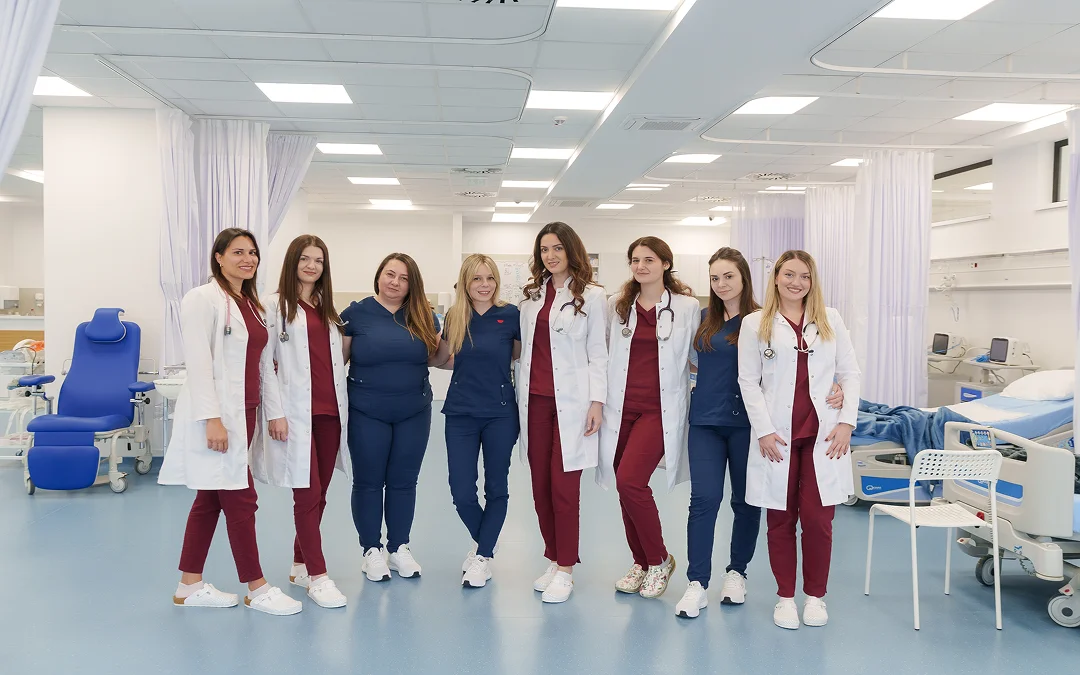
Patients choose Swiss Medica because care begins with arigorous biological and functional review long before travel occurs. Neurologists and movement disorder specialists analyze every case individually to verify candidate suitability, establish clear functional targets, and ensure that treatment is medically indicated and safe for the patient.
In-house cell processing and quality standards
Swiss Medica maintains advanced in-house laboratory facilities operating under stringent European quality management standards. Cell products undergo rigorous testing for viability, sterility, purity, and genetic stability. Utilizing verified, high-purity cell preparations ensures maximum safety and cellular activity for patients receiving supportive biological care.
Personalized monitoring and follow-up
Throughout the inpatient stay, patients receive continuous medical observation adapted to their autonomic and neurological status. Following discharge, Swiss Medica provides structured long-term follow-up care, ensuring that families maintain direct contact with the medical team to monitor recovery, adjust rehabilitation recommendations, and support ongoing quality of life.
International patient support in Serbia
Located in Serbia, Swiss Medica offers an accessible, world-class medical facility that provides stem cell therapies for neurodegenerative diseases. The clinic provides complete end-to-end support, including visa assistance, airport transfers, multilingual medical staff, and comfortable private rooms designed for patients with mobility impairments. This patient-centered approach eliminates travel stress and allows families to focus entirely on health and recovery.
To learn more about the clinic, its medical approach, and what to consider when planning treatment abroad, read about Swiss Medica.
Speak with a Medical Advisor About Multiple System Atrophy Treatment Options
Navigating a diagnosis of multiple system atrophy requires compassionate guidance and clear medical information. If you or a family member are exploring supportive treatment options, contact a medical advisor today. Our team is available to review your medical records, discuss realistic functional goals, and provide detailed information regarding customized inpatient programs.
FAQ
1. Can stem cell therapy help MSA?
Stem cell therapy is investigated as a supportive treatment for MSA. While it cannot cure the disease, it aims to reduce neuroinflammation and promote neuroprotection, potentially supporting remaining motor and autonomic function alongside standard medical care.
2. Can stem cells stop multiple system atrophy from progressing?
There is no proven medical treatment that can stop or reverse MSA progression. Stem cell therapy aims to support cellular health and functional stability, but individual biological responses vary, and disease stabilization cannot be guaranteed.
3. Is stem cell therapy for MSA proven?
Stem cell therapy for MSA remains an investigational supportive option undergoing active clinical research worldwide. It is not considered a standardized, primary cure, but early clinical studies evaluate its potential safety and neuroprotective mechanisms.
4. What is the difference between MSA-P and MSA-C?
MSA-P (parkinsonian subtype) predominantly presents with movement stiffness, slowness, and tremors, mimicking Parkinson’s disease. MSA-C (cerebellar subtype) primarily affects balance, coordination, and speech, presenting as progressive cerebellar ataxia.
5. Can stem cell therapy help balance, walking, or stiffness in MSA?
In some patients, combining stem cell procedures with intensive physical rehabilitation helps support mobility, muscle tone, and balance. However, functional improvements depend on the individual’s disease stage and overall physical condition.
6. Can stem cells help autonomic symptoms in MSA?
Research suggests stem cell therapy may help support autonomic nervous system stability through anti-inflammatory signaling. However, managing symptoms like orthostatic hypotension still requires conventional medications, lifestyle adjustments, and continuous medical supervision.
7. What are the risks of stem cell therapy for MSA patients?
Potential risks are mild and may include low-grade fever, temporary headache, fatigue, or localized discomfort at the injection site. MSA patients require thorough pre-screening to manage risks related to autonomic blood pressure drops or swallowing difficulties.
8. Does stem cell therapy replace a neurologist or movement disorder specialist?
No. Stem cell therapy is a complementary, supportive option and must never replace continuous care under a primary neurologist or movement disorder specialist who manages baseline medications and symptom progression.
9. How much does stem cell therapy for multiple system atrophy cost?
The cost varies based on disease complexity, subtype, required diagnostic testing, cell dosage, inpatient duration, and supportive rehabilitation. At Swiss Medica, individual price estimates are provided after a comprehensive review of the patient’s medical records.
10. What records are needed before an MSA consultation?
Consultations at Swiss Medica require recent neurology reports, brain/spinal MRI scans, autonomic testing results, movement disorder evaluations, swallowing assessments, and a complete, up-to-date medication list to determine candidate suitability.
References:
Kikuchi H, et al. Phase I trial of intra-arterial administration of autologous bone marrow-derived mesenchymal stem cells in patients with multiple system atrophy. Stem Cells International. 2021;2021:9886877. doi: 10.1155/2021/9886877.
Elimam N. Safety and efficacy of mesenchymal stem cell therapy in multiple system atrophy: systematic review. Biologics: Targets and Therapy. 2026;20:593367. doi: 10.2147/BTT.S593367.
Maric DM, Velikic G, Maric DL, Supic G, Vojvodic D, Petric V, Abazovic D. Stem Cell Homing in Intrathecal Applications and Inspirations for Improvement Paths. Int J Mol Sci. 2022 Apr 13;23(8):4290. doi: 10.3390/ijms23084290.


MD, Pediatrician, Regenerative Medicine Specialist