swiss medicaXXI century S.A.
A traumatic brain injury can change life long after the emergency stage is over. A person may be medically stable, discharged from hospital, and still struggle with walking, balance, speech, memory, attention, fatigue, mood, or daily independence. For families, this stage can feel confusing: the crisis has passed, but recovery is still incomplete.
Recovery from brain injury depends on what happens in the months that follow, when the brain continues to adapt and repair itself. Stem cell therapy for brain injury is being studied as a regenerative approach that may help reduce neuroinflammation and improve the biological environment in which rehabilitation takes place.
Understanding Traumatic Brain Injury and Recovery
Brain injury recovery depends on both the trauma severity and what happens in the brain during the period of time that follows. This variability is why two patients with the same diagnosis may have very different symptoms, timelines, and recovery potential.
Traumatic Brain Injury Is Not a Single Condition
Traumatic brain injury, or TBI, happens when an external force damages the brain. It may occur after a fall, road accident, sports injury, assault, blast exposure, or another traumatic event. Some injuries are mild and temporary, while others lead to long-term neurological symptoms that affect movement, cognition, and communication.
Recovery may depend on:
- severity of the original injury;
- brain regions affected;
- bleeding, swelling, or oxygen deprivation;
- seizure history;
- age and general health;
- medication use;
- sleep quality;
- mental health;
- rehabilitation intensity;
- time since injury.
This is why stem cell treatment for traumatic brain injury should be based not only on the diagnosis but also on the patient’s current function, safety risks, and realistic goals.
Why Secondary Brain Injury Can Affect Recovery
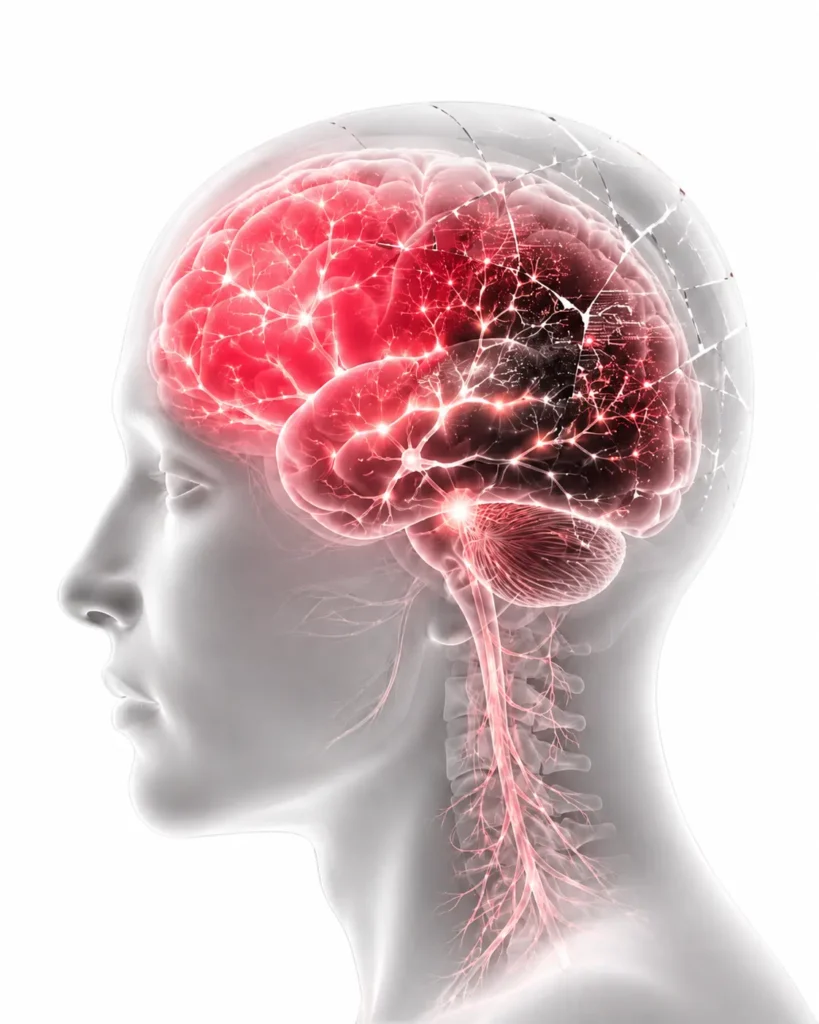
The first trauma causes the initial damage. After that, secondary injury processes may continue to affect the brain. These may include neuroinflammation, oxidative stress, reduced blood flow, disruption of the blood-brain barrier, and changes in communication between nerve cells.
These processes can interfere with neuroplasticity — the brain’s ability to reorganize and build new functional connections. Neuroplasticity is one of the main reasons rehabilitation can help after TBI. When the brain environment remains inflamed or poorly supported, recovery may become slower or less complete.
Symptoms Patients and Families Often Want Help With
Patients and families often explore additional options when recovery has slowed, plateaued, or left important symptoms unresolved.
Common concerns include:
- mobility problems;
- poor balance or frequent falls;
- weakness or spasticity;
- speech problems after brain injury;
- memory problems after TBI;
- reduced attention and concentration;
- fatigue;
- sleep disturbances;
- mood changes;
- reduced independence in daily activities.
For many families, the question is not only whether the brain can heal. It is whether the patient can become more independent, communicate more clearly, move more safely, or participate more actively in rehabilitation.
What Is the Best Treatment for Traumatic Brain Injury?
There is no single best treatment for traumatic brain injury because the right approach depends on timing, severity, symptoms, and the patient’s current condition. A person in the emergency stage needs different care from someone living with chronic traumatic brain injury years after the event.
Treatment Depends on Injury Severity and Timing
In the acute stage, treatment may focus on saving life, controlling brain swelling, treating bleeding, preventing seizures, and stabilizing breathing and circulation. Later, the focus changes toward rehabilitation, symptom management, and functional recovery.
Stem cell therapy for traumatic brain injury is being explored mainly after the patient is medically stable. Its potential role is to support biological processes involved in repair, neuroprotection, and rehabilitation response.
The timing after injury affects treatment priorities and expectations. It also helps doctors understand whether the patient needs urgent stabilization, active rehabilitation, or long-term functional support.
| Phase | Timing | Main clinical focus | How regenerative therapy may fit |
| Acute TBI | First days after injury | Stabilization, swelling control, bleeding management, seizure prevention, intensive monitoring | Usually not the focus because medical instability and acute risks come first |
| Subacute TBI | Weeks to months after injury | Early rehabilitation, prevention of complications, recovery of movement, speech, and cognition | May be discussed only after stabilization and careful safety review |
| Chronic TBI | Several months or years after injury | Functional recovery, symptom management, long-term rehabilitation, independence goals | May be considered in selected stable patients with persistent deficits or slowed recovery |
Timing does not automatically exclude a patient, but it strongly affects what can reasonably be expected from stem cell therapy for TBI.
What Is Commonly Used to Manage Traumatic Brain Injury?
Long-term TBI recovery is usually multidisciplinary. Depending on the patient’s symptoms, the care team may include the following:
- neurologists;
- neurosurgeons, when needed;
- rehabilitation physicians;
- physiotherapists;
- occupational therapists;
- speech and language therapists;
- cognitive rehabilitation specialists;
- neuropsychologists;
- specialists in seizure, spasticity, sleep, mood, or pain management;
- mobility and assistive-device specialists.
Because brain injury can affect many functions at once, care often needs to address motor recovery after brain injury, cognitive recovery after TBI, speech recovery, emotional regulation, and daily independence together.
Why Rehabilitation Remains the Foundation of Recovery
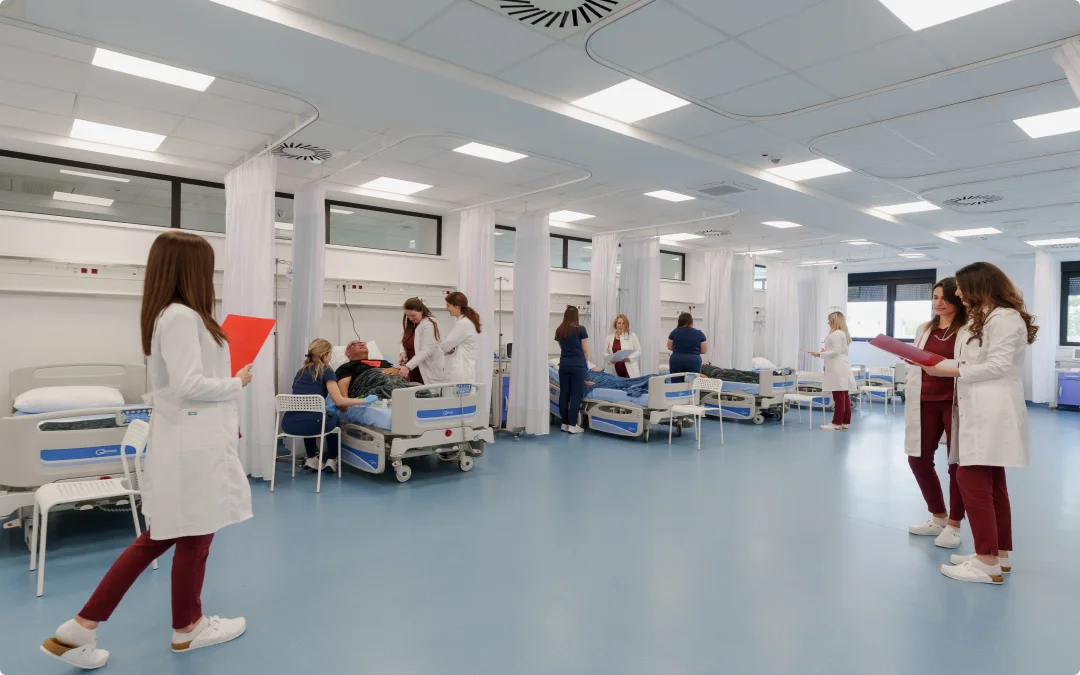
Rehabilitation remains the foundation of recovery after TBI. It helps the patient relearn movement, coordination, balance, communication, and cognitive strategies through repeated, task-specific training.
Stem cell therapy for brain injury does not replace rehabilitation. Instead, it may be considered as a complementary approach that supports the biological environment in which rehabilitation takes place. Functional recovery still depends on practice, consistency, and time.
Where Stem Cell Therapy May Fit Into Brain Injury Care
Stem cell therapy for TBI may be discussed when the patient is medically stable, but recovery remains limited. This may include patients who have completed standard treatment, continue rehabilitation, and still experience persistent neurological symptoms.
At Swiss Medica, the first step is a detailed medical review: what happened, when it happened, which brain areas were affected, what symptoms remain, what rehabilitation has already been done, and what realistic goals the patient and family have now.
How Stem Cell Therapy May Support Patients With Brain Injury
Stem cell treatment for brain injury is being studied because brain recovery depends on several biological processes at once: inflammation control, blood flow, immune signaling, tissue repair, and neuroplasticity.
What Current Research Suggests
Stem cell therapy studies and clinical research for brain injury are growing. Studies suggest that mesenchymal stem cells may help regulate neuroinflammation, reduce oxidative stress, support blood vessel signaling, and influence repair-related pathways after brain injury. Clinical research has also explored cell-based approaches in selected patients with chronic TBI.
The evidence is promising, but still developing. Stem cell therapy for traumatic brain injury is not yet considered an established standard treatment in major neurological guidelines.
After TBI, inflammation in the nervous system may remain active long after the original trauma. Persistent neuroinflammation may contribute to fatigue, cognitive difficulties, mood changes, sleep problems, and reduced recovery capacity.
Mesenchymal stem cells (MSCs) are being studied mainly for their paracrine activity. This means they release biologically active molecules, including growth factors, cytokines, and extracellular vesicles, that may influence immune activity, blood vessels, and tissue repair.
Most importantly, they can be induced in laboratory settings to become neural stem cells (NSCs), which have more favorable effects on supporting neuron regeneration. Reducing oxidative stress and neuroinflammation are thought to be among the main mechanisms by which neural stem cell therapy may support recovery.
Neuroplasticity, Blood Flow, and Functional Support
Neuroplasticity allows surviving brain networks to reorganize and compensate for lost or damaged pathways. Rehabilitation stimulates this process through repeated movement, speech practice, cognitive tasks, and functional training.
Stem cell therapy for brain injury may support neuroplasticity by influencing inflammation, vascular signaling, angiogenesis, and repair-related communication between cells.
For patients, the goal is practical: walking more steadily, speaking more clearly, concentrating longer, participating more actively in rehabilitation, or needing less help with daily tasks.
What Stem Cell Therapy Cannot Promise
Although stem cells for brain regeneration are often discussed as a way to repair the brain, true neurological recovery would require restoring damaged neural networks and lost brain function. This is much more complex than healing a skin wound or bone fracture.
Stem cell therapy for brain injury supports recovery-related processes, but it cannot guarantee that the brain will rebuild damaged pathways or restore memory, speech, movement, or independence to the pre-injury level. It also cannot replace rehabilitation, neurological follow-up, medication management, or safety monitoring.
A realistic goal is reducing harmful inflammation, improving the local repair environment, supporting blood flow, and helping rehabilitation translate into better function—this is the area in which stem cell therapy for brain damage is being investigated.
What Improvements May Look Like in Daily Life
In brain injury recovery, improvement may be gradual and functional, and it is best measured against the patient’s own baseline.
Potential Improvements Patients May Notice
Possible changes may include:
- improved mobility;
- better balance;
- improved coordination;
- clearer speech or communication;
- improved attention and concentration;
- reduced fatigue;
- better participation in rehabilitation;
- greater independence in daily activities;
- improved sleep quality;
- improved quality of life.
A renewed opportunity to sit through therapy longer, walk with more confidence, communicate needs more clearly, or complete daily tasks with less assistance can change everyday life for both the patient and family.
Why Results Can Differ Between Patients
Results after stem cell therapy for brain damage vary because brain injuries vary. The same treatment may lead to different outcomes depending on preserved function, injury location, rehabilitation intensity, and overall health.
| Factor | Why it matters |
| Injury severity | More severe injuries usually leave fewer preserved networks for recovery to build on |
| Brain regions affected | Damage to motor, speech, memory, or emotional regulation areas may produce different recovery challenges |
| Time since injury | Chronic injuries may still be supported, but gains may be slower and more limited |
| Preserved baseline function | The more function remains, the greater the chance of measurable improvement |
| Seizure history | Uncontrolled seizures may affect safety and eligibility |
| Rehabilitation intensity | Biological support is more useful when paired with consistent functional training |
| Sleep and mental health | Poor sleep, depression, anxiety, or agitation can limit recovery and participation |
| General medical health | Vascular, metabolic, or inflammatory conditions may influence response |
Patient Story: Living With a Brain Injury Before and After Treatment
William, a 60-year-old patient from Las Vegas, came to Swiss Medica after years of health problems linked to several accidents, including traumatic brain injury, knee trauma, lumbar spine damage, wrist cartilage injury, tinnitus, and long-lasting bronchitis. He chose rejuvenation therapy first because he wanted to understand the clinic’s approach before considering stem cell therapy.
“After only three days, my eyesight became clearer, and for me that alone made the trip worth it. I also noticed that my bronchitis cleared up, my sensitivity to bright light decreased, and I felt more relaxed with much more energy than before.”
William said he was not completely recovered, but he felt that meaningful improvements had started after years without progress. He also appreciated the supportive staff, comfortable room, translator assistance, and the kindness and compassion shown throughout his stay.

More real patient stories and video reviews are available on the Swiss Medica YouTube channel.
Who May Be Considered for Brain Injury Stem Cell Treatment?
Stem cell treatment for TBI is considered individually. The medical team needs to understand current function, safety risks, rehabilitation potential, and expectations before any program is proposed.
Patients With Stable Chronic Brain Injury or Slowed Recovery
Stem cell treatment for brain injury may be discussed with patients who have a confirmed history of TBI, stable neurological status, and persistent functional difficulties despite conventional care.
Potential candidates may include patients with:
- chronic traumatic brain injury;
- slowed or plateaued recovery;
- mobility or balance problems;
- speech problems after brain injury;
- memory problems after TBI;
- attention and concentration difficulties;
- fatigue limiting rehabilitation;
- reduced independence in daily activities;
- clear functional goals.
Get a free online consultation
To find out if you are a good candidate for stem cell therapy, schedule a free online consultation with a specialist in regenerative medicine.

Medical Advisor, Swiss Medica doctor
When Stem Cell Therapy May Not Be Recommended
Stem cell therapy for brain injury may not be recommended when safety risks outweigh the potential benefit.
Possible reasons include the following:
- uncontrolled seizures;
- active infection;
- unstable cardiovascular disease;
- active malignancy or recent history of certain cancers;
- severe uncontrolled psychiatric symptoms;
- progressive neurological deterioration;
- unclear diagnosis;
- severe complications requiring urgent care;
- unrealistic expectations of full recovery;
- inability to travel safely.
Sometimes the best next step is better seizure control, updated imaging, medication review, or a clearer rehabilitation plan before regenerative therapy is considered.
What Happens During Treatment at Swiss Medica?
At the Swiss Medica clinic, the treatment process begins before arrival. For brain injury patients, this is especially important because the medical team needs to understand neurological stability, seizure history, rehabilitation progress, and current daily function.
Want to know more about the clinic and Swiss Medica team?
You can read more about Swiss Medica, including the medical team, in-house laboratory, international patient support, and how treatment programs are organized for patients traveling to Serbia.
Medical Records and Tests Swiss Medica Reviews
Before proposing treatment, Swiss Medica reviews the patient’s medical records. Useful documents include:
- MRI or CT reports;
- hospital discharge summaries;
- neurological evaluations;
- rehabilitation records;
- medication list;
- seizure history;
- physiotherapy reports;
- speech therapy or occupational therapy reports;
- current functional assessments;
- information about sleep, fatigue, mood, and daily independence.
This review helps the medical team decide whether stem cell therapy for brain injury may be medically reasonable and what type of program could be appropriate.
Personalized Treatment Planning Based on Injury Type and Current Function
Treatment programs at Swiss Medica are based on established clinical protocols developed for specific medical conditions. These protocols provide a structured therapeutic framework while allowing our physicians to adapt the program according to the patient’s diagnosis, current health status, medical history, and individual needs.
To evaluate patients after traumatic brain injury for stem cell therapy, the medical team considers:
- type and severity of injury;
- time since trauma;
- current neurological symptoms;
- rehabilitation history;
- level of independence;
- seizure risk;
- medications;
- general health;
- patient and family goals.
This approach helps create a treatment plan that is medically structured, consistent, and realistic, while still reflecting the patient’s specific condition and recovery priorities. A patient whose main concern is balance, for example, may need different supportive focus than someone whose main difficulties involve speech, fatigue, or attention—but all adaptations are made within an established therapeutic framework.
Stem Cell Therapy for Brain Injury and Supportive Care
The regenerative part of the program may include MSCs or NSCs prepared in Swiss Medica’s in-house laboratory. Quality control focuses on identity, viability, sterility, and contamination checks before administration.
Depending on the patient’s condition, supportive care may also be included to support metabolic balance, energy levels, inflammation control, and overall tolerance of the program. Its role is to help create better conditions for recovery and support the patient’s ability to stay engaged in rehabilitation.
What does the treatment journey look like in practice?
A separate guide explains what to expect from stem cell therapy at Swiss Medica—from the first consultation and medical record review to arrival, in-clinic procedures, discharge, and follow-up after returning home.
Follow-Up
Neurological changes may develop gradually, so follow-up focuses on tracking functional changes over time.
Patients may be advised to monitor:
- mobility;
- balance;
- speech;
- memory;
- attention;
- fatigue;
- sleep;
- spasticity;
- mood;
- independence in daily activities;
- rehabilitation participation;
- adverse effects.
Swiss Medica may also recommend repeated assessments or reports from local rehabilitation specialists to better understand progress after the patient returns home.
Safety and Side Effects
Safety in neurological patients depends on more than the cell product. It also depends on patient selection, seizure risk, medication history, general medical stability, and careful follow-up.
Possible Side Effects of Stem Cell Therapy
Possible short-term side effects may include:
- low-grade fever;
- fatigue;
- headache;
- temporary weakness;
- local discomfort or bruising;
- mild inflammatory reaction after administration.
Most reported reactions are temporary. However, neurological patients require especially careful screening because their medical histories may be complex.
Why Neurological Patients Need Additional Safety Screening
Before considering stem cell therapy, safety and side effects need to be discussed with the patient or patient’s family because brain injury may cause seizures, swallowing problems, mobility limitations, sleep disorders, mood symptoms, medication interactions, or cardiovascular risks. These factors can affect treatment planning.
Cost of Stem Cell Therapy for Brain Injury
The cost of stem cell therapy for brain damage is one of the most common practical questions for international patients. A responsible estimate should reflect the whole program, not only the cell administration itself.
Why Treatment Costs Depend on the Individual Case
The stem cell therapy cost for brain injury depends on the complexity of the case and the structure of the proposed program and typically ranges from €7,700 to €45,000*.
Factors that may influence cost include:
- severity of injury;
- time since trauma;
- current neurological function;
- diagnostics required;
- seizure history and monitoring needs;
- cell preparation;
- route and number of administrations;
- supportive therapies;
- treatment duration.
A personalized estimate is more accurate than a general package price because every brain injury case is different.
* Prices are indicative and based on 2026 estimates; they may vary depending on case complexity.
What the Treatment Program May Include
A Swiss Medica treatment program may include:
- remote medical record review;
- in-person medical assessment;
- neurological evaluation;
- cell product preparation in the in-house laboratory;
- stem cell administration;
- supportive medical therapies;
- accommodation and meals;
- airport transfers;
- translation support;
- post-treatment follow-up.
The exact structure depends on the patient’s condition, safety profile, and goals.
Why a Personalized Estimate Is More Reliable Than a Flat Price
A flat price cannot reflect the complexity of traumatic brain injury. One patient may require a shorter program, while another may need additional screening, supportive therapies, longer stay, or closer follow-up.
For this reason, the cost of stem cell therapy for brain injury is discussed after medical record review. The patient receives a clearer explanation of what is included, why it is recommended, and how the program is built around their case.
Why Patients Choose Swiss Medica for Brain Injury Treatment
Brain injury patients often need more than a procedure. They usually need a clinic that can review complex medical records, understand functional goals, screen neurological risks, coordinate travel, and provide follow-up after the patient returns home. At Swiss Medica, these elements are integrated into a single program.
Individual Medical Assessment Before Treatment
Every case begins with a medical review. Swiss Medica evaluates imaging, hospital records, neurological symptoms, rehabilitation history, medication use, seizure history, and current functional limitations before proposing a program.
This helps the team explain what may be possible, what is uncertain, and when another medical step should come first.
In-House Cell Processing and Quality Standards
Cell preparation is handled through Swiss Medica’s in-house laboratory processes. Quality control focuses on identity, viability, sterility, and contamination control before the cell product is administered.
These standards matter because regenerative treatment depends not only on the cells themselves, but also on how they are sourced, processed, tested, and delivered.
Supportive Care for Mobility, Energy, and Rehabilitation Participation
After the stem cell application process for neurological patients, recovery is most meaningful when it translates into function. Depending on the case, supportive care may focus on mobility, balance, fatigue, sleep, rehabilitation tolerance, and daily independence.
Personalized Follow-Up
Swiss Medica continues to support patients after treatment. Follow-up may include tracking movement, balance, speech, memory, attention, fatigue, sleep, mood, independence, and rehabilitation participation.
A structured free follow-up visit within 3-6 months helps compare progress with the pre-treatment baseline and adjust recommendations when needed.
International Patient Support in Serbia
Swiss Medica’s English-speaking coordination team supports international patients from the first inquiry about stem cell therapy for brain injury through post-treatment follow-up.
The patient support package may include:
- coordination before arrival;
- travel and accommodation guidance;
- airport transfers;
- translation support when needed;
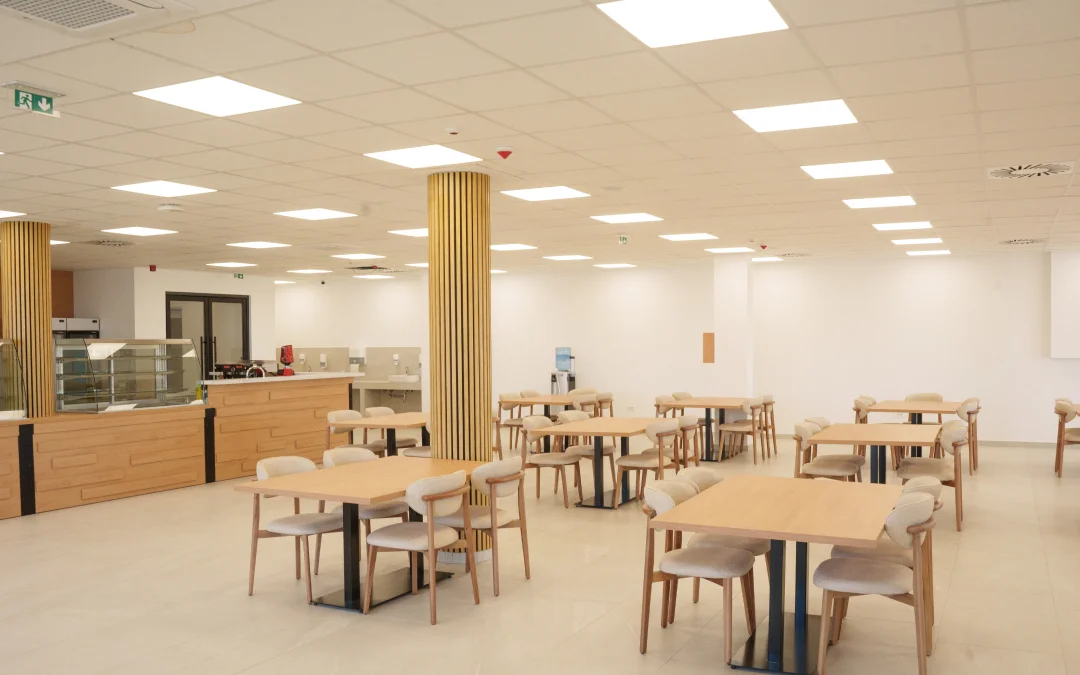
- meals during the stay;
- balanced nutrition tailored to individual dietary preferences;
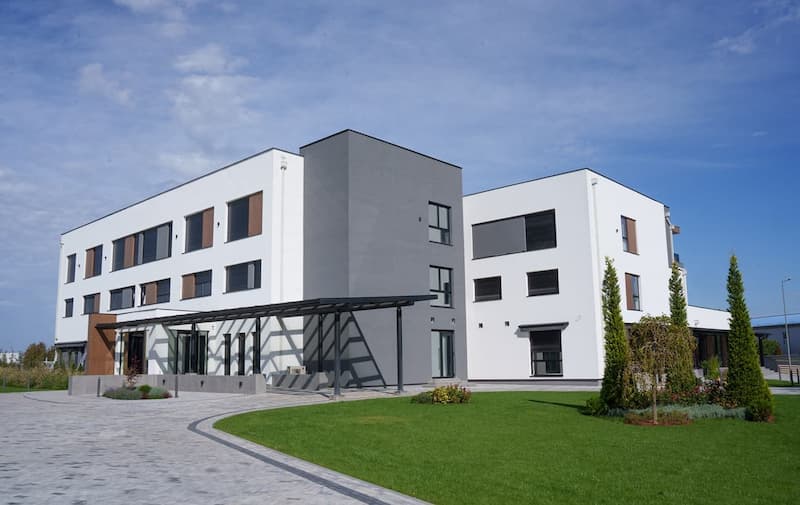
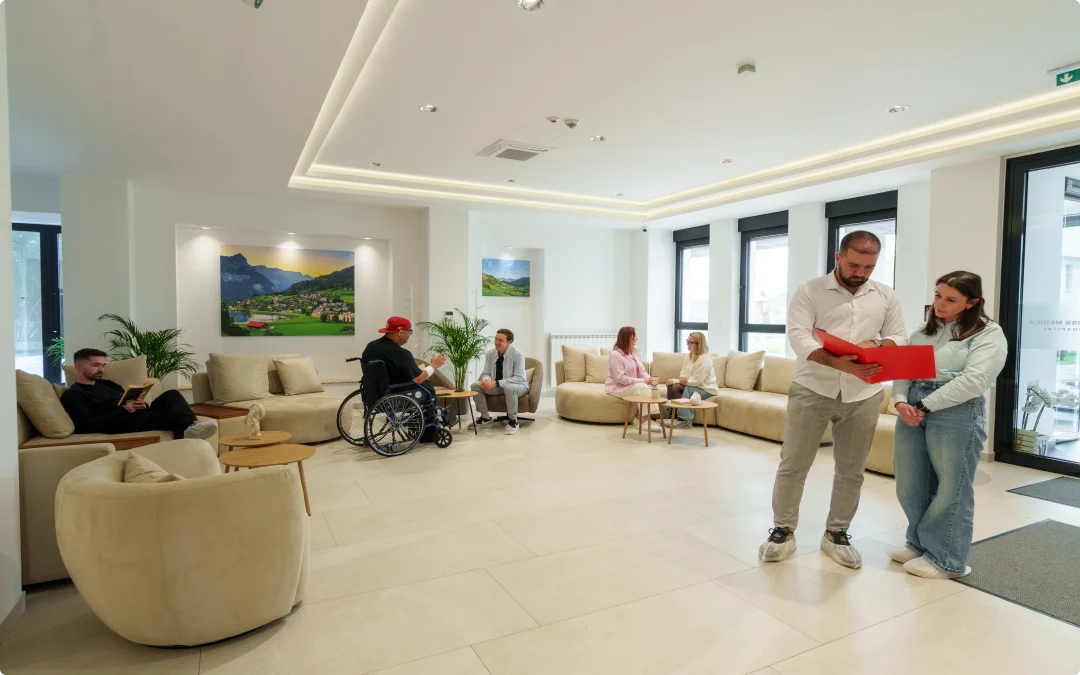
- quiet rest areas inside the hospital;
- spacious outdoor areas for calm walks and recovery between procedures;
- private consultations;
- the option to bring one accompanying person.
This support helps patients and families focus on treatment while practical details are arranged in advance.
Speak With a Medical Advisor About Brain Injury Treatment Options
Brain injury recovery is complex, and every patient’s situation is different. The first step is a private medical review of the patient’s imaging, discharge summaries, neurological evaluations, rehabilitation history, current symptoms, and safety factors.
Send a request
A free online consultation helps patients and families understand whether stem cell therapy for brain injury may be appropriate, what outcomes may realistically be discussed, and how a treatment program could be structured around the patient’s current condition.
Medical Advisor, Swiss Medica doctor
FAQ
1. What is the best treatment for traumatic brain injury?
The best treatment depends on injury severity, timing, symptoms, and current function. Acute TBI may require emergency care, neurosurgery, and medication management. Long-term recovery usually relies on neurological rehabilitation, including physiotherapy, occupational therapy, speech therapy, cognitive rehabilitation, and medical follow-up.
2. Can stem cell therapy repair brain injury after TBI?
Regenerative medicine doesn’t use stem cells for brain ‘regeneration’. It can’t guarantee repair of brain damage after TBI in the sense of fully restoring lost tissue or function. Research suggests stem cells may support neuroinflammation control, neuroprotection, vascular signaling, and neuroplasticity. Stem cell therapy should be viewed as a complementary approach, not a guaranteed repair method.
3. Is stem cell therapy for brain injury proven?
Some stem cell products are already approved by the FDA for other medical uses, predominantly certain blood and immune disorders. Stem cell treatment for brain injury hasn’t yet been broadly approved or integrated into standard medical care. This is largely because approval requires long, condition-specific clinical trials, and research on brain injury is still ongoing.
4. Can stem cell therapy help memory, speech, or movement after brain injury?
Stem cell therapy may support recovery-related processes that influence movement, speech, attention, and cognitive function in selected patients. Some patients report functional improvements, but results vary depending on injury severity, affected brain regions, time since injury, rehabilitation intensity, and overall medical condition.
5. Who may be considered for brain injury stem cell treatment?
Potential candidates may include patients with stable chronic traumatic brain injury, slowed recovery, persistent mobility problems, balance issues, speech difficulties, memory changes, fatigue, or reduced independence. Suitability is decided individually after medical record review, neurological assessment, and safety screening.
6. Does stem cell therapy replace rehabilitation after TBI?
Stem cell therapy for TBI does not replace rehabilitation. Rehabilitation remains the foundation of recovery after brain injury. Regenerative therapy is being studied as a complementary option that may support the biological environment for recovery and help selected patients participate more effectively in rehabilitation.
7. What are the side effects of stem cell therapy for brain injury?
Possible side effects may include fatigue, low-grade fever, headache, local discomfort, bruising, or temporary weakness. Neurological patients need careful screening because seizure history, medications, mobility limitations, and other complications may affect safety and treatment planning.
8. What medical records are needed before consultation?
Useful records include MRI or CT reports, hospital discharge summaries, neurological evaluations, rehabilitation records, medication lists, seizure history, and current functional assessments. Reports from physiotherapists, speech therapists, or occupational therapists may also help the medical team understand the patient’s current recovery status.
9. How long does it take to notice changes after treatment?
Changes after treatment may appear gradually over weeks or months. Some patients notice earlier changes in energy, rehabilitation tolerance, or attention, while motor or cognitive improvements may take longer. Progress should be tracked against the patient’s baseline using functional assessments and rehabilitation feedback.
10. How much does stem cell therapy for brain injury cost?
The cost ranges from €7,700 to €45,000* and depends on injury severity, diagnostics, cell preparation, administration route, supportive therapies, length of stay, accommodation, and follow-up. A personalized estimate is prepared after medical record review because brain injury cases vary widely in complexity and treatment needs.
* Prices are indicative and based on 2026 estimates; they may vary depending on case complexity.
References:
Creel WT, Randhawa S, Hartman RE. Stem Cell Therapy for Traumatic Brain Injury: Translational Mechanisms, Biomarkers, and Clinical Trials. Stem Cell Reviews and Reports. 2026;22(6):2808–2823. doi:10.1007/s12015-026-11175-9.
Kawabori M, et al. Cell Therapy for Chronic TBI: Interim Analysis of the Randomized Controlled STEMTRA Trial. Neurology. 2021;96(8):e1202–e1214. doi:10.1212/WNL.0000000000011450.
Okonkwo DO, McAllister P, Achrol AS, et al. Mesenchymal Stromal Cell Implants for Chronic Motor Deficits After Traumatic Brain Injury: Post Hoc Analysis of a Randomized Trial. Neurology. 2024;103(7):e209797. doi:10.1212/WNL.0000000000209797.
Zhang Y, Zheng Z, Sun J, et al. The Application of Mesenchymal Stem Cells in the Treatment of Traumatic Brain Injury: Mechanisms, Results, and Problems. Histology and Histopathology. 2024;39(9):1109–1131. doi:10.14670/HH-18-716.
Laguna-Cuellar JD, Silva-Varela L, Rojas-Tovar S, Charry JD. Stem Cells in the Treatment of Traumatic Brain Injury: A Systematic Review of the Literature. Egyptian Journal of Neurosurgery. 2025;40:147. doi:10.1186/s41984-025-00487-6.
Kabatas S, Civelek E, Boyalı O, et al. Safety and Efficiency of Wharton’s Jelly-Derived Mesenchymal Stem Cell Administration in Patients with Traumatic Brain Injury: First Results of a Phase I Study. World Journal of Stem Cells. 2024;16(6):641–655. doi:10.4252/wjsc.v16.i6.641.
Zhang K, Jiang Y, Wang B, Li T, Shang D, Zhang X. Mesenchymal Stem Cell Therapy: A Potential Treatment Targeting Pathological Manifestations of Traumatic Brain Injury. Oxidative Medicine and Cellular Longevity. 2022;2022:4645021. doi:10.1155/2022/4645021.
Saboori M, Riazi A, Taji M, Yadegarfar G. Traumatic Brain Injury and Stem Cell Treatments: A Review of Recent 10 Years Clinical Trials. Clinical Neurology and Neurosurgery. 2024;239:108219. doi:10.1016/j.clineuro.2024.108219.
Mesenchymal Stem Cell-Induced Anti-Neuroinflammation Against Traumatic Brain Injury. Cell Transplantation. 2021;30:09636897211035715. doi:10.1177/09636897211035715.


MD, Pediatrician, Regenerative Medicine Specialist