swiss medicaXXI century S.A.
Eye diseases are a common problem worldwide, but vision loss is rarely a simple, one-cause story. It can develop gradually, affect different parts of the visual system, and be associated with a variety of conditions, including optic nerve atrophy (ONA).
ONA can develop as a result of glaucoma, trauma, or neurological disease. For this reason, treatment usually needs to address both the optic nerve damage and the condition that caused it, so care often involves a combination of approaches rather than one isolated treatment. In this article, we explain where stem cell therapy for optic nerve atrophy may fit alongside standard treatment, who may be a suitable candidate, and what results can realistically be expected.
Understanding Optic Nerve Atrophy and Vision Loss
Optic nerve atrophy can develop for different reasons, so the first step is to understand what damaged the optic nerve and whether the underlying cause still needs treatment.
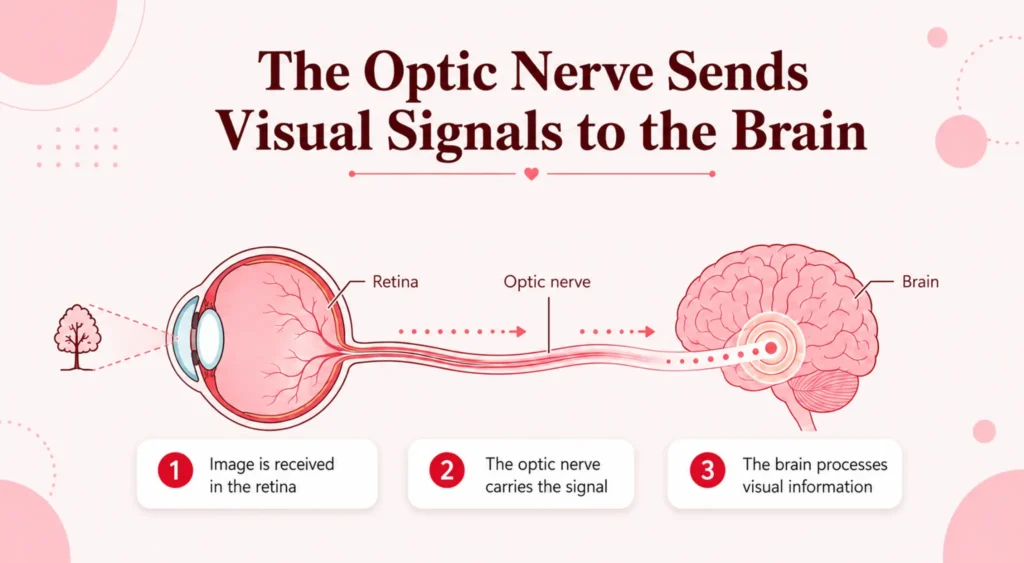
The Optic Nerve Carries Visual Information to the Brain
The optic nerve carries visual information from the eye to the brain. This process starts in the retina, where light is received and converted into signals. These signals then travel through the optic nerve to the brain, where the image is processed and recognized.
When this pathway works properly, a person can see clearly, distinguish colors, notice contrast, and perceive the full visual field. But if the optic nerve is damaged, the signal may become weaker, incomplete, or blocked. A person may notice:
- blurred vision;
- reduced visual acuity;
- weaker color perception;
- poor contrast;
- blind spots;
- loss of side vision.
Common Causes of Optic Nerve Atrophy
Different diseases and conditions can damage the optic nerve, resulting in optic nerve atrophy. Among them are the following:
- glaucoma;
- optic neuritis or other inflammatory conditions;
- poor blood supply to the optic nerve;
- trauma or compression of the optic nerve;
- toxic or nutritional damage;
- inherited conditions, such as Leber hereditary optic neuropathy;
- some neurological diseases.
These causes are often complex themselves. Because of this, any treatments, including stem cell therapy for eye diseases, should not focus on the damaged nerve alone. Doctors need to understand what triggered the injury and whether this process is still active.
Why Optic Nerve Damage Can Be Difficult to Reverse
The optic nerve has a special structure. It is not a peripheral nerve in the usual sense, but part of the central nervous system pathway that connects the eye with the brain. For this reason, it has very limited ability to regenerate after damage.
Standard treatment, whether medical or surgical, often focuses on treating the underlying cause, protecting the remaining vision, and slowing further damage.
However, in many cases, the result may still be limited. This is why more patients are considering additional supportive methods, including stem cell therapy, as part of a broader treatment plan aimed at enhancing the overall effect.
What Is the Most Effective Treatment for Optic Nerve Atrophy
There is no single treatment that works for every case and can simply boost optic nerve “repair”. The most effective approach depends on why the optic nerve has been damaged and whether the underlying cause can still be treated. Before considering any treatment—including stem cell therapy for optic nerve damage—a thorough ophthalmic evaluation is essential.
What Is Commonly Used to Manage Optic Nerve Disorders
In practice, monitoring and treatment are closely connected: doctors use test results to guide therapy and adjust treatment based on how the optic nerve responds over time.
Common assessment and monitoring methods may include:
- Neuro-ophthalmology assessment—to understand whether the problem is related to the eye, the nervous system, or both.
- Visual field loss testing—to check side vision, blind spots, and disease progression.
- OCT eye tests—regular scans using optical coherence tomography (OCT) that help doctors see and measure the optic nerve and the retinal nerve fiber layer.
- RNFL thickness monitoring—to track whether the retinal nerve fiber layer is thinning over time.
- Color vision testing—to assess how well the optic nerve transmits visual signals.
Treatment Depends on the Cause of Optic Nerve Damage
The treatment strategy is chosen based on the underlying cause of optic nerve degeneration and started before the damage progresses further.
Depending on the cause, optic nerve damage treatments and supportive care may include:
- If optic nerve damage is linked to glaucoma, treatment focuses on lowering intraocular pressure and reducing ongoing stress on the optic nerve. It may include prescription eye drops, laser procedures, surgery, and regular monitoring of eye pressure, visual fields, and OCT results.
- If inflammation is involved, treatment focuses on controlling the inflammatory process and preventing further nerve injury. It may include corticosteroids, immune-modulating therapy, or treatment of an underlying autoimmune, infectious, or neurological condition.
- If systemic risk factors contribute to the damage, treatment focuses on improving the conditions that affect blood supply and nerve health. It may include management of diabetes, blood pressure, vascular risks, anemia, vitamin deficiencies, or other related conditions.
- If the optic nerve is compressed, treatment focuses on identifying and relieving the source of pressure before further damage occurs. It may include imaging studies, referral to the appropriate specialist, and, when necessary, surgical or other targeted interventions.
In any case, rehabilitation may be needed to help the patient adapt to vision changes and use remaining vision more safely. This may include visual exercises, orientation and mobility training, balance and coordination work, magnifiers, contrast-enhancing tools, and practical strategies for reading, movement, work, and everyday tasks.
Preserving Remaining Vision Is Often the Main Goal
Regardless of the underlying cause, the treatments described above are mainly used to slow progression, reduce the risk of further optic nerve degeneration, preserve remaining vision, and track changes over time. For many patients, preserving usable vision is more realistic than full restoration, especially when damage is long-standing or OCT already shows thinning of the retinal nerve fiber layer.
Where Stem Cell Therapy May Fit Into Vision Care
In recent decades, stem cell therapy for optic nerve atrophy has been actively studied as a possible extension of standard treatment plans. Its potential value lies in providing an additional layer of support: it is being studied for its potential to help protect vulnerable nerve tissue, improve the cellular environment, and support repair-related processes where some nerve function remains.
However, stem cell therapy for ONA is not meant to replace diagnostics, regular monitoring, or care from an ophthalmologist, glaucoma specialist, or neuro-ophthalmologist.
How Stem Cell Therapy May Support Patients With Optic Nerve Atrophy
In optic nerve atrophy, the main challenge is not only the damaged nerve itself but also the condition of the remaining retinal ganglion cells and supporting tissue environment. Stem cell therapy is being studied for its potential to support these remaining structures and the biological processes involved in tissue repair.
How MSCs Work: Neuroprotection, Inflammation Control, and Tissue Support
In optic nerve atrophy, retinal ganglion cells and their axons are the main structures affected, and this damage is often accompanied by inflammation, reduced blood supply, immune activity, or ongoing cellular stress. MSCs may influence both the nerve tissue itself and the surrounding tissue environment.
After injection, these cells release growth factors, cytokines, extracellular vesicles, and other active molecules that can influence nearby cells and tissue responses. Their possible effects include:
- Neuroprotection—support for surviving retinal ganglion cells and optic nerve pathways.
- Inflammation control—reduction of excessive inflammatory signaling around injured tissue.
- Immune modulation—regulation of immune responses that may contribute to ongoing damage.
- Vascular support—possible promotion of angiogenesis, the formation of new small blood vessels, which may help improve oxygen and nutrient supply in stressed tissue.
These effects help reduce ongoing stress around the remaining nerve tissue and provide an additional biological reserve that may help slow further disease progression alongside standard care.
What Current Research Suggests
Research on stem cell therapy for ONA and other optic neuropathies focuses mainly on mesenchymal stem cells (MSCs) and their supportive properties.
Here’s a brief overview of current stem cell therapy studies and clinical research:
- A 2016 review highlighted MSCs’ possible neuroprotective, immunomodulatory, and paracrine (the release of signaling molecules that may promote tissue repair) effects, while noting that the available studies were still mainly focused on safety and feasibility.
- The 2019 SCOTS study reported visual improvement in some patients with dominant optic atrophy after autologous bone marrow-derived stem cell therapy, but the study was open-label and non-randomized.
- A 2022 review analyzed studies on adult stem cells in vision loss and optic neuropathies and, like earlier research, supported the same key mechanisms: MSCs may help protect remaining nerve cells, reduce inflammation, and improve the environment around stressed neural tissue.
- A 2024 systematic review and meta-analysis found possible improvement in visual acuity, but no significant change in RNFL thickness. This suggests possible functional changes in some cases.
Together, these findings support clinical experience: MSC therapy may be useful as an additional supportive approach in selected patients, but larger controlled studies are still needed to confirm long-term outcomes.
What Stem Cell Therapy Cannot Promise
Stem cell therapy for optic nerve atrophy cannot cure or fully restore the optic nerve or ensure full vision restoration. Because treatment responses vary considerably between patients, reputable clinics should discuss both the potential benefits and the limitations of therapy rather than promise specific results.
What Results Can Patients Realistically Expect
Although stem cell therapy cannot promise complete optic nerve regeneration, some patients may still experience meaningful benefits.
Vision Changes Are Measured, Not Guessed
At the Swiss Medica clinic, we have seen that even small changes in vision can feel meaningful for patients in everyday life. Some patients describe their vision as less dark or less “clouded,” notice clearer outlines of objects, or feel that they can orient themselves in space more confidently.
Patients also report:
- easier reading of labels or large text
- better contrast or light perception
- less visual fatigue
- more confidence in daily tasks
Why Results Can Differ Between Patients
No two cases of optic nerve atrophy are exactly alike, which is why treatment outcomes can vary considerably between patients. Factors such as the cause and duration of optic nerve damage, the amount of remaining vision, the stage of the disease, overall health, and individual biological response all influence the potential results.
This is why stem cell treatment for optic nerve atrophy in adults should always be discussed individually, after a thorough examination of the specific case.
Improvement Does Not Mean a Cure
Stem cell therapy is a gradual process. In many cases, the strongest changes are usually seen within 3–6 months after treatment, although for some patients the recovery process may continue for longer.
At the same time, stem cells in vision loss and other eye conditions do not fully rebuild the optic nerve or restore lost vision.
A Patient’s Experience With Optic Nerve Atrophy Treatment
Personal stories help show what potential benefits may look like in real life. They also make expectations around stem cell therapy for optic nerve regeneration more realistic.
Patient Story: Living With Optic Nerve Damage Before and After Treatment
Before coming to Swiss Medica, our patient had lived with poor vision for more than 20 years. In the UK, he went through years of tests, check-ups, and eye drops, but doctors could not offer a clear solution. His vision remained blurred, dark, and limited, especially in the weaker eye. Over the last few years, daily tasks became more difficult: he struggled to move around confidently, read simple labels, and manage everyday activities.
“After coming to Swiss Medica, I felt that my condition was finally understood and that I had a clear treatment plan. After the first round of stem cell therapy, I noticed that my weaker eye was no longer as dark—it felt like light was starting to come through. I could see outlines more clearly, noticed more peripheral vision, and even started reading labels such as “shampoo” and “conditioner” with my glasses on, which I struggled with before. After 20 years of failed vision, these changes gave me hope.”

Watch another patient’s story of life after stem cell therapy for glaucoma, and explore more experiences from people with eye conditions on our YouTube channel.
Who May Be Considered for Treatment
At Swiss Medica stem cell therapy for optic nerve atrophy is recommended only after a thorough medical evaluation. Our physicians carefully review each patient’s condition to determine whether this approach may be appropriate, safe, and potentially beneficial.
| Criteria | What it means |
| Confirmed diagnosis | The patient should have a documented diagnosis of optic nerve atrophy or another optic neuropathy, rather than unexplained blurred vision alone. |
| Clear cause or medical history | Doctors need to understand what may have caused or contributed to the optic nerve damage. Possible causes include glaucoma, optic neuritis, trauma, vascular problems, inflammation, toxic damage, or neurological disease. |
| Stable medical condition with controlled comorbidities | The patient’s general condition should be stable enough for treatment. Acute complications, uncontrolled blood pressure or diabetes, active glaucoma progression, uncontrolled inflammation, or other major risk factors should be managed before treatment is considered. |
| No active cancer | Stem cell therapy is usually not considered if there is an active oncological process or recent cancer history that requires ongoing treatment. |
| No acute infection | Treatment should be postponed in the presence of an active infection, fever, or uncontrolled inflammatory flare, as these conditions may increase treatment-related risks. |
| Not pregnant or breastfeeding | Stem cell therapy for optic nerve atrophy in adults is generally not recommended during pregnancy or breastfeeding. |
Get a free online consultation
Start with a free online consultation with our doctors. They will review your medical history, explain what options may be relevant for you, and help you make a balanced decision about further treatment.

Medical Advisor, Swiss Medica doctor
What Happens During Treatment at Swiss Medica?
Treatment at Swiss Medica is organized in several steps. For optic nerve atrophy, the application process focuses on confirming the diagnosis, reviewing vision tests, understanding the cause of nerve damage, and tracking changes over time.
Medical Review and Assessment Before Treatment
Doctors assess the patient’s diagnosis, vision history, current symptoms, previous treatments, and possible causes of optic nerve damage.
For optic nerve atrophy, this may include:
- ophthalmology reports;
- OCT scans;
- RNFL measurements;
- visual field testing;
- visual acuity measurements;
- MRI results, if relevant;
- other anamnesis data.
This stage helps doctors understand whether stem cell treatment for optic nerve atrophy may be appropriate, what risks should be considered, and what treatment goals are realistic in the patient’s specific case.
Personalized Treatment Planning Based on Vision Tests and Medical History
If the case is accepted after the initial review, our doctors prepare an individual treatment plan based on established protocols and the patient’s medical data.
After arrival, the medical team evaluates the patient in person. If needed, the plan may be adjusted based on updated tests, current condition, safety factors, and the patient’s treatment goals.
Stem Cell Therapy and Supportive Care
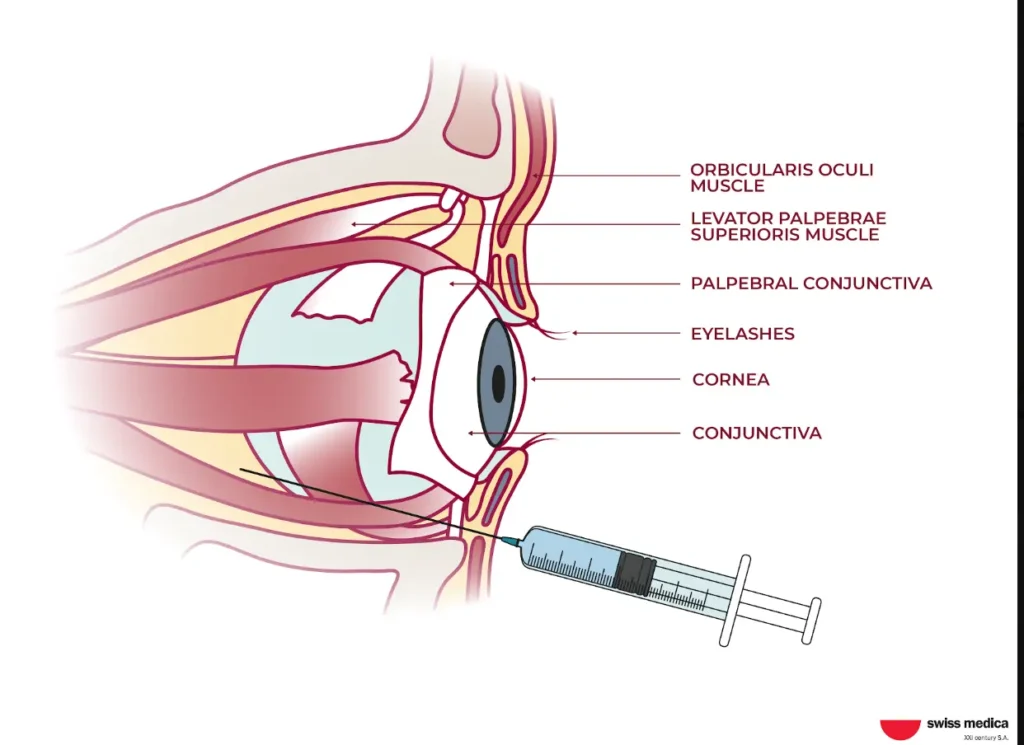
During the main treatment stage, patients receive MSC-based therapy according to the protocol. The route, dosage, number of procedures, and supportive therapies depend on the individual treatment plan. Depending on the clinical situation, stem cells may be administered as eye drops, retrobulbar injections (behind the eye), or intravenously to provide systemic support.
For optic nerve atrophy, supportive care may focus on strengthening the overall effect of the program, stimulating remaining visual function, and helping the patient adapt to daily life with vision changes. Depending on the case, additional procedures may include:
- Functional physiotherapy and rehabilitation—to improve balance, coordination, spatial orientation, mobility, and confidence in everyday activities.
- IMR therapy—to support intracellular delivery of vitamins, minerals, and other nutrients, and help strengthen the overall regenerative program.
- Medical device therapy—selected individually to support tissue recovery, circulation, muscle tone, or general functional state.
All procedures are carried out under medical supervision, with clinical staff available throughout the patient’s stay.
Follow-Up
After the main program, our doctors stay in contact with patients for 3–6 months to monitor changes and support follow-up. They may track:
- visual acuity;
- visual field results;
- OCT/RNFL measurements;
- color perception;
- light sensitivity;
- contrast sensitivity;
- functional vision;
- daily activity and orientation;
- overall quality of life;
- possible adverse effects.
Because changes after stem cell therapy for optic nerve damage may develop gradually, this follow-up period helps the medical team understand how the patient is responding after returning home.
If needed, the patient may also come back to the clinic for a free follow-up visit. In this case, the patient covers only travel tickets.
Safety and Side Effects of Stem Cell Therapy
Stem cell therapy for optic nerve atrophy has shown a good safety profile in clinical studies when performed under medical supervision.
At Swiss Medica, patients remain under close medical supervision, with doctors and nurses nearby to monitor their condition and respond promptly if any concerns arise. However, most reported side effects are short-term and temporary:
- headache;
- tiredness;
- mild fever;
- nausea;
- general weakness;
- local discomfort after injection;
- temporary eye discomfort or pressure sensation;
- short-term changes in light sensitivity.
How Much Does Stem Cell Treatment for Optic Nerve Damage Cost?
The prices may vary significantly by country and treatment structure. For example, stem cell therapy for optic nerve atrophy in the USA is often priced around specific procedures, cell administrations, or clinical trial-related care rather than offered as a complete treatment package.
The table below gives a general comparison of regions where patients may look for treatment options for optic nerve damage.
| Country / Region | Estimated cost | Regional specifics |
| United States | $26,000–$50,000 | The United States has strong research infrastructure and strict regulation. For optic nerve and retinal conditions, access to stem cell-based approaches is often connected with clinical trials or tightly controlled programs rather than standard treatment packages. |
| Germany | €18,000–€50,000 | Germany is known for well-organized medical processes, advanced diagnostics, and high-level technologies. However, for optic nerve damage, stem cell-based treatment is more commonly available through research settings, clinical trials, or highly regulated medical programs. |
| Serbia / Swiss Medica | €7,700–€45,000* | Swiss Medica follows European medical protocols and offers treatment as a complete care package. The final cost depends on the cause and severity of optic nerve damage, treatment duration, administration route, supportive therapies, and accommodation. |
* Prices are indicative and based on 2026 estimates; they may vary depending on condition severity and required cell quantity.
Why a Personalized Cost Estimate Is More Reliable Than a Flat Price
At Swiss Medica the stem cell therapy cost is usually calculated individually and is confirmed after medical review because the treatment plan depends on many factors, including
- the cause of optic nerve damage;
- how much vision has been affected;
- required diagnostics;
- cell source and preparation;
- administration route;
- treatment duration;
- supportive care;
- accommodation;
- follow-up.
What the Treatment Program May Include at Swiss Medica
Rather than providing a single stem cell injection, Swiss Medica delivers treatment as a structured hospital program. Throughout the stay, patients receive continuous medical supervision, regular physician assessments, rehabilitation and supportive therapies selected for their individual needs, while accommodation, meals, and everyday care are organized by the clinic.
So the final cost of stem cell therapy for optic nerve atrophy at Swiss Medica is based on the approved treatment plan and includes this complete program, with no hidden clinic fees. Patients only need to arrange and cover their travel to and from the clinic separately.
Why Patients Choose Swiss Medica for Optic Nerve Atrophy Treatment
Since 2011, we at Swiss Medica have worked with complex chronic, neurological, and eye-related conditions. Over the years, we have helped more than 10,000 patients. Below are the key reasons why patients choose Swiss Medica.
Individual Medical Assessment Before Treatment
Accurate treatment planning is especially important in cases involving the optic nerve. That is why the patient’s condition is reviewed twice: first remotely before travel and then in person at the clinic. This two-step assessment helps confirm that the proposed stem cell therapy for optic nerve atrophy is appropriate and gives patients greater confidence in their individual treatment plan.
In-House Cell Processing and Quality Standards
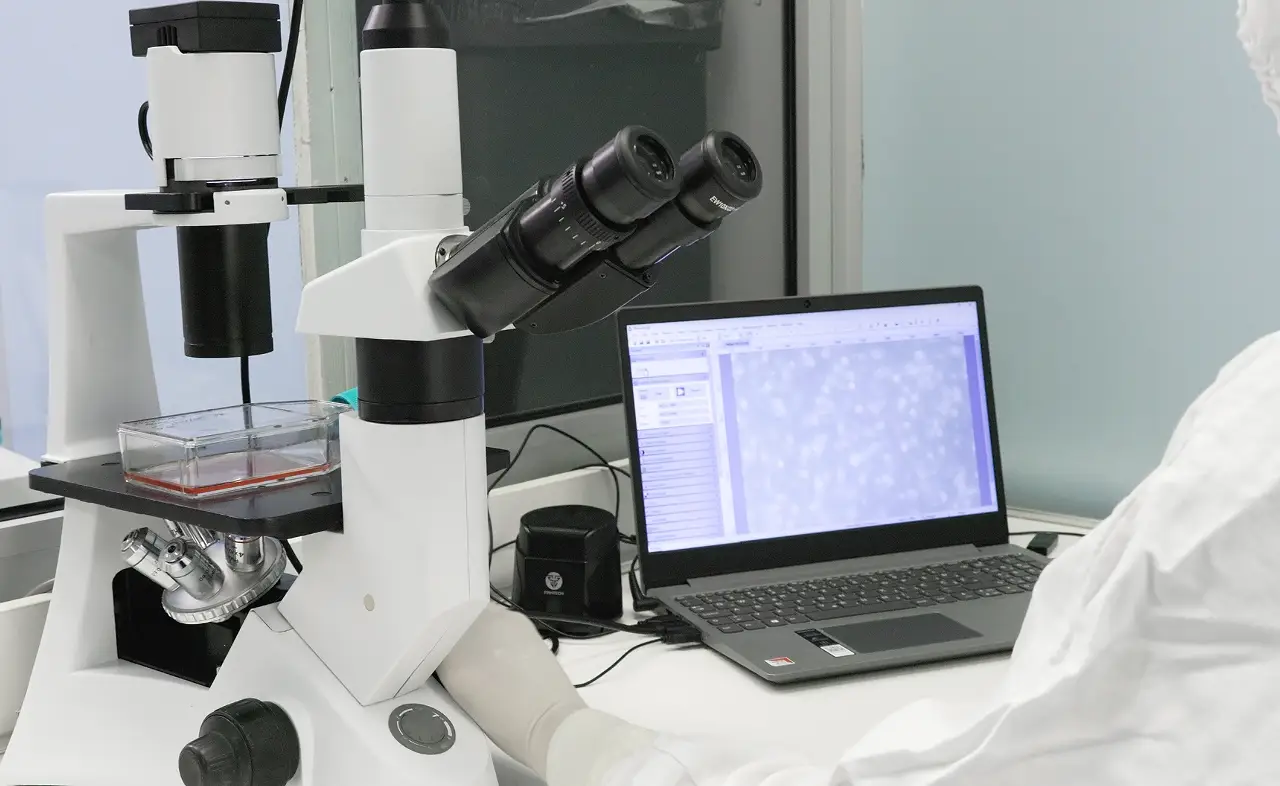
We prepare cell-based products in our own GMP laboratory. GMP means Good Manufacturing Practice—a set of standards that helps make the cell preparation process controlled, traceable, and safe.
MSC preparation takes place directly in our laboratory, where the cells typically retain a viability level of 95–98%. In practical terms, this means that the vast majority remain active after processing and can carry out the signaling functions associated with MSC therapy. Before clinical use, every batch undergoes additional checks for sterility, safety, and compliance with quality requirements.
Personalized Follow-Up and Monitoring
At Swiss Medica, treatment is not limited to cell administration. The program may also include supportive therapies selected after medical evaluation, such as physiotherapy, medical device therapy, rehabilitation support, or other procedures that may help support eye and nerve function where possible.
During the stay, patients remain under medical supervision, and doctors monitor their response and overall safety. After the main program, we stay in contact with patients for 3–6 months to track changes in vision, daily function, quality of life, and possible adverse effects. If needed, the patient may also return to the clinic for a free follow-up visit, covering only travel tickets.
International Patient Support in Serbia
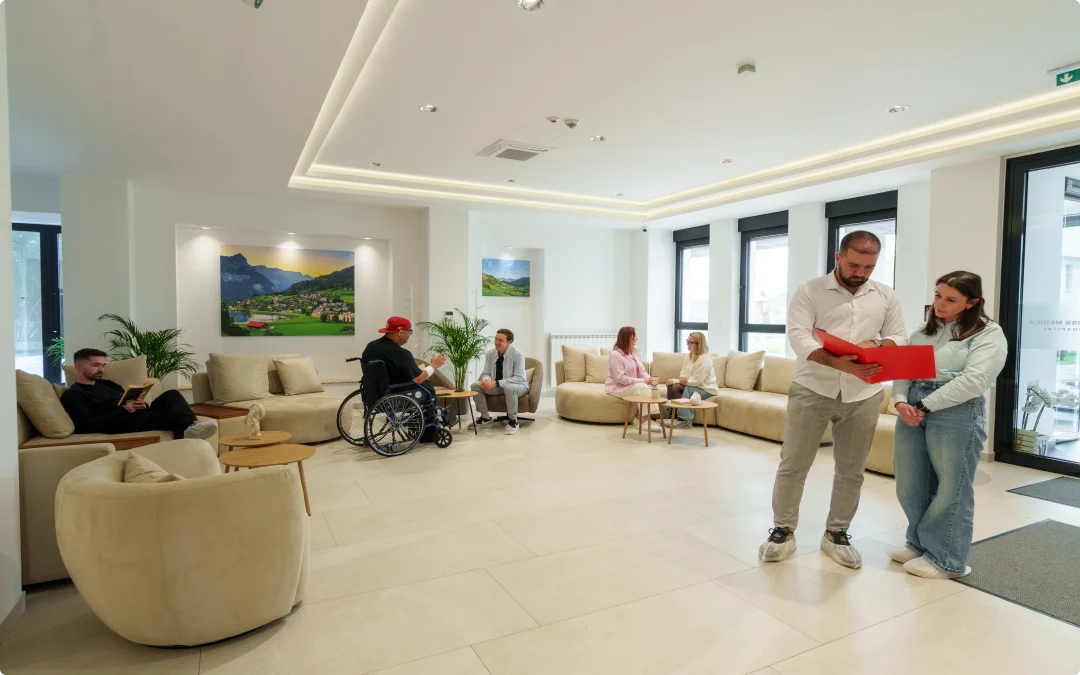
When vision changes, even a simple trip can feel like another challenge to manage. That is why at Swiss Medica we try to remove as much stress as possible from the patient’s stay—from arrival and daily support to treatment scheduling and follow-up. Our goal is to help patients feel guided, safe, and cared for, so they can focus on treatment, rest, and recovery.
We provide:
- private accommodation inside the hospital, so patients can rest between procedures without extra travel;
- meals adjusted to individual needs and preferences;
- airport pickup by our drivers and help with transfers during the visit;
- translation support if needed;
- help with scheduling, accommodation, and everyday questions;
- support from doctors, medical advisors, and clinical staff throughout the treatment process;
- a calm and comfortable environment that feels less like a standard hospital visit and more like a supported medical stay.


Speak With a Medical Advisor About Optic Nerve Atrophy Treatment Options
Optic nerve atrophy can be complex, making it difficult to understand what treatment options may still be available. Uncertainty may increase when the underlying cause is unclear, test results change over time, previous treatments have not helped as expected, or stem cell therapy is being considered.
You do not have to navigate these decisions alone. By sharing your case with our medical team, you can receive a professional assessment to better understand your options and whether stem cell therapy may be considered in your situation—without false promises, or obligation to proceed with treatment.
Send a request
Book your free online consultation now to discuss your optic nerve atrophy treatment options.
Medical Advisor, Swiss Medica doctor
Frequently Asked Questions
1. What causes optic nerve atrophy?
Optic nerve atrophy can develop as a result of glaucoma, optic neuritis, ischemic injury, trauma, toxic or nutritional damage, compression, or inherited optic neuropathies. It is not a separate diagnosis, but a sign that the optic nerve has been damaged. The underlying cause matters because it affects management, treatment planning, and prognosis.
2. Is optic nerve atrophy reversible?
Optic nerve atrophy is usually not fully reversible. Once retinal ganglion cells are lost, the body has very limited ability to rebuild them. Treatment usually focuses on protecting the remaining vision, slowing further damage, and supporting eye and nerve function where possible, rather than restoring the optic nerve to its normal state completely.
3. Can stem cell therapy for optic nerve atrophy repair the optic nerve?
Not in the sense of guaranteed regeneration. Although research is exploring stem cell therapy for optic nerve regeneration, this remains an experimental area rather than an established or guaranteed medical outcome. In practice, stem cell therapy is discussed more carefully as a possible supportive approach.
4. Can stem cell treatment restore vision after optic nerve damage?
In the context of vision repair stem cell treatment for optic nerve atrophy may help improve visual function or contribute to greater visual stability in some patients. However, it should not be presented as a guaranteed way to restore vision. Outcomes depend on the underlying cause of damage, how long it has been present, and how much viable nerve tissue remains.
5. Who may be considered for optic nerve stem cell treatment?
Stem cell treatment may be considered for patients with confirmed optic nerve atrophy or optic neuropathy, available eye test results and imaging, and a clinical situation where supportive treatment goals still seem realistic. Eligibility also depends on the cause of nerve damage, current vision status, general health, and safety factors. Active contraindications or unstable disease may change whether treatment is appropriate.
6. Is stem cell therapy for eye diseases and optic nerve damage proven?
Stem cell therapy for eye conditions is not yet proven by large, definitive clinical studies. Research is still limited and developing, so it should not be presented as a universally proven solution or a guaranteed way to restore vision.
7. Does stem cell therapy replace an ophthalmologist?
No. Patients still need ophthalmology or neuro-ophthalmology follow-up, especially if glaucoma, inflammatory disease, or another ongoing cause of optic nerve injury is present. Stem cell care should be framed as an addition to—not a replacement for—standard specialist management.
8. What eye tests are needed before consultation?
The most useful records usually include ophthalmology reports, visual acuity measurements, visual field testing, OCT scans, and sometimes MRI results or prior glaucoma and optic neuritis history. These records help define disease cause, severity, and realistic treatment goals.
9. What are the side effects of stem cell treatment for optic nerve atrophy?
The most common side effects are usually temporary and may include mild fever, fatigue, headache, nausea, or short-term discomfort after the procedure. Proper screening, medical supervision, and follow-up are important to reduce risks and monitor the patient’s response.
10. How much does stem cell therapy for the optic nerve cost?
There is no reliable flat price. Stem cell treatment cost depends on diagnosis, severity, required diagnostics, cell preparation, supportive care, duration of stay, and follow-up. A personalized estimate is more accurate than a standard advertised figure.
References:
Labrador-Velandia S, Alonso-Alonso ML, Alvarez-Sanchez S, González-Zamora J, Carretero-Barrio I, Pastor JC, Fernandez-Bueno I, Srivastava GK. Mesenchymal stem cell therapy in retinal and optic nerve diseases: An update of clinical trials. World J Stem Cells. 2016 Nov 26;8(11):376-383. doi.org/10.4252/wjsc.v8.i11.376
Weiss JN, Levy S. Stem Cell Ophthalmology Treatment Study (SCOTS): bone marrow derived stem cells in the treatment of Dominant Optic Atrophy. Stem Cell Investig. 2019 Dec 5;6:41. doi.org/10.21037/sci.2019.11.01
Tan S, Yao Y, Yang Q, Yuan XL, Cen LP, Ng TK. Diversified Treatment Options of Adult Stem Cells for Optic Neuropathies. Cell Transplant. 2022 Jan-Dec;31:9636897221123512. doi.org/10.1177/09636897221123512
Chaibakhsh S, Azimi F, Shoae-Hassani A, Niknam P, Ghamari A, Dehghan S, Nilforushan N. Evaluating the impact of mesenchymal stem cell therapy on visual acuity and retinal nerve fiber layer thickness in optic neuropathy patients: a comprehensive systematic review and meta-analysis. BMC Ophthalmol. 2024 Jul 29;24(1):316. doi.org/10.1186/s12886-024-03588-2
Wang, Y., Yi, H. & Song, Y. The safety of MSC therapy over the past 15 years: a meta-analysis. Stem Cell Res Ther 12, 545 (2021). https://doi.org/10.1186/s13287-021-02609-x


MD, Pediatrician, Regenerative Medicine Specialist