swiss medicaXXI century S.A.
Stem cell therapy includes very different cell products and procedures, so their safety profiles are not the same. Among them, mesenchymal stem cells (MSCs) have accumulated some of the most extensive clinical safety data, with studies covering thousands of patients across different conditions.
So, is stem cell therapy safe? In this article, we look at what current research shows, where the evidence is strongest, which questions remain open, and what factors make treatment safer or riskier in practice.
Not All Stem Cell Therapies Have the Same Safety Profile
The term “stem cell therapy” covers a broad range of treatments. The cells may come from various tissues, behave differently in the body, and require specific methods of preparation and administration. Their risks are therefore not the same.
One important difference between the types of stem cells used in therapy is their biological potential, including the range of specialized cells they can differentiate into.
- Pluripotent stem cells have a broad developmental potential and can differentiate into many different cell types.
- Multipotent stem cells have a more restricted biological potential than pluripotent cells. Their activity is shaped not only by differentiation capacity but also by tissue-specific functions and signaling mechanisms, giving them a more defined biological profile.
This distinction matters when evaluating stem cell therapy safety.
Pluripotent Stem Cells Require Specific Safety Controls
Pluripotent stem cells include embryonic stem cells and induced pluripotent stem cells, or iPSCs. Both can differentiate into an expansive range of specialized cell types, but they are obtained in different ways:
- Embryonic stem cells are derived from very early-stage embryos. Their use is not equally accepted or permitted worldwide, as it is subject to ethical debate and different regulatory restrictions.
- iPSCs are derived from mature somatic cells, such as skin or blood cells.
The broad developmental potential that makes pluripotent cells useful also poses certain safety issues. If undifferentiated cells remain in a final cell product, they may continue to proliferate and form teratomas. As a result, pluripotent cell-derived products must be thoroughly tested prior to use.
Multipotent Stem Cells Can Have Very Different Safety Profiles
MSCs are multipotent adult cells and among the most extensively studied cell types in regenerative medicine. Clinical research has accumulated safety data on their use, and their more limited differentiation potential distinguishes them from pluripotent stem cells.
Rather than directly replacing damaged tissue, MSCs can modulate the local environment and the behavior of surrounding cells.
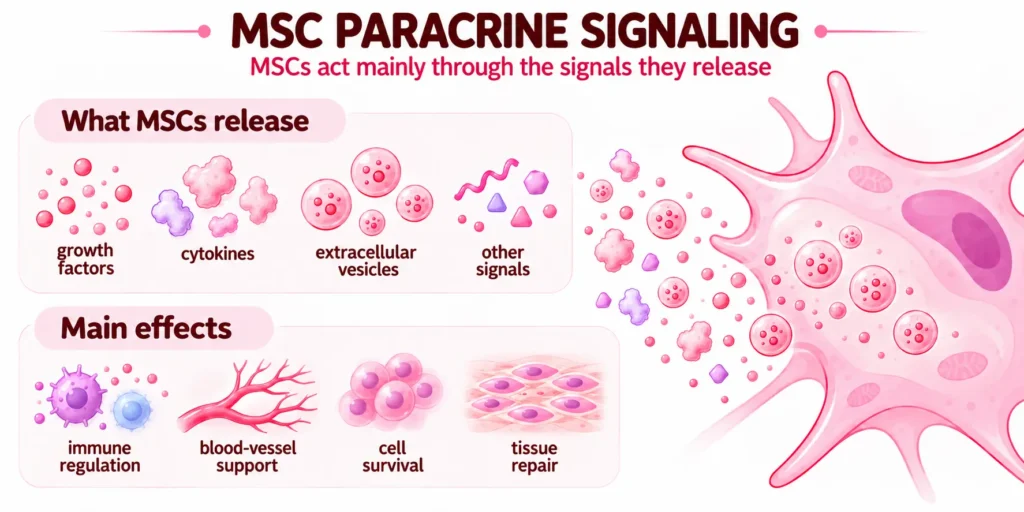
MSCs act largely through the substances they produce and release, such as growth factors, cytokines, chemokines, extracellular vesicles, and other signaling molecules. Together, these substances form part of the MSC secretome and can influence inflammation, immune responses, blood-vessel formation, cell survival, and tissue-repair processes.
This signaling between cells is known as paracrine signaling and is considered one of the key mechanisms of MSC activity.
Hematopoietic stem cells are also multipotent, but they have a very different function. They can differentiate into all major blood-cell lineages, including red blood cells, white blood cells, and platelets, and are used in hematopoietic stem cell transplantation, or HSCT, mainly for conditions such as leukemia, lymphoma, and some bone marrow disorders.
Before HSCT, patients may receive chemotherapy or other conditioning treatment. This reduces the patient’s existing blood-forming cells and suppresses the immune system, helping the donor stem cells take hold in the bone marrow. The transplanted cells can then begin producing new blood and immune cells.
HSCT therefore carries specific risks that are not typical of MSC therapy. We look at these differences in more detail below.
Is Stem Cell Therapy Safe? What Current Research Shows About MSCs
Mesenchymal stem cell safety has been studied in thousands of patients across different diseases, cell sources, doses, and administration routes. Let’s look at what the various studies actually report.
What Clinical Studies Tell Us About Mesenchymal Stem Cell Therapy Safety
Key studies include:
- A 2021 meta-analysis of 62 randomized trials included 3,546 participants treated with MSCs. The main treatment-associated events were transient fever and administration-site reactions. Fatigue, constipation, and sleep disturbance were also reported more often in some studies. The analysis did not find an increased risk of serious outcomes such as death or infection.
- A systematic review of 55 randomized trials included 2,696 patients receiving MSCs through intravascular routes. Transient fever was again more common after treatment, while there was no significant increase in infection, thrombotic or embolic events, malignancy, or overall mortality.
- A study comparing MSCs derived from the human placenta and umbilical cord showed that cells from different tissues can share typical MSC characteristics while still differing in proliferation, differentiation potential, surface-marker expression, and secretion of paracrine factors. This is important because safety data from one MSC product cannot always be automatically generalized to another.
In general, these findings support a generally favorable level of safety for mesenchymal stem cells but also show that cell source and product characteristics matter when safety is evaluated.
Want to explore the evidence by condition?
See our overview of stem cell therapy clinical research to learn how MSCs are being studied across different diseases and conditions, what outcomes researchers measure, and where the evidence is still developing.
What We Still Don’t Know About Long-Term Safety of Stem Cell Therapy
Current MSC safety data are generally reassuring, especially in the short term. Long-term research is still ongoing, mainly because rare effects require larger patient groups and longer follow-up to detect.
For any clinic offering MSC therapy, the focus should be on using well-characterized cell products, following established preparation and administration protocols, and monitoring patients over time.
Get a free online consultation
Book a free online consultation with Swiss Medica’s regenerative medicine doctors. We will review your medical history, answer your questions, and help you understand whether stem cell therapy may be suitable in your case.
The consultation is free and does not oblige you to proceed with treatment.

Medical Advisor, Swiss Medica doctor
Autologous vs. Allogeneic MSCs: Does the Source Affect Safety of Stem Cell Therapy?
Stem cells can also differ by where they come from. Autologous MSCs are collected from the patient, while allogeneic MSCs come from a donor. This difference affects how the cells are obtained, prepared, and assessed for immune compatibility.
Why Donor-Derived MSCs Have a Favorable Safety Profile?
Allogeneic MSCs are considered low-immunogenic. With appropriate patient selection and established treatment protocols, significant immune reactions appear to be uncommon.
Several properties help explain this phenomenon:
- Low immunogenicity. MSCs have relatively low levels of some surface markers that the immune system uses to recognize foreign cells. This can make a strong immune response less likely.
- Immunomodulatory activity. MSCs can help regulate immune signaling and immune responses.
- No permanent genetic integration. Their effects occur mainly through signaling molecules and interactions with surrounding cells rather than by becoming a permanent part of the patient’s tissues.
Why Is This Different From an Organ Transplant?
An organ transplant requires tissue compatibility because the donor organ becomes a permanent part of the recipient’s body. If the immune system recognizes that tissue as foreign, it can attack the transplant, which is why donor matching and immunosuppressive treatment are often needed.
MSCs are different because they are not used as permanent replacement tissue, so the same level of donor-recipient tissue matching is generally not required.
What Is Different About Using Your Own Cells?
Autologous cells come from the patient’s own body, so the risk of immune rejection related to donor incompatibility is essentially absent. This is one of their main advantages.
However, the patient’s own cells are not always the preferred option. Their biological characteristics can change with age and health. Autologous MSCs from older patients may show lower proliferative activity and other age-related changes that can affect their quality. Donor-derived MSCs are usually obtained from carefully screened, younger donors and can provide a more consistent cell source.
For this reason, the patient’s own cells are not automatically the better option. Doctors also consider the patient’s age and health, the quality of the available cells, the treatment goals, and the characteristics of the cell product.
Can Your Body Reject Stem Cells?
This type of complication is mainly associated with hematopoietic stem cell transplantation (HSCT). Donor hematopoietic stem cells rebuild the patient’s blood and immune system, and the immune cells that develop from them can sometimes recognize the patient’s tissues as foreign and cause graft-versus-host disease (GVHD). If the donor and patient are not well matched, the transplanted immune cells can attack the patient’s tissues.
MSCs do not carry this same type of risk. They do not rebuild the patient’s immune system or become permanent donor tissue. Their role is mainly supportive.
Can Stem Cell Therapy Cause Cancer?
Most tumor-related concerns in stem cell therapy safety come from pluripotent cells and their broad developmental potential. If undifferentiated pluripotent cells remain in a final product, they may continue to proliferate and form teratomas.
MSCs are different. They are multipotent, with a much more limited differentiation potential, and large clinical safety analyses have not shown an increased rate of malignancy after MSC administration.
Even so, any clinic using MSCs should follow established protocols, carefully characterize the cell product, and screen patients before treatment. At Swiss Medica, a regenerative medicine clinic in Serbia, we follow this approach and do not recommend treatment when relevant cancer-related risks are present.
We mention treatment protocols throughout this article because they guide key decisions such as cell type, dose, administration route, and monitoring. Learn what established clinical principles these protocols are based on and how they are adapted to the individual case in our article on a personalized stem cell treatment protocol.
Different Routes of Administration and Their Safety
Stem cells can be administered in different ways, including intravenously, intrathecally, intra-articularly, or by other local injections. Each route has its own procedure-related risks.
At Swiss Medica, the route is selected according to the diagnosis, cell product, and treatment goals.
Intravenous Administration (IV)
Intravenous administration is a standard way to deliver MSCs into the bloodstream. A small catheter is placed into a vein, similar to the venous access used for a blood test or IV infusion, and the cell product is administered gradually.
Many patients ask whether IV MSC therapy can cause blood clots. A systematic review of 55 randomized trials involving 2,696 patients found no significant increase in thrombotic or embolic events after intravascular MSC administration.
Our experience at Swiss Medica is consistent with this overall stem cell therapy safety profile. Most patients do not have significant reactions after IV administration. When side effects do occur, they are usually mild and short-lived, such as temporary redness or local discomfort, and typically resolve quickly.
Other Routes of Administration
Depending on the treatment plan, MSCs may also be administered intrathecally, intra-articularly, or by other local injections. In some cases, more than one route of administration may be used. At Swiss Medica, these procedures are performed by experienced doctors, with continuous medical supervision and patient monitoring before, during, and after administration.
Most reactions are related to the procedure itself and are usually mild and temporary, such as headache, local pain, swelling, or irritation.
Can You Get an Infection From Stem Cell Therapy?
Patients often ask about the safety of stem cell injections, but it is not limited to the injection itself. It depends on what happens before, during, and after treatment—from screening and cell preparation to administration, observation, and follow-up.
To reduce them, each regenerative clinic should:
- screen donor material for infections;
- test cells before and during preparation;
- maintain sterile laboratory conditions;
- perform microbiological checks before administration;
- use controlled storage and sterile injection procedures.
Pre-treatment evaluation for active infection in the patient is also important.
At Swiss Medica, all procedures are performed under strict sterile protocols with medical observation before, during, and after administration. This helps keep infection risk very low in our clinical practice.
What Makes Stem Cell Treatment Safer—or Riskier? The Swiss Medica Approach
At Swiss Medica, the safety of stem cell therapy begins well before the cells are administered.
Donor Selection and Screening
For donor-derived MSC products, we start with the source material. At Swiss Medica, donor cells are obtained from placental and umbilical cord tissue donated after healthy childbirth.
Before we accept the material, we review the available medical history and test results to identify infections, relevant health conditions, or pregnancy complications that could make the donation unsuitable.
Cell Processing, Sterility, and Quality Testing
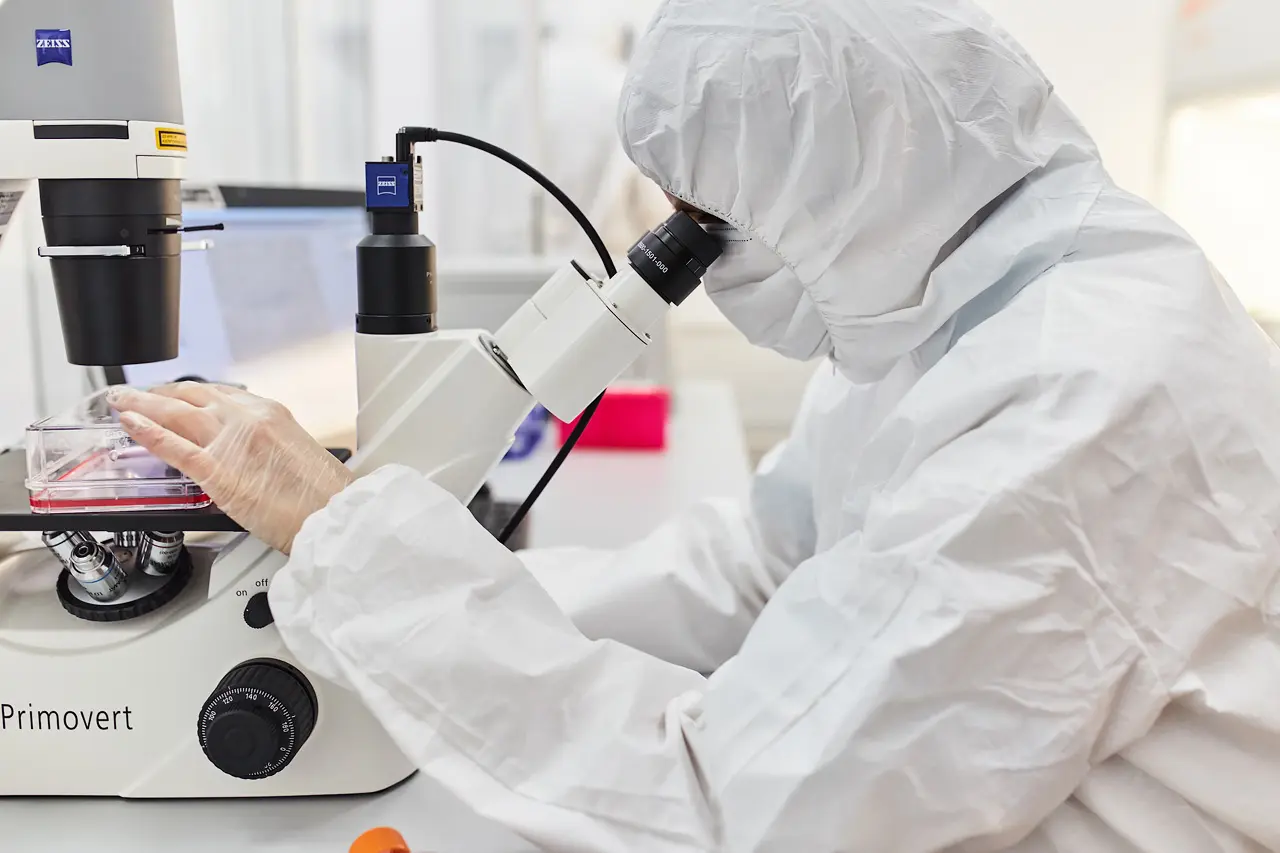
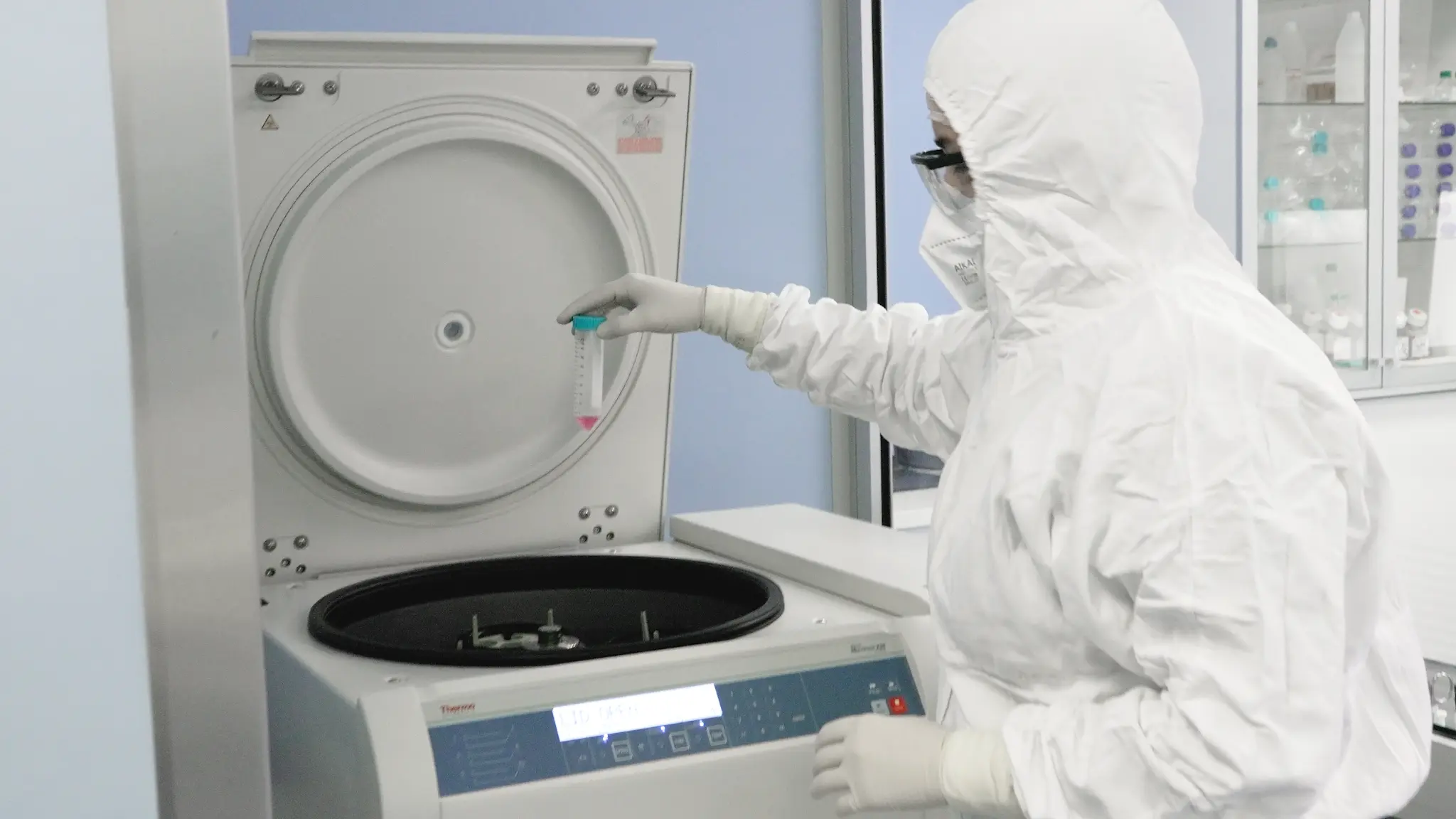
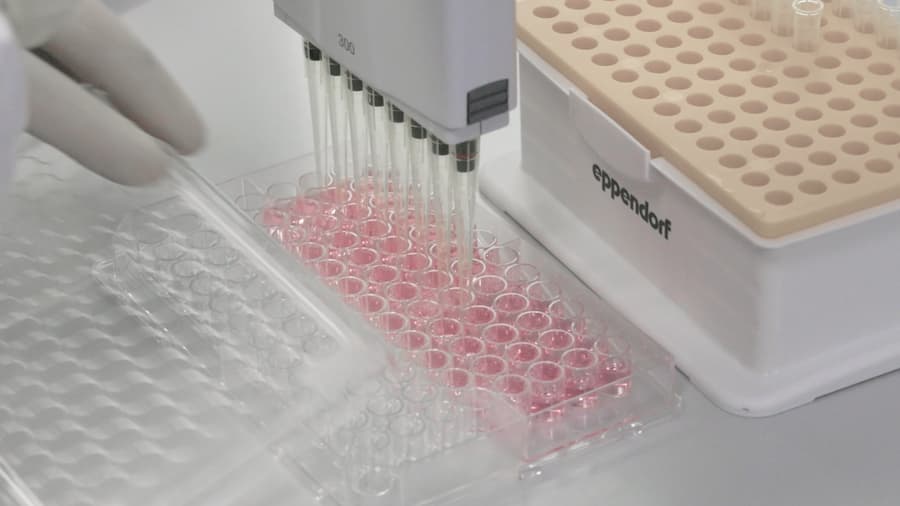
We isolate, purify, and, when required, expand the cells in our own GMP-standard laboratory under controlled conditions.
At several stages, we check:
- sterility and microbiological safety;
- cell identity and characteristics;
- cell concentration;
- stem cell viability—the percentage of living and functional cells in the final preparation.
Our MSC preparations typically show 95–98% viability before administration. If cryopreservation is needed, we store the cells under controlled conditions and reassess them after thawing.
Patient Health and Contraindications
Patient screening is one of several factors that contribute to stem cell therapy safety. Before treatment, we review the patient’s diagnosis, medical history, current therapies, laboratory findings, imaging, and possible contraindications.
We may postpone or not recommend treatment in cases such as:
- active infection;
- pregnancy;
- unstable or poorly controlled medical conditions;
- active or clinically relevant malignancy.
Upon arrival at Swiss Medica, each patient undergoes a second in-person assessment. We confirm that it is still safe to proceed and, if needed, adjust the treatment plan based on the current condition and test results.
Stem Cell Dose and Administration Planning
The cell dose is calculated individually, primarily according to the patient’s body weight and the treatment protocol. The goal is not to use the highest possible number of cells, but to select an appropriate dose for the specific treatment protocol.
We also choose the administration route according to the condition and treatment goals. In some cases, several routes may be combined within one treatment plan.
The proposed dose, cell product, and administration methods are discussed with the patient in advance.
Medical Supervision and Follow-Up
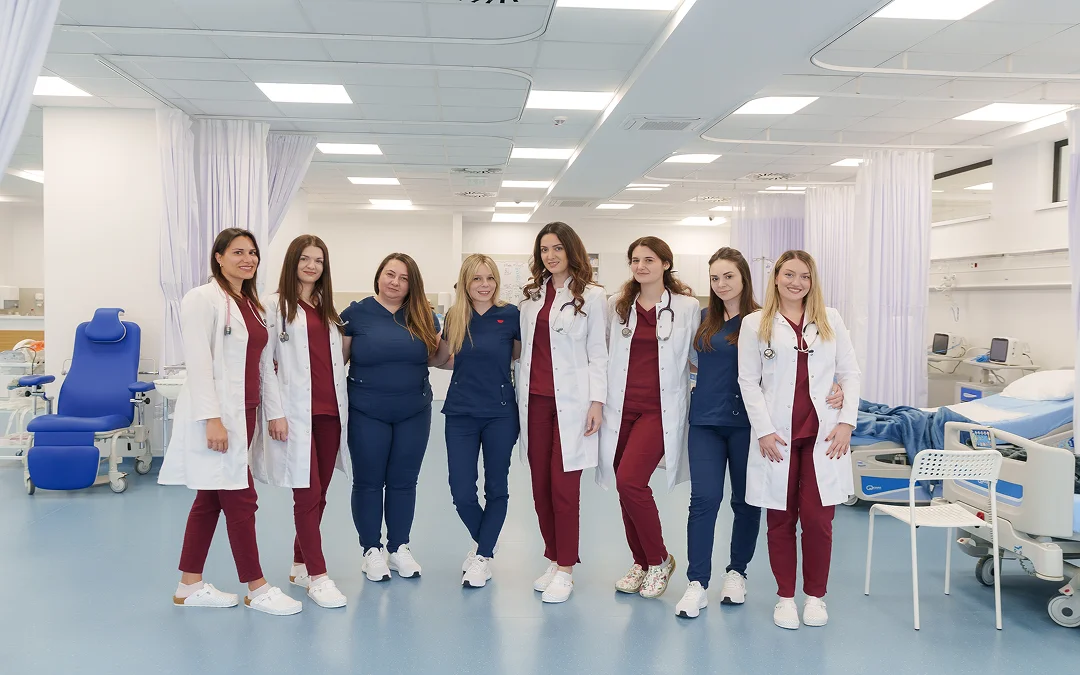
Continuous medical monitoring is another important aspect of stem cell therapy safety. Throughout each procedure, we monitor how the patient is feeling and respond if anything changes. Our doctors also check patients before and after treatment, so supervision is not limited to the moment of administration.
At Swiss Medica, each patient is closely by the medical team 24/7 throughout treatment, and the care plan can be adjusted if needed.
After discharge, we stay in contact for 3–6 months to monitor recovery, treatment response, and any changes over time. Patients may also return to Swiss Medica for a free follow-up check-up at the clinic, covering only their own travel costs.


Red Flags to Check Before Choosing a Stem Cell Clinic
Before choosing a clinic, check how it manages the safety of its stem cell therapies. Be cautious if a clinic:
- promises guaranteed results or a cure;
- cannot clearly explain which cells are used and where they come from;
- does not describe donor screening or laboratory quality control;
- offers treatment without reviewing medical records;
- cannot explain possible risks, alternatives, and follow-up.
Wondering what the full treatment program includes? Learn what factors make up the stem cell therapy cost at our hospital, including cell-based procedures, medical care, accommodation, supportive treatments, and follow-up.
Is Stem Cell Therapy FDA-Approved?
FDA approval does not provide a general guarantee of stem cell therapy safety. It applies to a specific cell product for a specific indication.
Some stem cell-based treatments are FDA-approved, while many MSC applications being studied for neurological, musculoskeletal, autoimmune, and degenerative conditions are not approved for those uses.
Approval also takes time: each product has to go through its own development, manufacturing controls, preclinical assessment, and clinical studies before it can be approved for a particular use. As research progresses, more MSC-based products may gradually enter the approval process and become available for specific indications.
Discuss Stem Cell Therapy Safety in Relation to Your Own Case
It can be difficult to make sense of stem cell therapy on your own. There are many sources, different cell products, and different treatment approaches, and not all information applies equally to every patient.
At Swiss Medica, you can discuss your case with our doctors during a free online consultation, with no obligation to proceed with treatment. Our team will review your medical records, explain which options may be relevant, and discuss the potential benefits, limitations, and key stem cell therapy safety considerations with you.
Contact us
Book a free online consultation now.
Medical Advisor, Swiss Medica doctor
FAQ
1. Is stem cell therapy safe for everyone?
No. Safety depends on the patient’s condition, treatment type, cell product, and administration route. Active infections, unstable medical conditions, pregnancy, and certain cancer-related risks may prevent or delay treatment. Medical screening is necessary before a protocol is selected.
2. What are the most common stem cell therapy side effects?
For MSC therapy, reported reactions are usually temporary. Clinical studies most often describe fever, fatigue, headache, and reactions around the administration site. The exact side effects depend on how the cells are delivered.
3. What are the long-term risks of stem cell therapy?
Current MSC studies have not identified a clear long-term malignancy or mortality signal. Long-term evidence is still more limited than short-term data, especially for rare complications and repeated treatment. Continued clinical follow-up remains important.
4. Can stem cell therapy cause cancer?
The risk varies by cell type. Undifferentiated cells remaining in the product can cause teratoma formation from pluripotent stem cells. Clinical MSC studies have not shown an increased malignancy rate, although manufacturing quality and patient screening remain important.
5. Can your body reject donor stem cells?
Immune rejection is more commonly associated with hematopoietic stem cell transplantation and organ transplantation than with donor MSC therapy. MSCs have relatively low immunogenicity and immunomodulatory properties, so strong immune reactions appear to be less common, although they are not considered impossible.
6. Are stem cells from your own body safer than donor stem cells?
Not necessarily. Autologous and donor-derived cells are used in different situations, depending on the condition and treatment plan. Donor-derived cells usually require less preparation for the patient because they are collected and prepared in advance. Autologous cells must first be collected from the patient and then processed before treatment, which takes more time and adds an extra procedure.
7. How safe is stem cell therapy with MSCs?
Clinical trials and meta-analyses generally show a favorable short-term safety profile for MSCs. The most consistently reported effects are temporary fever and reactions at the administration site. Safety still depends on product quality, patient selection, dose, and administration route.
8. Is IV stem cell therapy safe?
Controlled studies of intravenous MSC administration have not shown a significant overall increase in thromboembolic events. When established protocols are followed—including appropriate dosing, patient assessment, infusion technique, and medical monitoring—IV MSC administration is generally well tolerated.
9. Is it safe to travel abroad for stem cell therapy?
Location alone does not determine safety. Patients should check who produces the cells, how donors are screened, which laboratory standards are followed, what testing is performed before release, who administers the treatment, and what medical monitoring and follow-up are available.
10. How can I tell whether a stem cell clinic follows appropriate safety standards?
Look for clear information on the exact cell product, source, donor screening, sterility testing, cell viability, manufacturing standards, dose, administration route, contraindications, physician supervision, management of complications, and follow-up. A clinic should also explain uncertainties and reasons why treatment may not be appropriate.
References:
Wang, Y., Yi, H. & Song, Y. The safety of MSC therapy over the past 15 years: a meta-analysis. Stem Cell Res Ther 12, 545 (2021). https://doi.org/10.1186/s13287-021-02609-x
Thompson M, Mei SHJ, Wolfe D, Champagne J, Fergusson D, Stewart DJ, Sullivan KJ, Doxtator E, Lalu M, English SW, Granton J, Hutton B, Marshall J, Maybee A, Walley KR, Santos CD, Winston B, McIntyre L. Cell therapy with intravascular administration of mesenchymal stromal cells continues to appear safe: An updated systematic review and meta-analysis. EClinicalMedicine. 2020 Jan 17;19:100249. doi.org/10.1016/j.eclinm.2019.100249
Wu, M., Zhang, R., Zou, Q. et al. Comparison of the Biological Characteristics of Mesenchymal Stem Cells Derived from the Human Placenta and Umbilical Cord. Sci Rep 8, 5014 (2018). https://doi.org/10.1038/s41598-018-23396-1
Xuan, X., Tian, C., Zhao, M. et al. Mesenchymal stem cells in cancer progression and anticancer therapeutic resistance. Cancer Cell Int 21, 595 (2021). https://doi.org/10.1186/s12935-021-02300-4
Aravindhan, S., Ejam, S.S., Lafta, M.H. et al. Mesenchymal stem cells and cancer therapy: insights into targeting the tumour vasculature. Cancer Cell Int 21, 158 (2021). https://doi.org/10.1186/s12935-021-01836-9
Vogt A, Kapetanos K, Christodoulou N, Asimakopoulos D, Birch MA, McCaskie AW, Khan W. The Effects of Chronological Age on the Chondrogenic Potential of Mesenchymal Stromal Cells: A Systematic Review. Int J Mol Sci. 2023 Oct 23;24(20):15494. doi.org/10.3390/ijms242015494


Medical Advisor, Swiss Medica doctor