swiss medicaXXI century S.A.
When a child reaches milestones more slowly than expected, everyday life can become a cycle of assessments, therapy sessions, and uncertainty about what progress may be possible. Families often find themselves navigating a complex medical journey while trying to understand the reasons behind the delay and how best to support their child’s development.
Stem cell treatment for developmental delay is being explored as a supportive regenerative option for selected children, but it does not replace early intervention or diagnosis-specific care.
Understanding Developmental Delay
Developmental delay is a broad term that indicates a child is not meeting milestones typical for their age group in one or more areas. The pattern, severity, and underlying cause determine which specialists, therapies, and medical investigations are appropriate.
A child may have an isolated speech delay, a motor delay affecting balance or walking, a cognitive delay involving learning and problem-solving, or differences in social interaction and adaptive skills. Some children show uneven development: for example, age-appropriate movement but limited expressive language.
These developmental areas also influence one another. Difficulties with balance may limit a child’s ability to explore and play. Limited communication can lead to frustration or withdrawal.
Global Developmental Delay Requires a Broader Medical Assessment
Global developmental delay usually refers to a significant delay in at least two developmental domains in a young child. These may include speech and language, movement, cognition, social interaction, or everyday adaptive skills.
Because the causes are diverse, a child with global developmental delay requires a broader pediatric and neurological evaluation. A developmental pediatrician or pediatric neurologist may review hearing, vision, growth, muscle tone, neurological signs, developmental testing, and the need for genetic or metabolic investigations.
The assessment may also include the child’s birth history, previous infections, seizures, feeding difficulties, sleep patterns, and whether any previously acquired skills have been lost.
Why Identifying the Cause Matters Before Any Treatment
Developmental delay may be associated with:
- genetic or chromosomal disorders;
- cerebral palsy;
- autism spectrum disorder;
- metabolic conditions;
- prematurity or low birth weight;
- infection affecting the nervous system;
- oxygen deprivation;
- stroke, trauma, or another acquired brain injury;
- hearing or vision impairment;
- severe or poorly controlled epilepsy.
The same outward difficulty, such as delayed speech, may therefore require very different care. A child with autism may need a different developmental program from a child with cerebral palsy or a genetic condition.
In some children, no single cause is identified even after a detailed assessment. However, investigating possible causes still helps doctors manage associated risks, select appropriate rehabilitation, and determine whether additional treatment options are medically reasonable.
Only after the child’s condition has been carefully assessed should families consider additional approaches such as stem cell therapy for global developmental delay.
What Is the Best Treatment for Developmental Delay?
There is no single best developmental delay treatment for every child. The strongest plan combines early intervention with management of the underlying diagnosis, associated medical problems, and the child’s individual functional needs. Stem cell therapy for developmental delay has the potential to enhance the current treatment plan.
Early Intervention Remains the Foundation of Care
Early intervention is designed to support development while the child’s nervous system is actively learning and adapting. Therapy may begin as soon as a meaningful delay is identified, even if the full diagnostic process is still ongoing.
The purpose is not to force a child to reach milestones according to a rigid timetable. Instead, specialists help the child practice achievable skills, reduce barriers to participation, and prevent secondary difficulties.
Early intervention may also teach parents how to support development during ordinary routines. Dressing, eating, bathing, playing, and spending time outdoors can become opportunities to practice communication, movement, attention, and self-care.
Speech Therapy, Occupational Therapy, Physical Therapy, and Educational Support Work Together
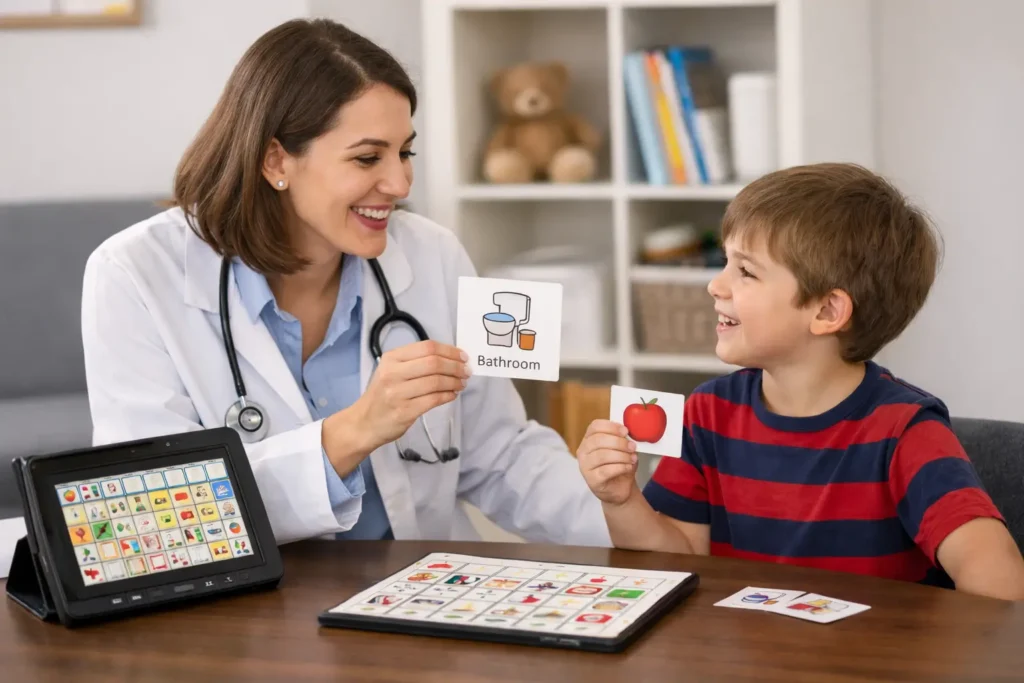
Speech therapy supports understanding, spoken language, social communication, alternative communication, and sometimes feeding or swallowing.
Occupational therapy may address fine motor control, sensory regulation, play, concentration, self-care, and participation at home or school.
Physical therapy focuses on posture, muscle strength, balance, coordination, mobility, and safer movement.
Educational and behavioral support helps the child apply their developing skills in real-life settings. These therapies are often most effective when specialists communicate and work toward shared goals.

Where Stem Cell Therapy May Fit Alongside Standard Care
Stem cell therapy for developmental delay may be reviewed as an additional approach alongside an established medical and rehabilitation plan. It is used alongside early intervention, medication when needed, seizure management, speech therapy, occupational therapy, physical therapy, and educational support.
Combined with conventional rehabilitation, it may help some children progress toward developmental milestones such as communication, motor coordination, attention, and self-care when used together with ongoing therapy.
How Stem Cell Therapy May Support Children With Developmental Delay
Stem cell treatment for developmental delay is considered based on the child’s underlying condition. Research in conditions such as autism, cerebral palsy, prematurity, and acquired brain injury is reviewed in its own clinical context and may help guide how similar approaches are evaluated for children with neurodevelopmental delay.
This is why treatment should be discussed only after the child’s diagnosis, developmental profile, and medical history have been reviewed.
How Stem Cells May Support Brain Development: What Current Research Suggests
Mesenchymal stromal cells (MSCs) are studied mainly for their indirect biological effects. They do not simply travel to the brain and replace large numbers of missing neurons. Instead, MSCs release growth factors, cytokines, extracellular vesicles, and other signaling molecules that communicate with nearby cells. This is often described as a paracrine effect.
These signals are being investigated for their potential to:
- modulate excessive inflammatory activity;
- support the survival and function of existing cells;
- encourage vascular and metabolic support around vulnerable tissue;
- influence communication between immune cells and nervous-system cells;
- create a more favorable environment for rehabilitation and learning.
Neuroinflammation, Cellular Signaling, and Brain Development Under Investigation
In some neurological conditions associated with developmental delay, persistent inflammation may interfere with communication between nerve cells, blood supply to vulnerable brain tissue, and the brain’s ability to adapt and form new functional connections. These processes can affect attention, learning, movement, communication, and participation in therapy.
MSCs are being studied for their ability to release anti-inflammatory and neuroprotective signaling molecules that may help regulate excessive inflammation, support the survival and function of existing nerve cells, and improve the cellular environment in which the child’s brain continues to mature.
This may be relevant to neuroplasticity—the developing brain’s ability to strengthen, reorganize, and form functional connections through experience and repeated practice. A more supportive biological environment may help the child respond to learning opportunities and participate more consistently in speech, occupational, or physical therapy.
These mechanisms provide the biological rationale for studying stem cell therapy for global developmental delay, although the available evidence differs between diagnoses and remains under investigation.
What Stem Cell Therapy Cannot Promise
No treatment can guarantee that a child will speak, walk independently, become fully self-sufficient, or reach a specific cognitive milestone after treatment.
Nor can a clinician say that stem cell therapy for developmental delay can cure the underlying condition. It cannot erase a genetic diagnosis, reverse all structural brain damage, or guarantee restoration of lost function. The treatment also cannot replace speech therapy, occupational therapy, physical therapy, medication, educational support, or ongoing pediatric care.
The realistic aim is to explore whether supportive biological changes may help a child participate more effectively in rehabilitation and everyday development. Results may be gradual, subtle, different from the changes a family expected, or absent.
What Improvements May Look Like in Daily Life
After stem cell treatment for developmental delay, parents may notice changes in their child’s everyday skills and behavior. To understand whether these changes are consistent, they should be observed over time and across different settings.
Potential Changes Parents May Notice
Possible changes reported in selected pediatric regenerative programs may include:
- longer attention during play or therapy;
- more frequent gestures, sounds, words, or communication attempts;
- increased interest in parents, siblings, or shared activities;
- better tolerance of movement or motor exercises;
- more active participation in dressing, feeding, or simple routines;
- improved engagement with speech, occupational, or physical therapy;
- better endurance during familiar activities;
- more consistent use of an existing skill.
These changes should not be interpreted as guaranteed milestones. For one child, progress may mean making choices more consistently with gestures or pictures. For another, it may mean maintaining attention long enough to follow a simple instruction.
For a child whose main concern is language, stem cell therapy for speech delay should be discussed in terms of communication attempts, interaction, attention, and therapy participation, not a guaranteed first word or sentence.
Patient Story: A Child’s Progress Before and After Stem Cell Therapy for Developmental Delay
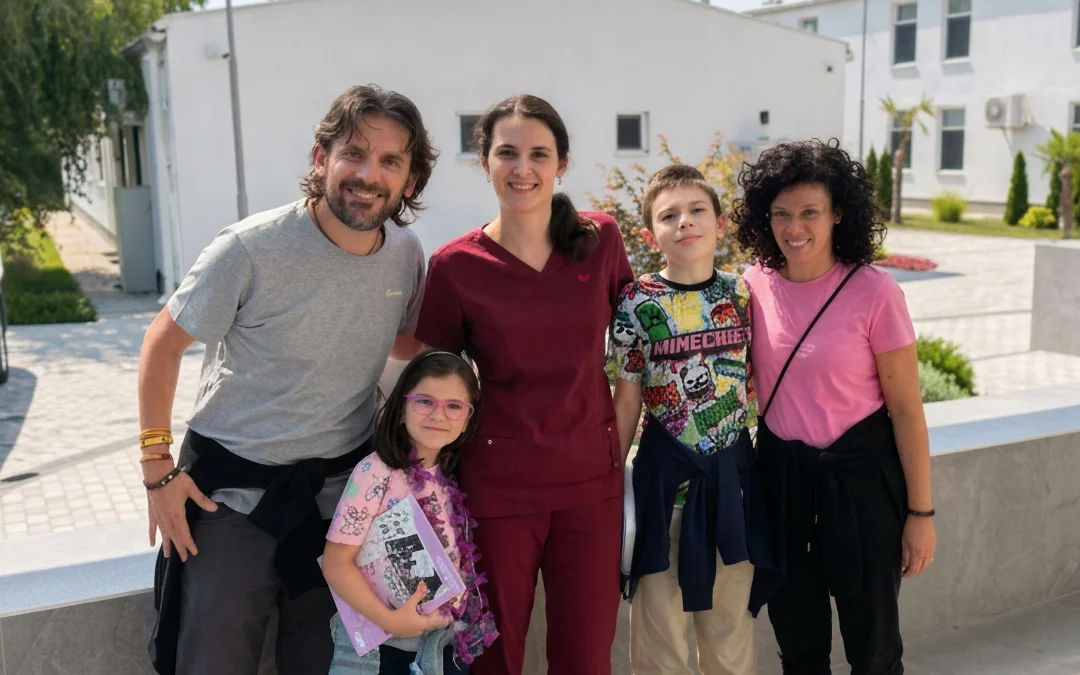
Dana, a mother from Amman, Jordan, came to Swiss Medica in Belgrade with her son Karim, who had developmental delays after hypoxia at birth. He had difficulties with walking, speech, school progress, memory, and expressing himself.
“Karim was speaking very little and could not really express himself. After treatment, we noticed that he became more energetic, started speaking better, and connected with us more. His writing, understanding, and behavior with friends also improved, and even his teachers and relatives noticed the difference. We are with him every day, so sometimes it is hard to see every change ourselves, but when people who had not seen him for a while said he was doing better, that made us truly happy.”

You can explore more impressive stories from patients on Swiss Medica’s official YouTube channel.
Why Results Can Differ Between Children
Results of stem cell therapy for global developmental delay can vary because developmental delay is not a single condition. Children may have different underlying diagnoses, levels of impairment, and rehabilitation needs, all of which can influence their response to treatment.
Other factors that may affect the outcome include:
- the underlying diagnosis;
- the child’s age and developmental stage;
- the severity and duration of the delay;
- epilepsy type and seizure control;
- cognitive and communication profile;
- muscle tone and motor limitations;
- hearing or vision difficulties;
- sleep, feeding, or behavioral problems;
- current medications;
- previous medical treatment;
- the intensity and quality of rehabilitation;
- family participation and opportunities to practice skills.
Which Children May Be Reviewed for Stem Cell Therapy?
Candidacy for stem cell therapy for developmental delay is based on medical history, not on a symptom checklist or an online description.
The medical team must understand what is causing the delay, which functions are affected, whether the condition is stable, and whether the potential benefits justify the risks and burden of treatment.
Children With a Confirmed Diagnosis or Well-Documented Developmental Delay
Doctors may consider stem cell treatment for developmental delay when a child has a confirmed neurological or developmental diagnosis or a well-documented delay supported by pediatric neurology notes, developmental assessments, and therapy reports.
Selected candidates may include children with cerebral palsy, autism, complications of prematurity, acquired brain injury, genetic conditions, or unexplained global developmental delay.
When Stem Cell Therapy May Not Be Appropriate
Stem cell therapy for developmental delay may be declined or postponed when the risks outweigh the potential benefits.
Possible contraindications may include the following:
- active infection;
- active oncology;
- uncontrolled medical instability;
- certain forms of poorly controlled epilepsy;
- serious contraindications to sedation or the proposed administration route;
- a progressive condition requiring urgent disease-specific treatment;
What Happens During Treatment at Swiss Medica?
At Swiss Medica, stem cell treatment for developmental delay is delivered within an established pediatric framework that physicians adapt to the child’s diagnosis, body weight, medical history, current function, and individual tolerance.
Medical Records and Therapy Reports Swiss Medica Reviews
Before travel, our medical team may review:
- formal developmental assessments;
- pediatric neurology or developmental pediatrics notes;
- speech therapy reports;
- occupational therapy reports;
- physical therapy reports;
- available MRI images and reports;
- EEG findings when seizures or abnormal movements are relevant;
- genetic or metabolic test results;
- hearing and vision assessments;
- hospital discharge summaries;
- current medications;
- previous treatment records.
The team also considers the child’s age and body weight, seizure history, general medical stability, participation in therapy, and realistic functional goals.
We first assess the examinations and reports already available. Additional testing is requested only when it is needed to evaluate safety, clarify the diagnosis, or prepare the treatment plan.
Planning Stem Cell Therapy for Developmental Delay Around the Child’s Needs
The composition is not selected from scratch without medical structure. Swiss Medica uses established treatment frameworks that are then adapted to the child’s diagnosis, body weight, health status, and individual risks.
The medical team may select:
- the cell source;
- the required cell quantity;
- dosage according to the child’s weight;
- administration routes;
- the number and timing of procedures;
- whether sedation is needed;
- additional cell-derived products;
- rehabilitation priorities;
- the monitoring plan;
- the length of the stay.
After arrival, the child undergoes the examinations and safety checks required to confirm eligibility. The planned program may be adjusted if the on-site findings differ from the information available before travel.
Programs commonly last between three and nine days, although the exact duration depends on the approved procedures and the child’s condition.
Stem Cell Therapy for Developmental Delay and Supportive Rehabilitation
Swiss Medica uses adult multipotent MSCs derived from ethically donated umbilical-cord and placental tissue. These tissues are obtained after healthy births with donor consent. We do not use embryonic or fetal cells.
For pediatric developmental programs, donor MSCs may be administered intravenously or intramuscularly, depending on the physician’s decision. Exosomes or secretome may be included to provide an additional source of cell-derived signals that support the same anti-inflammatory, neuroprotective, and tissue-supportive processes.
In some neurological cases, the medical team may also consider autologous neural stem cells (NSCs). These cells have the potential to differentiate into nervous-system cell lineages under appropriate conditions and are being investigated for their neuroprotective and tissue-supportive properties.
NSCs do not directly replace damaged brain tissue or guarantee the development of new skills, and their use is determined individually after a detailed medical assessment.
A pediatric program may combine supervised cell administration with condition-appropriate rehabilitation.
| Speech and communication therapy | Supports understanding and expression of language, improves ability to communicate needs, and may develop spoken words, gestures, or alternative communication systems |
| Occupational therapy | Helps develop fine motor skills, sensory regulation, attention, and independence in daily tasks such as dressing, feeding, and play |
| Kinesiotherapy | Focuses on improving movement patterns through therapeutic exercises, helping the child gain better control of body mechanics and functional movement |
| Physical rehabilitation | Aims to strengthen muscles, improve posture, and support safer mobility such as sitting, standing, or walking |
| Exercises supporting balance, coordination, and mobility | Improves stability and body awareness, helping the child move more confidently and reduce falls or uncoordinated movements |
| Activities focused on play and everyday independence | Encourages learning through structured play and daily routines, building practical life skills and social engagement |
Medical staff monitor the child during and after administration rather than treating the visit as a brief outpatient injection. Parents remain involved throughout the program. Mild sedation may be considered when necessary for the child’s comfort and procedural safety.
Follow-Up
After discharge, families receive recommendations for continued rehabilitation, home practice, and medical observation.
In selected cases, the plan may include home use of cell-derived products such as exosome preparations for a defined period. The medical team remains available for follow-up communication and reviews changes reported by the family and therapists.
An included follow-up visit may be recommended 3–6 months later to reassess the child’s function, safety, and next stage of care after stem cell therapy for developmental delay. Repeat treatment is not automatic and depends on the child’s response, current condition, and physician review.
Ongoing Therapy Remains an Essential Part of Development
Cell-based treatment is used alongside therapy, which helps children gain skills important for daily functioning through structured therapeutic activities and support.
Coordinating Care After Returning Home
After returning home, parents continue the child’s speech therapy, occupational therapy, physical rehabilitation, or other developmental support with local specialists. Discharge recommendations from Swiss Medica can help families understand which areas may require continued attention and what changes are useful to monitor.
Skills Continue to Develop Through Practice
Stem cell therapy for speech delay does not teach a child to speak by itself. Any possible changes in communication, attention, movement, or engagement need to be reinforced through regular therapy and everyday practice.
A new sound becomes useful communication when the child learns to use it to request, answer, protest, or interact. Improved balance becomes functional when the child practices sitting, standing, transferring, and walking safely.
Better hand control becomes greater independence through repeated play, feeding, dressing, and school activities.
For the same reason, therapists and caregivers can reinforce gestures, picture systems, vocal attempts, turn-taking, comprehension, and spoken language according to the child’s level. The goal is to help any emerging change develop into a repeated and useful skill in everyday life.
Why Therapy May Work Better When the Child Is More Engaged
If a child becomes calmer, more attentive, less fatigued, or more willing to participate, therapy sessions may become more productive. This should be described as an opportunity for practice, not proof of guaranteed synergy between cell therapy and rehabilitation.
Therapists should respond when they notice a possible new ability. If a child begins initiating more sounds, communication tasks can be expanded. If sitting balance improves, occupational and fine-motor activities may become more challenging.
How Progress Should Be Measured
A single good day is not enough to assess the results of stem cell therapy for global developmental delay. Progress is more credible when the same change is observed repeatedly and confirmed by more than one caregiver or professional.
Measuring Everyday Skills Over Time
Baseline information collected before stem cell treatment for developmental delay can make later comparisons more meaningful. Parents can report observed changes during follow-up communication and ask questions about the child’s response. Useful measures may include:
- standardized developmental assessments;
- speech, occupational, and physical therapy goals;
- the number of spontaneous communication attempts;
- the length of attention during a shared activity;
- the level of assistance required for sitting, standing, or walking;
- participation in feeding, dressing, play, or toileting;
- seizure or sleep logs when relevant;
- video recordings of the same task under similar conditions;
- records of mobility, communication, and daily living skills.
Based on this information, the doctor may provide further guidance on home practice, continued rehabilitation, medical observation, and whether an additional assessment may be appropriate.
Why Progress Is Best Evaluated Over Time
Development naturally fluctuates with sleep, illness, seizures, medication changes, routine, motivation, and unfamiliar environments.
One new word or one unusually successful therapy session may be encouraging, but it does not yet show a stable developmental change. Families should evaluate the same activities under similar conditions whenever possible.
Safety, Side Effects, and Questions Parents Should Ask Before Stem Cell Therapy for Developmental Delay
The safety of stem cell therapy for developmental delay depends on patient selection, cell processing, dosage, infection control, clinical monitoring, and the medical team’s ability to respond to possible reactions.
Possible Side Effects of Stem Cell Therapy
Parents often worry not only about whether treatment may help, but also about how their child will feel during and after each procedure. Understanding which reactions may occur, how long they usually last, and how the medical team monitors the child can make the treatment process more predictable and reduce unnecessary anxiety.
Possible side effects are usually mild and short-term and can include the following:
- low-grade fever;
- chills;
- fatigue;
- headache;
- nausea;
- temporary irritability;
- redness or discomfort at an injection site.
These effects are usually resolving within 24 hours. The child is monitored throughout treatment, and any symptoms are managed by the medical team as needed.
Questions Parents Should Ask Before Choosing a Clinic
Choosing a clinic can feel overwhelming, especially when families encounter very different treatment descriptions, prices, and promises online. Parents need enough information to understand how their child’s safety will be protected, what will actually be administered, and whether the proposed program is based on a careful medical assessment.
We recommend asking the provider the following questions:
- Which cells or cell-derived products will be used?
- Where do the cells come from?
- How is the dosage calculated?
- Which safety measures are emplemented?
- Who administers the treatment?
- How long is the child monitored after each procedure?
- Which rehabilitation services are included?
- What follow-up is provided?
Cost of Stem Cell Therapy for Developmental Delay
The cost of stem cell therapy for developmental delay cannot be judged based on the price of an injection alone.
At Swiss Medica, main treatment programs generally range from€7,700 to €25,000*, depending on the medical plan. A final estimate is provided only after the child’s records have been reviewed.
*Prices are indicative and based on 2026 estimates; they may vary depending on condition severity and required cell quantity.
Why Treatment Costs Depend on the Child’s Needs
Several factors may influence stem cell therapy cost:
| Medical condition | Diagnosis and severity of developmental delay |
| Neurological status | Neurological history and epilepsy or other medical risks |
| Treatment complexity | Cell source and quantity, administration routes, number of treatment sessions |
| Hospital stay | Length of stay |
| Support services | Accommodation for the child and accompanying family member |
Why Comparing Treatment Programs Is More Helpful Than Comparing Prices
Two clinics may both describe their approach as “stem cell treatment” while offering very different treatment protocols and standards of care.
A lower quoted price may cover only cell administration, while diagnostics, monitoring, rehabilitation, accommodation, or follow-up care may need to be arranged and paid for separately.
What a Swiss Medica Pediatric Program May Include
Swiss Medica clinic provides full-cycle care, supporting the child and family at every stage—from the initial medical assessment through treatment and follow-up. This comprehensive approach allows families to receive all necessary care within one structured program rather than arranging separate services on their own.
Why Families Choose Swiss Medica for Developmental Delay Treatment
For parents of a child with developmental delay, treatment abroad involves more than medical procedures. The child may depend on a familiar routine, find new environments stressful, struggle to communicate discomfort, or need help with movement and everyday activities.
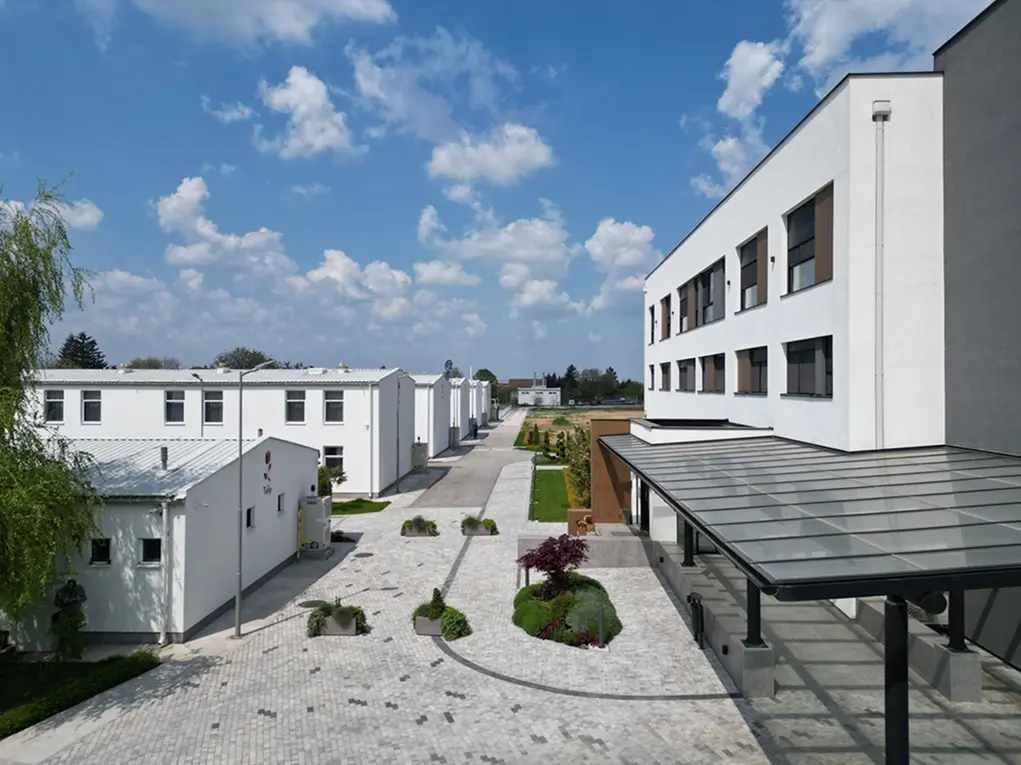
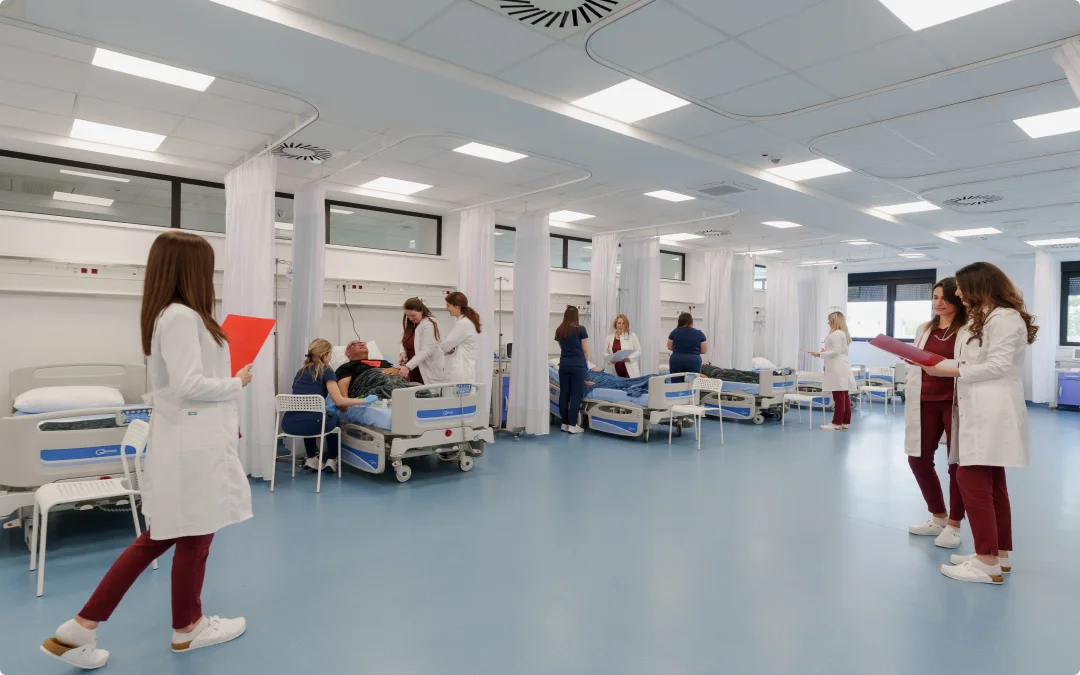
To make the stay more manageable, Swiss Medica brings treatment, monitoring, accommodation, meals, and family support together at its hospital in Belgrade, Serbia. The child can rest between procedures without travelling to another location, while parents can remain nearby and focus on their child rather than organizing separate services.
Individual Pediatric Assessment Before Treatment
Every child with developmental delay has a different medical history, combination of symptoms, and level of everyday functioning. An individual pediatric assessment before stem cell treatment for developmental delay helps our doctors look beyond the general diagnosis and understand the child’s specific needs, possible risks, and realistic treatment goals.
This reduces the risk of offering the same program to children with very different conditions. It also helps families receive a clear medical opinion before travelling, including whether treatment may be appropriate.
After arrival, the child’s current condition is reassessed so that any important changes can be identified before treatment begins. For parents, this means that the final decision is based on the child’s actual condition rather than only on records submitted in advance.
In-House Cell Processing and Quality Standards
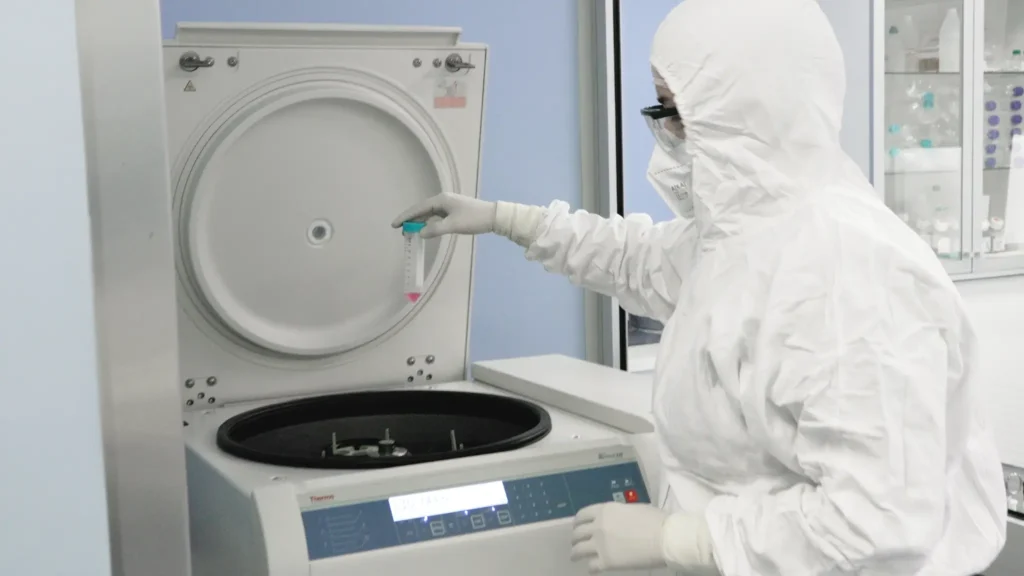
We prepare MSCs in our own GMP laboratory and store biomedical products in our in-house cryobank. This allows the clinic to control the entire process—from donor screening and laboratory preparation to storage, quality testing, and administration—without relying on external laboratories or unnecessary transportation.
For families, this means greater transparency and confidence that the product is prepared and tested within the same medical system responsible for the child’s treatment.
Each MSC batch typically reaches 95–98% cell viability, meaning that nearly all cells remain alive and functional before administration. This helps ensure that the prepared dose contains the intended number of active cells and meets the required quality standards.
Personalized Follow-Up and Guidance for Parents
For many parents, the most uncertain period begins after returning home, when they need to understand whether the child’s response is expected and whether observed changes are meaningful. Swiss Medica provides medical follow-up for three to six months, so families can contact the team with questions instead of interpreting every reaction or change on their own.
This continued access to the doctor gives parents greater clarity and reassurance as the child resumes everyday life and therapy with local specialists. It also helps the family evaluate progress over time rather than drawing conclusions from one unusually good or difficult week.
After the follow-up period, families are invited to return to the clinic for a complimentary assessment of the child’s progress. They only need to cover their travel expenses.
International Patient Support in Serbia
Travelling with a child who has developmental, communication, sensory, or mobility difficulties can feel overwhelming. Parents may worry about unfamiliar food, disrupted routines, transport between appointments, language barriers, or whether they will be able to remain close to their child throughout treatment.
At Swiss Medica, we organize the stay so that families can focus on the child rather than managing every practical detail themselves. Support may include:
- private accommodation within the hospital, allowing the child to rest between procedures without additional travel;
- accommodation for accompanying parents or family members;
- meals adapted to the child’s preferences and usual eating habits;
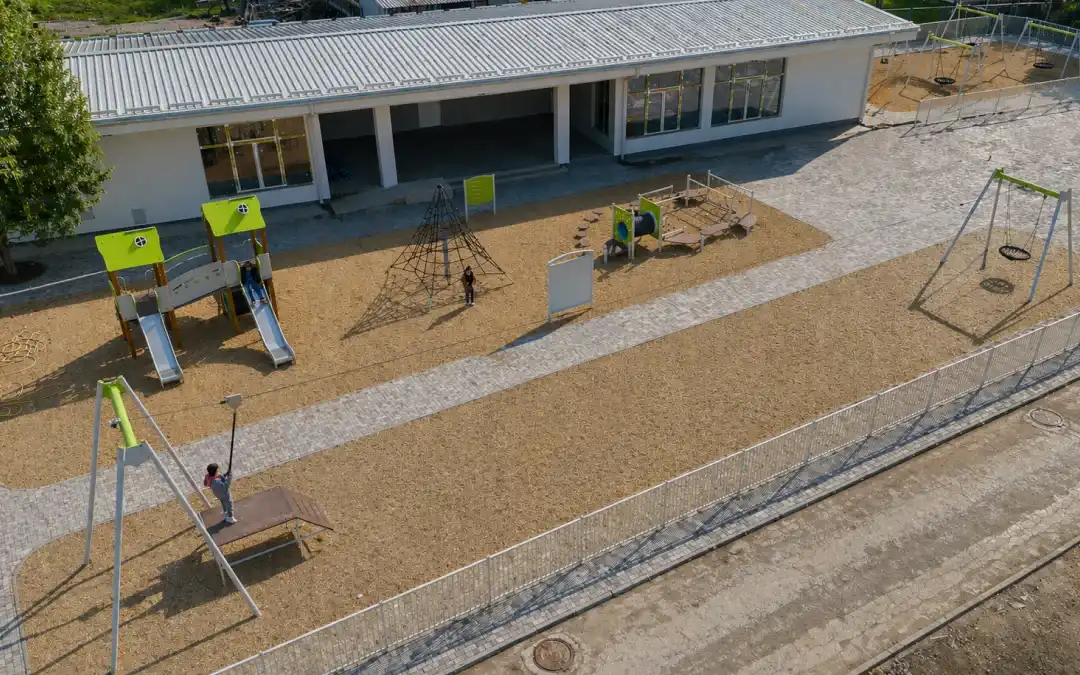
- play areas where younger patients can relax in a less clinical environment;
- accessible spaces for children with limited mobility;
- airport transfers and assistance with everyday logistics;
- language support throughout the visit.
Parents remain involved during the pediatric program and can stay close to their child. Medical staff are experienced in working with children who may find examinations or procedures difficult, and mild sedation may be considered when medically appropriate.
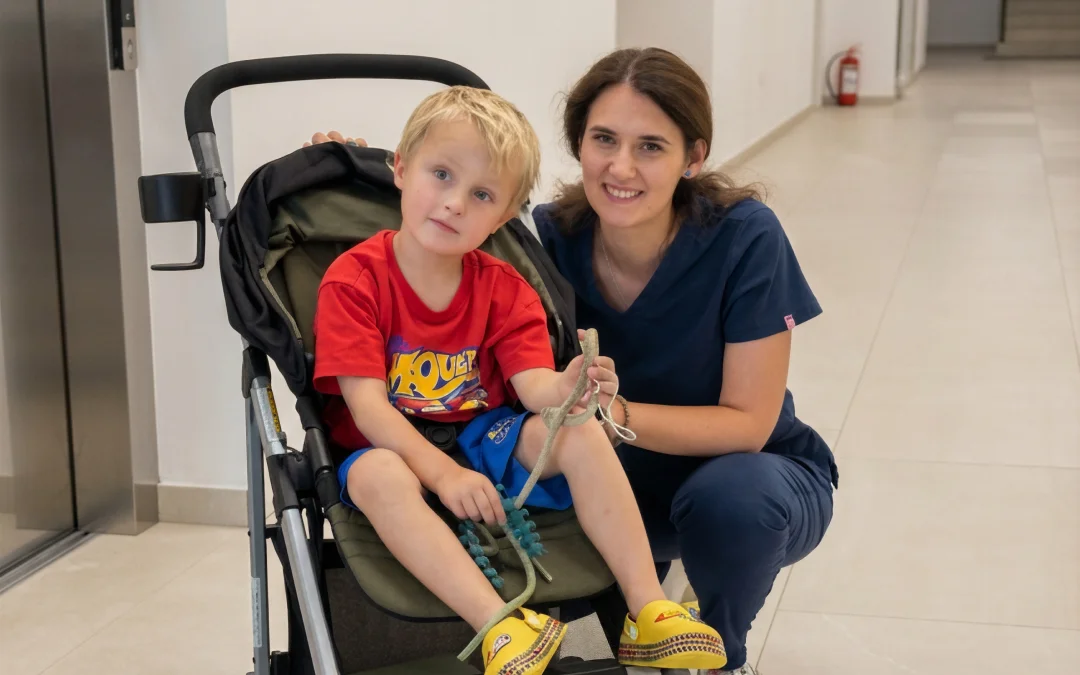
Speak With a Medical Advisor About Your Child’s Development
We understand that deciding whether to pursue additional treatment can be difficult, particularly when developmental delay has no simple cause and families encounter conflicting information online.
The clearest way to understand whether stem cell therapy for developmental delay may be considered for your child is to begin with a free online consultation with a regenerative medicine specialist.
Before the consultation, families can submit available medical records, developmental assessments, therapy reports, neurological findings, and information about current treatment. Our doctors review the child’s case and explain the potential goals, limitations, safety considerations, and possible next steps.
There is no pressure to proceed. The consultation is intended to provide clear medical guidance and help parents make a more informed decision about their child’s care.
Send a request
Book a free online consultation to discuss your child’s case with our medical team.

Medical Advisor, Swiss Medica doctor
FAQ
1. What is the best treatment for developmental delay?
The best plan depends on the cause and the developmental areas affected. Early intervention, speech therapy, occupational therapy, physical therapy, educational support, and treatment of associated medical problems form the foundation. Additional approaches should be considered only after evaluation by appropriate pediatric specialists.
2. Is stem cell therapy safe for children?
MSC therapy has shown a generally favorable safety profile in clinical research, but no procedure is risk-free. Safety depends on careful screening, appropriate dosing, tested cell products, qualified administration, the proposed delivery route, and medical monitoring before, during, and after treatment.
3. Can stem cell therapy for developmental delay cure the condition?
Stem cell therapy for developmental delay cannot be considered a guaranteed cure. Developmental delay can have many underlying causes, and treatment outcomes vary from child to child. Stem cell–based therapy is being explored as a supportive approach that may help improve neurological function, communication, attention, motor skills, or overall development in selected patients. It should complement, rather than replace, established interventions such as speech therapy, occupational therapy, physiotherapy, and behavioral support.
4. Can stem cell therapy help with developmental delay?
Stem cell therapy for developmental delay may be reviewed for selected children, particularly when a neurological diagnosis is documented. Potential changes should be evaluated through objective functional measures and alongside established developmental therapies.
5. Can stem cells help a child speak?
No treatment can guarantee speech. Stem cell therapy for speech delay may be discussed as supportive care when language difficulties are part of a broader neurological condition. Hearing assessment, speech-language therapy, communication opportunities, and repeated practice remain essential.
6. Can stem cell therapy help motor delay or walking?
Some children may show changes in balance, endurance, coordination, or participation in physical therapy, but independent walking cannot be promised. Outcomes depend on the cause of motor delay, muscle tone, joint condition, cognition, brain injury, and rehabilitation intensity.
7. Does stem cell therapy replace speech therapy, OT, or PT?
No. Cell-based treatment does not teach developmental skills. Speech therapy, occupational therapy, and physical therapy provide the repeated practice needed to develop communication, movement, play, and independence. These therapies should continue according to the child’s clinical and educational plan.
8. Who may be reviewed for developmental delay stem cell treatment?
Children with a confirmed diagnosis or well-documented developmental difficulties may be reviewed. Doctors consider age, weight, neurological findings, developmental assessments, seizure history, medical stability, medications, previous treatment, rehabilitation participation, and realistic functional goals.
9. What are the risks of stem cell therapy for children?
Possible risks include fever, headache, fatigue, nausea, injection-site discomfort, infection, infusion reactions, clotting complications, and risks related to sedation or invasive administration. The exact risk profile depends on the product, dosage, route, and child’s medical condition.
10. How much does stem cell therapy for developmental delay cost?
The price depends on the child’s diagnosis, weight, required cell quantity, administration routes, number of procedures, monitoring, rehabilitation, accommodation, and follow-up. Swiss Medica provides an individualized estimate after doctors review the child’s medical records and proposed program with a cost range from €7,700 to €25,000*.
*Prices are indicative and based on 2026 estimates; they may vary depending on condition severity and required cell quantity.
11. What records are needed before a child’s consultation?
Families should provide pediatric neurology or developmental notes, developmental assessments, therapy reports, current medication lists, and relevant MRI, EEG, genetic, metabolic, hearing, or vision results. The medical team will confirm which documents are essential for the individual case.
References:
Eggenberger S, Boucard C, Schoeberlein A, Guzman R, Limacher A, Surbek D, Mueller M. Stem cell treatment and cerebral palsy: Systemic review and meta-analysis. World J Stem Cells. 2019 Oct 26;11(10):891-903. doi: 10.4252/wjsc.v11.i10.891. PMID: 31692977; PMCID: PMC6828595.
Novak I, Walker K, Hunt RW, Wallace EM, Fahey M, Badawi N. Concise Review: Stem Cell Interventions for People With Cerebral Palsy: Systematic Review With Meta-Analysis. Stem Cells Transl Med. 2016 Aug;5(8):1014-25. doi: 10.5966/sctm.2015-0372. Epub 2016 May 31. PMID: 27245364; PMCID: PMC4954458.
Villarreal-Martínez L, González-Martínez G, Sáenz-Flores M, Bautista-Gómez AJ, González-Martínez A, Ortiz-Castillo M, Robles-Sáenz DA, Garza-López E. Stem Cell Therapy in the Treatment of Patients With Autism Spectrum Disorder: a Systematic Review and Meta-analysis. Stem Cell Rev Rep. 2022 Jan;18(1):155-164. doi: 10.1007/s12015-021-10257-0. Epub 2021 Sep 13. PMID: 34515938.
Price J. Cell therapy approaches to autism: a review of clinical trial data. Mol Autism. 2020 May 24;11(1):37. doi: 10.1186/s13229-020-00348-z. PMID: 32448347; PMCID: PMC7245880.


MD, Pediatrician, Regenerative Medicine Specialist