swiss medicaXXI century S.A.
A plaque can fade, itching can ease, and treatment can seem to be working—only for psoriasis to flare again. The disease is not limited to what appears on the skin; it is driven by underlying immune-system dysregulation.
Stem cell therapy for psoriasis is being explored as a way to influence the immune system changes that drive the condition. This article explains the biological rationale, current research, possible limitations, safety considerations, and how a personalized program may be structured.
Psoriasis Is More Than a Skin Condition
Although psoriasis is most visible on the skin, the condition also involves the immune system. Dysregulated immune activity can trigger inflammation and speed up skin-cell turnover, which contributes to plaque formation, scaling, and itching. This helps explain why psoriasis often returns after periods of improvement and why many treatments are designed to target immune pathways rather than the skin alone.
How Immune Activity Produces Psoriatic Plaques
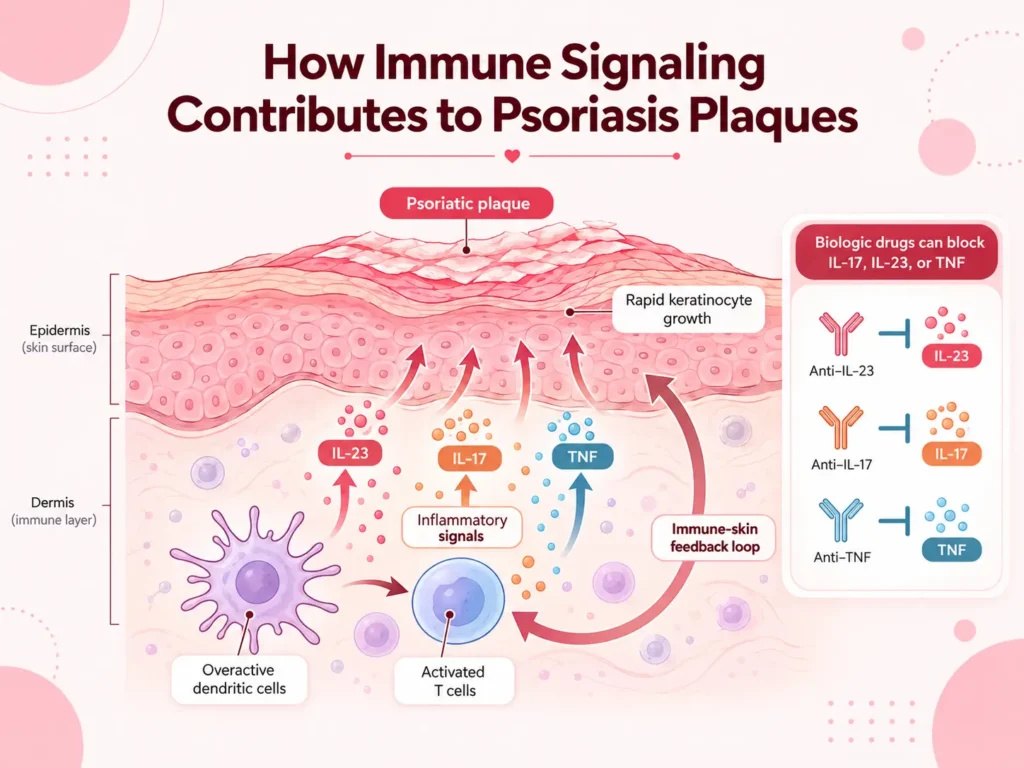
Dendritic cells and T cells are immune cells that normally help the body fight infection; in psoriasis, they become overactive and send out inflammatory signals even when there is no infection to fight.
Keratinocytes are simply the skin cells that make up the outer layer of skin—they normally mature and shed within about a month, but inflammatory signals push them to multiply far faster than that, which is what builds up a plaque.
The immune system and skin cells then keep reinforcing each other: immune cells send signals that stimulate the skin, and the inflamed skin helps sustain the immune response. One important communication route involves proteins called IL-23, IL-17, and TNF.
Many modern biologic treatments for psoriasis were designed around this process. Rather than broadly suppressing the immune system, they block one of these specific inflammatory signals.
Symptoms Extend Beyond Visible Plaques
Psoriasis symptoms go well beyond the visible plaques themselves:
- Plaques that itch, burn, crack, bleed, or feel sore
- Nails that become pitted or thickened
- Joint pain or stiffness, which may signal psoriatic arthritis
- Reduced quality of work, exercise, confidence, and social life
- Fatigue, documented as particularly pronounced when psoriatic arthritis is also present, and a substantially higher rate of sleep disturbance in people with psoriasis generally
Taken together, these symptoms demonstrate that visible plaques alone do not reflect the overall burden of psoriasis. Even limited skin involvement may cause significant itching or discomfort and interfere with sleep or daily activities, while nail changes, joint symptoms, and fatigue can add to the impact of the disease.
Psoriasis May Be Associated With Other Health Conditions
The burden can grow heavier still when psoriasis does not occur on its own. The American Academy of Dermatology and National Psoriasis Foundation (AAD-NPF) guideline describes psoriasis as a chronic inflammatory disease that can involve more than the skin, recommending attention to psoriatic arthritis, cardiovascular and metabolic risk, inflammatory bowel disease, and mental health, not just the skin lesions alone. New joint symptoms or a major change in general health can change the treatment plan.
Why Psoriasis Can Be Difficult to Control
Between flare-ups, related conditions, and a treatment response that can shift over time, keeping psoriasis under control is rarely a straight line.
Disease Activity and Symptoms Can Change Over Time
Psoriasis often moves through periods of improvement (remission) and relapse. Plaques may change in location or extent from one flare to the next, and a treatment that controls the disease well at one point does not always keep working the same way indefinitely.
Triggers Differ Between Patients
Common disease triggers may include:
- stress;
- infections;
- skin injury;
- smoking or alcohol;
- certain medications;
- environmental or weather changes.
Identifying a personal trigger can help some patients reduce flares, though it does not remove the underlying disease.
Treatment Response Is Individual
Treatment response can differ considerably between patients; a therapy that works well for one person may be only partially effective, poorly tolerated, or unsuitable for another. Even a treatment that initially works well can become less effective over time.
A difficult-to-control flare does not automatically mean established psoriasis care has been exhausted; it usually means the plan itself needs a closer look.
Standard Psoriasis Treatment Comes First
Any treatment plan should begin with a review of established treatment options. Exploring stem cell therapy for psoriasis does not mean stepping away from these options—it is something patients typically consider alongside a defined, established clinical pathway, not instead of it.
| Treatment category | Typical role |
| Topical therapies | Often first-line for limited or mild-to-moderate disease |
| Phototherapy | Controlled ultraviolet treatment when topical care is not enough |
| Non-biologic systemic drugs | Act on immune activity throughout the body |
| Biologics / targeted therapies | Target specific pathways such as TNF, IL-17, or IL-23 |
| Supportive management | Skin care, trigger management, smoking cessation, and general health support |
Topical Treatments and Phototherapy
According to NICE guidance, topical treatment is generally used first—creams and ointments applied directly onto the skin—such as corticosteroid creams, vitamin D creams, and moisturizers, which help calm inflammation and reduce scaling in limited or mild-to-moderate disease.
When topical treatments are not enough, phototherapy is often considered next. This involves controlled exposure to ultraviolet light—most commonly narrowband UVB—under medical supervision.
Systemic Medications and Biologics
More extensive or high-impact psoriasis may require systemic treatment. Options include non-biologic medications, such as methotrexate, ciclosporin, or oral targeted therapies, as well as biologics that block specific inflammatory pathways involved in psoriasis. These treatments aim to reduce disease activity and improve symptom control.
When the Treatment Plan May Need to Change
A plan may need to change for several reasons:
- inadequate disease control;
- loss of response;
- adverse effects;
- contraindications;
- difficulty following the treatment schedule;
- new joint symptoms or other health conditions;
- a major effect on quality of life despite treatment.
The usual next step is reassessment by a dermatologist, not independently stopping treatment or replacing it with a potentially supportive cell-based approach, such as mesenchymal stem cell therapy, which is still being studied.
Get a free online consultation
Stem cell therapy could help you manage flare-ups and restore your skin. Fill out the form for a free online consultation with one of our experts to learn more.

Medical Advisor, Swiss Medica doctor
Why Mesenchymal Stem Cells Are Being Studied for Psoriasis
Interest in mesenchymal stem cell therapy for psoriasis is based on the immunomodulatory and signaling properties of MSCs. Rather than replacing affected skin, MSCs are studied for how the signals they release may influence immune communication and the inflammatory environment.
Mesenchymal Stem Cells and Immune Regulation
MSCs release cytokines, growth factors, and extracellular vesicles. Researchers are studying whether this signaling can help regulate immune-cell behavior and the inflammatory environment involved in psoriasis, a rationale also explored more broadly in stem cell therapy for autoimmune diseases, with evidence continuing to build across different diagnoses.
T Cells, Cytokines, and Inflammatory Signaling
Researchers are particularly interested in whether mesenchymal stem cell treatment for psoriasis may influence regulatory T cells, Th17 activity, and inflammatory cytokines, since the IL-23/Th17/IL-17 axis is central to psoriatic inflammation.
One human study found changes in these markers alongside clinical responses, and larger studies are now needed to understand why response can vary from patient to patient.
What “Skin Repair” Means in This Context
Stem cell therapy for plaque psoriasis is not designed to patch plaques with new skin cells. The research idea is different: changes in inflammatory signaling may create conditions in which epidermal turnover and skin-barrier function become better regulated.
Important distinction: Immune modulation may help explain why MSCs are being studied for psoriasis, but on its own it does not establish durable remission or guaranteed plaque clearance.
What Does Research Say About Stem Cells for Psoriasis?
Research into stem cell treatment for psoriasis is ongoing: available studies use different cell sources and protocols, and systematic reviews of the field continue to call for larger, more rigorous studies that will help build a clearer picture over time.
Early Human Studies and Case Reports
Researchers often use the Psoriasis Area and Severity Index (PASI) to measure treatment response. PASI reflects both how much of the skin is affected and how severe the psoriasis is. Improvement is usually reported as a percentage reduction from the baseline score; for example, PASI-50 means the score has decreased by at least 50%.
In a 2022 phase 1/2a single-arm study of 17 patients, 8 improved by at least 40% after six months, including 6 who reached at least 75% improvement and 3 who exceeded 90%. The other 9 showed limited or minimal improvement.
A 2021 pilot trial of adipose-derived stem cell treatment for psoriasis included seven people with moderate-to-severe disease. Four completed treatments, and only two reached one-year follow-up; both maintained at least a 50% PASI improvement. No serious adverse events were linked to the cells, but the study was too small to draw firm conclusions.
What Stem Cell Therapy for Psoriasis Cannot Promise
Because stem cell therapy for psoriasis is still being studied, it is important to be clear about what this treatment cannot currently promise:
- a cure;
- permanent remission;
- complete plaque clearance;
- a specific PASI improvement;
- prevention of every future flare;
- freedom from dermatological monitoring;
- safe discontinuation of prescribed topical, systemic, or biologic treatment without guidance from the treating clinician.
However, for patients considering stem cell therapy for plaque psoriasis, an improvement in redness, scaling, or itching may be meaningful, even though it would not on its own prove the disease has been permanently eliminated.
Who May Be Considered for Stem Cell Treatment for Psoriasis?
Stem cell therapy for psoriasis may be considered for selected patients when the disease remains difficult to control or when standard treatment options are limited by response, side effects, or contraindications. Suitability is determined after an individual medical review. This includes the patient’s disease history, current treatment plan, and overall health.
Patients With Persistent or Recurrent Disease
Some patients explore additional options because the ongoing treatment has not provided sufficient or lasting control. Others may have experienced significant side effects or have contraindications to a particular treatment.
Medical Conditions That Require Careful Review
Before any regenerative medicine for psoriasis program is considered, doctors need to review factors such as:
- active infection;
- active or recent cancer;
- pregnancy or breastfeeding;
- clotting problems;
- serious cardiovascular, liver, or kidney disease;
- other immune-mediated conditions;
- current immunosuppressive or biologic therapy.
Depending on the condition, some of these factors may mean treatment should be postponed or may not be appropriate, while others simply require specialist input or coordination with the patient’s existing care.
How Swiss Medica Personalizes the Psoriasis Program
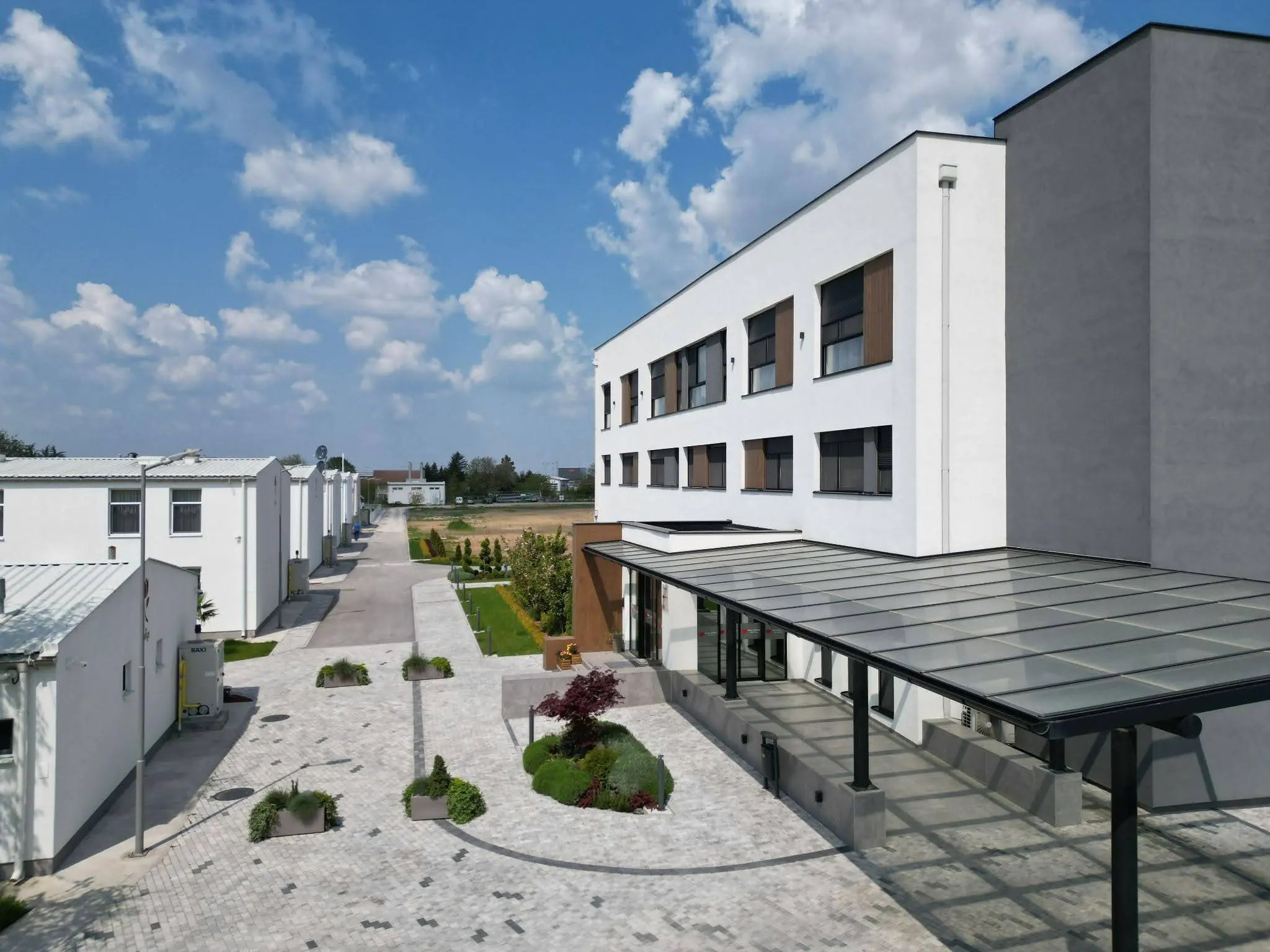
Swiss Medica is a regenerative medicine hospital in Belgrade, Serbia, that coordinates medical assessment, cell-based treatment, supportive care, and monitoring within one program. Each treatment plan is tailored to the individual patient and reviewed at several stages throughout the process.
Medical Records Review and Online Consultation
The process begins before the patient travels to Belgrade. During an online consultation, doctors review the diagnosis, treatment history, current symptoms, and available medical records. This gives the patient an initial medical assessment before travel and helps the team understand which factors may influence the treatment plan.
Doctors may review:
- a confirmed psoriasis diagnosis and clinical subtype, where documented;
- recent photographs of affected skin;
- disease duration, flare history, and current disease activity;
- previous and current treatments;
- available PASI, body surface area (BSA), or Dermatology Life Quality Index (DLQI) scores;
- joint symptoms and other medical conditions;
- recent laboratory results.
If important information is missing, doctors may request additional tests.
Selecting the Cell Source, Dose, and Administration Route
After arrival at Swiss Medica, the patient is assessed in person before the final treatment plan is confirmed. Doctors compare the current condition with the information reviewed online and may adjust the preliminary recommendations based on the examination and additional test results.
Swiss Medica uses adult multipotent mesenchymal stromal cells (MSCs). Donor MSCs are mainly derived from placental and umbilical-cord tissue, while a patient’s own (autologous) cells may be obtained from bone marrow or adipose tissue in selected cases.
An established treatment protocol guides care, but the physician determines its application in each case. This includes decisions about the cell product, dose, delivery route, number of administrations, treatment timing, and monitoring.
Supportive Therapies During Treatment and Monitoring
Stem cell treatment is not the only component of the program. Supportive therapies may be added to address broader health needs and support recovery.
Depending on the individual plan, these may include:
- IMR therapy—individualized IV infusions with selected vitamins, minerals, amino acids, antioxidants, and other nutrients to support metabolic and general recovery needs.
- Exosome therapy—uses tiny cell-derived particles that carry proteins, RNA, and other biologically active molecules between cells. In selected protocols, exosomes may be used alongside stem cell therapy to support cell-to-cell signaling, inflammation regulation, and recovery-related processes.
- MBST (magnetic resonance-based stimulation therapy)—may be considered when psoriasis is accompanied by joint or other musculoskeletal symptoms, particularly in patients with psoriatic arthritis.
- Spark Wave Therapy (SWT)—may be considered to help manage local pain and stiffness in patients with musculoskeletal symptoms, particularly those with psoriatic arthritis.
The exact combination is selected by the physician according to the patient’s condition and treatment protocol. Patients remain under medical supervision throughout their stay, allowing the team to monitor their condition and adjust supportive care when clinically appropriate.
Safety, Side Effects and Medical Monitoring
The safety of stem cell therapy for psoriasis depends on the cell product, how it is prepared and administered, and the patient’s individual health. These factors are reviewed as part of treatment planning so that the dose, administration route, and monitoring approach are selected for the individual case.
Why Laboratory Quality Control Matters
At Swiss Medica, cell-based products are prepared in an in-house stem cell laboratory that meets EU GMP Grade A cleanliness standards. Quality checks include cell identity, sterility, viability, and other product-specific parameters.
Keeping cell preparation and quality control within the same medical system allows the laboratory and clinical teams to coordinate the product with the treatment plan.
Possible Short-Term Reactions
A 2021 meta-analysis of 62 randomized trials involving more than 3,500 participants found no overall increase in serious adverse events with MSC therapy. However, short-term reactions may occur, including:
- temporary fever or chills;
- fatigue or headache;
- nausea or dizziness;
- discomfort at an injection or collection site;
- temporary changes in laboratory values.
Patients are monitored throughout administration and during their stay so that any adverse reactions can be identified and managed promptly.
What Results May Patients Notice, and When?
Changes after stem cell therapy for plaque psoriasis are often gradual and differ from one patient to another. Possible improvements may include less redness, scaling, itching, or fewer flare-ups, but some patients may see little or no measurable benefit.
Doctors can assess both visible skin changes and how psoriasis affects daily life, including:
- plaque redness, thickness, and scaling;
- itching and discomfort;
- frequency and severity of flare-ups;
- affected body surface area;
- PASI and other disease-severity measures;
- sleep and day-to-day impact.
Follow-up is important because it helps distinguish measurable changes from the natural fluctuations of a relapsing disease.
A Published Patient Case: Psoriasis and Stem Cell Therapy
A published case report described a 47-year-old man who had lived with plaque psoriasis since 1995, more than two decades, and received three rounds of minimally manipulated umbilical-cord-derived MSC therapy over two weeks.
By 122 days after treatment, his PASI score had fallen from 9.9 to 1.7 and his DLQI, a separate quality-of-life score, from 27 to 3, with the report noting that visible redness had resolved and no recurrence during the five-month follow-up period.
This account describes one published case. It does not guarantee that other patients will experience the same changes, as outcomes depend on disease characteristics, previous treatment, general health, and individual response.
How Much Does Stem Cell Therapy for Psoriasis Cost?
Patients comparing stem cell treatment clinics in Europe should compare the full program rather than a single-infusion price.
Psoriasis treatment costs depend on more than a single number: the country where treatment is provided, the cell product and quantity, the route and number of administrations, required testing, length of stay, and monitoring needs.
| Country / region | Approximate published price range | What the price typically covers |
| United States | $10,000–$35,000 | Broader private-market estimates for MSC treatment; testing, follow-up, travel, and accommodation may be separate. |
| United Kingdom | £5,000–£50,000 | Published prices for stem cell therapy for psoriasis in the UK are limited, so this range reflects private experimental stem cell procedures more broadly; inclusions vary by provider. |
| Serbia (Swiss Medica) | €7,700–€45,000* | A personalized program that may include medical assessment, cell-based treatment, supportive therapies, monitoring, accommodation, meals, and follow-up. |
What Is Included in the Swiss Medica Program?
At Swiss Medica, treatment programs generally range from €7,700 to €45,000*, with the exact estimate provided only after medical review.
The cost covers more than a single administration. Patients receive a structured, hospital-level program built around medical assessment, treatment, monitoring, and follow-up care. Exact inclusions depend on the individual program and are explained in the treatment proposal before the patient travels.
Patients can also read more about Swiss Medica to understand the facilities, laboratory model, and support offered to international patients.
*Prices are indicative and based on 2026 estimates; they may vary depending on condition severity and required cell quantity.


Start With a Free Medical Review
If psoriasis remains difficult to control despite treatment, a medical review can help determine whether stem cell therapy may be appropriate to consider.
Fill out the consultation form and attach relevant information about your diagnosis, treatment history, and current health.
Swiss Medica doctors can review your case, discuss whether stem cell therapy for psoriasis may be appropriate, and provide a preliminary treatment plan and cost estimate if suitable.
Medical Advisor, Swiss Medica doctor
FAQ
1. Can stem cell therapy cure psoriasis?
Stem cell therapy is not considered a cure for psoriasis. Its potential role is to help regulate immune activity and the inflammatory environment, which may support symptom control and complement standard psoriasis treatments in selected patients. The degree and duration of improvement can vary from person to person.
2. Is stem cell therapy for psoriasis an approved standard treatment?
FDA approval requires condition-specific evidence of safety and effectiveness, and that process has not yet been completed for MSC products for psoriasis. Research is ongoing, and cell-based approaches are already being explored clinically in different countries.
3. How might stem cells affect psoriasis?
MSCs are studied mainly for their signaling and immune-regulating effects. Researchers are investigating whether these signals can influence regulatory T cells, Th17 activity, inflammatory cytokines, and the skin’s tissue environment. This rationale does not mean MSCs directly replace affected skin or guarantee visible improvement.
4. What types of stem cells are being studied for psoriasis?
Human studies have used umbilical-cord-derived and adipose-derived mesenchymal stromal cells at different doses and by different administration methods. Because the studies are small and protocols vary, there is no single, universally established cell source, dose, or route for psoriasis.
5. Who may be considered for psoriasis stem cell treatment?
Stem cell treatment for psoriasis may be considered for selected patients with persistent or recurrent psoriasis that has not been sufficiently controlled with topical treatments, phototherapy, systemic medications, or biologics. It may also be explored when some standard options cannot be tolerated or are contraindicated. Final suitability depends on individual medical assessment.
6. What are the potential risks of stem cell therapy for psoriasis?
Possible short-term side effects include fever, tiredness, headache, nausea, dizziness, and local discomfort after administration. Broader risk depends on cell sourcing, processing, sterility, dose, the patient’s health, and monitoring, which is why product quality and careful patient selection both matter.
7. How much does psoriasis stem cell treatment cost at Swiss Medica?
Swiss Medica’s main treatment programs generally range from €7,700 to €45,000*. The final amount is set after medical review and depends on the cell product, dose, route, program duration, monitoring, and other approved components rather than a fixed price for a single injection.
*Prices are indicative and based on 2026 estimates; they may vary depending on condition severity and required cell quantity.
8. How long does the Swiss Medica treatment program take?
For most conditions, treatment is structured around roughly 3–9 days of in-clinic care, though duration can vary with the approved plan and medical needs. The exact schedule is set only after the case has been reviewed.
9. Can I stop taking psoriasis medication after stem cell therapy?
Not without the prescribing doctor’s guidance. A response to cell-based treatment does not prove that psoriasis has permanently gone into remission, and stopping topical, systemic, or biologic treatment on your own can lead to loss of disease control or other problems.
10. Where can I get stem cell therapy for psoriasis?
Swiss Medica in Belgrade, Serbia, offers medical evaluation and individualized stem cell treatment programs for patients with psoriasis. Similar treatment options may be available in other countries, but protocols and regulations vary. When comparing providers, consider medical screening, cell sourcing and processing, quality control, safety monitoring, and realistic treatment claims.
References:
American Academy of Dermatology & National Psoriasis Foundation. Joint AAD-NPF guidelines of care for the management and treatment of psoriasis with awareness and attention to comorbidities. J Am Acad Dermatol. 2019.
National Institute for Health and Care Excellence. Psoriasis: assessment and management. CG153.
Potestio L, Martora F, Lauletta G, et al. The Role of Interleukin 23/17 Axis in Psoriasis Management: A Comprehensive Review of Clinical Trials. Clin Cosmet Investig Dermatol. 2024. PMID: 38616886.
Cheng L, Wang S, Peng C, et al. Human umbilical cord mesenchymal stem cells for psoriasis: a phase 1/2a, single-arm study. Signal Transduct Target Ther. 2022;7:263. doi:10.1038/s41392-022-01059-y.
Diotallevi F, Di Vincenzo M, Martina E, et al. Mesenchymal Stem Cells and Psoriasis: Systematic Review. Int J Mol Sci. 2022;23(23):15080. PMID: 36499401.
Yao D, Ye S, He Z, et al. Adipose-derived mesenchymal stem cells (AD-MSCs) in the treatment for psoriasis: results of a single-arm pilot trial. Ann Transl Med. 2021;9(22):1653. PMID: 34988162.
Kuang YH, Zhu W, Lin G, et al. Expert Consensus on the Application of Stem Cells in Psoriasis Research and Clinical Trials. Aging Dis. 2024. PMID: 39012666.
Wang Y, Yi H, Song Y. The safety of MSC therapy over the past 15 years: a meta-analysis. Stem Cell Res Ther. 2021;12:545. PMID: 34663461.
Guo M, Su J, Zheng S, Chen B. Sleep in psoriasis: A meta-analysis. J Psychosom Res. 2024;176:111543. PMID: 37956475.
Nymand L, Kristensen LE, Thomsen SF, et al. Characteristics and drivers of fatigue in patients with psoriasis and psoriatic arthritis. J Am Acad Dermatol. 2024;91(1):57-63. PMID: 38395230.
U.S. Food and Drug Administration. Important Patient and Consumer Information About Regenerative Medicine Therapies.
Medicines and Healthcare products Regulatory Agency (MHRA) / GOV.UK. UK-wide licensing for human medicines. Updated 2025.
Ahn H, Lee SY, Jung WJ, Pi J, Lee KH. Psoriasis treatment using minimally manipulated umbilical cord-derived mesenchymal stem cells: A case report. World J Clin Cases. 2021;9(23):6798-6803. doi:10.12998/wjcc.v9.i23.6798.

MD, Pediatrician, Regenerative Medicine Specialist

Medical Advisor, Swiss Medica doctor