swiss medicaXXI century S.A.
Back pain becomes more than discomfort when it starts dictating how a person moves, works, sleeps, or plans the day. Some patients can walk only short distances before the pain builds. Others cannot sit through a work meeting, drive comfortably, or return to sport after repeated flare-ups.
When standard care brings only partial relief, stem cell therapy for back pain may be discussed as a regenerative option for selected degenerative and disc-related conditions. At Swiss Medica, this treatment is never approached as a “quick injection for pain.” Care begins with understanding where the pain is coming from, so doctors can tailor stem cell therapy to the patient’s condition, symptoms, and recovery goals.
Not Every Back Pain Comes From the Same Place
Back pain is a symptom, not a diagnosis. The same patient may have disc degeneration on MRI, facet joint irritation, sacroiliac joint pain, muscle guarding, and nerve sensitivity at the same time. Treating all of this as “ordinary lower back pain” leads to generic care and unrealistic expectations.
Disc Pain, Joint Pain, and Nerve Pain: Why the Difference Matters
A useful spine assessment looks for the likely pain generator. This may be
| Possible source | What may be happening | What is important to know |
| Intervertebral disc | Annular fissures, disc dehydration, inflammatory changes, internal disc disruption | Disc-focused regenerative treatment may be relevant only when symptoms and imaging match |
| Facet joints | Degenerative joint irritation, extension-related pain, local inflammation | Facet-mediated pain may need joint-specific evaluation and rehabilitation |
| Sacroiliac joint | Pain near the pelvis, load-transfer dysfunction, inflammatory or mechanical irritation | Treatment must address pelvic stability and movement mechanics |
| Nerve root | Herniated disc, foraminal narrowing, spinal stenosis, radicular inflammation | Neurological signs must be assessed before any regenerative plan |
| Post-surgical spine | Scar tissue, recurrent disc herniation, adjacent segment degeneration, instability | Prior surgery changes anatomy, risk, and expected goals |
This distinction is essential. Treatments, including stem cell injections for back pain, are planned based on the whole clinical picture—not MRI findings alone. Many people have disc degeneration without severe pain, while others experience significant symptoms despite only moderate changes on imaging.
When Lower Back Pain Becomes Chronic
Chronic back pain usually involves more than one layer of the problem. A degenerative disc may trigger pain, but months of guarding, reduced activity, poor sleep, muscle inhibition, and nervous system sensitivity can make the condition harder to treat.
Stem cell therapy for chronic back pain may be considered when there is a plausible degenerative or inflammatory target, such as discogenic low back pain, degenerative disc disease, intervertebral disc degeneration, facet joint pain, sacroiliac joint pain, or persistent post-injury inflammatory pain.
Stem cell therapy may be less appropriate when pain is rapidly worsening or is primarily caused by severe mechanical compression or spinal instability, as these conditions may require alternative diagnostic evaluation or surgical management.
Why MRI Does Not Automatically Reveal the Pain Source
MRI is important, but it does not diagnose pain by itself. A scan may show disc bulging, Modic changes, facet arthropathy, or stenosis, but these findings must be interpreted alongside symptoms, physical examination, neurological status, previous treatment response, and functional limitation.
NICE guidance for low back pain and sciatica recommends considering imaging in specialist settings only when the result is likely to change management. In other words, the scan is one part of the clinical picture—not the whole answer.
What Is the Most Effective Treatment for Back Pain?
There is no single most effective treatment for back pain because the causes differ. A patient with inflammatory discogenic pain needs a different plan from a patient with severe spinal stenosis, instability, or progressive nerve compression.
Treatment Depends on the Source of Pain
Standard care remains the foundation. Depending on the diagnosis, treatment may include:
- physiotherapy and guided exercise;
- movement retraining and core stabilization;
- medications for pain or inflammation when appropriate;
- pain management procedures;
- epidural, facet, or sacroiliac injections in selected cases;
- radiofrequency procedures for some facet-mediated pain;
- surgery when there is severe compression, deformity, instability, or neurological decline.
For chronic primary low back pain managed in primary care, the 2023 WHO guideline emphasizes evidence-based non-surgical approaches, including education, exercise, selected physical therapies, psychological interventions, and appropriate medications. Regenerative medicine, where considered, should be viewed within this broader multidisciplinary care plan rather than as a replacement for rehabilitation or proper medical assessment.
Why Exercise, Rehabilitation, and Lifestyle Changes Often Matter
Exercise, rehabilitation, and lifestyle changes play an important role because back pain is not only a problem of injured tissues—it also changes how the body moves. Even when regenerative therapy is used, the way a person moves, loads the spine, and gradually returns to daily activities has a major influence on long-term outcomes.
As pain persists, the body naturally develops protective movement patterns. A person may avoid bending, shift weight unevenly, reduce walking, or stop activating stabilizing muscles effectively. While these adaptations may reduce discomfort in the short term, over time they can contribute to muscle weakness, reduced spinal stability, stiffness, and recurring episodes of pain.
For this reason, stem cell treatment for back pain is usually considered one part of a broader recovery strategy rather than a standalone solution. While regenerative therapy may help support the biological environment around affected tissues, rehabilitation helps the body make use of those changes by restoring healthy movement patterns, rebuilding strength, improving spinal stability, and supporting a safe return to everyday activities.
Where Stem Cell Therapy May Fit Into Back Pain Care
Stem cell therapy for lower back pain may be considered when nerve compression appears to come from degenerative or inflammatory spinal structures and standard care has not produced sufficient functional improvement. In practice, this may include selected cases of discogenic low back pain, degenerative disc disease, facet joint pain, sacroiliac joint pain, or mixed degenerative spine pain.
For patients asking, “Where can I get stem cell therapy for back pain?”, location is only part of the answer. It is also important to understand how the clinic reviews medical records and imaging, determines whether treatment may be appropriate, and prepares an individual plan before the patient travels.
Learn how the application process works at Swiss Medica.
How Stem Cell Therapy May Support Patients With Back Pain
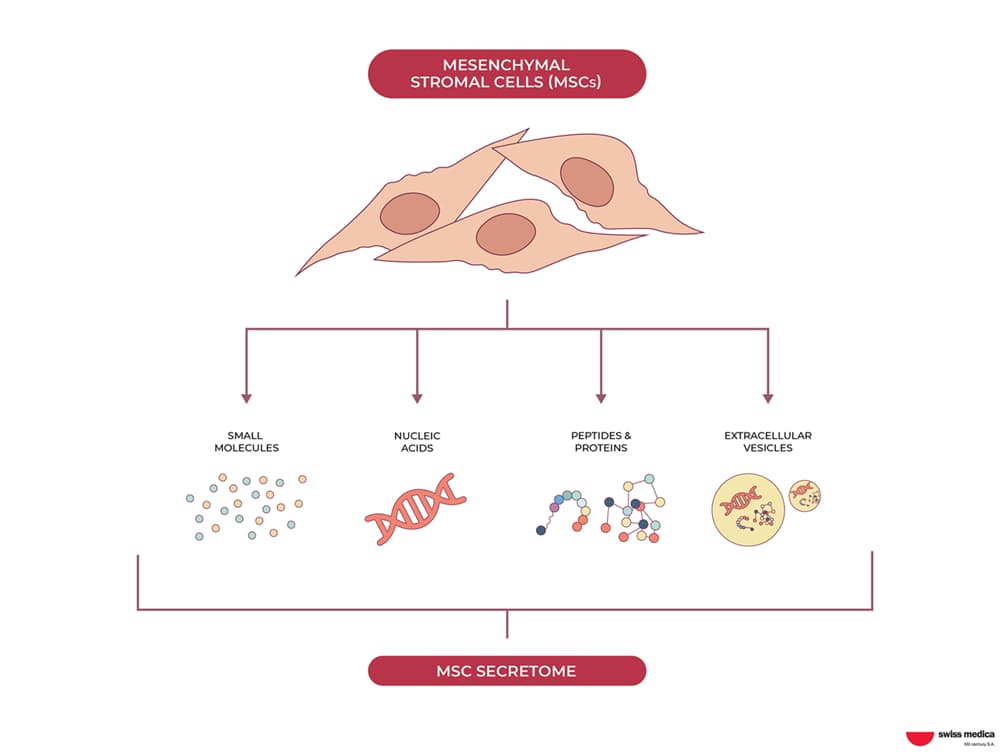
Mesenchymal stromal cells, or MSCs, are not used because they simply turn into a new disc, new joint, or new spinal tissue. Their main role is thought to be paracrine: they release biologically active signals that may influence inflammation, immune activity, vascular support, and local repair processes.
What Current Research Suggests
Research on regenerative spine medicine is still developing. Early human studies of intradiscal stem cell therapy and bone marrow-derived cell preparations have reported improvements in pain and function in selected patients with degenerative disc disease. However, these studies differ in cell source, dose, route, patient selection, and follow-up, making it difficult to draw broad conclusions.
Overall, the evidence suggests that stem cell therapy for back pain may be appropriate in selected cases, but outcomes depend on the individual clinical situation.
Calming Inflammation Around Painful Tissue
Degenerative back pain is not always purely mechanical. Painful discs and joints may release inflammatory mediators that irritate surrounding tissue and sensitize nearby nerves. In discogenic low back pain, inflammation around the annulus fibrosus and endplates may contribute to ongoing symptoms.
This is one of the reasons stem cell injections for back pain are being studied. MSCs may help shift the local environment away from persistent inflammatory signaling and toward tissue-supportive repair activity.
Supporting Disc and Joint Tissue Without Promising a New Disc
Stem cell therapy studies and clinical research suggest that MSCs act mainly through paracrine mechanisms rather than direct tissue replacement.
In early clinical studies of degenerative disc disease, MSCs have been associated with reduced expression of pro-inflammatory mediators, increased production of extracellular matrix components such as proteoglycans, and improved hydration signals within disc tissue. Some trials have also reported improvements in pain and function, although results vary depending on patient selection, cell source, and treatment protocol.
For this reason, stem cell regeneration for back pain should be explained carefully. The goal is not to promise a new disc or full structural reversal. A more realistic goal is to support the tissue environment, reduce inflammatory activity, and help improve the patient’s ability to move, rehabilitate, and function.
What Stem Cell Therapy Cannot Promise
Patients often search for stem cell shots for back pain, but this phrase can make treatment sound much simpler than it is. Spine care requires diagnosis, anatomy, safety screening, and rehabilitation planning.
Stem cell therapy cannot promise:
- guaranteed pain relief;
- new disc growth;
- correction of severe stenosis;
- reversal of spinal instability;
- replacement of rehabilitation;
- avoidance of surgery in every case.
If the main issue is severe nerve compression, fracture, infection, cancer-related symptoms, or progressive neurological deficit, urgent medical evaluation takes priority.
Why Diagnosis, Biology, and Rehabilitation Must Work Together
Whether stem cell therapy for back pain works in a specific case depends on three factors:
- the accuracy of the diagnosis,
- the biological condition of the affected tissue,
- the patient’s rehabilitation potential.
In practical terms, this means the stem cell therapy for pain management may be considered more appropriate when doctors can clearly identify the source of pain (for example, a specific degenerative disc or inflamed joint), when the tissue still has the capacity to respond to biological support, and when the patient is able to actively participate in rehabilitation after treatment.
A patient with one clearly symptomatic degenerative disc and preserved mobility may experience meaningful improvement in pain and function. In contrast, a patient with multi-level stenosis, severe weakness, obesity, a smoking history, and previous fusion surgery may have limited benefit because the problem is more complex and less responsive to regenerative approaches.
What Improvements May Look Like in Daily Life
When treatment helps, the improvement is often practical rather than dramatic. A meaningful change may be sitting longer, walking farther, sleeping with fewer pain-related awakenings, using less rescue medication, or returning to physiotherapy without triggering a flare-up.
Possible improvements may include:
- reduced pain;
- improved mobility;
- increased walking tolerance;
- improved sitting tolerance;
- better sleep;
- improved participation in daily activities;
- improved quality of life.
Patient Story: Living With Chronic Back Pain Before and After Treatment
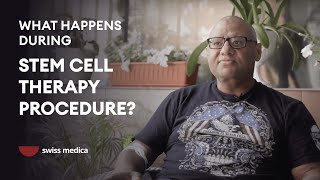
Tom, a patient from Washington, D.C., had lived with degenerative disc disease for years. Over time, the condition began affecting the nerves in his legs, making walking painful and difficult. Shortly before Christmas, the pain became so severe that he could not get out of bed and had to call an ambulance. After five days in the hospital, he realized he needed to look beyond temporary pain relief.
“In the USA, they treated it like sciatica. I had tried physical therapy and cortisone injections, but they only helped for a while. I thought, I have about 20 years left, and I want to be able to walk for those 20 years. I do not need to run or jump—I just want to walk without a cane.”
Before coming to Swiss Medica for stem cell therapy for back pain, Tom sent his MRI scans and required blood test results so the medical team could review his case. He received a clear treatment plan before arrival, with the understanding that doctors would reevaluate him in person and adjust the program if needed. Once he decided to come, the travel process felt simple: his medical advisor explained the details, arranged support, and made sure someone met him at the airport.
At the clinic, Tom was surprised by the intensity and thoroughness of the program. He described receiving hours of medical care in one day, including treatment with doctors, nurses, and physical therapists. Compared with his previous hospital stay, he felt the approach was much more active and comprehensive.
“The physical therapy here is more intense. My therapist made sure I did the work, but he knew exactly what he was doing. The doctors were great; the hospital was top-notch, very clean and modern; and once I arrived, I had no fears at all.”

Patients love sharing their experiences with the team. You can find more testimonials about back pain therapy, as well as video reviews, on the Swiss Medica YouTube channel.
Why Results Can Differ Between Patients
Patients frequently ask what to expect with stem cell therapy; however, there is not one stem cell therapy for back pain success rate for all patients.
Every patient’s situation is different. Potential outcomes are influenced by factors such as the underlying diagnosis, age, the condition of the spine, the severity of degeneration, nerve involvement, previous surgeries, overall health, and participation in rehabilitation.
The more clearly the source of the pain is identified, the easier it is to have an informed discussion about what treatment may—and may not—be able to achieve.
Who May Be Considered for Back Pain Stem Cell Treatment?
Patients who may be reviewed for stem cell therapy for chronic back pain often have persistent degenerative or discogenic symptoms, incomplete response to conservative care, and imaging findings that correspond to the clinical picture.
Possible candidate profiles include patients with:
| Condition | Typical symptoms |
| Discogenic low back pain | Deep, aching pain in the lower back, worse with sitting or bending |
| Degenerative disc disease | Chronic back pain, stiffness, reduced flexibility, pain with movement |
| Intervertebral disc degeneration | Gradual onset of back pain, limited mobility, discomfort after prolonged activity |
| Herniated disc-related inflammation | Radiating pain, numbness or tingling in legs, possible weakness |
| Facet joint pain | Localized back pain, worse with extension or twisting, stiffness |
| Sacroiliac joint pain | Pain in lower back or buttock, may radiate to thigh, worse when standing or walking |
| Mixed degenerative spine pain | Combination of back pain types, variable intensity, movement-related discomfort |
| Persistent pain after previous treatment | Ongoing pain despite therapy, reduced function, recurrent flare-ups |
Planning a stem cell procedure for back pain begins with understanding the patient’s diagnosis, imaging, and symptoms—not with applying the same treatment approach to everyone.
When Back Pain Needs Additional Evaluation
Some symptoms require additional evaluation before regenerative treatment is discussed. These include fever, unexplained weight loss, history of cancer, recent trauma, severe night pain, rapidly worsening symptoms, inflammatory back pain, or pain that does not fit a mechanical pattern.
Signs of Nerve Compression That Require Prompt Assessment
Radiating leg pain, numbness, tingling, weakness, reduced reflexes, or reduced walking distance may suggest nerve root involvement. Progressive weakness, saddle numbness, or bowel/bladder dysfunction requires urgent assessment and should not be delayed for regenerative treatment.
Structural Spine Conditions That May Need a Different Approach
Severe spinal stenosis, high-grade spondylolisthesis, fracture, marked instability, severe scoliosis, or major recurrent disc herniation may require surgical or interventional evaluation. Stem cells cannot mechanically widen the spinal canal or stabilize an unstable vertebral segment.
When Stem Cell Therapy May Not Be Recommended
Stem cell therapy may not be recommended in cases of active infection, suspected malignancy, recent fracture, progressive neurological deficit, bowel or bladder dysfunction, severe untreated instability, or another condition that makes treatment unsafe or unlikely to help.
What Happens During Treatment at Swiss Medica?
Swiss Medica uses established, clinically tested protocols that physicians adapt to the patient’s diagnosis, current condition, medical history, and individual characteristics. For back pain, this means the plan is shaped around the suspected pain generator, affected spinal levels, previous treatments, neurological symptoms, and functional goals.
Medical Records and Imaging Swiss Medica Reviews
Before discussing a stem cell procedure for back pain, our medical team may review:
- MRI reports;
- X-rays;
- CT scans;
- pain management history;
- physiotherapy history;
- previous injections;
- surgery history.
The goal is not to repeat every test, but to understand whether the available records support a coherent treatment plan.
Personalized Treatment Planning Based on Diagnosis and Functional Goals
After review, doctors determine whether regenerative therapy is appropriate and what role it may play. The plan may define the cell source, route, dosage, supportive therapies, duration of stay, and follow-up strategy.
Cell dosage is personalized according to body weight, diagnosis, route of administration, and medical indications. In Swiss Medica programs, cell-based therapy may include whole cells and selected cell-derived products when clinically indicated.
Stem Cell Administration and Supportive Care
For back pain, administration depends on the clinical picture. Local or targeted delivery may be considered when the goal is to focus biological signaling near a painful structure. Systemic administration may be used in selected protocols when broader inflammatory or recovery support is relevant.
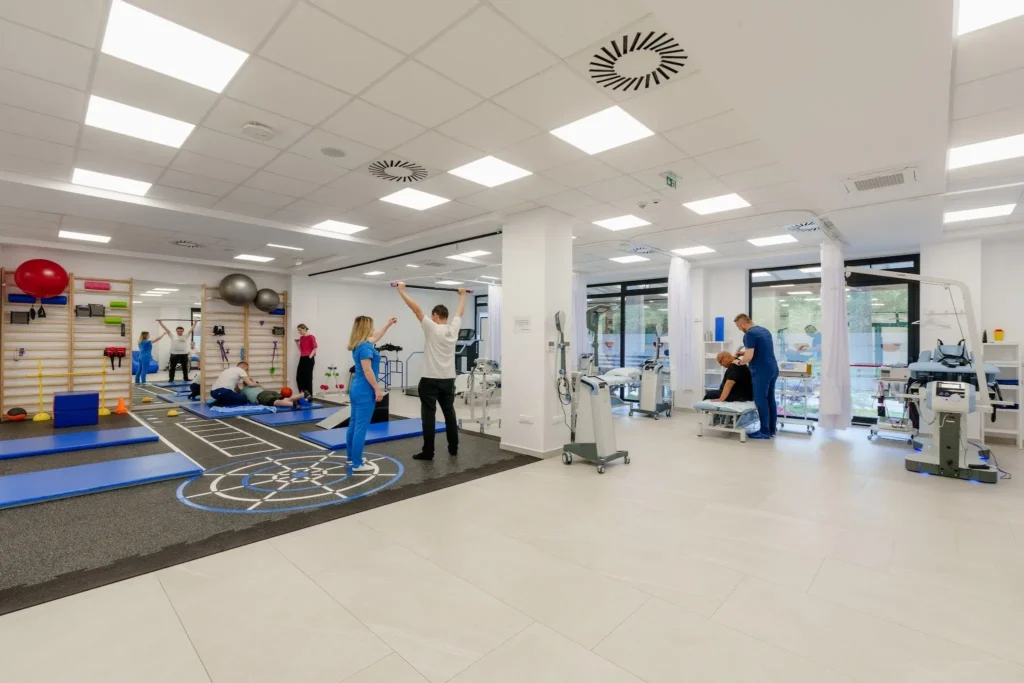
Supportive care may include physiotherapy, kinesiotherapy, IMR therapy, radial shock wave or spark wave therapy, and other procedures selected by the medical team. These therapies are not added randomly. They are chosen to support movement, load tolerance, circulation, inflammation balance, and rehabilitation progress.
Follow-Up After Treatment
Follow-up may track pain levels, walking tolerance, sitting tolerance, sleep quality, medication use, rehabilitation participation, neurological symptoms, and adverse effects. Remote monitoring is part of the care process, and a free follow-up check at the clinic may be recommended within 3–6 months when appropriate.
Safety and Side Effects
Possible side effects after stem cell injections for back pain may include:
- temporary soreness,
- swelling,
- warmth,
- bruising,
- fatigue,
- headache,
- mild fever,
- short-term discomfort after the procedure.
Serious risks are uncommon when treatment is properly planned, but any worsening neurological symptom should be reported immediately.
Why Spine Injections Require Accurate Diagnosis and Technique
A disc, facet joint, sacroiliac joint, epidural space, and paravertebral tissue are different anatomical targets. Each route has different risks and different clinical logic. This is why regenerative spine care should be performed only after careful assessment and by clinicians experienced with the chosen route.
Safety Measures at Swiss Medica
At Swiss Medica, safety in regenerative spine care is addressed through a structured clinical process that includes careful patient selection, detailed medical record review, and adherence to sterile protocols during all procedures.
Before any treatment is proposed, our medical team evaluates imaging, medical history, and current symptoms to determine whether regenerative therapy is appropriate and safe for the individual case.
Cell-based products are prepared in our in-house laboratory under controlled conditions, with quality checks focused on sterility, viability, and suitability for clinical use.
Patients are monitored during and after treatment by experienced clinicians, and follow-up is part of the care plan to track recovery and address any concerns. This approach increases stem cell therapy safety and side effect minimization.
FDA Status Patients Should Understand
Patients often ask whether stem cell therapy for back pain is FDA-approved. In the United States, stem cell products are regulated as biologics, and currently none are officially approved for orthopedic conditions such as disc disease or back pain. However, this situation does not mean the therapy lacks potential.
A growing number of clinical studies and patient outcomes have shown encouraging results, with many patients reporting reduced pain and improved function after treatment. However, these findings do not constitute regulatory approval or guarantee benefit in an individual case. Regulatory frameworks differ between countries, so patients should carefully evaluate laboratory standards, clinician experience, patient-selection criteria, informed-consent procedures, and follow-up arrangements.
Cost of Stem Cell Therapy for Back Pain
The stem cell therapy for back pain cost depends on diagnosis, number of affected levels, cell product, route of administration, dosage, supportive therapies, treatment duration, accommodation, and follow-up needs.
At Swiss Medica, treatment programs for main conditions typically range from €7,700 to €45,000* depending on the individual treatment plan.
*Prices are indicative and based on 2026 estimates; they may vary depending on condition severity and required cell quantity.
Why Spine Treatment Costs Vary So Much
A one-level discogenic case and a multi-level post-surgical spine case require different levels of planning and support. Stem cell therapy cost may vary based on:
- pain source;
- number of treated levels;
- disc vs joint involvement;
- imaging requirements;
- cell source and preparation;
- route and dosage;
- treatment duration;
- supportive therapies;
- accommodation;
- follow-up;
- case complexity.
Why a Personalized Estimate Is More Reliable Than a Flat Price
A flat injection price can be misleading. It may exclude medical review, laboratory preparation, route selection, supportive therapies, accommodation, translation, follow-up, or rehabilitation. A personalized estimate is more reliable because it reflects the full scope of the recommended program.
Insurance Coverage for Stem Cell Injections for Back Pain
Patients often ask whether stem cell treatment for back pain is covered by insurance. Coverage depends on the insurance provider, policy, country, indication, and documentation. When requested, Swiss Medica may provide a detailed breakdown of the procedures and costs after treatment.
Why Patients Choose Swiss Medica for Back Pain Treatment
Patients with chronic back pain often arrive after years of fragmented care: MRI reports, pain medication, several rounds of physiotherapy, injections, sometimes surgery, but no clear plan that connects the pain source, biology, and function.
The Swiss Medica clinic in Belgrade brings medical assessment, cell preparation, treatment administration, supportive therapies, and follow-up into one coordinated program.
Individual Medical Assessment Before Treatment
Every case is reviewed individually before treatment is offered. The team assesses the diagnosis, medical history, imaging, previous treatments, current symptoms, contraindications, and goals. Not every patient is accepted if the expected benefit or safety profile is unclear.
In-House Cell Processing and Quality Standards
Swiss Medica prepares cell-based products in its in-house laboratory. Quality control focuses on identity, sterility, viability, and suitability for clinical use. This allows closer control over the cell product before it is administered.
Rehabilitation Support for Real Movement Goals
For back pain, the most meaningful outcomes are practical: sitting longer, walking farther, sleeping better, returning to exercise, reducing flare-ups, and participating in rehabilitation with more confidence. Supportive therapies are selected to reinforce these goals and usually include physiotherapy, individualized exercise training, and Intracellular Metabolism Recovery (IMR) therapy.
International Patient Support in Serbia
International patients receive support with coordination, accommodation, meals, airport transfers, translation when needed. Patients may bring one accompanying person, who can stay free of charge in the same comfortable hospital room. The clinic is barrier-free and wheelchair accessible, making it easier to move around during treatment and recovery. Meals can also be adapted where possible to the patient’s dietary requirements and preferences.
Talk to a Medical Advisor About Your Back Pain Treatment Options
If back pain affects your walking, sitting, sleep, work, or rehabilitation progress, Swiss Medica doctors can assess whether stem cell therapy for back pain may be appropriate, whether another spine treatment should take priority, or whether additional evaluation is needed before making a decision.
Send a request
Send your MRI report, imaging files, previous injection history, physiotherapy history, surgery history if relevant, and a short pain timeline for a free medical review.

Medical Advisor, Swiss Medica doctor
FAQ
1. Does stem cell therapy really work for back pain?
Stem cell therapy is more helpful in selected patients when the pain source is identified, especially in some degenerative or disc-related cases. It may not work for every type of back pain. Results depend on diagnosis, degeneration severity, nerve involvement, previous surgeries, general health, and rehabilitation participation.
2. Can stem cells repair a damaged disc?
Stem cells may support repair-related signaling and inflammation control inside or around degenerative spinal tissue. However, they should not be described as guaranteed disc repair. A severely degenerated disc will not simply become new again after treatment.
3. Are stem cell injections better than steroid injections for back pain?
They have different purposes. Steroid injections aim to reduce inflammation quickly, often temporarily. Stem cell injections are explored for biological support and local tissue signaling. The better option depends on the pain generator, imaging, neurological status, previous response, and treatment goal.
4. Can stem cell therapy help a herniated disc?
It may be considered in selected cases where inflammation around the disc remains clinically relevant. However, if a herniated disc causes progressive weakness, severe nerve compression, saddle numbness, or bowel/bladder symptoms, urgent spine assessment takes priority.
5. Can stem cells help avoid back surgery?
Stem cells cannot guarantee avoidance of surgery. Some patients may improve function enough to continue conservative management, but severe stenosis, instability, fracture, deformity, or progressive neurological deficit may still require surgical or interventional treatment.
6. Who is not a good candidate for back pain stem cell treatment?
Patients may not be suitable if they have active infection, suspected cancer-related symptoms, recent fracture, progressive neurological deficit, bowel or bladder dysfunction, severe instability, or another urgent condition. Eligibility should always be determined after medical record and imaging review.
7. What are the side effects of stem cell injections for back pain?
Possible side effects include temporary soreness, swelling, bruising, warmth, headache, fatigue, mild fever, or short-term discomfort after the procedure. Serious risks depend on anatomy, route, sterility, technique, and patient factors, which is why proper screening and monitoring matter.
8. How long does it take to notice results after stem cell therapy for back pain?
Some patients notice changes within weeks, while others need several months. Improvements may appear as reduced flare-ups, better sleep, longer walking distance, improved sitting tolerance, or easier participation in rehabilitation. The timeline depends on diagnosis, severity, and recovery plan.
9. What tests are needed before consultation?
Useful documents include MRI images and reports, X-rays, CT scans, previous injection records, physiotherapy history, surgery history, medication list, and neurological findings. The clearer the diagnostic picture is, the more accurately doctors can assess whether regenerative treatment may be appropriate.
10. How much do stem cell injections cost for back pain?
At Swiss Medica, main treatment programs typically range from €7,700 to €45,000*, depending on diagnosis, affected levels, route, cell quantity, supportive therapies, duration of stay, and follow-up needs. A personalized estimate after medical review is more reliable than a flat injection price.
* Prices are indicative and based on 2026 estimates; they may vary depending on condition severity and required cell quantity.
References:
World Health Organization. WHO guideline for non-surgical management of chronic primary low back pain in adults in primary and community care settings. 2023.
Noriega DC, Ardura F, Hernández-Ramajo R, Martín-Ferrero MÁ, Sánchez-Lite I, Toribio B, Alberca M, García V, Moraleda JM, Sánchez A, García-Sancho J. Intervertebral Disc Repair by Allogeneic Mesenchymal Bone Marrow Cells: A Randomized Controlled Trial. Transplantation. 2017 Aug;101(8):1945-1951. doi: 10.1097/TP.0000000000001484. PMID: 27661661.
Bates D, Vivian D, Freitag J, Wickham J, Mitchell B, Verrills P, Shah K, Boyd R, Federman D, Barnard A, O’Connor L, Young JF. Low-dose mesenchymal stem cell therapy for discogenic pain: safety and efficacy results from a 1-year feasibility study. Future Sci OA. 2022 Apr 21;8(5):FSO794. doi: 10.2144/fsoa-2021-0155. PMID: 35662742; PMCID: PMC9136638.
National Institute for Health and Care Excellence. Low back pain and sciatica in over 16s: assessment and management. NICE guideline NG59. Updated 2020.
U.S. Food and Drug Administration. Consumer Alert on Regenerative Medicine Products Including Stem Cells and Exosomes. Content current as of April 9, 2024.


MD, Pediatrician, Regenerative Medicine Specialist