swiss medicaXXI century S.A.
When pulmonary fibrosis continues to affect breathing despite medical treatment, everyday life can become planned around oxygen levels, coughing, fatigue, and walking distance. Standard pulmonary fibrosis treatment remains essential, but some patients continue to lose activity tolerance despite medication, oxygen therapy, and rehabilitation.
In this context, stem cell therapy for pulmonary fibrosis is being explored as a supportive regenerative option for selected patients—not as a cure or replacement for pulmonology care.
Understanding Pulmonary Fibrosis
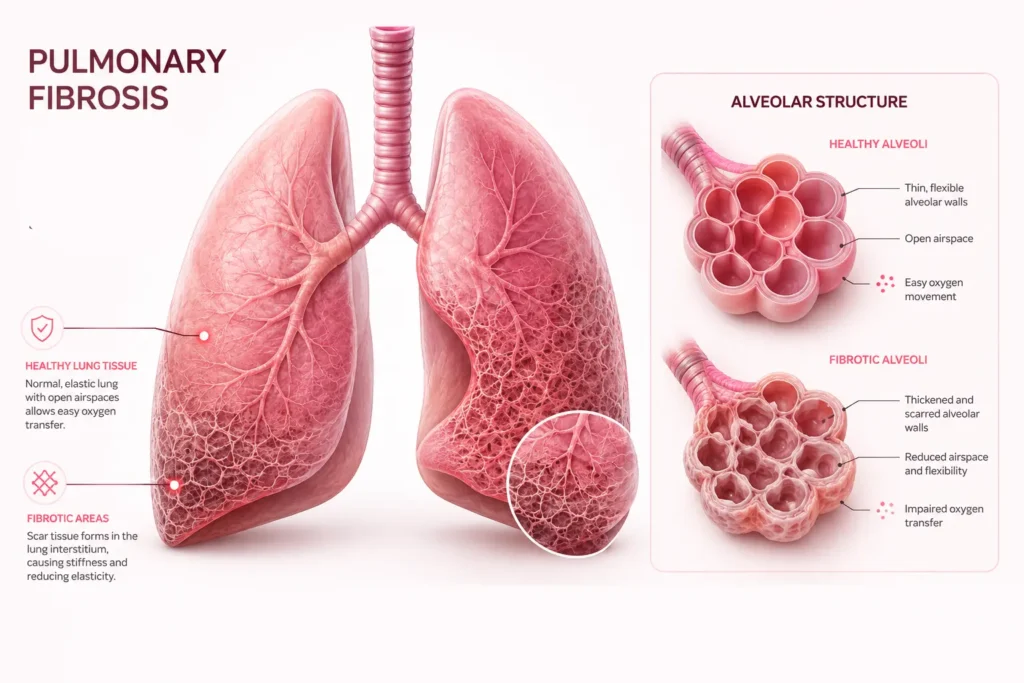
Pulmonary fibrosis is more than breathlessness—it involves structural changes within the lungs. Scar tissue limits how well the lungs expand and affects the transfer of oxygen into the bloodstream. Understanding the type, cause, and stage of fibrosis is therefore essential before regenerative approaches can be considered.
Scar Tissue Changes How Oxygen Moves Into the Blood
In healthy lungs, oxygen passes through thin alveolar walls into the bloodstream. In patients with pulmonary fibrosis, scar tissue thickens this area and makes the lungs stiffer, reducing the ability to transfer oxygen and expand efficiently into the blood. As a result, oxygen availability is generally reduced, and breathing can feel more difficult overall, while physical activity further increases the body’s oxygen demand.
Idiopathic, Secondary, and Progressive Pulmonary Fibrosis Are Different Conditions
Pulmonary fibrosis can develop for different reasons, and those differences change treatment expectations.
| Type of fibrotic lung disease | What it means | Why expectations differ |
| Idiopathic pulmonary fibrosis | Fibrosis develops without a confirmed cause | Often requires cautious goals focused on slowing decline and preserving function |
| Secondary pulmonary fibrosis | Scarring is linked to another condition or exposure | Treatment goals may depend on controlling the underlying trigger |
| Progressive pulmonary fibrosis | Lung scarring continues to worsen over time | Monitoring lung function tests, symptoms, and oxygen needs becomes especially important |
| Post-infectious or post-COVID fibrosis | Scarring or residual lung changes follow infection | Recovery potential may vary depending on inflammation, damage, and time since illness |
Why HRCT, FVC, and DLCO All Matter
Symptoms help doctors understand how pulmonary fibrosis affects daily life, while instrumental tests show how the lungs are changing structurally and functionally.
A high-resolution computed tomography (HRCT) lung scan shows the pattern and extent of lung scarring.
Forced vital capacity (FVC) measures how much air a person can forcefully exhale after taking a deep breath, while the diffusing capacity of the lungs for carbon monoxide (DLCO) measures how efficiently oxygen moves from the lungs into the blood.
Together, these results help doctors assess disease stability, progression risk, and whether treatment goals are realistic.
What Is the Treatment Standard for Pulmonary Fibrosis?
Standard care for pulmonary fibrosis follows clinical guidelines and focuses on slowing progression, managing symptoms, and maintaining quality of life. It may include antifibrotic medications such as nintedanib or pirfenidone, oxygen therapy when needed, and pulmonary rehabilitation.
Antifibrotic Medications Have a Different Role Than Stem Cells
Antifibrotic medications and stem cell therapy for pulmonary fibrosis act through different biological pathways. The key difference is that antifibrotic drugs target fibrosis progression directly, while mesenchymal stem cells (MSCs) influence inflammation, immune balance, and the tissue environment.
| How it works | Main difference | |
| Antifibrotic medications | Act on fibrotic pathways involved in scar tissue formation and may help slow further lung function decline. | Focus mainly on limiting the progression of fibrosis. |
| Mesenchymal stem cell therapy for pulmonary fibrosis | Releases bioactive signals that may influence inflammation, immune activity, fibroblast behavior, and tissue-repair signaling. | Focuses on modifying the biological environment around injured lung tissue. |
Oxygen Therapy, Pulmonary Rehabilitation, and Vaccination Support Daily Functions
Pulmonary fibrosis treatment usually combines several forms of support. Each option serves a different purpose, and patients should continue to consider standard care even when they explore regenerative treatment.
- Oxygen therapy: Maintain optimal oxygen levels when prescribed
- Pulmonary rehabilitation: Supports exercise tolerance, breathing efficiency, and confidence in movement
- Vaccination and infection prevention: Reduces the risk of respiratory infections that may worsen symptoms
- Pulmonology follow-up: Tracks disease behavior and adjusts care over time
When Lung Transplant Evaluation Becomes Part of the Conversation
If clinical findings suggest advanced pulmonary fibrosis—for example, severely reduced FVC or DLCO, increasing oxygen requirements, or suspected pulmonary hypertension—the patient should first be assessed by a pulmonologist. Referral to a transplant center may also be appropriate when lung transplantation needs to be considered. Stem cell therapy for lungs cannot replace transplant evaluation when it is medically indicated.
How Stem Cell Therapy May Support Patients With Pulmonary Fibrosis
The goal of stem cell therapy for lung fibrosis is not to erase scar tissue but to support biological processes that may influence inflammation and repair signaling.
What Current Research Suggests
Current research on MSC-based approaches for fibrotic lung disease includes early-phase clinical studies, small patient cohorts, and systematic reviews. Researchers are investigating whether MSCs may influence inflammatory and repair-related signaling, support the lung tissue environment, and contribute to functional stabilization in selected patients
Some studies report encouraging short-term safety findings and possible changes in lung function, exercise capacity, or quality of life. However, larger, well-controlled trials are still needed to determine which patients may benefit.
Want to understand how stem cell research is evaluated more broadly?
Our stem cell therapy studies and clinical research page explain how clinical evidence is assessed across different conditions, including safety findings, study design, and the limits of current research. While it is not specific to pulmonary fibrosis, it can help patients understand why MSC-based approaches are discussed carefully and why expectations should remain individualized.
Inflammation Control and Anti-Fibrotic Signaling Under Investigation
Pulmonary fibrosis develops through a complex interaction of inflammation, tissue injury, and abnormal repair, which gradually makes the lungs stiffer and less flexible. MSC-based therapy is being studied because these cells communicate with surrounding tissues through paracrine signaling. They release growth factors, cytokines, extracellular vesicles, and other signaling molecules that may help modulate immune and inflammatory pathways, influence fibroblast activity, and support a more favorable environment around injured tissue.
Stem Cell therapy and Lung Regeneration: What Stem Cell Therapy Cannot Promise
Patients often ask whether stem cell therapy for pulmonary fibrosis can repair scarred lungs. A careful answer is that MSCs haven’t been proven to reverse established fibrosis. Stem cell therapy may have anti-fibrotic activity, but this does not mean that established connective scar tissue will simply dissolve.
Supporting Lung Function Without Promising Scar Tissue Reversal
The goal of stem cell therapy for lung regeneration isn’t to “grow new lungs” or make existing scar tissue disappear. Instead, it aims to support repair-related signaling. Realistic goals are therefore usually linked to improvements in daily function, such as breathing comfort during light activity, better tolerance of rehabilitation, shorter recovery time after exertion, or feeling more confident during routine movement.
What Improvements May Look Like in Daily Life
When discussing stem cell therapy for lung repair, meaningful change is often assessed in practical, everyday terms and through objective follow-up findings. This may include changes in daily function, exercise tolerance, oxygen needs, or lung function measurements. These indicators provide a more balanced basis for evaluating outcomes without suggesting complete structural recovery of the lung tissue.
Potential Outcomes Patients May Notice
| Possible patient-noticed change | How it may appear in daily life |
| Improved exercise tolerance | Walking slightly farther or completing rehabilitation with fewer pauses |
| Reduced breathlessness during selected activities | Less distress during light movement or daily tasks |
| Better rehabilitation participation | More consistent ability to complete breathing or mobility exercises |
| Stabilization of functional measures in selected cases | Less decline in walking distance or symptom burden over a defined period |
| Quality-of-life support | More confidence with routine activities and less fear around exertion |
Patient Story: Living With Pulmonary Fibrosis Before and After Treatment
Claus, a 61-year-old patient from Denmark, came to Swiss Medica with idiopathic pulmonary fibrosis, a lung disease that had gradually made breathing and movement more difficult. Although he still worked full-time, he became short of breath easily and struggled with stairs and longer walks; after being denied a lung transplant, he started looking for other options.
“I was hoping for a lung transplant, but I was told my body wouldn’t handle the surgery. That was a difficult moment for me. I still try to live a normal life and keep working, but even simple things like climbing stairs or walking longer distances leave me out of breath. That’s why I came here—I want a chance to breathe easier and keep my independence for as long as possible.”

More patient experiences and video reviews are available on the Swiss Medica YouTube channel.
Why Results Can Differ Between Patients
Results after stem cell treatment for IPF vary because the condition differs considerably in its stage, rate of progression, underlying biological activity, and effect on lung function.
Important factors include diagnosis, disease stage, HRCT findings, FVC and DLCO, oxygen dependence, pulmonary hypertension, exacerbation history, medication tolerance, age, and overall health. A stable secondary ILD case has different expectations from rapidly progressive IPF.
Why IPF, Post-COVID Fibrosis, and Autoimmune ILD Need Different Treatment Expectations
Pulmonary fibrosis can develop for different reasons and follow different patterns over time. A meaningful treatment discussion should therefore consider its underlying cause, whether the disease is stable or progressing, and how much respiratory capacity the patient retains.
Why One Treatment Approach Does Not Fit Every Patient
IPF, post-COVID fibrosis, hypersensitivity pneumonitis, and autoimmune ILD may all involve lung scarring, but the drivers differ. Some conditions are mainly fibrotic, while others still involve active inflammation or immune activity. For this reason, stem cell therapy for ILD is not the only protocol Swiss Medica may offer for fibrotic lung conditions.
Why the Cause of Fibrosis Influences Treatment Goals
Pulmonary fibrosis is not a single condition. Its underlying cause influences how the disease develops, which biological processes remain active, and what treatment can realistically aim to support.
In autoimmune ILD, ongoing immune activity and inflammation may continue to contribute to lung injury. Treatment planning must therefore account for both the fibrotic changes and the underlying autoimmune disease.
In post-COVID fibrosis, residual inflammation, vascular changes, and tissue injury may still be present, which can affect how the lungs respond over time.
IPF, by contrast, develops without an identifiable underlying cause and follows a distinct pattern of progressive scarring. For this reason, stem cell treatment for idiopathic pulmonary fibrosis follows a condition-specific program that differs from protocols designed for other forms of interstitial lung disease.
How Disease Progression Changes Expectations
Disease behavior also influences how treatment options are discussed. Patients with stable symptoms and moderate impairment may have different goals compared to those with rapidly declining FVC, severe DLCO reduction, high oxygen needs, or suspected pulmonary hypertension. In more advanced cases, an important consideration is whether travel and treatment can be undertaken safely.
Who May Be Reviewed for Pulmonary Fibrosis Stem Cell Therapy?
Swiss Medica reviews medical records first to understand whether stem cell therapy for pulmonary fibrosis is medically reasonable and whether the patient can travel safely.
Patients With Confirmed Fibrotic Lung Disease and Stable Medical Records
Patients may be reviewed when they have confirmed fibrotic lung disease, recent HRCT results, pulmonary function tests, oxygen data, pulmonology reports, and medication history.
This review helps the medical team understand the cause of fibrosis, condition stage, comorbidities, and current respiratory stability.
When Regenerative Therapy May Not Be Appropriate
Regenerative therapy may not be appropriate with unstable oxygen needs, recent exacerbation, active infection, uncontrolled pulmonary hypertension, severe cardiac disease, active malignancy, major clotting risk, or inability to travel safely. In these situations, stabilization and specialist pulmonary care should come first.
What Happens During Treatment at Swiss Medica?
At Swiss Medica, stem cell therapy for lungs is planned as medically supervised inpatient care, with treatment decisions based on diagnosis, lung function, oxygen needs, medical history, contraindications, and treatment goals.
Lung Records and Tests Swiss Medica Reviews Before Treatment
Before recommending stem cell therapy for lung fibrosis, our medical team may review records that help assess diagnosis, stability, respiratory reserve, and travel safety.
| Record or test | Why it matters |
| HRCT scans | Show the pattern and severity of lung scarring |
| Pulmonary function tests | Help track FVC, DLCO, and disease progression |
| Oxygen requirements | Show respiratory reserve during rest and activity |
| Six-minute walk test | Measures exercise tolerance and oxygen desaturation |
| Pulmonology reports | Clarify diagnosis, medication plan, and disease behavior |
| Medication history | Shows use of nintedanib, pirfenidone, steroids, or immune therapy |
| Exacerbation or hospitalization records | Help assess recent instability and treatment risk |
Personalized Treatment Planning Based on Lung Function and Goals
Swiss Medica works with established treatment protocols, but the final program is adjusted to the patient’s current condition. After the application process, doctors may define the appropriate cell source, route, dosage, supportive therapies, treatment duration, monitoring level, and follow-up strategy.
This individualized planning is especially important because respiratory reserve, oxygen response, disease stability, comorbidities, and previous treatment can all affect safety and realistic goals for mesenchymal stem cell therapy for pulmonary fibrosis.
Stem Cell Therapy and Supportive Care
Swiss Medica uses adult multipotent mesenchymal stromal cells, primarily donor-derived MSCs from umbilical cord and placental tissue. In selected cases, doctors may also consider the patient’s own cells from adipose tissue or bone marrow, depending on the diagnosis and medical evaluation.
Pulmonary programs may also include cell-free biological products such as exosomes or secretome when doctors consider them appropriate. These products contain signaling molecules released by cells and may be used to support communication between tissues, inflammation regulation, and recovery-related processes.
For pulmonary patients, cell-based and biological products may be administered through routes selected by the medical team, such as intravenous infusion or inhalation-based delivery when relevant to the protocol.
Depending on the patient’s diagnosis, lung function, oxygen needs, and general condition, supportive care may include:
- Respiratory-oriented rehabilitation support to help patients work with breathing patterns, activity tolerance, and safe movement during the program.
- Kinesiotherapy with gentle therapeutic movement adapted to the patient’s respiratory capacity, fatigue level, and oxygen response.
- IMR therapy, when appropriate, as part of a broader program aimed at supporting systemic regulation and recovery processes.
- Hardware physiotherapy, selected individually to support circulation, tissue recovery, and general physical resilience without overloading the patient.
- Plasmapheresis, in selected cases where autoimmune or inflammatory factors are part of the clinical picture and doctors consider it relevant.
The medical team continuously monitors oxygen saturation, symptoms, treatment tolerance, and overall well-being throughout the clinic stay.
Follow-Up
Follow-up does not end when the patient leaves the clinic. After discharge, Swiss Medica may continue remote communication to help patients track symptoms, oxygen saturation, exercise tolerance, cough burden, fatigue, adverse effects, and updated pulmonary testing when available.
Patients are encouraged to continue pulmonology care at home and share follow-up results so changes can be interpreted in relation to baseline.
A complimentary follow-up assessment may also be recommended approximately 3–6 months after treatment. This free visit helps doctors evaluate progress, review updated test results, assess treatment response, and discuss whether additional supportive or regenerative therapies may be relevant.
What Should Be Tracked After Treatment?
Because pulmonary fibrosis can stabilize or progress over time, regular follow-up is important for understanding how the condition changes after treatment.
FVC and DLCO Help Measure Changes in Lung Function Over Time
FVC and DLCO help show whether lung capacity and oxygen transfer are stable or changing. Trends over several months are more useful than one isolated result, especially when interpreted with HRCT findings and oxygen needs.
Six-Minute Walk Distance, Oxygen Saturation, and Cough Burden
A six-minute walk distance helps measure exercise tolerance and oxygen desaturation during activity. Oxygen saturation, cough burden, breathlessness, fatigue, and recovery time after exertion also help describe daily function.
| What to track | What it may show |
| Six-minute walk distance | Whether activity tolerance is stable or changing |
| Oxygen saturation | How the body responds to rest and movement |
| Cough burden | Whether daily respiratory irritation changes |
| Breathlessness score | How symptoms affect routine activities |
| Recovery after exertion | How long it takes to feel stable after movement |
Exacerbations, Hospitalizations, and Daily Function
After stem cell therapy for lung regeneration, patients may track exacerbations, infections, hospitalizations, and changes in daily activity. These events and changes are relatively easy to monitor in everyday life and can help patients understand whether their condition is becoming more stable or worsening over time.
Safety, Side Effects, and Respiratory Risks
Patient safety is our highest priority, and every case is carefully evaluated using strict medical criteria to ensure that treatment is appropriate, justified, and aligned with the patient’s overall health status.
Possible Side Effects of MSC-Based Therapy
Possible side effects may include temporary fever, fatigue, headache, chills, nausea, or local discomfort after procedures. In most cases, these effects are short-lived, but lung disease requires extra caution because respiratory stability can change quickly.
Interested in the safety evidence behind stem cell therapy?
Our dedicated article explains what published research says about the safety profile of MSC-based treatments, which side effects are most commonly reported, and how medical screening and laboratory quality control support safer treatment planning.
Read more in our article on stem cell therapy safety and side effects.
Why Patients With Lung Disease Need Additional Safety Screening
Patients with pulmonary fibrosis may have low oxygen reserve, pulmonary hypertension risk, cardiac strain, clotting risk, or infection vulnerability. These factors affect travel, sedation decisions, procedure planning, and monitoring. Swiss Medica may advise against treatment if risks outweigh possible benefit.
Why Organizations Such as the Pulmonary Fibrosis Foundation Consider Cell-Based Therapy Experimental
The Pulmonary Fibrosis Foundation notes that stem cell and other cell-based therapies are still considered unproven and experimental for pulmonary fibrosis when used outside approved clinical trials. For this reason, it is most accurate to present these approaches as supportive and investigational, with realistic expectations and no guarantee of reversing lung scarring.
Cost of Stem Cell Therapy for Pulmonary Fibrosis
At Swiss Medica, treatment programs for complex conditions typically range from €7,000 to €45,000*. The final cost is always calculated individually.
*Prices are indicative and based on 2026 estimates; they may vary depending on condition severity and required cell quantity.
Why Treatment Costs Depend on Lung Function and Medical Complexity
How much stem cell therapy for pulmonary fibrosis costs depends on the patient’s lung function, medical complexity, monitoring needs, and the level of supportive care required.
| Factor | Why it may affect the program |
| Diagnosis type | Stem cell treatments for IPF, autoimmune ILD, and post-infectious fibrosis may require different planning |
| Disease stage | Advanced disease may require closer monitoring |
| FVC and DLCO | Lower values may increase safety review needs |
| Oxygen use | Travel and treatment planning may be more complex |
| HRCT severity | Helps define disease extent and realistic goals |
| Pulmonary hypertension risk | May affect safety screening and travel recommendations |
| Route and dosage | Cell-based therapy is planned according to the clinical case |
| Supportive therapies | Rehabilitation and monitoring needs differ between patients |
Why a Personalized Estimate Is More Reliable Than a Flat Price
At Swiss Medica, we carefully evaluate all elements of care to provide an accurate cost estimate based on the patient’s medical history, current condition, and treatment goals. That’s why the stem cell therapy cost reflects what is medically appropriate for the individual patient — their diagnosis, respiratory reserve, treatment goals, and the level of care needed to support a meaningful result.
This approach allows the medical team to build the program around the patient’s actual needs, instead of offering the same fixed package to everyone.
What a Swiss Medica Pulmonary Program May Include
A Swiss Medica pulmonary program is designed as a complete hospital-level care package, not a standalone procedure. Unlike many clinics, we provide a full program with accommodation, nutrition, monitoring, and medical oversight included. This comprehensive structure is what defines the overall treatment value and explains why the program cannot be compared to isolated “per-procedure” pricing models.
Why Patients Choose Swiss Medica for Pulmonary Fibrosis Treatment
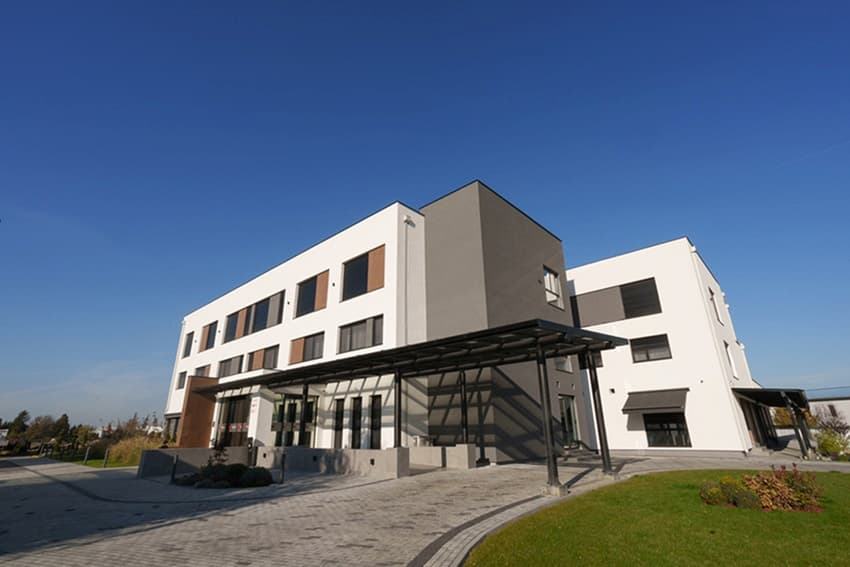
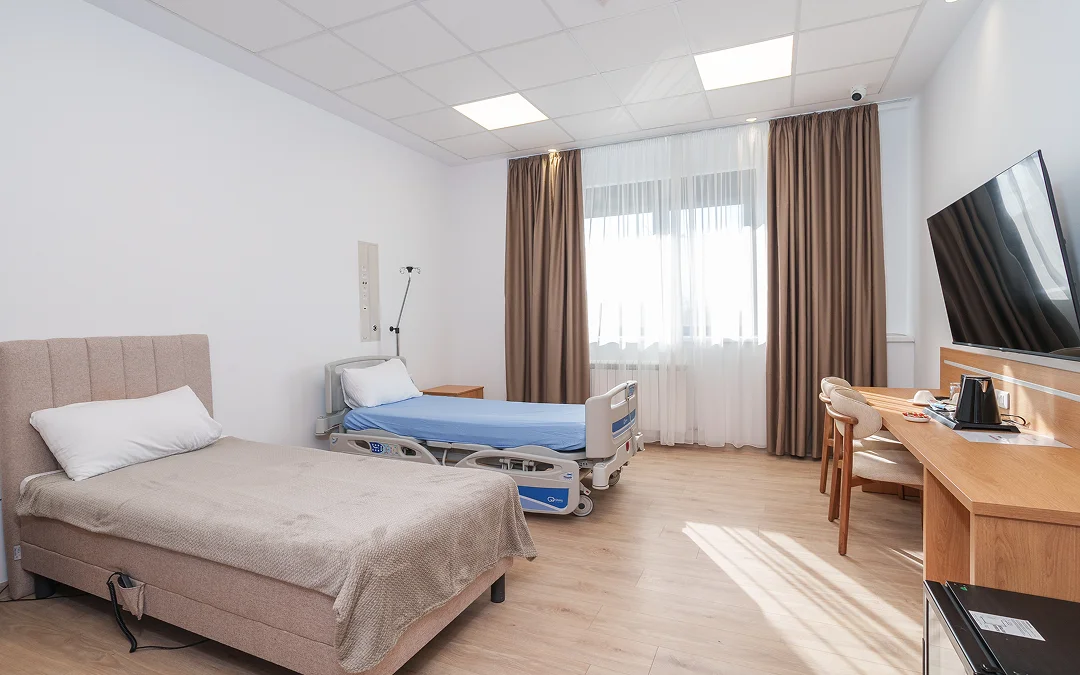
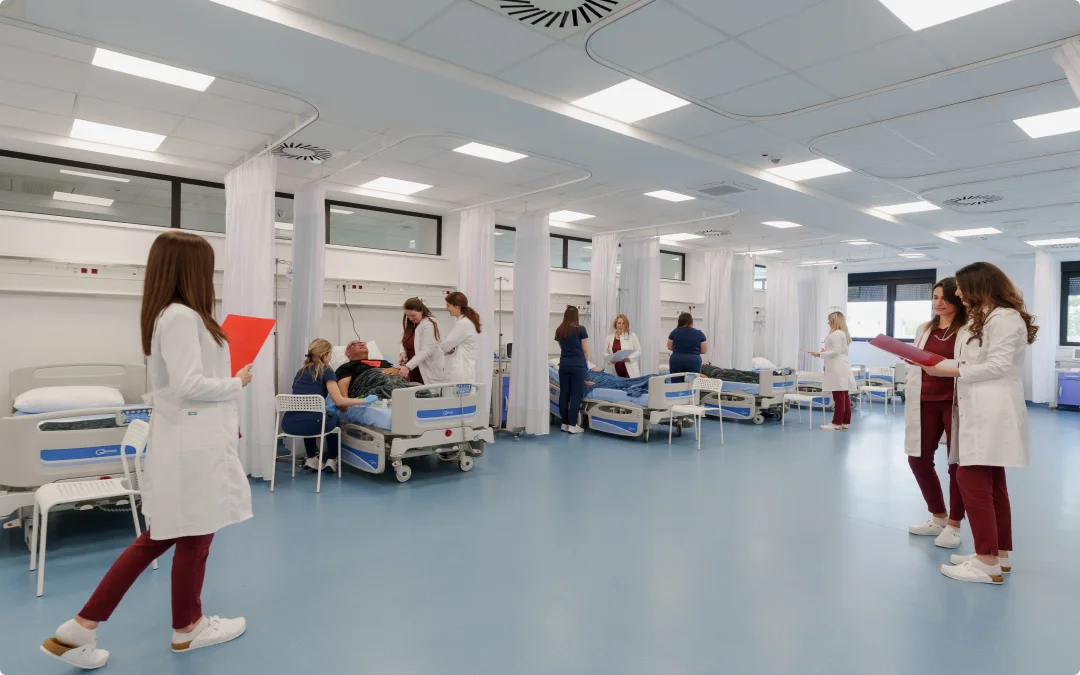
Patients with pulmonary fibrosis often need a treatment setting where respiratory limitations, oxygen needs, fatigue, mobility, and safety risks are understood from the beginning. Swiss Medica provides a structured, physician-supervised program designed around these individual needs, with the key aspects of care outlined below.
Individual Pulmonary Assessment Before Treatment
Stem cell therapy for pulmonary fibrosis protocols provide a structured framework while allowing doctors to adapt treatment to each patient’s diagnosis, disease stage, lung function, oxygen requirements, contraindications, and individual goals. Since respiratory capacity may change over time, the initial plan may need to be adjusted after the patient arrives at the clinic and undergoes an up-to-date assessment.
These adjustments may involve the route or dosage of cell-based therapy, the level of monitoring, supportive treatments, or the pace of the program. This individualized approach is especially important for patients with idiopathic pulmonary fibrosis, autoimmune or post-infectious ILD, high oxygen requirements, recent exacerbations, or suspected pulmonary hypertension, as the protocol must account for their current respiratory capacity and safety risks.
In-House Cell Processing and Quality Standards
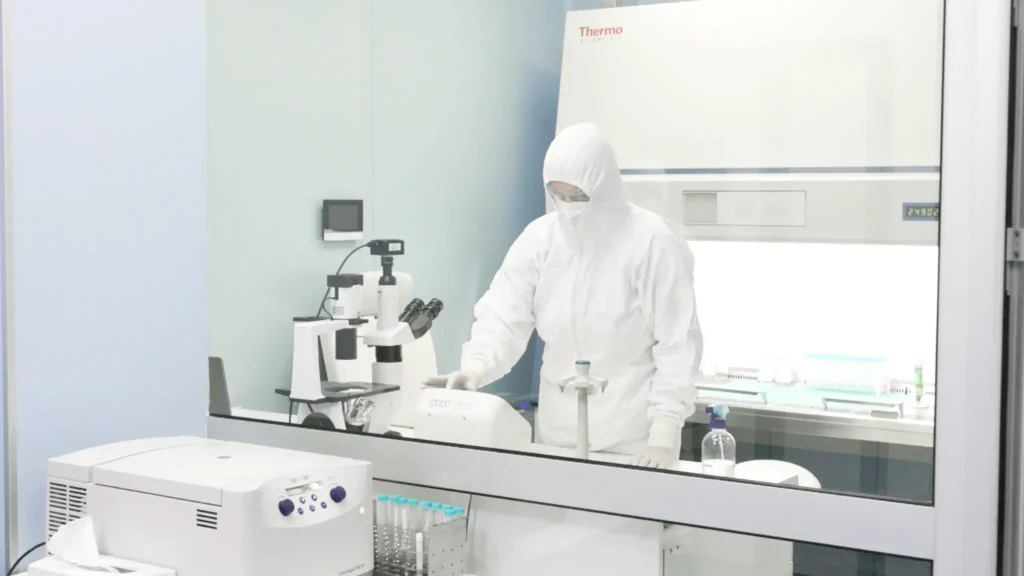
Swiss Medica uses an in-house laboratory to prepare cell-based products, which allows for strict control over quality and safety. Each batch undergoes testing for sterility, viability, identity, and suitability for clinical use. This aspect is especially relevant in pulmonary fibrosis, as reduced respiratory reserve may require treatment to proceed with additional caution and close medical supervision.
Personalized Monitoring and Supportive Care
Swiss Medica combines medical monitoring with supportive therapies tailored to each patient’s respiratory condition. In fibrotic lung disease, even small changes in oxygen levels or exercise tolerance can significantly affect daily life, making this coordinated support an essential part of the program. Supportive care may also help patients participate safely in treatment and make the most of any functional changes that occur over time.
International Patient Support in Serbia
The Swiss Medica clinic in Belgrade provides structured support for international patients. This includes assistance with logistics such as accommodation, meals, airport transfers, and translation services, as well as coordination with the medical team throughout the stay.
Patients with pulmonary fibrosis often require additional planning due to oxygen needs or limited mobility, and the clinic team helps organize these aspects in advance. Those considering treatment can also learn more about Swiss Medica, our approach, philosophy, and experience with international patients before submitting their medical records for review.
Speak With a Medical Advisor About Pulmonary Fibrosis Treatment Options
If pulmonary fibrosis continues to affect your daily life despite ongoing treatment, you can consider submitting your medical records for evaluation.
Please include your HRCT scan, pulmonary function test results, oxygen requirements, current medications, pulmonologist reports, and any recent hospital documentation.
Contact us
A dedicated medical advisor will coordinate your case and work with the clinical team to manage your treatment plan. Our medical team will review this information to determine whether stem cell therapy for pulmonary fibrosis could be a suitable option, outline potential risks, and discuss realistic expectations for your case.

Medical Advisor, Swiss Medica doctor
FAQ
1. Can stem cells fix pulmonary fibrosis?
No. Stem cells should not be described as a way to fix pulmonary fibrosis. MSCs may influence inflammation and tissue-supportive signaling, but established scarring is difficult to reverse. The realistic goal is supportive care, functional stability, and quality-of-life support in selected patients.
2. Can stem cells reverse lung scarring?
No. Stem cells have not been proven to reliably reverse lung scarring in pulmonary fibrosis, and patients should not expect established scar tissue to simply disappear. However, research is ongoing into how MSC-based therapies may influence inflammation, anti-fibrotic signaling, and the lung tissue environment. For many patients, the more realistic question is not whether scars can be erased, but whether treatment may help support stability, breathing comfort, activity tolerance, and quality of life when carefully tracked over time with HRCT, FVC, DLCO, oxygen levels, and symptoms.
3. Is stem cell therapy for pulmonary fibrosis proven?
Stem cell therapy for pulmonary fibrosis is still investigational. Early studies have explored safety and possible functional effects, but major organizations consider cell-based therapy experimental outside approved trials. It should be discussed carefully and never presented as established pulmonary fibrosis treatment.
4. Can stem cell therapy help idiopathic pulmonary fibrosis?
Stem cell treatment is being researched, especially for inflammation control, paracrine signaling, and tissue-supportive mechanisms. It may be reviewed for selected patients, but it does not replace antifibrotic therapy, pulmonology care, oxygen therapy, or transplant evaluation when those are indicated.
5. Does stem cell therapy replace nintedanib or pirfenidone?
No. Stem cell therapy for IPF does not replace nintedanib or pirfenidone. These antifibrotic medications have an established role in slowing disease progression for appropriate patients, while stem cell-based approaches remain supportive and investigational. Any decision to start, stop, or change medication should be made with the treating pulmonologist.
6. Who may be reviewed for pulmonary fibrosis stem cell therapy?
Patients with confirmed fibrotic lung disease, recent HRCT scans, pulmonary function tests, oxygen data, and stable medical records may be reviewed. Suitability depends on diagnosis, FVC, DLCO, oxygen dependence, pulmonary hypertension risk, comorbidities, and travel safety.
7. What are the risks of stem cell therapy for lung fibrosis?
Possible risks include fever, fatigue, headache, chills, nausea, procedural discomfort, infection risk, and respiratory worsening in vulnerable patients. People with pulmonary fibrosis need additional screening because reduced lung reserve, oxygen dependence, pulmonary hypertension, or recent exacerbation can increase treatment and travel risk.
8. How much does stem cell therapy for pulmonary fibrosis cost?
The cost depends on disease stage, lung function, oxygen use, diagnostics, route, dosage, monitoring, supportive therapies, and program duration. A personalized estimate is prepared after medical record review rather than based on a fixed injection price.
9. What lung tests are needed before consultation?
Useful records include HRCT scans, pulmonary function tests, FVC and DLCO history, oxygen requirements, six-minute walk test results, pulmonology reports, medication history, and records of exacerbations or hospitalizations. These help doctors assess stability, risk, and realistic treatment goals.
10. Is stem cell therapy for pulmonary fibrosis available in the US?
Stem cell therapy for pulmonary fibrosis in the US is not part of standard FDA-approved pulmonary fibrosis care. Patients considering regenerative treatment should carefully review the clinic’s medical standards, cell source, safety screening, patient selection criteria, and follow-up process before making a decision.
11. Can pulmonary fibrosis patients travel for treatment?
Some pulmonary fibrosis patients can travel safely, while others need stabilization first. Travel suitability depends on oxygen requirements, recent exacerbations, pulmonary hypertension, cardiac status, infection risk, and general condition. Swiss Medica reviews medical records before recommending travel.
References:
Cheng W, Zeng Y, Wang D. Stem cell-based therapy for pulmonary fibrosis. Stem Cell Research & Therapy. 2022;13:492.
Ikrama M, Usama M, Israr S, Humayon M. Pulmonary fibrosis: Is stem cell therapy the way forward? Journal of Taibah University Medical Sciences. 2024;19(1):82–89.
Raghu G, Remy-Jardin M, Richeldi L, et al. Idiopathic Pulmonary Fibrosis and Progressive Pulmonary Fibrosis in Adults: ATS/ERS/JRS/ALAT Clinical Practice Guideline. American Journal of Respiratory and Critical Care Medicine. 2022.
Silverstein E, Richmann M, Tyl D, Fiaoni A, Pfeifer K, Moussa H, Treacy A, Vigliotta M, Schepps M, Sheth R, Barry P. The Application of Mesenchymal Stem Cell Therapy in Treating Pulmonary Fibrosis: A Scoping Review. Cureus. 2024 Nov 27;16(11):e74611. doi: 10.7759/cureus.74611. Erratum in: Cureus. 2025 Oct 1;17(10):c338. doi: 10.7759/cureus.c338. PMID: 39735115; PMCID: PMC11678155.


MD, Pediatrician, Regenerative Medicine Specialist