swiss medicaXXI century S.A.
Southern California is the heart of medical innovation and longevity research in the US. This makes it a complicated place for regenerative medicine. People looking for stem cell therapy in Los Angeles often find themselves navigating a sea of marketing promises, varying clinical standards, and evolving regulations. Understanding parts of these treatments is essential for anyone dealing with chronic conditions, sports injuries, or the biological effects of aging in this fast-paced metropolitan environment.
Understanding Stem Cell Therapy in Los Angeles: What Clinics Offer
The availability of regenerative medicine in Southern California has expanded rapidly, reflecting the city’s culture of health optimization and wellness. Most clinics in the area do procedures that are as minimally invasive as possible to use the body’s natural healing processes.

Types of regenerative and cell treatments available in Los Angeles
Patients will encounter several distinct “biologic” options, though many are often grouped under the general banner of stem cell medicine. It is crucial to understand the differences between these products:
| Platelet-Rich Plasma (PRP) | While not a stem cell treatment, PRP uses concentrated platelets from the patient’s own blood to release growth factors and bioactive molecules. |
| Bone Marrow Aspirate Concentrate (BMAC) | This is one of the main types of adult stem cell therapy in Los Angeles. It involves taking marrow out of the hip bone, which has mesenchymal stem cells (MSCs) and other stem cells in it. |
| Adipose-Derived Tissue | Often referred to as “fat-derived stem cells,” this involves harvesting tissue through a mini-liposuction. In the U.S., the processing of these cells is strictly regulated to avoid “more than minimal manipulation.” |
| Amniotic and Umbilical Products | Some clinics use “off-the-shelf” products derived from perinatal tissues. While these contain growth factors and cytokines, their live stem cell content is often a subject of significant regulatory and scientific debate in the U.S. |
| Exosomes and Secretome | These are tiny bioactive vesicles that come from MSCs and help cells communicate with each other and boost the effects of treatments without using the cells themselves. |
When selecting a provider, looking for a reputable regenerative stem cell therapy in Los Angeles means finding a clinic that clearly distinguishes between different types of cell-based treatments—and explains why a specific approach is recommended for your condition.
Stem cell injections in Los Angeles: how are they typically performed?
Stem cell injections in Los Angeles are typically performed on an outpatient basis and usually take several hours. In many clinics, these treatments are offered as same-day procedures using autologous biologic material, such as BMAC or minimally processed adipose-derived tissue.
The process usually involves three main phases:
-
1
The Harvest: For autologous treatments (using your own cells), the physician extracts bone marrow or adipose tissue under local anesthesia.
-
2
Processing: The tissue is placed in a specialized centrifuge to concentrate the regenerative cells while removing unnecessary components like red blood cells.
-
3
The Injection: Using precision guidance—such as ultrasound or fluoroscopy—the physician delivers the concentrated cell fraction directly into the injured joint, tendon, or spinal disc.
This “same-day” model is the standard for regenerative stem cell therapy in Los Angeles because it adheres to current federal guidelines regarding the use of human cells and tissues.
But it is important to note that it is not the same as expanded MSC therapy. If a treatment involves cultured MSCs, the cells must first be isolated and grown in laboratory conditions over a period of several weeks before they can be administered. In practice, many clinics in Los Angeles use the term “stem cell injections” broadly, so patients should always ask what type of product is actually being used.
What Stem Cell Therapy in Los Angeles Is Commonly Used For
In Southern California, cell therapy is often used in ways that fit with the active, image-conscious, and long-lasting lifestyles of the people who live there.
Orthopedic injuries and sports recovery
The most established use of stem cell treatment in Los Angeles is in the field of orthopedics. Professional athletes and weekend warriors alike seek these treatments to accelerate recovery or avoid surgery. Common conditions treated include:
- Knee osteoarthritis and meniscus tears.
- Rotator cuff injuries and labral tears.
- Chronic tendonitis (Achilles or Patellar).
- Degenerative disc disease in the spine.
Chronic pain and degenerative conditions
Beyond sports injuries, many patients use adult stem cell therapy in Los Angeles to manage chronic, age-related degeneration. These treatments aim to improve mobility and lower the need for long-term pain medication by decreasing the amount of inflammation in a joint or spinal segment.
Stem cell anti-aging treatments in Los Angeles
The search for long life has made stem cell anti-aging treatment in Los Angeles a growing field. Patients often seek systemic wellness infusions or localized aesthetic procedures.
A popular option is the stem cell facial in Los Angeles, which uses growth factors or cell-signaling molecules to rejuvenate skin texture and promote collagen production. For those concerned with systemic aging, facilities may offer protocols designed to lower “inflammaging”—the chronic, low-grade inflammation that contributes to age-related decline.
Price of Stem Cell Therapy in Los Angeles: What Influences the Cost
Because regenerative procedures are typically not covered by health insurance, patients must prepare for significant out-of-pocket expenses. The Los Angeles prices are rarely a flat fee and can fluctuate based on several variables.
Typical price ranges for stem cell therapy in Los Angeles
While every clinic has its own fee structure, general market ranges in Southern California are as follows:
- Simple Joint Injections (PRP/Basic Cell): $3,000 – $7,000 per area.
- Complex Multi-Joint Protocols: $10,000 – $25,000.
- Advanced Systemic or Spinal Protocols: $25,000 – $50,000+.
These numbers are in line with high-end U.S. markets where overhead, specialized equipment, and doctors’ expertise cost a lot.
Why costs are often higher for stem cell treatment in Los Angeles
The high cost of stem cell treatment in Los Angeles is driven by several factors:
- Specialized Expertise: Many providers are board-certified orthopedic surgeons or pain management specialists with years of additional training in biologics.
- Advanced Imaging: The use of high-resolution ultrasound and fluoroscopic guidance ensures accuracy but increases the cost of the procedure.
- Location: California’s strict rules and the cost of keeping a medical facility in a good location make patient fees higher.
What is included in the price and what is not
Pricing structures vary across clinics in Los Angeles. The categories below reflect a common approach, but individual packages may differ.
| Included in the Package | Often Billed Separately |
| Initial physical examination | Diagnostic MRI or CT scans |
| Tissue harvesting and processing | Post-procedure physical therapy |
| The injection procedure | Nutritional supplements or IV boosters |
| Immediate post-operative follow-up | Long-term monitoring (3–6 months) |
Is Stem Cell Therapy Legal in California? Key Regulations Explained
There is significant confusion regarding the legal status of stem cells in the United States. In California, the practice is legal, but it is heavily governed by the FDA’s “minimal manipulation” and “homologous use” rules.
FDA oversight and compliance requirements
The FDA regulates cell-based products to ensure they are not contaminated and that they are not being marketed for unproven uses. In Los Angeles, clinics are generally prohibited from “expanding” cells (growing them in a lab over several days) because expanded cells are classified as a “new drug” that requires years of clinical trials. Consequently, most L.A. treatments must be “point-of-care,” meaning the cells are harvested and reinjected during the same visit.
What clinics are allowed — and not allowed — to offer
California law (Business and Professions Code § 2259) requires clinics to provide a written notice to patients if they are performing a stem cell treatment that is not FDA-approved. Furthermore:
- Clinics cannot claim to “cure” diseases like Parkinson’s, MS, or cancer.
- Providers must be transparent about the investigational nature of certain protocols.
- Patients should be wary of any stem cell clinic that suggests they can stop their standard medications immediately after a procedure.
Why Some Patients Start Exploring Options Beyond Los Angeles
Despite the local expertise, many residents of Southern California eventually look at a stem cell therapy abroad model. This shift often occurs because people desire more comprehensive care than the standard U.S. clinical model allows.
When pricing is not the only concern
While a stem cell therapy abroad can sometimes be more cost-effective, the primary motivator for many is the cell dose. Because international clinics in certain jurisdictions can legally expand mesenchymal stem cells to hundreds of millions of cells, they can offer protocols that are simply not available under current U.S. regulations.
The need for deeper diagnostics and medical clarity
In a high-volume market like Los Angeles, the “injection-only” model is common. Patients often feel that the underlying cause of their inflammation is not being addressed. International destinations often emphasize a “whole-body” diagnostic approach.
In orthopedic care, that may include imaging, biomechanics, inflammation, previous surgery, and rehabilitation history. In neurologic or developmental conditions, the discussion is usually broader and may include immune status, sleep, gastrointestinal symptoms, metabolic findings, behavioral profile, and functional baseline.
In some cases, families explore alternative treatments for autism when standard developmental, behavioral, educational, and medical support does not fully address the child’s needs. Stem cell therapy for autism is being studied for possible effects on immune regulation and inflammatory pathways.
When families evaluate stem cell therapy effectiveness for autism, the focus should remain on realistic goals, safety screening, and supportive care rather than promises of disappearance, reversal, or guaranteed improvement.
Looking for more comprehensive treatment strategies
Regenerative medicine is most effective when paired with supportive therapies. Some patients choose specialized stem cell clinics to travel to because they want a multi-disciplinary environment where stem cell therapy is combined with intensive physiotherapy, specialized diets, and detoxification protocols in a supervised hospital setting.
What Actually Matters More Than Location
The success of any regenerative protocol depends less on the clinic’s zip code and more on the medical philosophy and execution of the plan.
Treatment philosophy vs. marketing promises
A major red flag in the industry is a clinic that sells “vials” rather than medical outcomes. A reputable regenerative center focuses on a holistic view of the patient. They should prioritize discussing your condition over promoting their latest discount or celebrity endorsement.
How medical decisions are made, not just outcomes promised
Patients should feel comfortable asking, “How was this treatment plan developed?” Responsible medical decisions are typically guided by recent imaging, detailed blood work, and a comprehensive physical evaluation.
When procedures such as a joint injection or stem cell facial in Los Angeles are offered without a prior stem cell consultation with a qualified physician, it is a sign of a marketing-led practice rather than a medical-led one.
Importance of full treatment planning before starting
A well-designed plan begins weeks before the actual injection. This may include “pre-habilitation” to optimize the body’s internal environment. However, the purpose is not to create “ideal” conditions but to support the overall treatment process in a practical and individualized way.
What a Well-Designed Stem Cell Treatment Plan Should Include
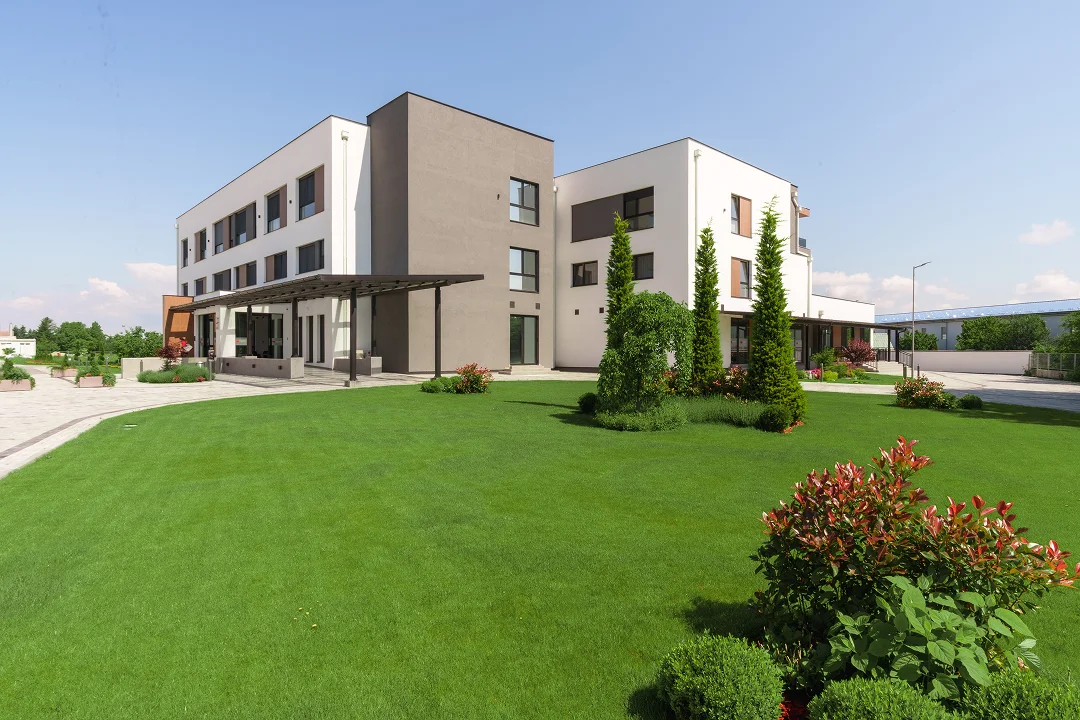
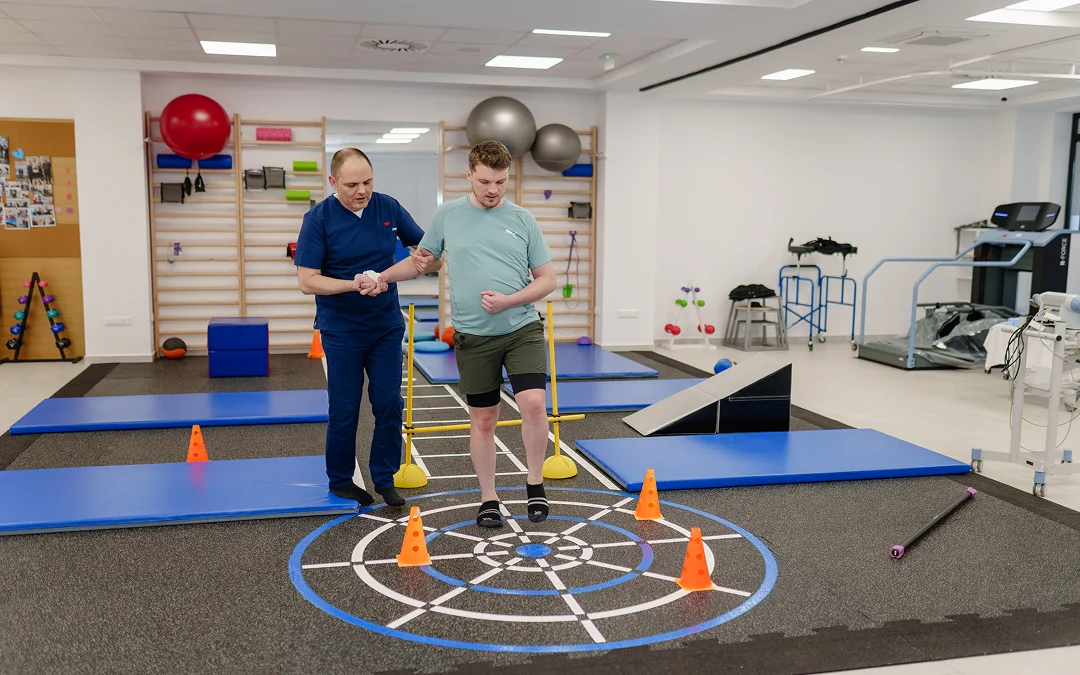
The comprehensive care model of a stem cell cinic like Swiss Medica, Serbia, illustrates what a patient-centered regenerative strategy looks like.
Accurate diagnosis and realistic expectations
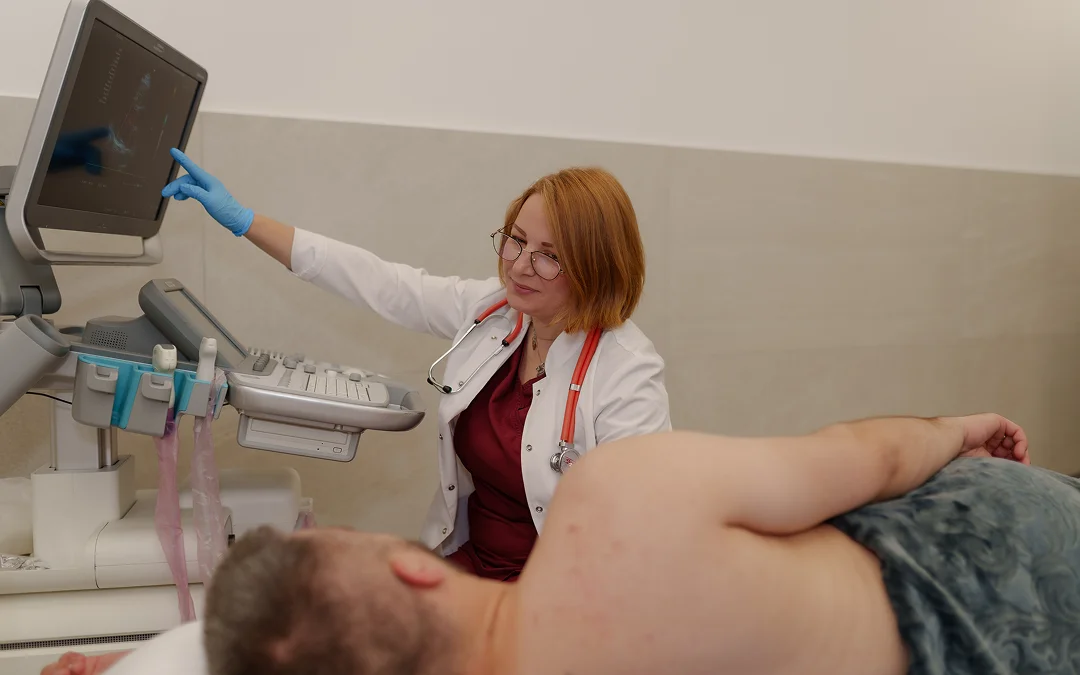
At Swiss Medica, the process starts with a thorough consultation and medical evaluation. Our medical team reviews symptoms, previous treatments, imaging, laboratory findings, functional limitations, and general health status. If the information is incomplete, we may need to conduct additional evaluation before proposing a treatment strategy.
Expectations should be realistic from the beginning. Regenerative therapy may help support repair processes, immune regulation, or inflammatory balance in selected contexts, but responses vary. No clinic should promise a cure, guaranteed improvement, or permanent results.
Get a personalized therapy plan
Request a free consultation with a regenerative medicine specialist. Our medical coordinators will review your case and recommend the most effective cell therapy protocols.

Medical Advisor, Swiss Medica doctor
Personalized therapy strategy
A personalized strategy considers diagnosis, disease stage, age, general health, previous procedures, and treatment goals.
At Swiss Medica, treatment programs include medical evaluation, personalized treatment planning, cell-based therapy, supportive procedures, physiotherapy, accommodation, airport transfers, meals, and follow-up support for 3-6 months and check-up visit that is included in the package. Prices for this program range from approximately €7,000 to €31,000, depending on the diagnosis, cell type, number of procedures, supportive therapies, and length of stay.
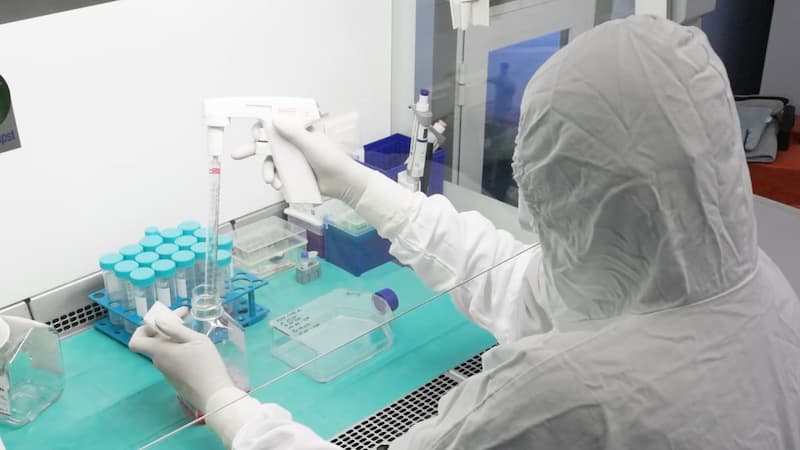
Safety is part of personalization. Swiss Medica has an in-house laboratory that ensures the safety of stem cells and other cellular products at every stage of their production.
*The prices mentioned are indicative and subject to change based on individual factors, including the condition’s severity and the number of stem cells needed. Prices are valid as of January 2026.
Follow-up care and progress monitoring
The most important part of treatment happens after the cells are given. Our staff remains in touch with the patient for 3-6 months after the main part of treatment is over.
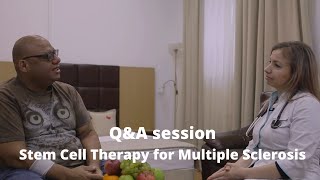
Todd’s Experience at Swiss Medica
Todd from Seattle, Washington, who had lived with multiple sclerosis for more than 30 years, described why he began looking beyond local options.
His earlier experience with a cell-based protocol in 2009 made him interested in a comprehensive regenerative medicine program that included medical evaluation, cell-based therapy, physical rehabilitation, and supportive care.
He explained that his main goal was not to “cure” MS, but to keep functioning, continue working, and support his quality of life while living with a progressive condition. In his words:
“I understood back then that stem cell therapy was not a cure for MS—eyes wide open. But it had the promise of repair.”
What he noticed at Swiss Medica was the structure of the program. He described the medical team, English-speaking support, transportation, accommodation, and rehabilitation as part of one coordinated process. He also emphasized the role of physiotherapy and preparation before cell administration:
“It was not just grabbing my bone marrow and putting it back. Here, the program included conditioning, IV support, and physiotherapy. They were trying to set a platform for the cells.”

Multiple sclerosis is complex, and responses to regenerative programs may vary. However, Todd’s story reflects an important principle: for chronic neurologic conditions, patients often need more than a single procedure. His full story, along with other testimonials from American patients, is available on our official YouTube channel.
The Consultation Process: Where Treatment Decisions Are Made
The foundation of a successful medical journey is a thorough consultation with a doctor.
You should have the opportunity to speak with a physician who can explain the science of the “niche” environment—the biological surroundings where the cells will work.
A doctor should be able to candidly answer difficult questions about what the specific risks of stem cell therapy are for your age group.
Take the first step toward informed recovery
Swiss Medica provides a high-standard medical environment focusing on personalized care and long-term follow-up. We invite you to schedule a free non-obligation medical consultation to receive a clear review of your medical history and a personalized treatment strategy.
Medical Advisor, Swiss Medica doctor
Frequently Asked Questions
1. How much does stem cell therapy cost in Los Angeles?
The price of stem cell therapy in Los Angeles generally ranges from $5,000 to $50,000, depending on the complexity of the procedure and the cell source used.
2. Is stem cell therapy legal in Los Angeles and California?
Yes, it is legal. However, clinics must adhere to strict FDA guidelines regarding “minimal manipulation.” Clinics are also legally required to inform you if their treatment is not FDA-approved.
3. What conditions can stem cell therapy treat in Los Angeles clinics?
Most clinics focus on orthopedic conditions (knees, hips, spine), chronic pain management, and aesthetic rejuvenation, like the stem cell facial in Los Angeles.
4. How long do results from stem cell therapy last?
Results vary a lot from person to person. For orthopedic problems, many patients feel better for 1 to 2 years, although this depends on how bad the degeneration is and how committed the patient is to rehabilitation after treatment.
5. How do I choose the best stem cell clinic?
Look for a clinic that offers a thorough medical review, clearly explains what type of cells or biologic products it uses, and sets realistic expectations about possible results. It is also important to choose a provider with qualified medical staff, clear safety protocols, and a treatment plan tailored to the patient’s diagnosis rather than a one-size-fits-all approach.
List of References:
Freitag, J., Wickham, J., Shah, K., & Tenen, A. (2022). Real-world Evidence of Mesenchymal Stem Cell Therapy in Knee Osteoarthritis: A Large Prospective Two-Year Case Series. Regenerative Medicine, 17(6), 355–373. https://doi.org/10.2217/rme-2022-0002
U.S. Food and Drug Administration. Consumer Alert on Regenerative Medicine Products Including Stem Cells and Exosomes. https://www.fda.gov/vaccines-blood-biologics/consumers-biologics/consumer-alert-regenerative-medicine-products-including-stem-cells-and-exosomes
Supports the article’s statements about FDA oversight, unapproved stem cell and exosome products, and the fact that FDA-approved stem cell products in the U.S. are currently limited to specific blood-forming stem cell products.
U.S. Food and Drug Administration. Framework for the Regulation of Regenerative Medicine Products. https://www.fda.gov/vaccines-blood-biologics/cellular-gene-therapy-products/framework-regulation-regenerative-medicine-productsDawson, G., & Bernier, R. A quarter century of progress on the early detection and treatment of autism spectrum disorder. Development and Psychopathology, 25(4 Pt 2), 1455–1472 (2013). https://doi.org/10.1017/S0954579413000710