swiss medicaXXI century S.A.
Miami has become one of the places where patients first look when considering modern regenerative medicine. The city’s reputation for wellness, sports recovery, and international healthcare makes regenerative stem cell therapy in Miami an appealing option for people dealing with joint pain, injuries, inflammation, or age-related health concerns.
Still, location is only one factor. In the U.S., stem cell procedures face strict FDA regulations, and many advertised treatments have limits. In this article, we explain what stem cell therapy in Miami may involve, what to expect, and which alternatives may offer broader options.
Availability of Stem Cell Therapy in the U.S. and Florida: A Brief Overview
Miami stands out in this landscape because it combines medical tourism infrastructure with an active regenerative medicine market.
Stem cell therapy in the USA is available through several different pathways. Some treatments are FDA-approved for specific uses, some are studied in registered clinical trials, and many are offered by private clinics as paid commercial procedures.
FDA Regulations and Treatment Limitations in the U.S.
In the U.S., the FDA regulates stem cell products, especially when they are claimed to treat, cure, or mitigate disease. Not all stem cell products are FDA-approved; currently, approval mainly applies to specific therapies for blood and immune system conditions.
For other conditions, patients may access stem cell therapy through registered clinical trials, but these studies usually have strict eligibility criteria, so not everyone can participate. As research continues, some clinics offer treatments separately, using defined medical protocols, patient screening, and medical supervision.
A treatment that is not FDA-approved for a specific condition is not automatically unsafe or ineffective. In many cases, it means the therapy is still being studied, while new research continues to evaluate its safety and potential benefits. Some studies show promising results, so certain treatments may be used as innovative off-label options under medical supervision.
At the same time, Florida has expanded access to some procedures under state-level rules, making Miami more visible for patients interested in regenerative medicine.
Why Miami Attracts Patients Interested in Regenerative Medicine
Miami has long had clinics working in the regenerative medicine field, especially in areas such as orthopedics, pain management, hair restoration, and anti-aging programs. The new Florida law has brought more attention to this market because it expanded access to certain stem cell procedures under specific state requirements.
These rules allow licensed physicians to offer stem cell therapies for orthopedics, wound care, and pain management if requirements for sourcing, advertising, and informed consent are met.
However, the law is limited: it does not apply to every treatment marketed as regenerative stem cell therapy in Miami.

Conditions Commonly Treated with Stem Cell Therapy in Miami
Regenerative stem cell therapy in Miami is most often offered for orthopedic cases, sports-related injuries, chronic inflammation, and broader wellness goals.
| Area | How it is commonly presented in Miami |
| Joint and orthopedic conditions | In Miami, stem cell therapy for arthritis, other joint conditions, and sports injuries is one of the main directions in clinics. This may include knee osteoarthritis, hip or shoulder pain, spine-related pain, tendon injuries, and ligament problems. |
| Chronic pain and inflammation | Some clinics offer regenerative stem cell injections in Miami for chronic pain or inflammation-related conditions. |
| Regenerative and anti-aging applications | Clinics offer regenerative medicine for anti-aging, vitality, recovery, fatigue, immune support, and longevity programs. |
What Conditions Are Less Commonly Treated in Miami
Some Miami clinics mention complex neurological or autoimmune conditions, but these are not usually treated as routine cases. Stem cell-based alternative treatments for autism, Parkinson’s disease, multiple sclerosis, or other progressive neurological conditions remain limited and require careful medical evaluation.
Patients with severe autism symptoms, advanced neurological disease, autoimmune disorders, or systemic conditions should be especially cautious when choosing a clinic. A consultation is important to confirm whether treatment is appropriate, what risks may be involved, and whether the clinic has experience with similar cases.
To better understand how stem cell therapy for autism works, parents may first want to learn more about what causes autism. Read our dedicated article on this topic.
Learn more about what causes autismWhat Stem Cell Therapy in Miami Involves
Stem cell therapy is a form of regenerative medicine that uses specialized cells to support the body’s natural repair processes.
Types of Stem Cells Used in Treatment
In regenerative therapy, both in Miami and abroad, clinics most often use several types of cell-based products:
- Mesenchymal stem cells (MSCs): commonly used in regenerative medicine for their signaling, anti-inflammatory, and tissue-supporting properties.
- Exosomes and secretome: bioactive components derived from MSCs, involved in cell signaling and enhancing the therapeutic effects.
- Hematopoietic stem cells: blood-forming cells used mainly in intensive treatments for blood and immune-system disorders. This type of therapy is a major medical procedure with serious potential risks.
For regenerative medicine in this article, we focus specifically on MSCs—cells that have been studied for several decades and are widely recognized for their favorable safety profile and therapeutic potential.
Depending on the condition and treatment goals, MSCs may come from different sources.
Autologous cells are derived from the patient’s own body, such as adipose tissue or bone marrow.
Donor-derived cells may come from perinatal tissues, such as the umbilical cord or placenta after healthy births, depending on medical requirements.
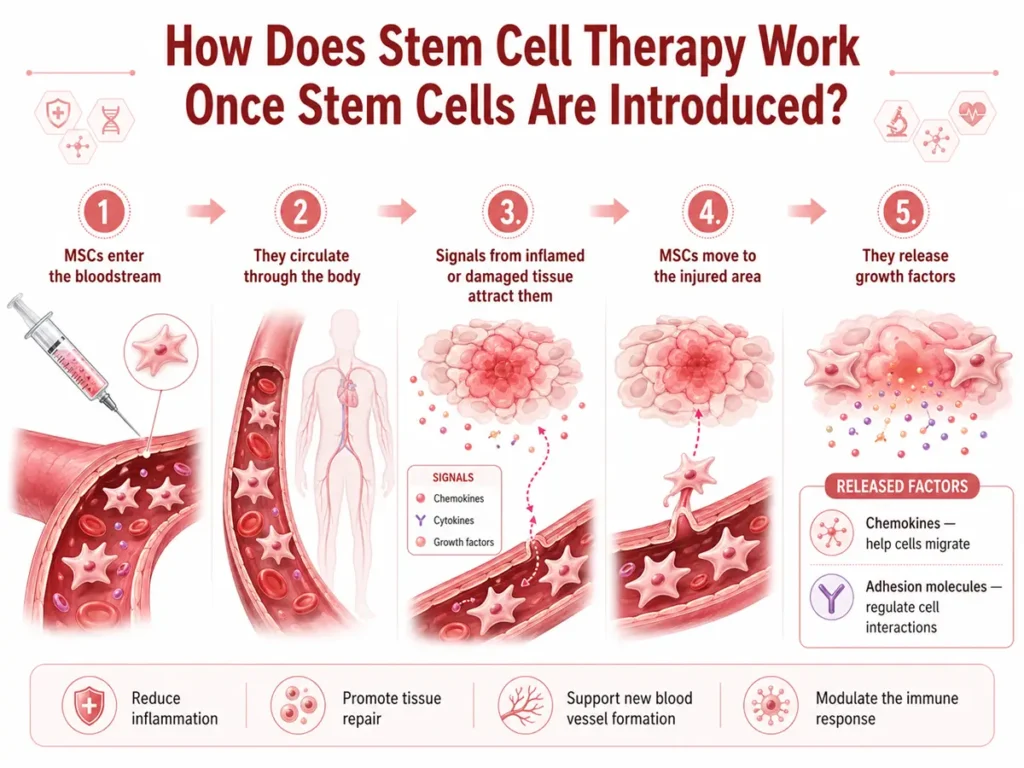
How Stem Cell Therapy Works and Is Performed
The goal of stem cell therapy is to improve the body’s ability to repair itself by reducing inflammation, supporting tissue recovery, and creating a healthier environment for healing.
Stem cell therapy does not replace a joint, organ, or standard medical treatment. It should be used as an additional therapy alongside the main treatment plan, with the goal of supporting and potentially strengthening its effect.
Once prepared, the cells may be delivered through IV infusion, direct injections into the affected area, or other methods depending on the condition and treatment plan.
Treatments with Stem Cells in Miami: Cost and What Is Included in the Final Price
Stem cell therapy costs in Miami can vary widely because the price depends on the procedure type, clinic, cell source, and number of sessions.
Average Cost Ranges in Miami
Stem cell treatments in Miami are usually priced individually after a medical review. As a general market range, patients may see costs from about $3,500–$5,000 for simpler localized stem cell injections to $20,000–$50,000 or more for complex, multi-area, or multi-session regenerative protocols.
What Affects the Final Price
The final cost usually depends on the following:
- Treatment type and complexity: a single stem cell injection in Miami may cost less than a series of infusions or a more complex multi-step protocol.
- Cell source: autologous cells are taken from the patient and require collection and processing; allogeneic donor cells are prepared in advance but require specialized production and quality control.
- Diagnostics and imaging: MRI, ultrasound, lab tests, or other pre-treatment checks may be billed separately.
- Clinic and physician expertise: prices can vary depending on the clinic’s standards, medical team, location, and experience with regenerative treatments.
- Length of stay and extras: rehabilitation, physiotherapy, follow-up care, accommodation, transfers, or other services may increase the final cost if they are not included in the package.
Why Some Patients Look Beyond Miami for Stem Cell Therapy
Many regenerative treatments in the U.S. are still limited by FDA rules, clinical trial access, and high out-of-pocket costs. Even in Florida, where access has expanded, not every protocol or condition is available.
For this reason, some patients compare regenerative stem cell therapies in Miami with clinics abroad. The main reasons are usually treatment availability, access time, and cost.
Differences in Treatment Availability Across Countries and Broader Care Models
Stem cell therapy is regulated differently from country to country. In some destinations, broader protocols, lower operating costs, more active clinical research, and greater experience with complex conditions may allow clinics to offer more comprehensive programs than are typically available in the U.S.
These broader programs may include donor-derived cells, combination therapies, diagnostics, rehabilitation, and a supervised stay, which can be useful for complex cases.
Shorter Waiting Times and Faster Treatment Access
Some international clinics may offer faster access because their programs cover a broader range of conditions and rely on experience with cases that may be harder to treat under U.S. pathways. This can make treatment more available for patients who already have medical records and a clear diagnosis.
Cost Differences Between Miami and International Clinics
Treatments with stem cells in Miami cost different amounts depending on the treatment area, type of injection, number of sessions, and overall protocol. International clinics may seem more cost-effective when they offer packages that include diagnostics, procedures, accommodation, transfers, meals, and follow-up.
Before looking at specific destinations, it is important to understand how Miami and international clinics differ in treatment access, pricing, and follow-up.
Stem Cell Treatments in Miami vs International Clinics: Main Differences
| Topic | Miami and the U.S. | International Clinics |
| Regulatory environment and treatment flexibility | Strict FDA oversight; access is more limited, though Florida allows some stem cell therapies under specific rules. | Rules vary by country; some clinics may offer broader protocols, but standards differ. |
| Patient evaluation and personalization | Focused on a specific procedure. For example, in Miami, stem cell therapy for arthritis or pain-related conditions is commonly offered. | May offer broader programs with rehabilitation, supportive therapies, and longer supervision. |
| Cost transparency and packages | Often priced by treatment area, number of sessions, or type of stem cell injection. | More often package-based, including diagnostics, accommodation, transfers, meals, and follow-up. |
| Follow-up and monitoring | Easier in-person follow-up for local or U.S.-based patients. | Requires clear remote monitoring after treatment, and some clinics offer this option. |
Countries Patients Consider for Stem Cell Therapy Outside the U.S.
Patients often compare clinics in Latin America, Asia, and Europe. Here is an overview of stem cell treatment costs in the most popular destinations:
| Country | Typical Cost Range | Advantages and Limitations |
| United States | €17,000–€42,700+ | Strong medical oversight and easier follow-up for U.S. patients. Procedures are limited in protocols and can be expensive. |
| Mexico | €2,800–€7,500 for a single injection | Broader access and lower prices than in the U.S. Clinic standards and oversight can vary, so patients need to check licensing, protocols, cell sourcing, and follow-up carefully. |
| Germany | €11,000–€25,000 | High quality and strong safety standards, with access to leading research centers and specialists. Treatment is often available mainly through expert centers or clinical trials and is usually not the best option for cost savings. |
| Serbia (Swiss Medica) | €7,000–€31,000* | Combines strong medical standards with more accessible pricing; rehabilitation, personalized care, and patient support are included in many treatment programs. |
*Prices are indicative and based on 2026 estimates; they may vary depending on condition severity and required cell quantity.
Europe as a Destination for Regenerative Treatments
Europe attracts patients looking for regulated care and broader regenerative medicine options. In some countries, clinics may treat a wider range of conditions than is usually available in the U.S.
Eastern Europe, including Serbia, is often more accessible than Western Europe in terms of cost and program flexibility, while maintaining high medical standards and stem cell quality. For example, Swiss Medica in Belgrade offers package-based treatment programs with diagnostics, personalized planning, rehabilitation, accommodation, transfers, and follow-up.
What Makes Certain Clinics in Europe Stand Out Internationally
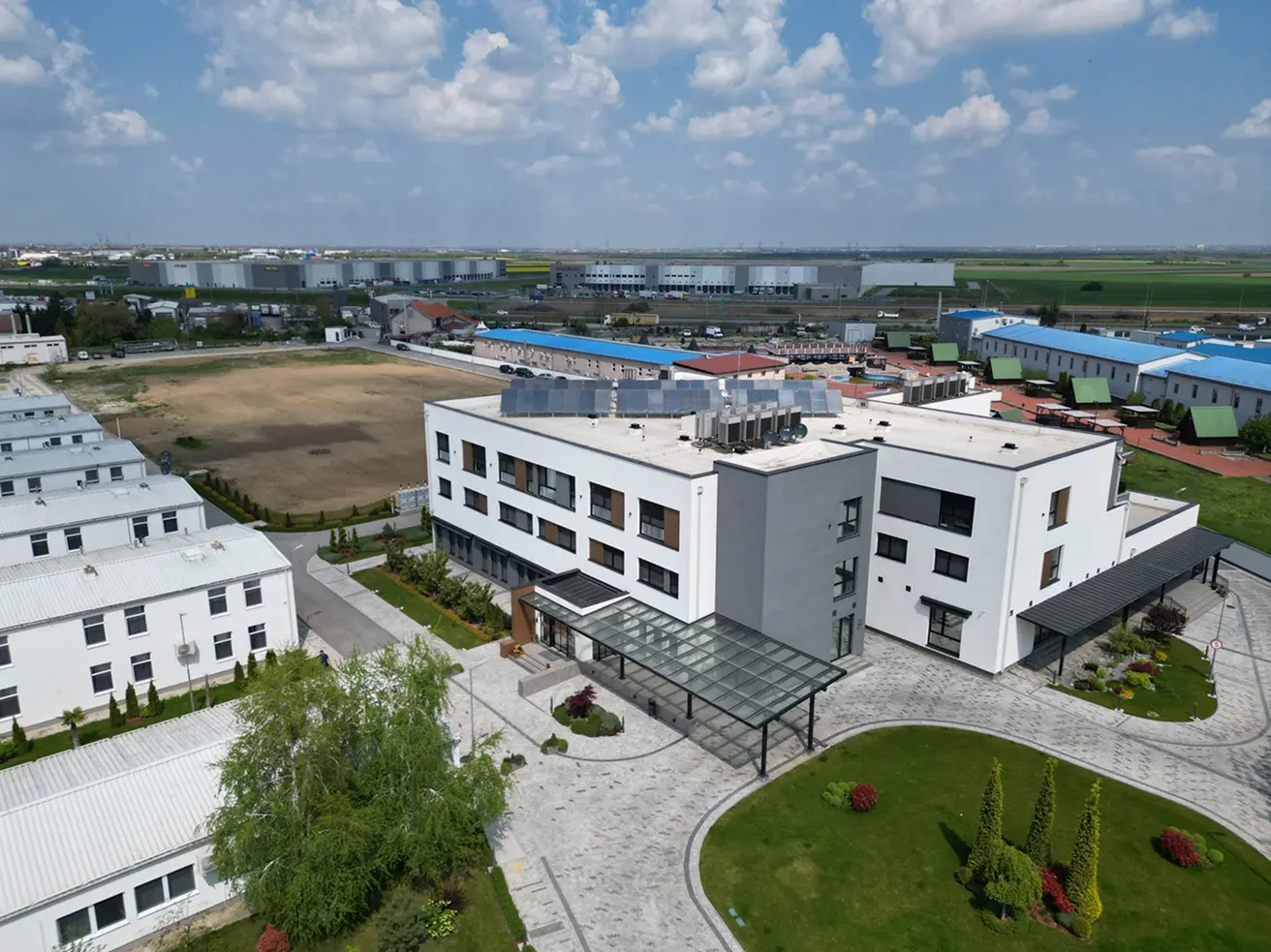
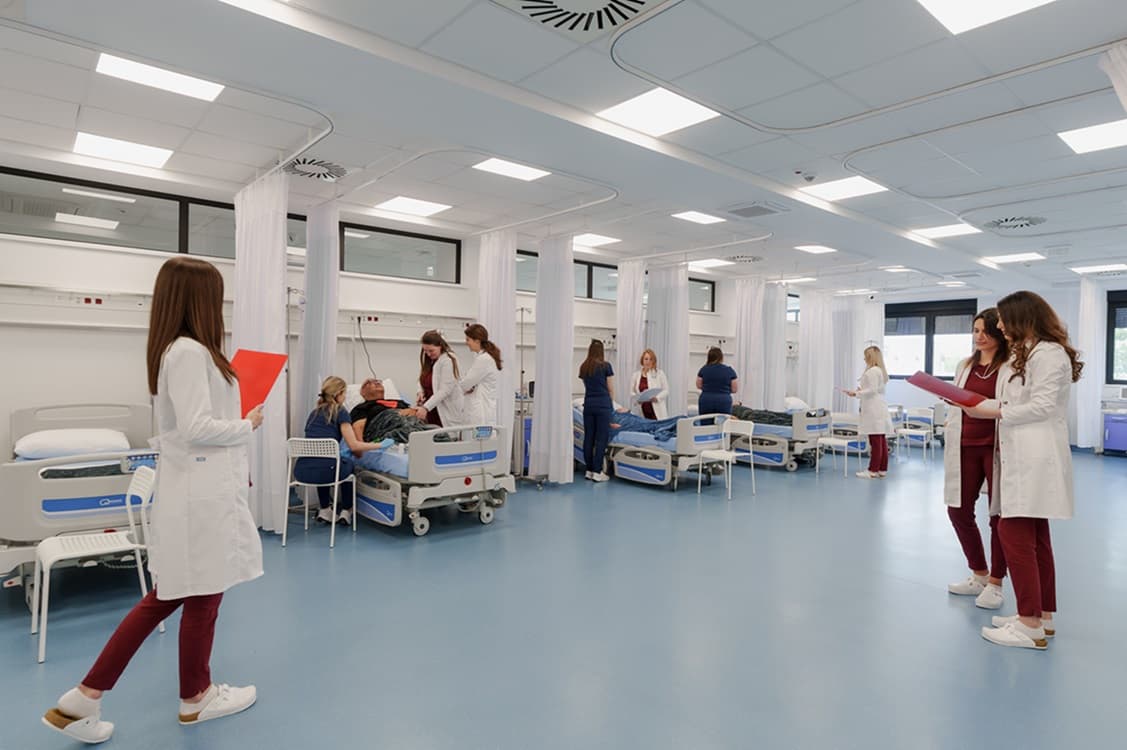
Swiss Medica is a stem cell clinic in Serbia and an example of an international medical organization built around a broader care model. The new hospital in Belgrade opened in 2024 and is equipped with modern medical technologies. Since 2011, we have treated more than 10,000 patients worldwide, offering stem cell therapy for autism, multiple sclerosis, Parkinson’s, arthritis, and other chronic or complex disorders.
Here is why patients choose Swiss Medica:
- Personalized treatment protocols. Each program is designed after a careful review of the patient’s diagnosis, medical history, test results, disease stage, and treatment goals.
- Clear medical standards. Treatment takes place in a hospital setting, with medical supervision, documentation, safety procedures, and quality control at every stage.
- GMP-certified laboratory. Swiss Medica has a GMP-certified lab, where cell sterility and viability are carefully monitored before use.
- Experienced regenerative medicine team. Treatment is planned and performed by physicians with experience in regenerative medicine and complex chronic conditions.
- Comprehensive care model. Programs may include diagnostics, stem cell therapy, physiotherapy, supportive procedures, accommodation, transfers, and follow-up.
- Support for international patients. Coordinators guide patients through the process, from the first consultation to post-treatment communication.

What Patients from the U.S. Say About Swiss Medica
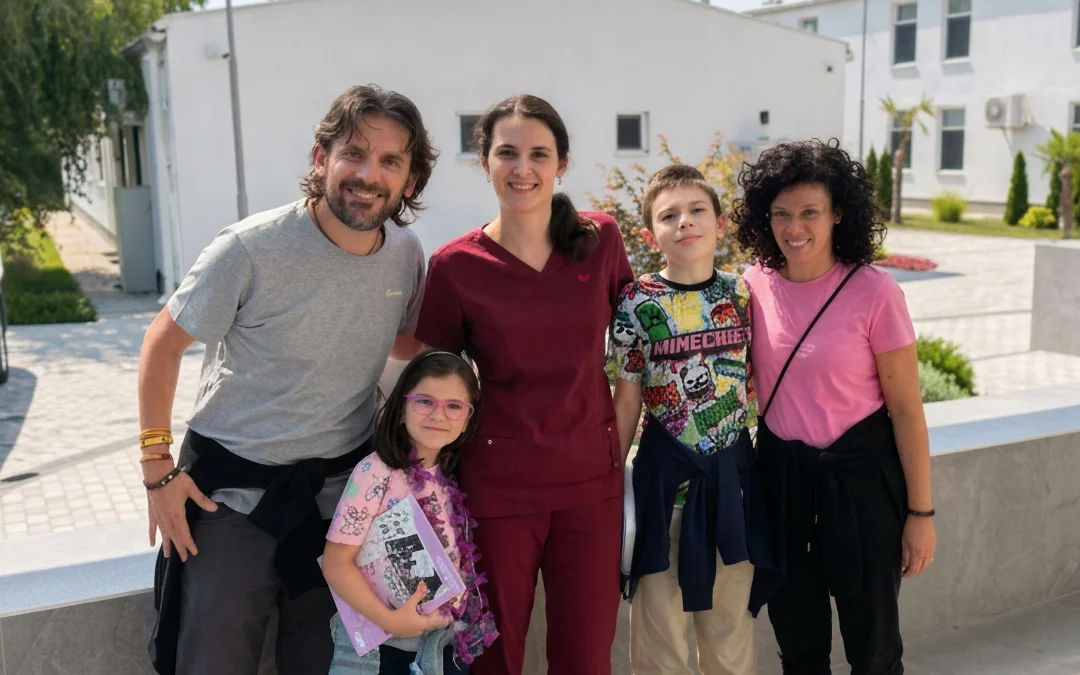
“We came from the U.S. with our 9-year-old son with autism after trying standard therapies and looking into clinical trials. We did not expect quick changes, but after the first treatment day, he went up to another child, shook hands, and said hello—something we had never seen before. After the second day, he brushed his teeth on his own without step-by-step reminders. These were important steps for us to see, and they gave us hope for further improvements.”
— Patients from the USA
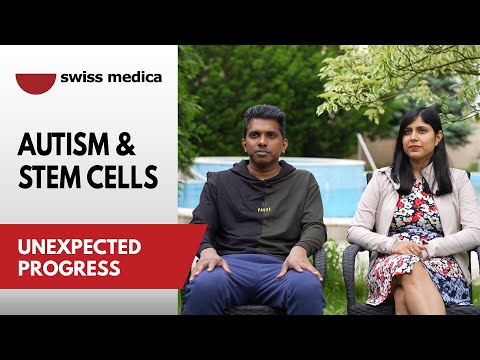
You can find more testimonials from real patients and their experiences with different conditions on our YouTube channel.
Read more about stem cell therapy for autism and its effectiveness in our dedicated article.
Read moreWhat to Consider Before Traveling for Stem Cell Therapy
Traveling for stem cell therapy is a serious decision, and patients should understand what happens before, during, and after treatment. At Swiss Medica, medical advisors guide patients from the very beginning, explaining each step clearly so they know what to expect and feel supported throughout the process.
Medical Consultation Before Travel
Before a trip is booked, our doctors review the patient’s diagnosis, current medications, previous surgeries or injections, contraindications, imaging, and lab results. This helps the medical team assess whether the patient may be suitable for treatment and fit to travel.
Travel Planning and Logistics
Patients should also understand the practical details: how long they need to stay, how many visits are required, whether a companion is needed, and how mobility limitations will be managed.
Swiss Medica packages include accommodation inside the hospital, airport pickup, daily meals, and support during recovery before the flight home. These details are discussed with a medical advisor before travel.
Safety and Post-Treatment Support
Safety should be clear before treatment begins and continue after the main stay.
At Swiss Medica, cell processing and sterility checks are performed in an in-house laboratory as part of the treatment process. After the patient returns home, our doctors stay in contact for 3–6 months to monitor progress, answer questions, and adjust recommendations when needed.
The program also includes one follow-up visit for a medical consultation and check-up; the patient only covers travel expenses, while the consultation and examination are provided at no additional cost.
When Traveling for Stem Cell Therapy Makes Sense—and When It Doesn’t
International treatment may be worth considering when the patient already has a clear diagnosis, no acute or unstable condition, no pregnancy, and no active-stage cancer.
Travel itself should not be the main fear. Experienced international clinics support patients through logistics, mobility needs, accommodation, transfers, and recovery planning. At Swiss Medica, patients with different mobility levels, including wheelchair users, travel for treatment and receive support throughout their stay.
Staying local is usually safer when close medical supervision is needed, especially in the conditions listed above. These situations require close medical supervision near home.
It is also important to notice red flags when choosing a clinic. Be cautious if a clinic promises a guaranteed cure or gives a simple “yes” to questions like “Can autism go away after the treatment?” A responsible clinic should not claim that autism, Parkinson’s disease, multiple sclerosis, or other complex conditions will disappear right after stem cell therapy.
Other red flags include:
- Claims that standard therapies or medication for autism and other conditions will no longer be needed,
- No doctor consultation,
- Pressure to book quickly,
- No follow-up plan,
- No discussion of risks.
Get a free online consultation
Start with a free consultation at Swiss Medica to understand whether regenerative therapy may be suitable for your condition and what results may be realistic for you. Book your consultation here—with no obligation to make a decision during the call.

Medical Advisor, Swiss Medica doctor
How Patients Start the Process—Locally or Internationally
Here is a simple step-by-step overview of how patients usually start their treatment journey at Swiss Medica.
Step 1: Free Consultation and Medical Evaluation
The process starts with an online consultation. Patients share their diagnosis, health goals, medical history, current medications, imaging, lab results, and information about previous surgeries or treatments. The medical team reviews these records to understand whether stem cell therapy may be appropriate for the case.
Step 2: Personalized Treatment Plan and Scheduling
If the patient is considered eligible, regenerative medicine specialists prepare a personalized plan. It may include the recommended cell type, number of sessions, administration method, supportive therapies, diagnostics, expected length of stay, and a clear cost estimate. After that, treatment dates are scheduled around the patient’s availability.
Step 3: Treatment Program
After arrival, patients undergo in-person checks before the treatment begins. Cells are prepared and tested according to the clinic’s protocols, and procedures are performed in a controlled medical environment. Depending on the case, the program may also include rehabilitation, physiotherapy, or other supportive therapies.
Step 4: Recovery and Follow-Up
Before returning home, patients receive aftercare instructions and a follow-up plan. Doctors may schedule follow-up over the next months to monitor progress, answer questions, and adjust recommendations when needed.
Making the Right Choice for Stem Cell Therapy in Miami and Beyond
The decision should start with a medical consultation, not a price list or marketing promise. At Swiss Medica, we offer free medical consultations to help patients make an informed decision: whether their condition may be suitable for treatment, what a personalized program may include, how long it may take, and what outcomes may be realistic.
Contact us
Book a free consultation with Swiss Medica to receive a clear medical review, personalized treatment options, and next steps—with no pressure or obligation.
Medical Advisor, Swiss Medica doctor
Frequently Asked Questions
1. Is stem cell therapy legal in Miami?
Yes, some stem cell procedures are legal in Miami, but their regulatory status can differ. It depends on the condition being treated, the cell type, how the cells are processed, and whether the therapy is considered investigational.
2. How much does stem cell therapy cost in Miami?
Stem cell injection in Miami may cost about $3,500–$5,000 for a single procedure, while more complex regenerative protocols involving multiple areas or several sessions can range from $20,000 to $50,000 or more. The final cost depends on the clinic, diagnosis, cell source, number of procedures, diagnostics, follow-up, and whether treatment is offered as a package.
3. Why is stem cell therapy often expensive in the U.S.?
Stem cell therapy in the U.S. is often expensive because pricing may include higher operations costs. Many elective regenerative procedures are also self-pay, as insurance often does not cover treatments considered investigational.
4. Why do patients travel outside the U.S. for stem cell therapy?
Patients may travel abroad because some countries offer broader regenerative medicine protocols, package-based programs, different pricing, or faster access. However, patients should compare clinics carefully and check medical standards, safety practices, cell testing, physician expertise, and follow-up care.
5. What questions should I ask before choosing a stem cell clinic?
Ask clear, practical questions and avoid relying on marketing claims. For example, ask about the cell source, evidence for your condition, risks, sterility testing, total cost, follow-up care, and what happens if complications occur.
List of References:
Wang, Y., Yi, H. & Song, Y. The safety of MSC therapy over the past 15 years: a meta-analysis. Stem Cell Res Ther 12, 545 (2021). https://doi.org/10.1186/s13287-021-02609-x
Wu, M., Zhang, R., Zou, Q. et al. Comparison of the Biological Characteristics of Mesenchymal Stem Cells Derived from the Human Placenta and Umbilical Cord. Sci Rep 8, 5014 (2018). https://doi.org/10.1038/s41598-018-23396-1
Freitag, J., Wickham, J., Shah, K., & Tenen, A. (2022). Real-world Evidence of Mesenchymal Stem Cell Therapy in Knee Osteoarthritis: A Large Prospective Two-Year Case Series. Regenerative Medicine, 17(6), 355–373. https://doi.org/10.2217/rme-2022-0002
Lv X, Wang L, Zou X, Huang S. Umbilical Cord Mesenchymal Stem Cell Therapy for Regenerative Treatment of Rheumatoid Arthritis: Opportunities and Challenges. Drug Des Devel Ther. 2021 Sep 15;15:3927-3936. doi.org/10.2147/DDDT.S323107

Medical Advisor, Swiss Medica doctor

MD, Pediatrician, Regenerative Medicine Specialist