swiss medicaXXI century S.A.
For many people, skin rejuvenation is no longer only about reducing visible signs of aging but also about supporting healthier-looking skin from within. While Botox and fillers target specific concerns such as wrinkles and volume loss, regenerative approaches are being explored for their potential to influence processes involved in collagen production, elasticity, and tissue renewal. Stem cell therapy for wrinkles is one such approach being studied for its potential role in improving skin quality and supporting a more refreshed appearance.
Why Wrinkles Develop Below the Skin’s Surface
Wrinkles are not caused by one isolated change. They develop through a combination of alterations in the skin’s structure, repeated facial movement, environmental exposure, genetics, and changes in the tissues beneath the skin. Understanding these differences is important because no single facial rejuvenation treatment addresses every cause equally well.
Collagen, Elastin, and Skin Hydration Decline With Age
The dermis—the supportive layer beneath the skin’s surface—contains collagen, elastin, blood vessels, fibroblasts, and an extracellular matrix that helps maintain strength, flexibility, and hydration.
As skin ages, fibroblasts become less active, collagen production gradually declines, and existing collagen fibers may become fragmented or less organized. Elastin structures also change, affecting the skin’s ability to stretch and return to its original position. At the same time, reduced moisture retention and changes in the extracellular matrix can make the skin appear drier and less resilient.
These processes may lead to:
- reduced skin thickness and firmness;
- decreased elasticity;
- greater dryness or roughness;
- slower renewal and recovery;
- the gradual appearance of wrinkles and fine lines.
Sun Exposure and Lifestyle Can Accelerate Skin Aging
Natural aging is influenced by genetics and biological processes that cannot be completely prevented. However, external factors can accelerate visible changes.
Ultraviolet radiation is one of the most important contributors. Repeated sun exposure can damage collagen and elastin, alter pigmentation, and contribute to uneven texture.
Smoking may further affect circulation, oxidative stress, and collagen breakdown, while air pollution can expose the skin to particles and reactive compounds associated with premature aging.
Repeated facial expressions also contribute to the formation of lines in areas such as the forehead, between the eyebrows, and around the eyes. Sleep, nutrition, stress, general health, and skincare habits may influence skin appearance as well, although lifestyle alone does not determine how quickly or visibly a person ages.
A comprehensive skin aging treatment should therefore consider both biological aging and the external factors affecting the skin over time.
Dynamic Wrinkles, Static Wrinkles, and Volume Loss Are Different
Not every visible sign of facial aging is the same:
- Dynamic wrinkles appear or become more prominent when facial muscles contract, such as when smiling, frowning, or raising the eyebrows.
- Static wrinkles remain visible when the face is at rest and may become deeper as collagen, elasticity, and dermal support decline.
- Volume loss occurs when fat, bone, and other supporting tissues change with age, altering facial contours and contributing to folds or hollow areas.
- Skin laxity refers to looseness or sagging caused by reduced structural support.
- Changes in skin texture may include roughness, enlarged pores, uneven pigmentation, and reduced smoothness.
These concerns may occur together, but they do not necessarily respond to the same procedure.
Stem Cells vs Botox, Fillers, Microneedling, and Laser Treatments
Different aesthetic treatments address different mechanisms involved in facial aging. The most appropriate option depends on the patient’s main concern. Stem cell treatment for wrinkles is generally discussed in relation to overall skin quality and healthy-looking appearance—not as a direct substitute for every established cosmetic procedure.
| Approach | Main intended target | Typical timing of visible changes |
| Botulinum toxin | Primarily used for dynamic lines caused by repeated muscle contraction. It may be suitable for forehead lines, frown lines, or wrinkles around the eyes. | Usually relatively rapid, but it does not restore lost facial volume |
| Dermal fillers | Are designed to add volume or structural support. They may be used for deeper folds, hollow areas, or changes in facial contours. | They are often visible immediately but do not directly address every aspect of skin hydration, texture, pigmentation, or biological aging. |
| Microneedling or laser treatment | Create controlled tissue stimulation. They may be used to support collagen remodeling, improve texture, reduce certain types of pigmentation, or soften fine lines. | Develops gradually |
| Regenerative stem cell treatment for face wrinkles | Support skin quality and repair-related signaling. It does not directly paralyze facial muscles or replace substantial lost volume and should not be described as universally better than Botox, fillers, microneedling, or laser treatment. | Expected to develop gradually |
How Regenerative Therapy May Support Aging Skin
Regenerative aesthetics focuses on supporting biological processes involved in tissue maintenance and repair. The goal is not to fill lines directly or freeze facial movement.
Cell Signaling, Collagen, and the Dermal Matrix
Much of the interest in mesenchymal stem cell therapy for wrinkles is connected with the signaling molecules these cells release. Mesenchymal stem cells (MSCs) can produce growth factors, cytokines, extracellular vesicles, and other bioactive substances involved in communication between cells.
Research is examining whether these signals may:
- support fibroblast activity;
- influence collagen and elastin production;
- contribute to extracellular-matrix remodeling;
- help regulate local inflammatory activity;
- support processes involved in dermal regeneration and tissue repair.
The possible benefits of stem cell treatment for skin are therefore associated largely with how cellular signals may influence the surrounding tissue environment that affects skin texture, hydration, elasticity, and firmness. This does not mean that administered cells simply become new skin or directly replace every structure altered by aging.
Cell-derived products such as secretome and exosomes may contain some of the signaling components released by cells, but they do not contain living stem cells. Their composition, processing, concentration, and method of administration can differ substantially.
Why Visible Changes May Develop Gradually
Botulinum toxin reduces the muscle activity responsible for certain dynamic wrinkles, while dermal fillers add volume beneath the skin. These treatments can therefore produce relatively rapid and visible changes.
The proposed action of stem cell treatment for wrinkles is different. If the treatment supports fibroblast activity, collagen production, or remodeling of the dermal matrix, these processes require time. Changes in hydration or skin appearance may be noticed earlier, while collagen-related improvements in firmness and texture may develop more gradually.
For this reason, stem cells should not be presented as an instant wrinkle-removal procedure. When appropriate, regenerative treatment may be combined with botulinum toxin—used together, they may provide a more comprehensive improvement than either approach could achieve alone.
Can Stem Cells Reverse Skin Aging?
No available treatment can reverse the entire biological aging process. Stem cell therapy may be considered as part of a broader skin-rejuvenation strategy, but it cannot return tissues to a permanently younger biological state.
Treatment cannot guarantee complete removal of wrinkles, correction of substantial volume loss, resolution of severe skin laxity, or permanent facial rejuvenation.
More realistic goals may include:
- gradual skin texture improvement,
- better hydration,
- increased firmness or elasticity,
- a softer appearance of some fine lines.
The extent and timing of any visible change can vary according to age, baseline skin condition, sun damage, general health, the products administered, and the supporting procedures included.
The most accurate way to discuss stem cell therapy for wrinkles is therefore as a potential approach to supporting skin quality—not as a method of stopping time or permanently reversing aging.
What Does Research Show So Far?
Some studies have reported encouraging changes after regenerative procedures. For example, a randomized split-face study found that applying an adipose stem cell-derived exosome solution after microneedling produced greater improvements in wrinkles, elasticity, hydration, and pigmentation than microneedling alone over 12 weeks. However, because the treatment combined exosomes with microneedling, the results do not represent the effect of exosomes used independently.
Another split-face trial compared topical adipose MSC-derived exosomes with PRP after radiofrequency microneedling. Both sides showed improvements in wrinkling, texture, pigmentation, and overall skin appearance. Since every participant also underwent radiofrequency microneedling, the study evaluated two combination approaches rather than isolated exosome or PRP treatment.
Why Evidence Remains Limited
Although early findings help explain the growing interest in stem cell treatment for wrinkles, the evidence is not yet strong enough to predict consistent outcomes or identify one universally effective protocol.
Furthermore, the term “regenerative therapy for wrinkles” is often applied to a wide range of different products and procedures.
Regenerative approaches studied in aesthetic medicine include:
- living mesenchymal stem cells;
- adipose-derived cellular preparations;
- cell-derived secretome;
- extracellular vesicles and exosomes;
- PRP and other biological products obtained from the patient.
These treatments are not interchangeable, and when several procedures are performed together, visible improvement cannot automatically be attributed to one component. Evidence involving exosomes or conditioned media also cannot be presented as direct evidence for mesenchymal stem cell treatment for wrinkles. Likewise, findings from cell-assisted fat grafting do not establish what isolated stem cell injections for wrinkles would achieve.
This distinction also explains why Swiss Medica uses a comprehensive, physician-designed program instead of presenting a single injection as a complete facial rejuvenation solution.
Why Swiss Medica Uses a Comprehensive Anti-Aging Program
At Swiss Medica, the treatment protocol is designed as a comprehensive stem cell anti-aging treatment that addresses both broader age-related biological changes and local aesthetic concerns.
The aim is to address several factors that may contribute to changes in skin appearance while adapting the program to the patient’s health, skin condition, and aesthetic priorities. For example, one patient may have dynamic forehead lines, reduced cheek volume, uneven texture, and decreased skin elasticity. It is unlikely that one procedure will address all these changes equally well.
The value lies in the deliberately designed combination—not in attributing the entire result to one product or procedure.
Supporting Both Systemic Health and Skin Appearance
Skin aging occurs as part of broader biological changes. For this reason, the systemic component of the program includes stem cell therapy for wrinkles and other regenerative approaches intended to support the broader biological environment in which the skin and other tissues function:
- immune and inflammatory balance;
- cellular communication;
- circulation and tissue support;
- cellular metabolism and energy production;
- broader recovery and healthy aging mechanisms.
Note: Systemic regenerative treatment should not be interpreted as a proven way to rejuvenate every organ or reverse biological age. Its role and expected goals must be discussed according to the patient’s medical condition and the therapies included.
The program also includes local aesthetic treatments with a more direct focus on visible skin concerns: wrinkles and fine lines, uneven texture, reduced hydration, pigmentation, elasticity, or firmness.
How Cell-Based and Cell-Free Products Work Together
At Swiss Medica, living cells are combined with cell-derived and autologous biological products as part of the broader stem cell therapy for face wrinkles. These components are selected for different but potentially complementary roles:
- MSC-based therapy involves living mesenchymal stem cells capable of responding to their environment and releasing a range of signaling molecules.
- Cell-derived secretome contains soluble factors released by cells but does not contain the living cells themselves.
- Extracellular vesicles and exosomes carry proteins, lipids, and other biological material involved in intercellular communication.
- PRP is prepared from the patient’s blood and provides concentrated platelets and associated growth factors.
In a comprehensive program, systemic mesenchymal stem cell treatment for wrinkles may be intended to provide broader regenerative and signaling support. Cell-free products and PRP may then be incorporated into local procedures aimed more directly at the skin.
Note: These products should not be treated as different names for the same therapy. Their composition, biological activity, method of preparation, and administration differ.
When Local Procedures Are Added
Local procedures allow doctors to focus more directly on the areas and skin concerns identified during assessment. Depending on the individual plan, these may include the following:
| Radiofrequency microneedling | Creates controlled micro-injuries and delivers radiofrequency energy into selected layers of the skin. The procedure is intended to stimulate remodeling processes associated with collagen production and skin firmness. The microchannels created during treatment may also support the application of selected topical products. |
| PRP facial rejuvenation | Uses a preparation obtained from the patient’s blood. It may be injected or applied as part of another procedure to provide autologous platelets and growth factors to the treated area. |
| An exosome mask or another topical cell-derived product | May be used following a procedure to support the post-treatment skin environment and recovery. Its role is different from that of living cells and should not be described as a topical stem cell treatment. |
What Changes May Be Possible, and How Long Can Results Last?
Regenerative procedures are generally expected to produce gradual, natural-looking changes. The potential goals of regenerative treatment relate primarily to overall skin quality rather than creating the immediate muscle-relaxing effect of botulinum toxin or the volume added by dermal fillers.
Possible responses to stem cell treatment for wrinkles may involve:
- a softer appearance of fine lines;
- improved skin hydration;
- smoother or more even texture;
- improved elasticity;
- greater firmness;
- a healthier-looking overall appearance.
These are potential treatment goals, not guaranteed outcomes that may vary according to age, skin condition, sun damage, general health, and the combination of systemic and local therapies used.
How Long Do Stem Cell Wrinkle Treatment Results Last?
Initial changes in hydration, texture, or general skin appearance may be assessed during the first weeks after treatment. Changes associated with collagen production and dermal remodeling may take longer to develop and may become more noticeable over the following months.
Because skin continues to age naturally, it is not possible to give every patient a fixed duration for the results. Sun exposure, smoking, general health, skincare, nutrition, and other lifestyle factors may all influence how the skin looks over time.
Maintenance procedures and additional stem cell therapy for wrinkles can be discussed during follow-up, depending on how the skin responds, which initial goals have been achieved, and whether any concerns remain.
One Patient’s Experience With Anti-Aging at Swiss Medica
Lynn traveled from the USA to Swiss Medica with concerns extending beyond visible skin aging. Before her first course of stem cell treatment, she experienced hot flashes, disrupted sleep, reduced energy, and concerns about her overall well-being and skin condition.
After treatment, Lynn reported that her hot flashes had disappeared and that she could sleep through the night. She also described having more energy, feeling more optimistic, and noticing an improvement in her skin condition.
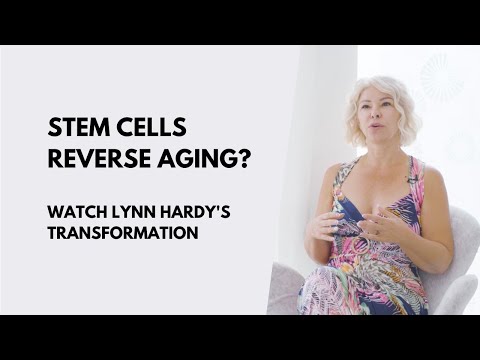
You can also watch our dedicated playlist of patients who came to Swiss Medica for anti-aging treatment to hear more individual experiences in their own words.
Who May Consider Regenerative Treatment for Wrinkles?
Stem cell therapy for wrinkles may be more relevant when the goal is to support gradual skin-quality improvement as part of a broader anti-aging program. It is less suited to patients expecting the immediate disappearance of wrinkles, substantial facial reshaping, or permanent rejuvenation.
Concerns the Treatment May Be Intended to Address
A regenerative program may be discussed for concerns such as:
- early wrinkles and fine lines;
- reduced skin hydration;
- uneven or rough texture;
- decreased elasticity;
- mild skin laxity;
- reduced firmness;
- broader changes in skin quality associated with aging or sun exposure.
When Another Procedure May Be More Appropriate
Regenerative therapy is not necessarily the most direct treatment for every visible sign of aging. Depending on the main concern:
- prominent dynamic wrinkles may respond more directly to botulinum toxin;
- substantial volume loss may require dermal fillers or fat grafting;
- significant skin laxity may require an energy-based procedure or surgery;
- certain pigmentation concerns may require targeted dermatological or laser treatment;
- suspicious lesions or active skin disease require dermatological assessment before any aesthetic procedure.
In many cases, different approaches are combined with stem cell therapy for wrinkles to address several concerns, provided the combination is medically appropriate.
Who Requires Additional Medical Review
A detailed medical review is necessary before treatment, particularly for patients with:
- an active local or systemic infection;
- inflammatory or uncontrolled skin disease;
- impaired wound healing;
- a bleeding disorder;
- current use of anticoagulant or antiplatelet medication;
- pregnancy or breastfeeding;
- a current or previous cancer diagnosis;
- allergies to substances or materials that may be used;
- a history of complications after injections or aesthetic procedures.
These factors do not always lead to the same decision. Some may require postponing treatment, modifying the protocol, or selecting a different procedure.
At Swiss Medica, the final decision is based on both medical safety and whether the proposed program can realistically address the patient’s concerns.
What Happens During Treatment at Swiss Medica?
Treatment at Swiss Medica follows a staged process, beginning with medical and skin assessment and continuing through local aesthetic procedures and regenerative therapy with stem cells for face wrinkles and follow-up.
Skin and Medical Assessment and Procedure Selection
Before finalizing the program, the medical team reviews the patient’s medical history, current medications, relevant diagnoses, allergies, and previous aesthetic procedures. A skin assessment may examine:
- the type, depth, and location of wrinkles;
- skin texture, hydration, and elasticity;
- pigmentation and signs of sun damage;
- firmness and the degree of skin laxity;
- facial volume loss;
- active skin conditions or areas requiring dermatological assessment.
Standardized photographs may be taken to document the starting point and support comparison during follow-up. Laboratory testing or additional medical evaluation may also be requested when needed to confirm that the planned procedures are appropriate.
Based on this assessment, doctors finalize the combination of systemic regenerative therapies and local aesthetic procedures. The plan may be adjusted if the on-site evaluation identifies a concern that was not apparent from the records provided before arrival.
The Main Treatment Stage
Before administration, the cellular product is prepared and checked in Swiss Medica’s in-house stem cell laboratory according to established quality-control procedures. If PRP is included, a blood sample is collected from the patient and processed to obtain the platelet-rich preparation.
The main treatment stage may include:
- systemic MSC-based therapy;
- PRP facial rejuvenation;
- radiofrequency microneedling;
- an exosome mask or another topical cell-derived preparation;
- other physician-selected regenerative or aesthetic procedures.

The procedures may take place on different days to allow time for monitoring and skin recovery. Their order depends on the individual protocol. For example, a topical cell-derived product may be applied after radiofrequency microneedling, while systemic therapy is administered separately according to the medical plan.
Before each procedure, the patient is told what will happen, what sensations may be expected, and whether any preparation or short recovery period is required.
Follow-Up and Skin Care
After local procedures, including stem cell injections for wrinkles, the skin may temporarily appear red, swollen, warm, sensitive, or dry. The medical team monitors these reactions and provides instructions according to the treatments performed.
Because regenerative changes are expected to develop gradually, progress is not assessed only at the end of the clinic stay. The Swiss Medica team remains in contact with the patient for three to six months after they return home. Follow-up may include standardized photographs, discussion of changes in hydration or texture, and evaluation of fine lines, elasticity, firmness, and overall skin appearance.
The program cost also includes a complimentary check-up visit at Swiss Medica. During this visit, doctors reassess the patient’s progress and, where appropriate, discuss whether further treatment options may be considered.
Side Effects and Safety
The safety profile of a regenerative anti-aging program depends on the products administered, how they are delivered, and which local procedures are included. Before treatment, the medical team reviews the patient’s health, medications, allergies, skin condition, and possible factors that could affect healing.
Common Short-Term Reactions
Most reactions are expected to be temporary, but their intensity and duration vary and depend on the procedures included in the individual plan.
| Procedure | Possible short-term reactions |
| Anti-aging stem cell therapy for wrinkles | Temporary fatigue, headache, mild fever, chills, nausea, or dizziness; local discomfort if injections are used |
| PRP facial treatment | Redness, swelling, bruising, tenderness, or small marks at injection sites |
| Radiofrequency microneedling | Redness, swelling, warmth, sensitivity, dryness, pinpoint bleeding, or temporary skin roughness |
| Exosome mask or topical cell-derived products | Temporary redness, tightness, tingling, sensitivity, or irritation |
| Blood or tissue collection, when required | Bruising, tenderness, swelling, or discomfort at the collection site |
| IMR therapy | Possible reactions depend on the substances used and their method of administration and should be explained before treatment |
Because patients stay at the clinic throughout the treatment program, the medical team can monitor their condition, assess any reactions that occur, and provide appropriate support when needed.
Why Sterility and Medical Supervision Matter
Cellular preparations require careful control throughout processing, storage, and administration. At Swiss Medica, cellular products are processed and checked within the clinic’s own laboratory system, giving the medical team direct oversight of the preparation administered.
Laboratory controls are combined with medical screening, sterile handling and administration, and monitoring throughout the program. Local aesthetic procedures are also performed in a controlled clinical setting to reduce risks such as infection, bleeding, pigmentation changes, or delayed healing, although no procedure is entirely risk-free.
How Much Does Stem Cell Therapy for Wrinkles Cost?
Swiss Medica’s comprehensive treatment programs generally range from €7,700 to €35,000. This is the clinic’s overall program range rather than a fixed price for stem cell therapy for wrinkles. The exact cost of an individual anti-aging program is determined after doctors review the patient’s health, skin concerns, treatment goals, and the procedures that may be appropriate.
When comparing prices at stem cell treatment clinics in Europe, it is important to check whether the quote covers only one cell administration or a complete treatment program. A lower price for an isolated procedure may not include diagnostics, medical monitoring, local aesthetic treatments, accommodation, or follow-up care.
* Prices are indicative and based on 2026 estimates; they may vary depending on condition severity and required cell quantity.
You can find a broader explanation of the factors affecting stem cell therapy cost before requesting a personalized quote.
What Is Included in the Swiss Medica Program?
The quoted price covers more than an individual aesthetic procedure. Our pricing model reflects a private, full-hospital experience rather than a fee for cell administration alone.
Depending on the program, it may include:
- medical and skin assessment;
- necessary on-site diagnostics;
- individualized protocol design;
- the regenerative and supporting procedures selected by the doctors;
- physician supervision and monitoring;
- accommodation within the medical facility;
- meals adapted to the patient’s needs;
- coordination and assistance from the client services team;
- follow-up support after the patient returns home;
- a complimentary check-up visit.

Start With a Skin and Medical Assessment
Complete the consultation form and share your medical history, information about previous aesthetic treatments, and recent photographs if available.
Swiss Medica’s doctors will review your case and explain which systemic and local procedures may be considered and what changes could be realistic.

Medical Advisor, Swiss Medica doctor
Frequently Asked Questions
1. Does stem cell therapy remove wrinkles completely?
No. Regenerative treatment may support gradual improvements in hydration, texture, elasticity, firmness, or the appearance of some fine lines, but it cannot guarantee complete wrinkle removal. Results depend on the patient’s skin condition, age, health, sun damage, and the procedures included.
2. Can you reverse aging with stem cells?
No treatment can reverse biological aging or permanently prevent future age-related changes. Stem cells and cell-derived products are being explored for their potential to support cellular communication, tissue maintenance, and skin quality, but they cannot return the body or skin to a permanently younger state.
3. How does stem cell therapy for wrinkles work?
The proposed effects are associated mainly with signals released by mesenchymal stem cells. These signals may influence fibroblast activity, collagen production, inflammatory balance, and extracellular-matrix remodeling. Swiss Medica combines systemic regenerative treatment with local aesthetic procedures selected according to the patient’s skin and health.
4. How long does it take to see results?
Some patients may notice changes in hydration, texture, or general skin appearance within the first few weeks. Changes associated with collagen production and dermal remodeling generally take longer and may develop over several months. The timing varies according to the procedures included and individual response.
5. How long do the results last?
There is no fixed duration that applies to every patient. Skin continues to age naturally, while sun exposure, smoking, health, skincare, nutrition, and lifestyle may influence durability. Follow-up helps doctors assess progress and discuss whether maintenance procedures could be appropriate.
6. Is stem cell therapy for wrinkles better than fillers?
Neither approach is universally better. Fillers add volume and may produce an immediate visible effect, while regenerative therapy focuses more on skin quality and repair-related signaling. The appropriate option depends on whether the main concern is volume loss, dynamic lines, texture, hydration, laxity, or several changes together.
7. Can stem cell therapy be combined with PRP or microneedling?
Yes, these procedures may be combined when medically appropriate. They have different roles: PRP provides autologous platelets and growth factors, while microneedling stimulates controlled skin remodeling. Because combined treatment involves several components, any improvement cannot automatically be attributed to stem cells alone.
8. Is the treatment painful?
Discomfort depends on the procedures included. Stem cell injections for wrinkles, PRP, or radiofrequency microneedling may cause temporary sensitivity or mild discomfort, while topical treatments are generally applied without injections. The medical team explains what to expect and whether local pain relief will be used.
9. What are the possible side effects?
Possible short-term reactions include fatigue, headache, mild fever, redness, swelling, bruising, tenderness, warmth, dryness, or temporary skin sensitivity. The exact risks depend on the product and administration method. Patients remain at the clinic during treatment so the medical team can monitor any reactions.
10. How much does stem cell therapy for wrinkles cost?
Swiss Medica’s comprehensive programs generally range from €7,700 to €35,000, but this is not a fixed wrinkle-treatment price. The individual estimate depends on the cellular products, administration methods, supporting procedures, diagnostics, medical supervision, and duration of the clinic stay.
* Prices are indicative and based on 2026 estimates; they may vary depending on condition severity and required cell quantity.
References:
Park G-H, Kwon HH, Seok J, et al. Efficacy of combined treatment with human adipose tissue stem cell-derived exosome-containing solution and microneedling for facial skin aging: A 12-week prospective, randomized, split-face study. Journal of Cosmetic Dermatology. 2023;22(12):3418–3426. doi:10.1111/jocd.15872.
Estupiñan B, Ly K, Goldberg DJ. Adipose mesenchymal stem cell-derived exosomes versus platelet-rich plasma treatment for photoaged facial skin: An investigator-blinded, split-face, non-inferiority trial. Journal of Cosmetic Dermatology. 2025;24(5):e70208. doi:10.1111/jocd.70208.


MD, Pediatrician, Regenerative Medicine Specialist