swiss medicaXXI century S.A.
Stem cell therapy for autism is attracting growing interest as researchers and clinicians investigate how to support children beyond behavioral and educational interventions. This approach is being studied for its potential to influence internal processes that may affect nervous system function and overall regulation. While it is not a cure, clinical studies suggest that some children may experience improvements in communication, behavior, attention, sleep, and daily functioning.
In this article, we explain what stem cell treatment for autism involves, what the current evidence shows, and who may be a candidate.
What Is Stem Cell Therapy for Autism?
ASD is a developmental condition that affects how a child communicates, interacts with others, learns, and responds to the world around them. The first signs may appear very early—sometimes from around 6 months of age and more clearly between 1 and 3 years.
For many families, autism becomes noticeable when a child does not respond to their name, avoids eye contact, has delayed speech, repeats certain movements, or finds everyday changes difficult. At the same time, autism is increasingly studied not only through behavior but also through biological processes that may influence brain and nervous system function, including immune imbalance, inflammation, oxidative stress, and changes in cellular signaling.
This is why stem cell therapy is being explored as a biomedical approach for autism. It does not replace standard therapies, such as speech therapy, occupational therapy, or behavioral therapy for autism. Instead, stem cell therapy for ASD may be considered as an additional option in selected cases.
How Stem Cell Therapy Differs from Standard Autism Support
A good example of standard treatments is speech therapy for autism. It helps a child communicate in a way that works for them. The goal is to develop spoken language but also to improve understanding, gestures, turn-taking, and the ability to express needs.
Stem cell therapy has a different goal. It is not meant to “fix” autism or directly teach a child new skills. Instead, it aims to help the body regulate, recover, and function better, giving the child a stronger foundation for learning, communication, and everyday development.
Why Stem Cell Therapy Should Not Be Presented as A Cure
Stem cell therapy does not cure autism. Its role is different: it may support physiological processes in the body and help create a healthier internal environment. Below, we explain how stem cell treatment for autism may work in children.
How Stem Cell Therapy May Support Children with ASD
When speaking about stem cell therapies, we mainly mean mesenchymal stromal cells, or MSCs—one of the most studied cell types in this field. These are adult stem cells that have been studied for many years and are used in clinical practice for their supportive and regenerative properties.
MSC stem cell therapy may support the body in several ways.
It Helps Regulate Inflammation and Immune Response
In some children with autism, inflammation and immune imbalance may affect how the nervous system functions and how the body responds to stress. MSCs can release anti-inflammatory and immune-modulating signals that may help calm excessive inflammatory activity and support better regulation.
It Supports Cellular Communication
Cells constantly exchange signals with each other. This communication helps regulate how tissues function, repair, and respond to stress. MSCs can release biologically active molecules, including through exosomes—tiny vesicles that act as messengers—which may support this natural communication process.
It Supports Healthy Blood Flow and Tissue Nutrition
MSCs may also release growth factors that support blood vessel health and tissue nutrition. Better blood flow can help improve the delivery of oxygen and nutrients to tissues, including areas involved in nervous system function.
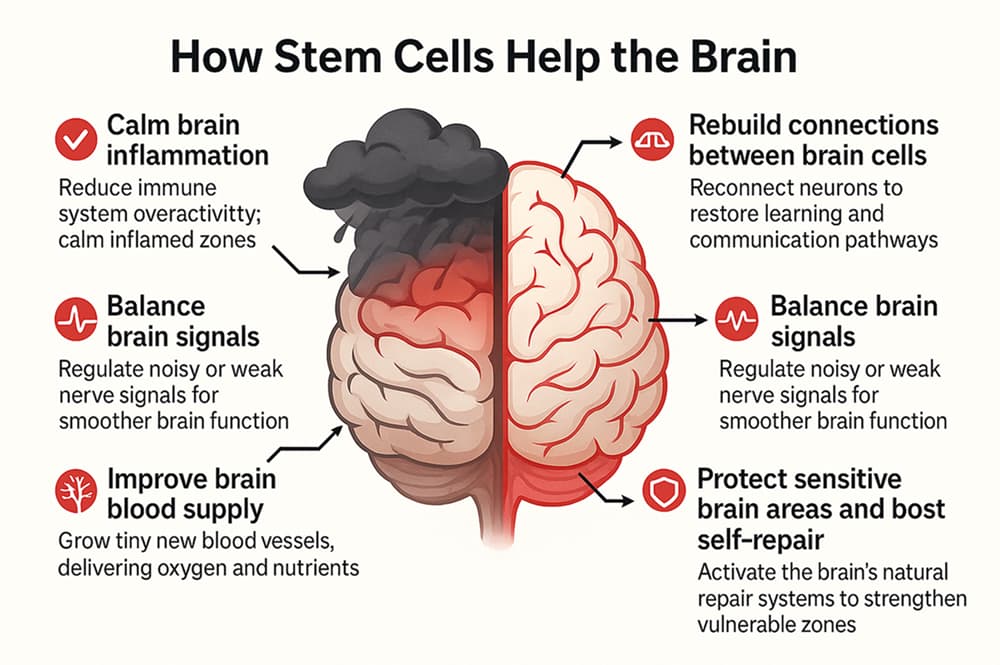
Learn more about how MSCs may help reduce neuroinflammation and support immune regulation in autism at the biological level in our article.
Read moreImprovements Families May Notice After Stem Cell Treatment for Autism
Changes after stem cell therapy for ASD usually develop gradually. Some families notice the first improvements within 1.5–3 months, such as calmer mood, better sleep, or more stable behavior. The strongest changes can appear around 3–6 months, and progress may continue for up to a year.
Outcomes vary, so it is helpful to track small everyday changes rather than expect one sudden result.
Families notice positive changes in:
| Area | What may change |
| Sleep | The child may fall asleep more easily, wake up less often, or sleep more calmly. |
| Attention | They may stay focused longer or respond more easily to instructions. |
| Communication | Families may notice more sounds, words, gestures, eye contact, or attempts to interact. |
| Sensory regulation | The child may react more calmly to sounds, touch, food textures, or changes in routine. |
| Behavior | Meltdowns may become less frequent or easier to manage. |
| Digestion | Appetite, stool regularity, bloating, or stomach discomfort may change. |
| Therapy response | The child may participate more actively in speech, occupational, behavioral, or educational sessions. |
Who May Be a Candidate for Stem Cell Treatment for Autism?
Not every child with autism is automatically a candidate for stem cell therapy. The decision depends on the child’s age, weight, diagnosis, overall health, and medical history.
Is There an Age Limit for Stem Cell Therapy for Autism?
There is no strict universal age limit for stem cell therapy. At Swiss Medica, we primarily treat children aged 3 to 10, as younger children frequently respond better. However, older children, teenagers, and adults with ASD may also be considered. Suitability is always reviewed individually.
What Doctors Review Before Recommending Treatment
Before doctors can say whether stem cell therapy may help a child, they need to understand the child’s full health history.
They review medical records, current symptoms, previous diagnoses, medications, and any co-occurring conditions. If needed, the medical team may also request blood tests, infection screening, organ function checks, or other additional examinations.
At Swiss Medica, candidacy for stem cell therapy for autism is based on several key criteria.
| Factor | What doctors look at before stem cell therapy for autism in children |
| Age | The main treatment age range is usually 3–10 years. Children aged 3–7 often respond best, while children up to 10 may still be good candidates depending on their condition. |
| Weight | A child should weigh at least 15 kg / 33 lbs. |
| ASD severity | Mild, moderate, and severe cases may all be reviewed. Children at earlier stages may respond faster, but children with more severe symptoms may also show changes, such as calmer behavior or better sleep. |
| Co-occurring conditions | Doctors look at sleep problems, digestive issues, immune or inflammatory concerns, and seizure history. MSC therapy may be especially relevant when gastrointestinal problems or sleep disorders are present. |
| Mental health status | Doctors review mental health history to rule out serious psychiatric conditions that may affect treatment suitability. |
Only after this review can doctors explain whether stem cell treatment for autism is appropriate, what results may be realistic, and whether the child needs any preparation before therapy.
Get a free online consultation
Get clear answers on whether stem cell treatment may be suitable for your child. Book a free online consultation with our regenerative medicine specialists—with no obligation.

Medical Advisor, Swiss Medica doctor
Safety, Side Effects, and Research Evidence
One of the most important questions for parents is whether stem cell therapy is safe for their child. MSC therapy has shown a strong safety profile and is generally well tolerated. At the same time, like any medical treatment, it should be performed under proper medical supervision, with careful screening, correct dosing, and clear expectations.
What Side Effects Can Happen?
In studies and in our clinical practice at Swiss Medica, most reported side effects are mild and short-lived. They may include:
- Temporary fatigue
- Low-grade fever
- Mild headache
- Nausea
- General discomfort
- Local discomfort after administration
These reactions usually pass quickly and do not cause lasting discomfort. At our clinic for stem cell therapy for autism, each patient is carefully monitored during and after treatment.
For more details on why MSCs are considered safe and what side effects may occur, read our article on stem cell therapy safety and side effects.
What Science Tells Us About Stem Cell Therapies for ASD and Why the Evidence Is Still Developing
Over the past decade, research has shown encouraging results, especially in safety, immune regulation, behavior, sleep, attention, and daily functioning. At the same time, studies are still ongoing, and treatment protocols continue to be refined.
This is why the field is still considered developing. It does not mean that regenerative medicine for autism cannot be used. It means that, like many other areas of medicine, it is gradually building a stronger evidence base and finding its place in clinical practice.
Recent research includes:
- 2026 review reported improvements in social behavior, cognition, and repetitive symptoms in preclinical studies, along with reduced neuroinflammation, better immune regulation, and a good safety profile in early clinical data.
- 2022 systematic review and meta-analysis found that children who received stem cell therapy had lower scores on an autism symptom scale. In simple terms, their symptoms became less severe, and side effects were not more common than in the control groups.
- 2022 review described the potential of MSCs to reduce neuroinflammation and immune dysregulation, which may support neuronal function and behavioral improvement.
Questions to Ask Any Clinic Before Treatment
One important part of safety is not only what research says about stem cell therapy, but also how carefully the clinic follows medical protocols. To better understand whether a clinic is safe for your child, parents should ask these questions before treatment:
- What type of cells are used?
- Are they donor-derived or from the patient?
- How are the cells tested for sterility, safety, and quality?
- What tests are required before treatment?
- Who monitors the child during and after therapy?
These questions help parents understand exactly what is being offered and whether the clinic follows medical standards.
What Happens During Stem Cell Treatment: The Example of Swiss Medica
Swiss Medica is a clinic for stem cell treatments for autism and other complex conditions, located in Belgrade, Serbia. Since 2011, we have worked with more than 3,000 children with ASD and have shaped the treatment process around what families need most: clarity, safety, and comfort. Here are the main steps for our patients.
Free Consultation
You speak with our medical team to review your child’s history, ask questions, and understand whether stem cell therapy may be suitable in your child’s case.
Medical Review and Approval
After the first consultation, we ask you to send your child’s medical records, such as recent doctor reports and test results. If the program may be suitable, we offer a fixed treatment package based on duration. Each package follows a standard protocol, while the stem cell dosage is calculated individually according to your child’s body weight.
Cell Preparation
Before treatment, our in-house stem cell laboratory prepares donor stem cells for your child. These cells are obtained from the umbilical cord and placenta after a healthy birth. The MSCs are then isolated, cultivated, and checked for sterility, safety, quality, potency, and correct dose.
Arrival and Diagnostics
Once you arrive in Belgrade, we arrange a comfortable transfer from the airport to the clinic or your accommodation. On the first day, your child has basic tests, and the treatment plan is finalized.
Treatment Sessions
Your child receives the planned treatment sessions, which may include pain-free MSC infusions, exosome therapy, or macrophage therapy. These may be combined with supportive therapies such as occupational therapy.
Discharge and Follow-Up
Before you leave, we make sure everything is in order and provide recommendations for the next steps. If needed, home-use exosomes may be provided to continue supporting your child’s progress.
After the program, we stay in touch with regular follow-ups for 3–6 months to monitor changes and answer your questions. After this period, a free repeat clinic visit may be possible, with families covering only travel tickets.
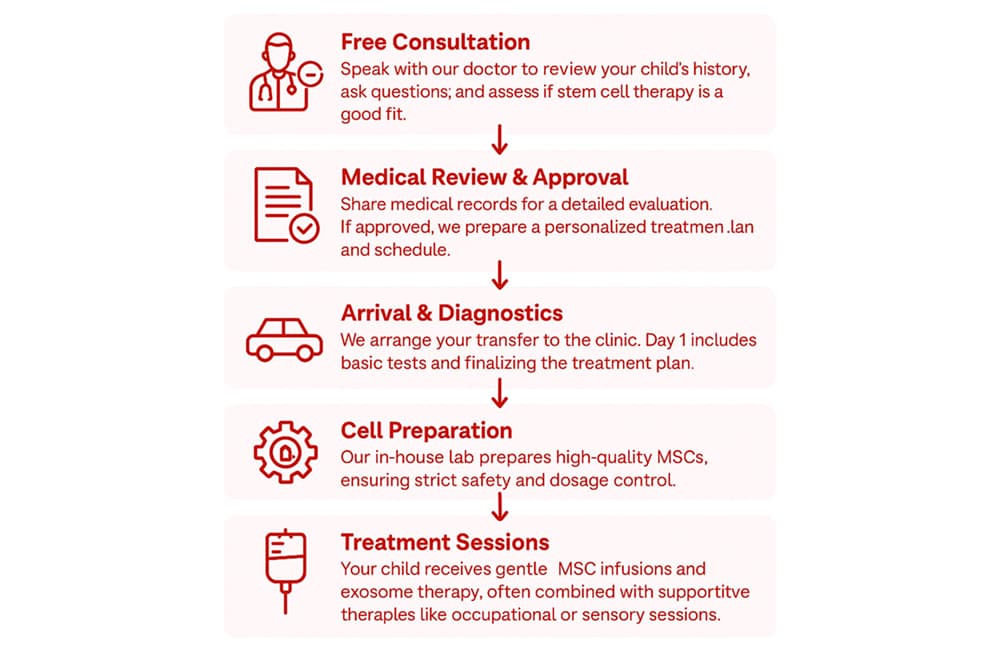
For a more detailed explanation of each step and what families should know before treatment, read our article on the stem cell treatment procedure.
Results and Success Rate: Setting Realistic Expectations
When we talk about results, it is important to be clear: stem cell therapy is not a magic button or a pill that changes who a child is. It does not change the child’s personality or make autism disappear. Most often, parents describe changes in how the child feels and functions day to day.
Why Success Rate Is Not One Simple Number
In stem cell therapy for autism, success rate does not mean one fixed result for every child. It refers to the share of children who show positive changes after treatment. These changes may include better sleep, calmer behavior, improved attention, more communication attempts, or easier participation in daily therapies.
That is why it is important to understand how a clinic measures improvement: which symptoms are tracked, how long the child is followed after treatment, and which cases are included in the results.
According to Swiss Medica’s internal clinical data, stem cell therapy in children with ASD has shown positive outcomes in about 80% of cases. This includes both mild and more noticeable improvements. Individual results may vary depending on the child’s condition.
Our Study on MSC Therapy in Children with ASD
At Swiss Medica, we conducted internal research on stem cell therapy for autism, following 30 children with ASD who received MSC and exosome therapy over a 9-month period.
Key findings:
- No serious adverse events were reported.
- There were no infusion-related infections, blood clots, organ damage, or hospitalizations linked to the therapy.
- By 9 months, 93.4% of children showed improvement in at least one symptom.
- 83.3% improved in half or more of the symptoms tracked.
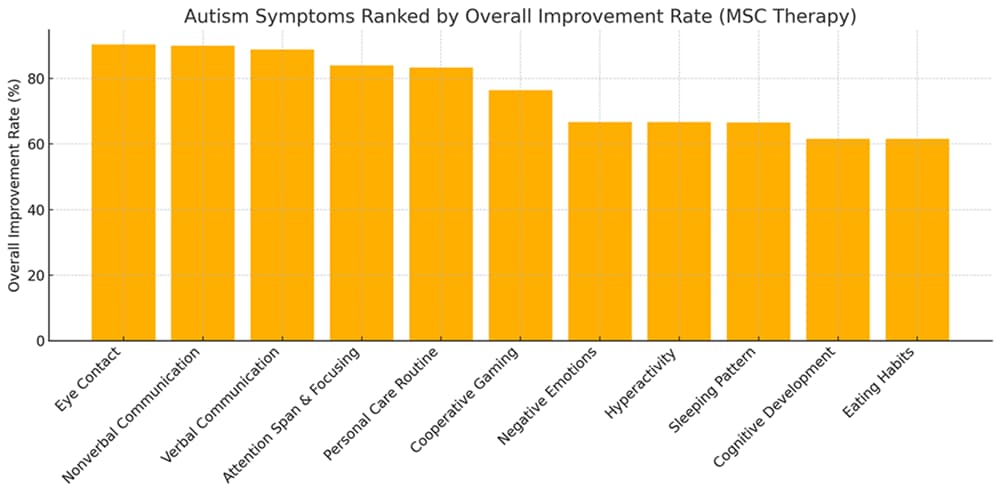
Swiss Medica is more than a hospital—it offers on-site family apartments, nutritious meals, and play areas for children.
What Progress Can Mean for Different Families
Progress may look different from family to family. For one child, it may be sleeping through the night. For another, fewer meltdowns, calmer school mornings, a first clear request, or more focus during therapy.
These changes may seem small at first, but they can make everyday life easier for the child and the whole family. Here is one of thousands of patient stories about autism treatment shared by families at Swiss Medica.
“We tried everything for years—speech therapy, reflex integration, horseback riding. There were almost no improvements. But after stem cell treatment, something changed.”
“His understanding got better. His focus improved. And now, he doesn’t just toss a ball—he wants to play. His play is meaningful. That means everything to me.”
— Daniella from Croatia
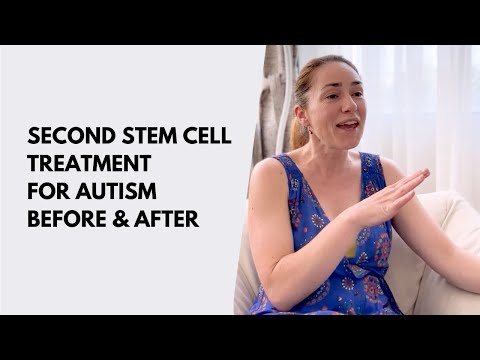
You can watch more patient stories and reviews on our website.
Cost and Country: What Families Ask First
Before choosing treatment abroad, families usually want clear answers to three main questions:
How Much Does Stem Cell Therapy for Autism Cost?
The cost of stem cell treatment for autism depends on the child’s age, diagnosis, symptom severity, and the level of care needed. At Swiss Medica, autism treatment packages usually range from €7,700 to €25,000*, depending on the program duration and case complexity.
The package price covers more than stem cell injections. It also includes medical review, procedures, supportive therapies, accommodation, meals, local transport, translator assistance, and follow-up.
Stem cell therapy costs can vary widely between countries and clinics. In some destinations, one round of stem cell therapy may cost $20,000 or more for the cell treatment alone, without accommodation, rehabilitation, supportive therapies, or aftercare included.
*Prices are indicative and based on 2026 estimates; they may vary depending on condition severity and required cell quantity.
Which Country Is Best for Stem Cell Therapy for ASD?
There is no single best country for stem cell therapy, but Serbia is often chosen for its balanced combination of medical quality, clinical experience, accessibility, and overall treatment organization.
Still, the country itself is only one factor. Parents should also look at the clinic’s medical review process, laboratory standards, safety protocols, doctor experience, cell preparation, and follow-up care.

What to Compare Before Choosing a Clinic Abroad
Before choosing autism treatment abroad, parents should compare:
- What type of cells are used?
- How the cells are tested?
- Whether dosage is calculated individually?
- What screening is done before treatment?
- How the child is monitored?
- What follow-up is included?
- What support is provided during travel?
The safest choice is usually the clinic that explains each step clearly and does not hide important details.
Why Families Choose Swiss Medica
Swiss Medica is not just a clinic. It is a 10,000 m² hospital built to make treatment and daily stay as comfortable as possible, with spacious rooms, a separate entrance for families, balanced meals adjusted to dietary needs, quiet indoor and outdoor areas, a children’s play area, and accessible facilities for patients with limited mobility.
At the same time, the hospital combines continuous medical supervision, in-house laboratory control, structured treatment planning, and full support for international families.
Personalized Plans and Medical Review
Our doctors review each child’s medical history, symptoms, body weight, previous treatments, and overall health before treatment is approved. This helps us understand whether the program may be suitable and how the stem cell dosage should be calculated.
In-House Laboratory and Quality Control
We prepare all biomedical products, including stem cells, in our own GMP-certified laboratory, which undergoes regular external inspections.
Each batch is tested for sterility, safety, viability, and quality before use. Having an in-house lab allows us to control the preparation process closely from start to finish.
Support for International Families
For patients, stem cell therapy for autism can feel stressful, so we focus on making the stay as calm, safe, and comfortable as possible. At Swiss Medica, parents can stay with their child throughout the treatment process, including during procedures. For each family, we provide personal client care and travel support, including help with airport transfers, translation, accommodation, and everyday questions.
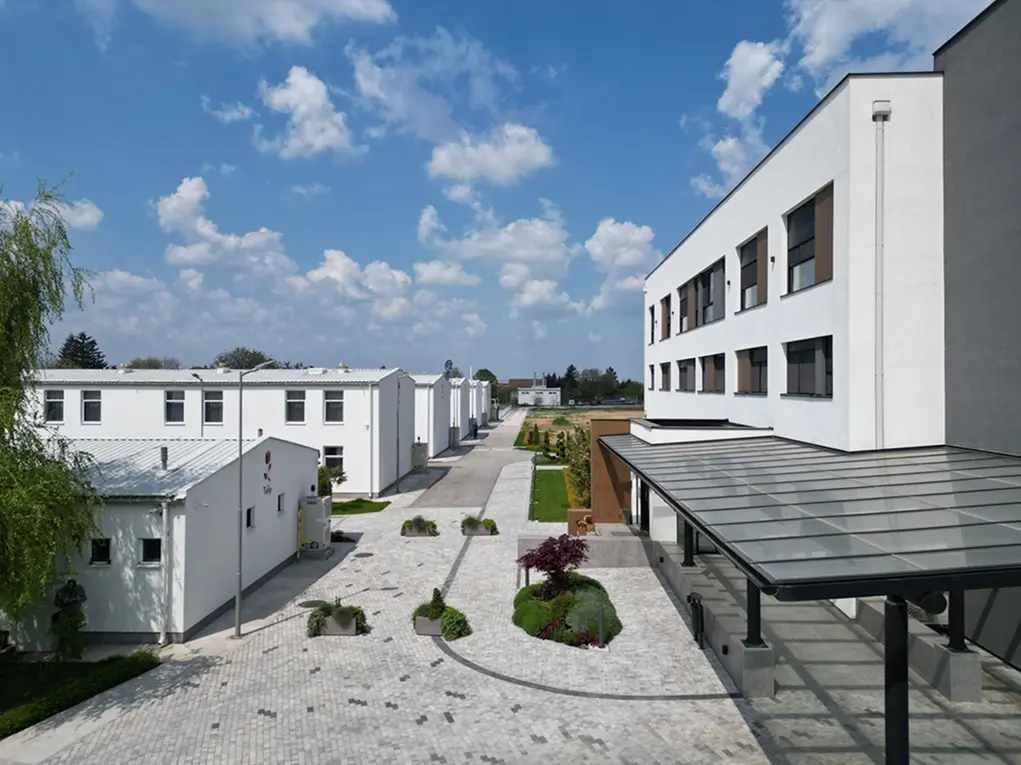
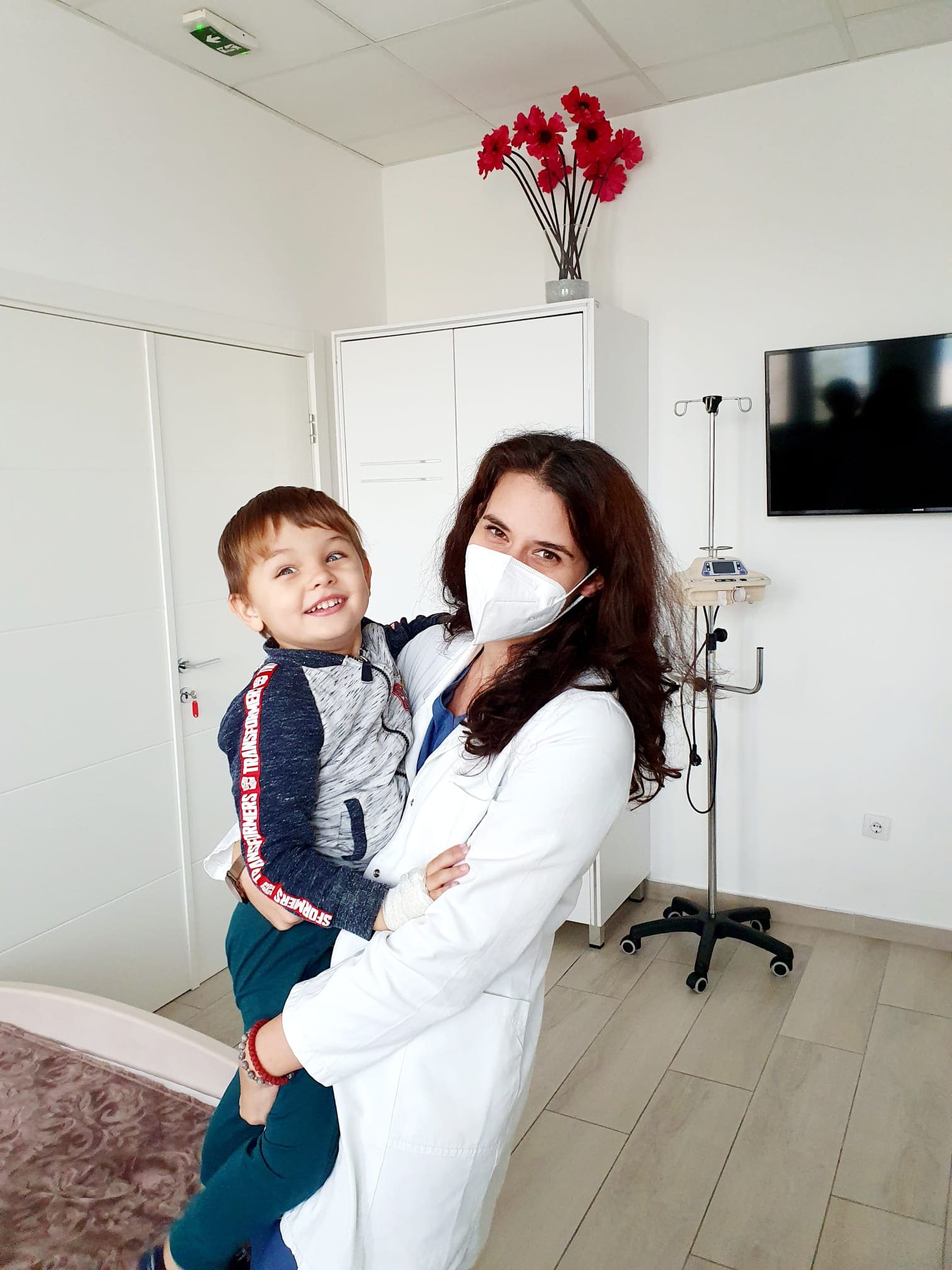
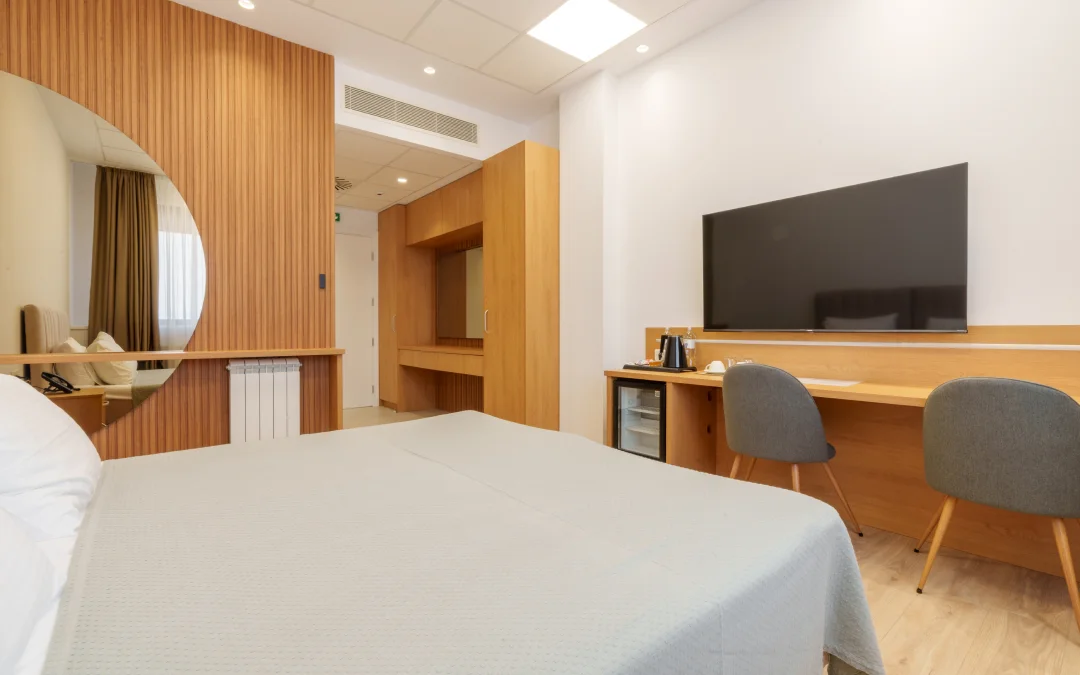
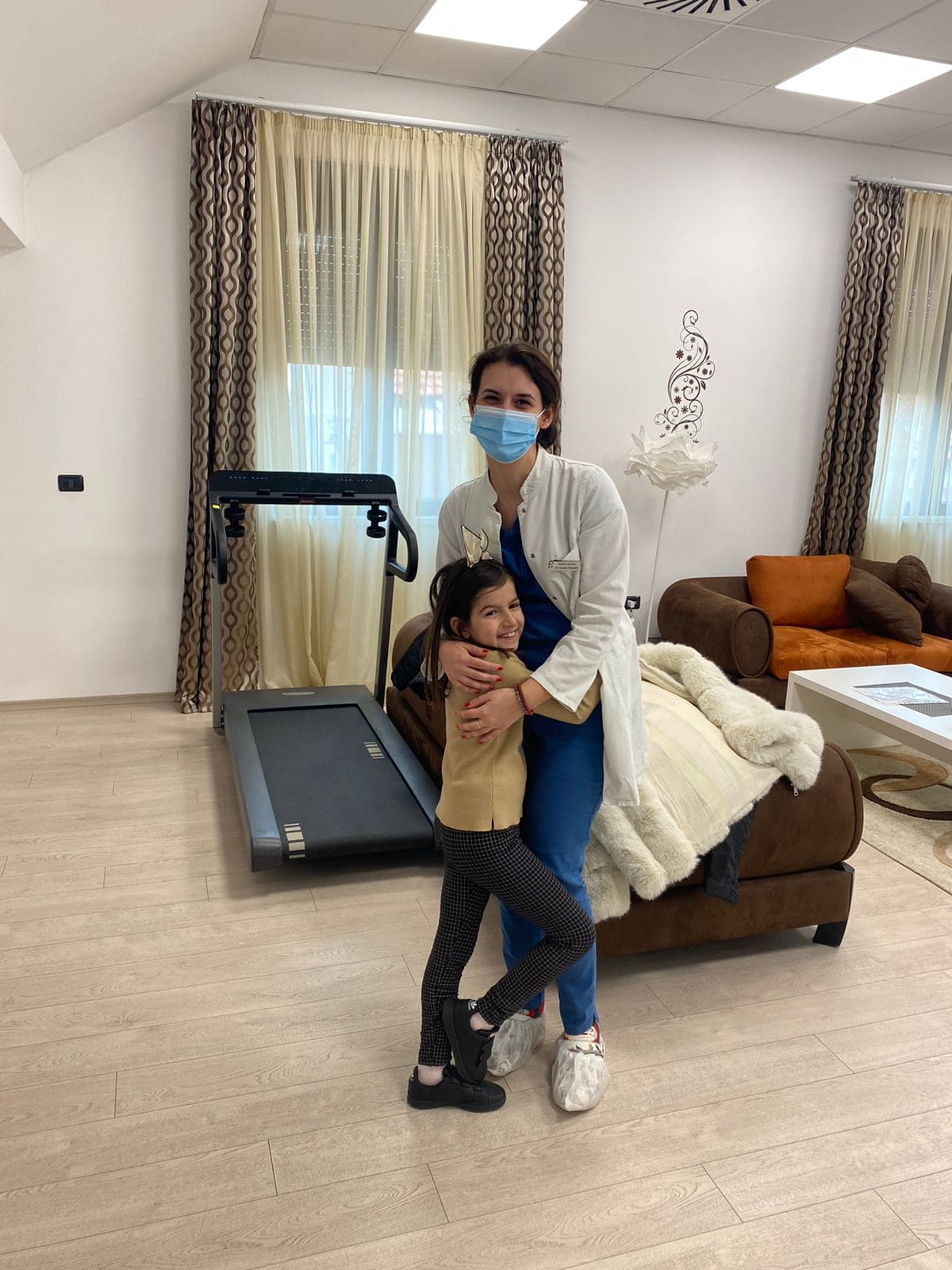
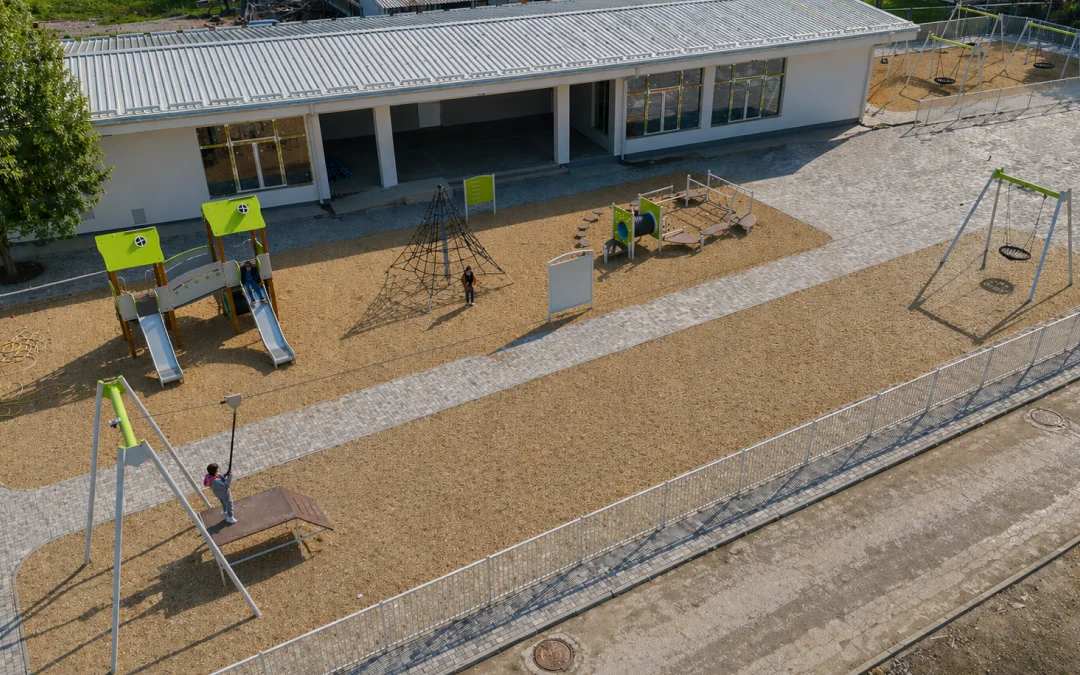
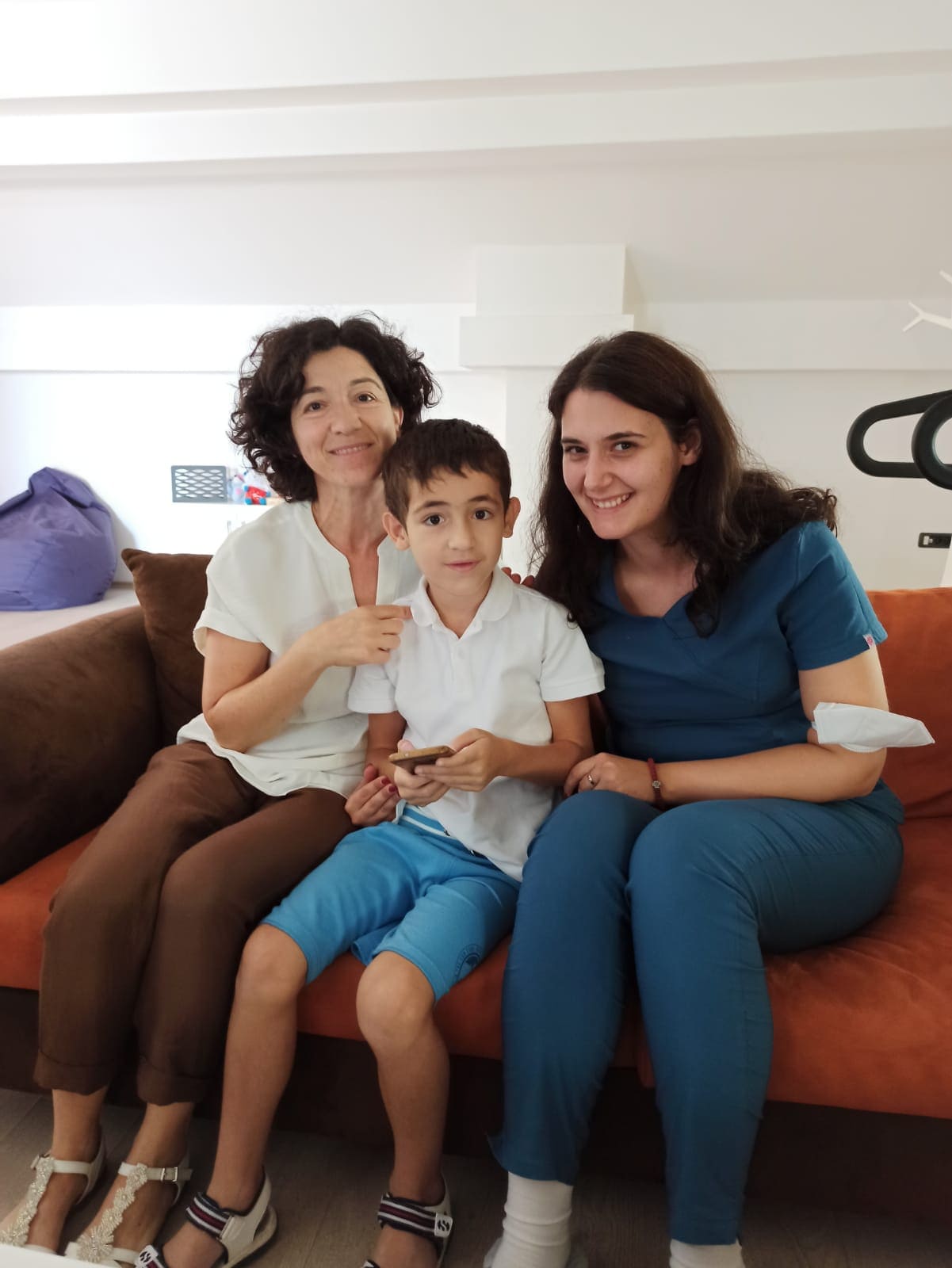
We share how we built our hospital and why we chose Serbia in our article about Swiss Medica.
Talk to Swiss Medica About Your Child’s Treatment Options
You can start with a free online consultation about stem cell therapy for your child, with no need to make an immediate decision.
Our doctors will carefully review your child’s situation, medical history, and possible treatment suitability online. This helps you understand the options, ask your questions, and make a more informed decision for your family.
Get a free online consultation
Book your free online consultation with our medical team here.
Medical Advisor, Swiss Medica doctor
Frequently Asked Questions
1. Can stem cell therapy cure autism?
No. Autism is a neurodevelopmental condition, not a disease that can simply be cured. Stem cell therapy may support a child on a physiological level by helping reduce neuroinflammation and creating a more supportive internal environment for better regulation, learning, and daily functioning. It should be seen as an additional option, while standard therapies continue.
2. Is stem cell therapy safe?
Studies show a generally favorable short-term safety profile, with most side effects being mild, such as fever, headache, nausea, or fatigue. But safety still depends on product quality, screening, dosing, and monitoring throughout the treatment.
3. Is stem cell therapy FDA-approved?
Currently, the FDA has not approved all stem cell therapies in the United States. This is mainly because approval requires long, condition-specific clinical trials, and research for autism is still ongoing. At the same time, some stem cell products are already FDA-approved for other medical uses, mainly certain blood and immune disorders.
4. What is the success rate of stem cell therapy?
At Swiss Medica, internal clinical data show positive outcomes in about 80% of children with ASD. This includes a range of changes, from mild to more noticeable improvements, and individual results may vary.
5. How much does stem cell therapy for autism cost?
At Swiss Medica, personalized autism programs usually cost €7,000–€19,000*. In other European countries and the U.S., stem cell treatment can be significantly more expensive, especially when diagnostics, accommodation, supportive therapies, and follow-up are charged separately.
*Prices are indicative and based on 2026 estimates; they may vary depending on condition severity and required cell quantity.
6. What is the age limit for stem cell therapy for autism?
Swiss Medica currently lists its main autism treatment range as 3–10 years and states a minimum weight of 15 kg. Children outside that range would need individual medical review and evaluation.
7. Which country is best for stem cell therapy?
There is no one best country for every family. The more useful comparison is clinic quality: medical review, product testing, dosing, follow-up, and travel support.
8. How long does it take to see results?
At Swiss Medica, families often notice early changes within 1–3 months, with a peak effect commonly discussed around 6 months and continued change up to a year. That timeline can vary widely from child to child.
9. Can a child continue ABA, speech therapy, or occupational therapy after treatment?
Yes, and in most cases they should. Stem cell therapy is not meant to replace ABA or other traditional autism therapies, and continuing behavioral, speech, and occupational support is important for turning small gains into usable skills.
10. What should parents ask before choosing a stem cell clinic?
Ask what exact product is used, how it is tested, who decides dose and route, what screening is required, how side effects are monitored, what follow-up is included, and what the full price actually covers.
List of References:
Xu, M., Zhang, X., Liu, Y. et al. Mesenchymal stem/stromal cell-based therapies for autism spectrum disorder: emerging evidence and clinical prospects. J Transl Med 24, 609 (2026). https://doi.org/10.1186/s12967-026-08030-3
Wang, Y., Yi, H. & Song, Y. The safety of MSC therapy over the past 15 years: a meta-analysis. Stem Cell Res Ther 12, 545 (2021). https://doi.org/10.1186/s13287-021-02609-x
Qu J, Liu Z, Li L, Zou Z, He Z, Zhou L, Luo Y, Zhang M, Ye J. Efficacy and Safety of Stem Cell Therapy in Children With Autism Spectrum Disorders: A Systematic Review and Meta-Analysis. Front Pediatr. 2022 May 4;10:897398. doi: 10.3389/fped.2022.897398. PMID: 35601435; PMCID: PMC9114801.
Tamouza R, Volt F, Richard JR, Wu CL, Bouassida J, Boukouaci W, Lansiaux P, Cappelli B, Scigliuolo GM, Rafii H, Kenzey C, Mezouad E, Naamoune S, Chami L, Lejuste F, Farge D, Gluckman E. Possible Effect of the use of Mesenchymal Stromal Cells in the Treatment of Autism Spectrum Disorders: A Review. Front Cell Dev Biol. 2022 Jul 5;10:809686. doi.org/10.3389/fcell.2022.809686
Akat, A., Karaöz, E. Cell therapies for autism spectrum disorder: a systematic review of clinical applications. Middle East Curr Psychiatry 30, 94 (2023). https://doi.org/10.1186/s43045-023-00363-9
Liang Z, Zhang G, Gan G, Naren D, Liu X, Liu H, Mo J, Lu S, Nie D, Ma L. Preclinical Short-term and Long-term Safety of Human Bone Marrow Mesenchymal Stem Cells. Cell Transplant. 2023 Jan-Dec;32:9636897231213271. doi.org/10.1177/09636897231213271
Gesundheit B, Hochbaum L, Fetyukhina A, Vorobyev V, Vorobyev N. Mesenchymal Stromal Cell Treatment Alleviates Autism Spectrum Disorder Symptoms: A Case Report. Cureus. 2025 May 4;17(5):e83440. doi.org/10.7759/cureus.83440


MD, Pediatrician, Regenerative Medicine Specialist